STEAM Time

After nearly a year, Comics Club/Comics & Crafts had run its course, and it was time to try something new. I came up with STEAM (Science, Technology, Engineering, Arts, and Math) Time: once a week, kids in kindergarten through fifth grade can come and try out something new and different, from building challenges to puzzles to coding games to art projects.

Our first STEAM Time was a success! Nine kids of various ages showed up, and I presented the options: Robot Turtles (a board game that teaches the basic principles of coding) and Caesar ciphers (I had prepared several of these – from this PDF – with cardstock and brads for kids to create and decipher each other’s codes). As a backup option, I also brought Spot It, a picture-matching game.
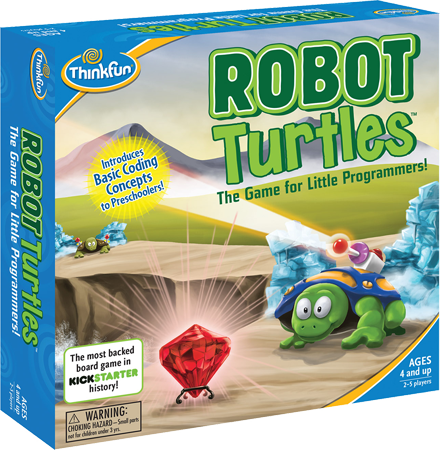
Robot Turtles boxThree of the younger kids started with Robot Turtles, and the others began making codes for each other to decipher. I gave a basic explanation about how to use the Caesar cipher (or shift cipher), then helped the kids get Robot Turtles set up, then helped the ones who were having trouble figuring out the ciphers. (I think one thing that tripped them up initially was the letter-letter correspondence, rather than letter-number correspondence; the only number you need with this kind of cipher is the “shift,”; it’s not an A=1, B=2 kind of code.) But eventually, everyone figured it out, and then they could swap ciphered messages to decipher!

Meanwhile, back in Robot Turtle land, each kid got a chance to give instructions (the coder role) and follow instructions (the turtle role). And when the Caesar cipher kids got tired of (de)ciphering, they switched to a rousing game of Spot It!
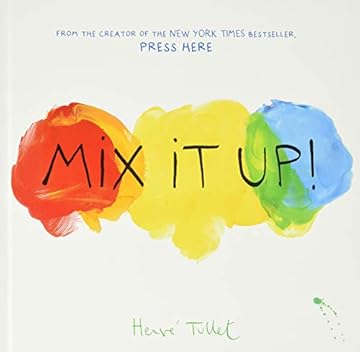
Cover image of Mix It Up by Herve TulletIn the next few weeks, we’ll have a building challenge with blocks (we have both regular and life-size Jenga), a puzzle challenge (a 36-piece jigsaw with the picture showing, then upside down), penny boats, Snap Circuits, primary color painting (think Mix It Up!), and more. What STEAM activities do you like to do with kids?
What can you draw in six seconds?

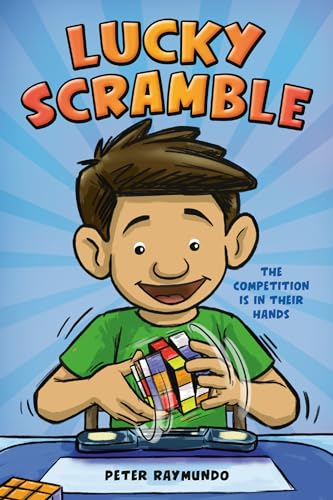
Cover image of Lucky ScrambleThe kids’ graphic novel book club I started last fall is still going strong, with about 4-7 kids attending each month. This month we read Lucky Scramble by Peter Raymundo, about a kid named Tyler who goes to a Rubik’s cube competition. Our icebreaker question was “What’s your favorite kind of puzzle?” and a lot of the kids said “Rubik’s cube,” even though none of us could solve one. (I said word puzzles, like wordle, and it turns out all of the kids also do the NYT puzzles!)
We discussed the different characters and storylines, what we expected and what surprised us, parental pressure, and attitudes toward competition and winning. We each had a copy of the book for reference, and the kids are so good about citing page numbers so we can all be on the same page, literally.

I asked them what they thought they could do in six seconds – the length of time champion speed-cubers can solve a 3×3 – and that turned into “What can you draw in six seconds?” So we moved over to the tables, got paper and pencils, and tried it! Turns out, not much – but after having only six seconds to draw something, a minute feels like a long time! So we did a one-minute drawing, a two-minute drawing, and finally a five-minute drawing (during which one of the kids turned out a staggeringly impressive dragon drawing).

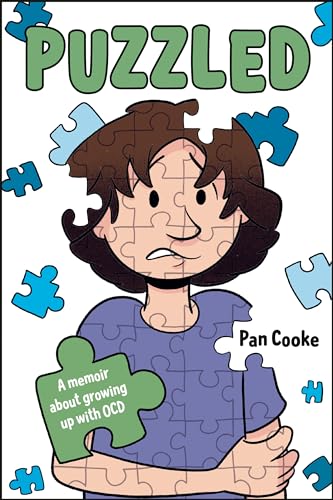
Cover image of Puzzled by Pan CookeLast, the kids voted on which book to read next. The choices were Curveball by Pablo Cartaya, Pebble & Wren by Chris Hallbeck, and Puzzled by Pan Cooke. The first two got one vote each and Puzzled got two votes, so that will be our February book – but all three books got checked out. It was a good afternoon!
2024 Reading Wrap-Up: That’s a lot of books

Looking back at my mid-year reading round-up, especially the picture book and middle grade categories, so many of these are still top of mind: books I recommend, put on displays, and use in storytimes. Looking back to last year’s wrap-up, the same holds true of most of the picture books as well, and plenty of middle grade (most especially Beth Lincoln’s The Swifts, Erin Bow’s Simon Sort of Says, and Sophie Escabasse’s Witches of Brooklyn series).

When I went to count up my total number of books read this year I did think at first I had made a math mistake, but no, the number is correct. And in fact, it doesn’t include all the re-reading (for example, the approximately 45 times I read Endlessly Ever After at Pajama Storytime, or vacation re-reading). Here is the usual breakdown and favorite titles in each category; again, these are books I read in 2024; some of them were published earlier. The titles I mention below are mostly those I read in the second half of the year, since others were already mentioned in the mid-year post. Anyway, on with the show! 

Total number of books read: 880. (Yeah, this is pretty unbelievable, and no, I’m not really sure how either.)

Reviewed for Kirkus: 23 (most of those not included in the total above)

Partially read/started-didn’t-finish: 20

Picture Books: 515howlittlelori

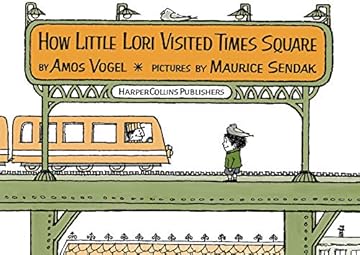
  • How Little Lori Visited Times Square by Amos Vogel: you think you know all the books Maurice Sendak ever illustrated, and then you discover this hilarious gem in a bookstore in Brooklyn. What a trip.
  • The Yellow Bus by Loren Long
  • The Pass by Sara Laux Akin
  • Sometimes We Fall by Randall de Seve
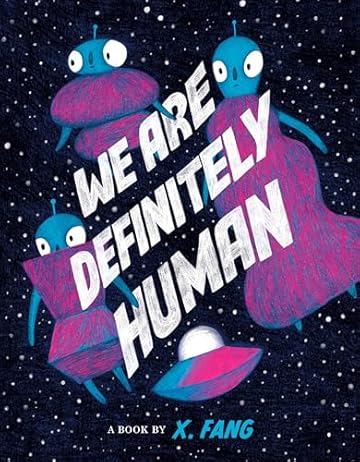
  • We Are Definitely Human by X. Fangsorryyougotmad
  • Remembering Rosalind Franklin by Tanya Lee Stone (NF)
  • All at Once Upon A Time by Mara Rockliff
  • No More Senora Mimi by Meg Medina
  • Noodles on a Bicycle by Kyo Maclear
  • The Island Before No by Christina Uss
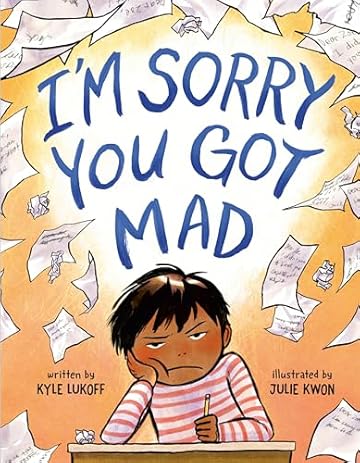
  • I’m Sorry You Got Mad by Kyle Lukoff
  • Just What to Say by Kyle Lukoff
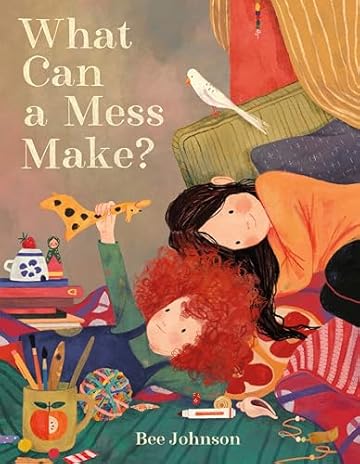
  • What Can A Mess Make? by Bee JohnsonCover image of What Can A Mess Make
  • Is A Book A Box for Words? by Harriet Ziefert
  • Hello, I’m A… (Meet the Wild Things) by John and Hayley Rocco
  • Just Us by Molly Beth Griffin
  • Small Things Mended by Casey W. Robinson

Early Readers and Chapter Books: 9gumluck2

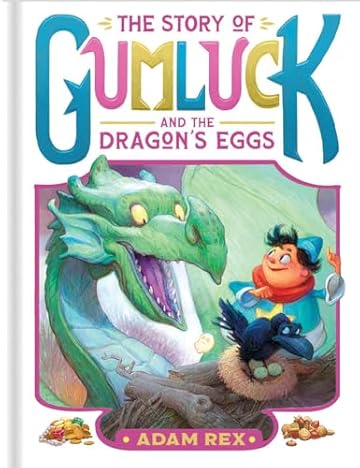
  • The Story of Gumluck and the Dragon’s Eggs by Adam Rex
  • Pizza for Pia by Betsy Groban and Allison Steinfeld

Middle Grade: 147

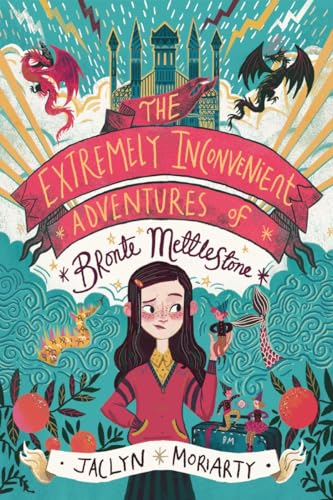
  • The Extremely Inconvenient Adventures of Bronte Mettlestone by Jaclyn Moriartyenigmagirls
  • Medusa (The Myth of Monsters) by Katherine Marsh
  • The Wild Robot by Peter Brown
  • The Girls of Skylark Lane by Robin Benway
  • AfterMath by Emily Barth Isler
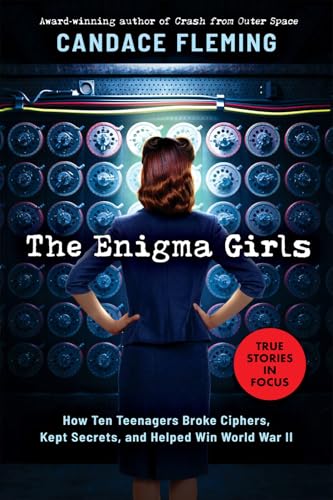
  • The Enigma Girls by Candace Fleming (NF)
  • Not Nothing by Gayle Forman
  • Magnolia Wu Unfolds It All by Chanel Miller
  • Savvy by Ingrid Law
  • The Tenth Mistake of Hank Hooperman by Gennifer Choldenko
  • The Swifts: Gallery of Rogues by Beth Lincoln

Young Adult: 13whentheworldtipsover

  • Lies My Teacher Told Me: A Graphic Adaptation by James Loewen and Nate Powell (GN, NF)
  • It’s Okay If You Don’t Love Me by Norma Klein
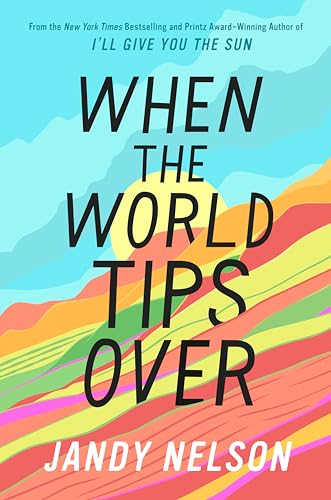
  • When the World Tips Over by Jandy Nelson
  • Here I Am, I Am Me: An Illustrated Guide to Mental Health by Cara Bean (GN, NF)

Graphic Novels (overlap with other categories): 62

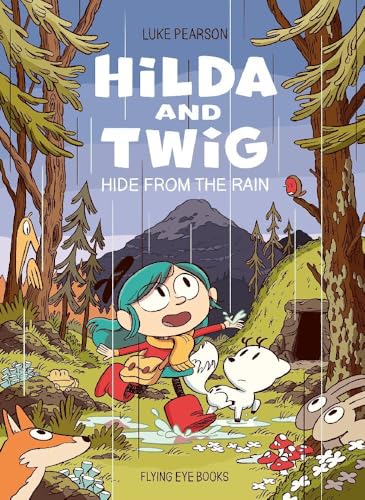
  • Hilda and Twig Hide from the Rain by Luke Pearsonhildatwig
  • Batcat: Sink or Swim by Meggie Ramm
  • Pets and Pests by Andy Warner (NF)
  • Woe: A Housecat’s Story of Despair by Lucy Knisley
  • Lies My Teacher Told Me: A Graphic Adaptation by James Loewen and Nate Powell (YA, NF)
  • Here I Am, I Am Me: An Illustrated Guide to Mental Health by Cara Bean (YA, NF)

Adult Fiction: 58

  • Remarkably Bright Creatures by Shelby Van Peltsandwich-newman
  • The Lost Boy of Santa Chionia by Juliet Grames
  • The Bright Sword by Lev Grossman
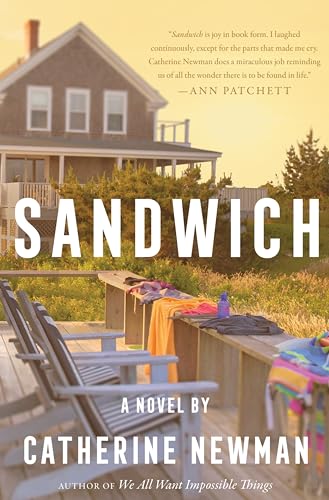
  • Sandwich by Catherine Newman
  • Ready or Not by Cara Bastone

Adult Nonfiction: 31

  • Sellout by Dan Ozzirebelgirl
  • Nice Try by Josh Gondelman (I’ve also enjoyed his wonderful weekly newsletter, That’s Marvelous)
  • A Heart That Works by Rob Delaney
  • The Genius of Judy by Rachelle Bergstein
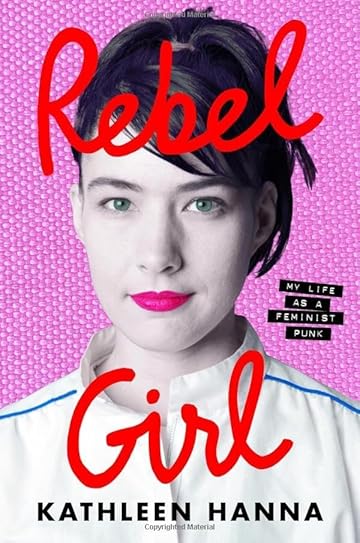
  • Rebel Girl by Kathleen Hanna
  • Grief Is for People by Sloan Crosley
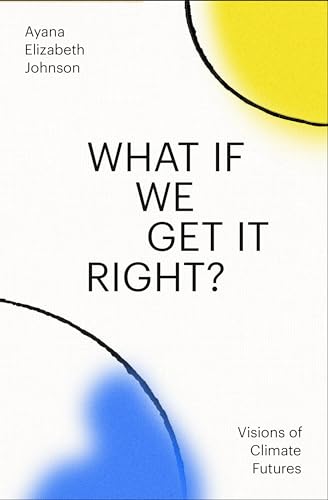
  • What If We Get It Right? by Ayana Elizabeth Johnson

Short stories/essays: 12

  • What If We Get It Right? by Ayana Elizabeth JohnsonCover image of What If We Get It Right
  • H Is for Hope: Climate Change from A to Z by Elizabeth Kolbert
  • Table for Two: Fictions by Amor Towles

“People who believe in a brighter future are more likely to put in the effort required to achieve it.” -Elizabeth Kolbert, H Is for Hope

Audiobooks (overlap with other categories): 16

  • Witchlings by Claribel Ortegabrontemettlestone
  • Nuts to You by Lynne Rae Perkins
  • Rewind by Lisa Graff
  • No One Leaves the Castle by Christopher Healey
  • The Extremely Inconvenient Adventures of Bronte Mettlestone by Jaclyn Moriarty

Five-star ratings: 26

  • Gather by Kenneth Cadow (YA – won a Printz Honor)wearedefinitelyhuman
  • We Are Definitely Human by X. Fang (made me laugh)
  • Telephone of the Tree by Alison McGhee (made me cry)
  • Buffalo Brenda by Jill Pinkwater (just as good as I remember)

Re-reads: I really don’t have a good way to keep track of these. I re-read The Night Circus and The Great Believers on vacation, and I know we listened to The Swifts (both books) many times over, as well as all three Bronte Mettlestone books. And, as previously mentioned, Endlessly Ever After and dozens of other books I read aloud at storytimes.

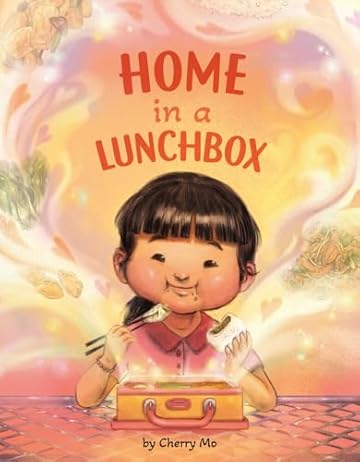
homeinalunchboxWeNeedDiverseBooks: 189. Less than last year both in terms of numbers and percentage of the total, though I do suspect myself of undercounting/tagging.
Now we’re already well into 2025, with the ALA Youth Media Awards on the horizon (Monday, January 27 at 10am Eastern – later than usual because it’s happening in Phoenix, which is on Mountain Time). I’m sure I’ll dig back into some 2024 books I missed after the awards, and we’ve already got plenty of 2025 books to look forward to – from Curtis Sittenfeld, Libba Bray, Emma Donoghue, Kevin Wilson, Adam Rex, Kate Messner, Kyle Lukoff, and more. Which books are you looking forward to this year?

Stuffed Animal Sleepover

First things first: gratitude to the youth librarians on the statewide listserv, massyac, for their generosity in sharing tips and tricks for a stuffed animal sleepover program! Their collective advice was quick, clever, and invaluable, as usual. Being part of a profession whose core values include sharing really has its benefits!

PXL_20241230_213341922


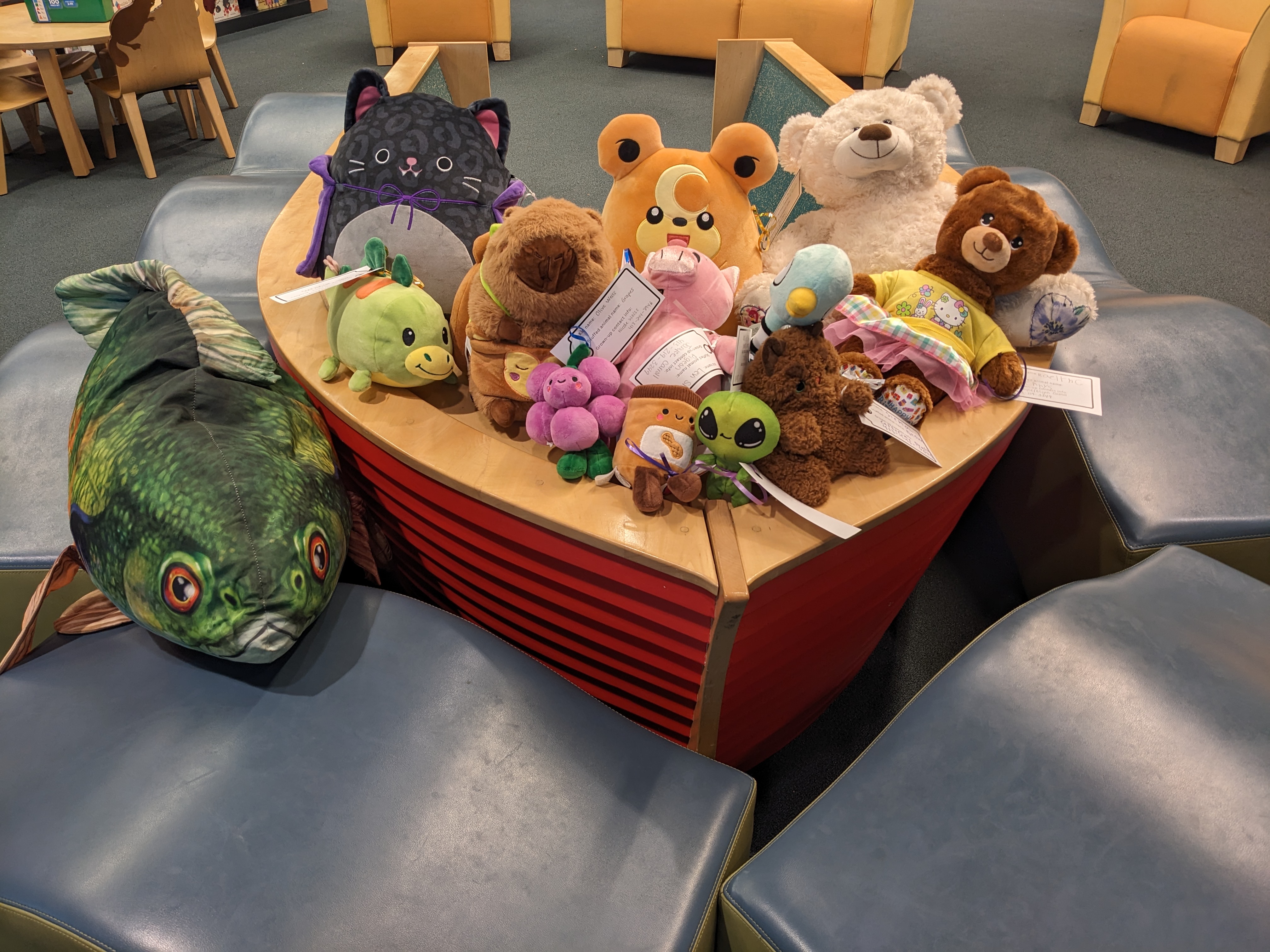
Above: Group shot! All the stuffed animals on the library boat (or in the ocean)

So, what’s a stuffed animal sleepover? Kids bring their stuffed animals to the library, leave them overnight, and pick them up the next day. While the cats (people) are away, the mice (stuffed animals) do play! They make friends with each other, take rides on the book cart, play with library toys, and snuggle up to listen to a story. At pickup time, each stuffed animal gets a little packet to take home with photos and a note about their overnight activities, and a library book recommendation, which they can choose to check out.

PXL_20241230_213712616

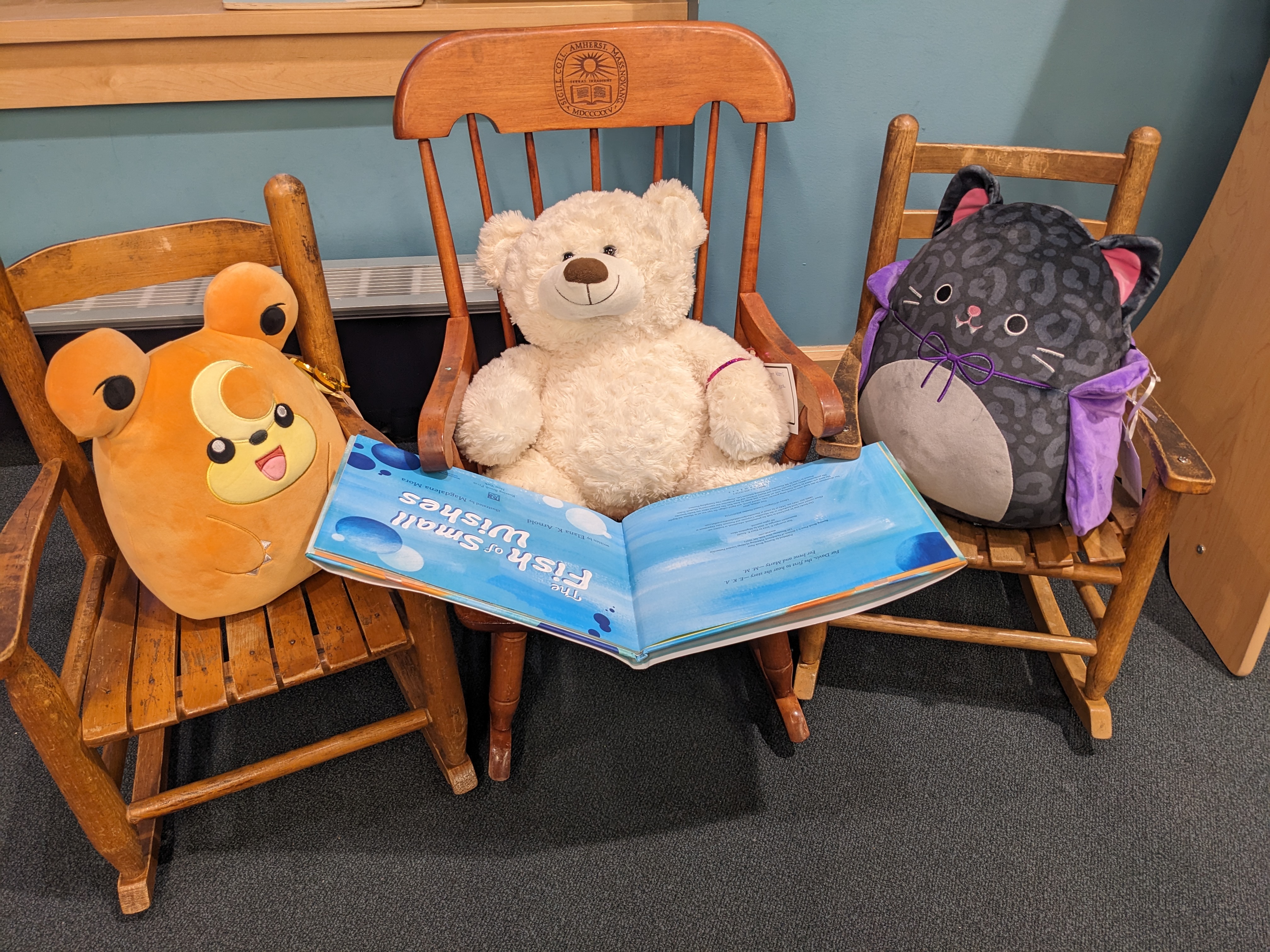
Above: Three stuffed animals in rocking chairs read a picture book together

Here are the most important (and repeated) pieces of advice I received and used from massyac responses:

  • Allow more time than you think you need for setting up and taking photos; use an assistant if you can!
  • Collect information (kid’s name, stuffed animal’s name, adult’s contact info) at drop-off time, and attach a tag to each stuffed animal.
  • Make a take-home booklet, post to social media, or create a slideshow of photos

Thank you, massyac! I employed my nine-year-old as assistant, and she was an excellent helper. Staging and taking the photos didn’t actually take that much time – an hour or less. Creating the personalized book recommendations and packets, creating the photo album, and posting to social media took about two hours. If you wanted to save some time, you could do less personalization and give everyone the same booklet – it’s still fun!

PXL_20241230_225659717

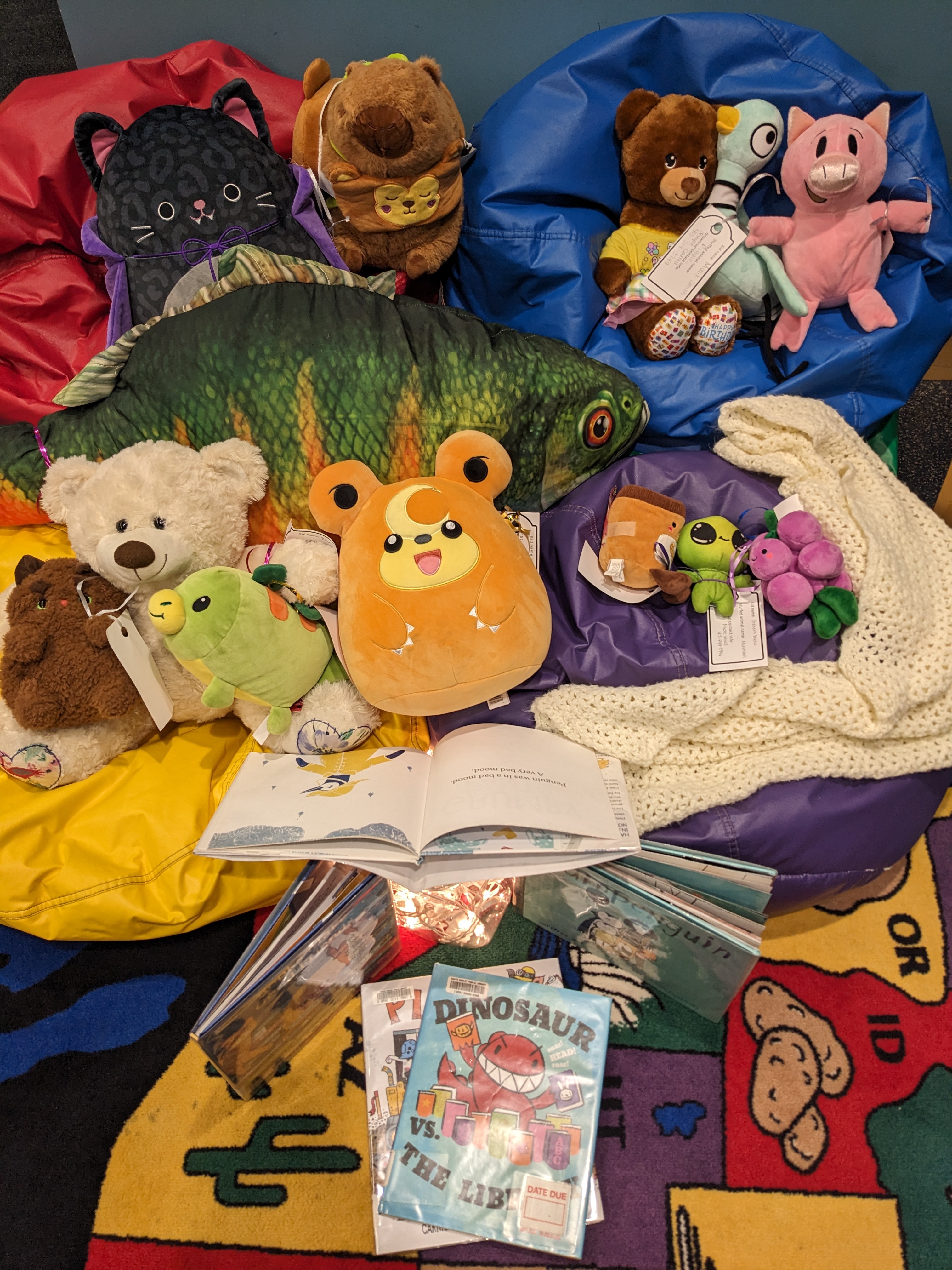
Above: All the stuffed animals snuggling on bean bags, reading a story together

At drop-off time, kids filled out a “sleepover permission slip” with information about their stuffed animals (name, personality, favorite book, a portrait), and a tag we tied on with ribbon. The favorite book question helped us decide which book(s) to recommend.

PXL_20241230_220042735

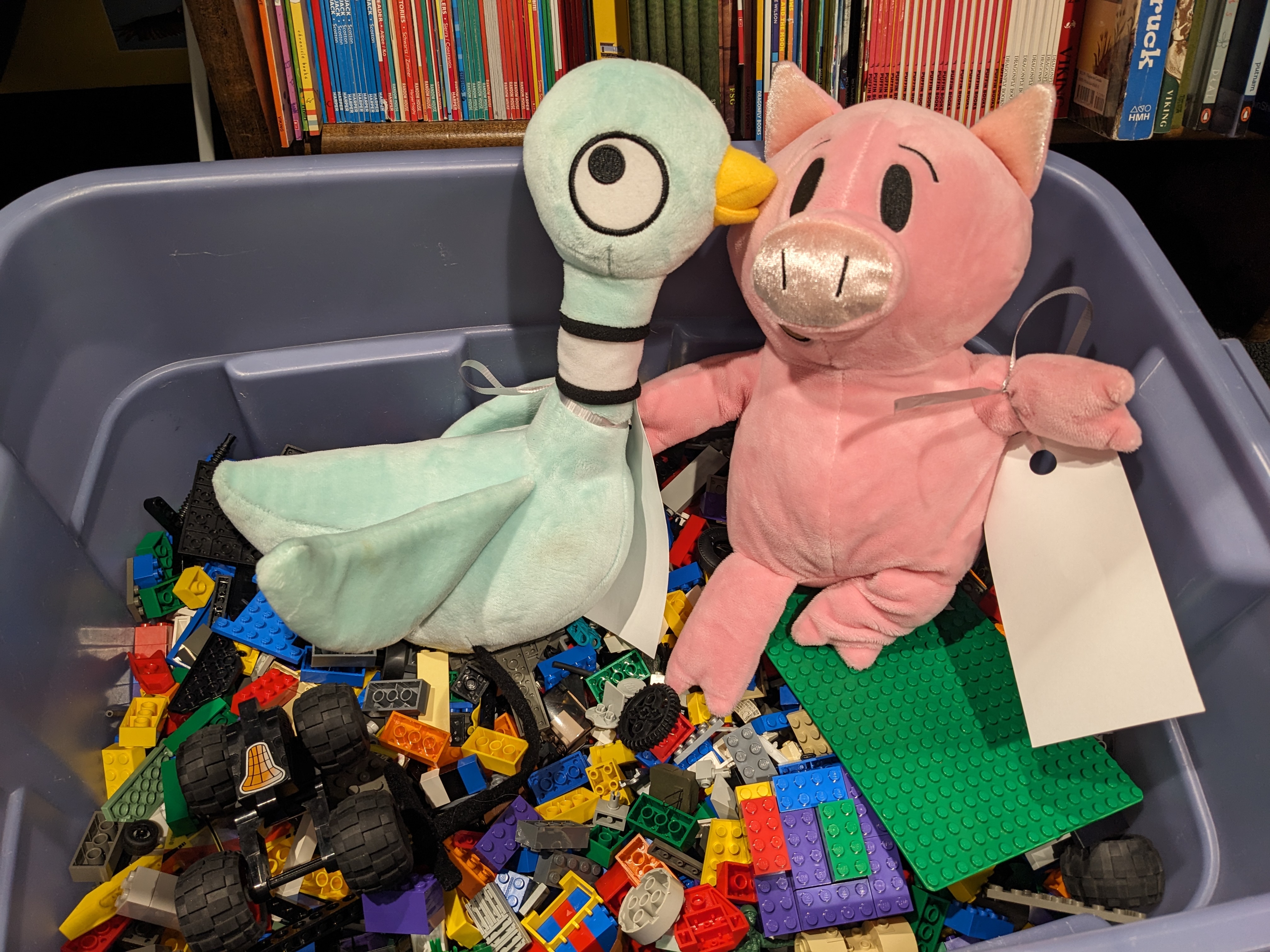
Above: Pigeon and Piggie play in the Lego bin

Miraculously, everyone who registered for the program showed up during the drop-off window, and everyone came to pick up their stuffed animals the next day! There was a waitlist for the program – again, on the advice of other librarians, I capped registration at 10 (and still ended up with 12) – so we’ll be doing it again in the spring, and those on the waitlist will get priority.

PXL_20241230_214327804

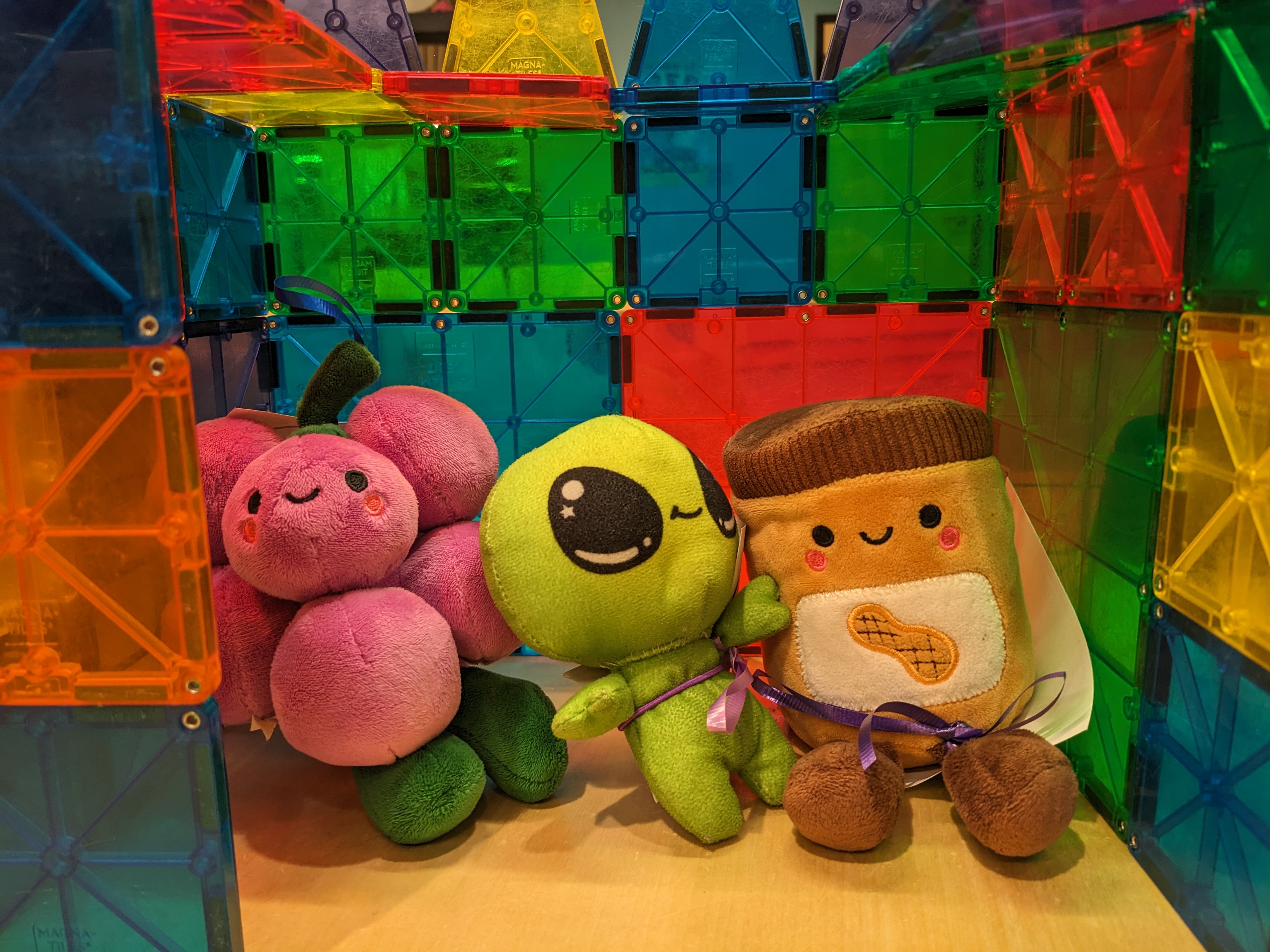
Above: Grapes, Munchkin, and Peanut Butter hang out in a cool MagnaTile house

Overall, our first stuffed animal sleepover was a success! Have you hosted one at your library? What are your favorite tips and tricks? Is this the most adorable program, or what?