Choose your favorite year-end metaphor, or, Bookish resolutions (again)

I dearly wish my “end-of-the-year to-blog-folder cleanup” could be as neat and tidy as Brian’s, but alas, there are 21 unfinished drafts, some going back as far as 2011. That might be a good project for the last days of December and the first part of January, but first I’m trying to compile my year-end reading statistics, a project that has been snarled by a mid-year switch from Goodreads to LibraryThing (documented here and here).

I’ve been using LT pretty much exclusively since September, but LT’s statistics, while charmingly quirky (are the authors of the books I read dead or alive?), aren’t the sort I’m looking for. Goodreads, on the other hand, offers stats that are less imaginative but more practical: how many books read this year? How many pages? I thought I’d solve the problem by importing some of my LT data back into Goodreads, sans reviews, but Goodreads didn’t recognize my “date started/date finished” headings (which I had to acquire in a hacky way to begin with, because that information isn’t included in LT’s export feature: I tweaked some display preferences, got a print view, copied and pasted into Excel).

So it’s all a bit of a mess, but as best I can tell I read 159 books this year (so far!), but subtract seven “partially-read” books from that number to get 152 books for 2013. That’s about 12.6 books per month (though again, December isn’t over, and I’m halfway through David Sedaris’ laugh-out-loud Let’s Explore Diabetes With Owls). This number is rather astonishingly close to last year’s: I read 159 books in 2012. I don’t really expect to improve upon that, but of course it’s not about the numbers really; it’s about the quality, and I did read some wonderful books this year.

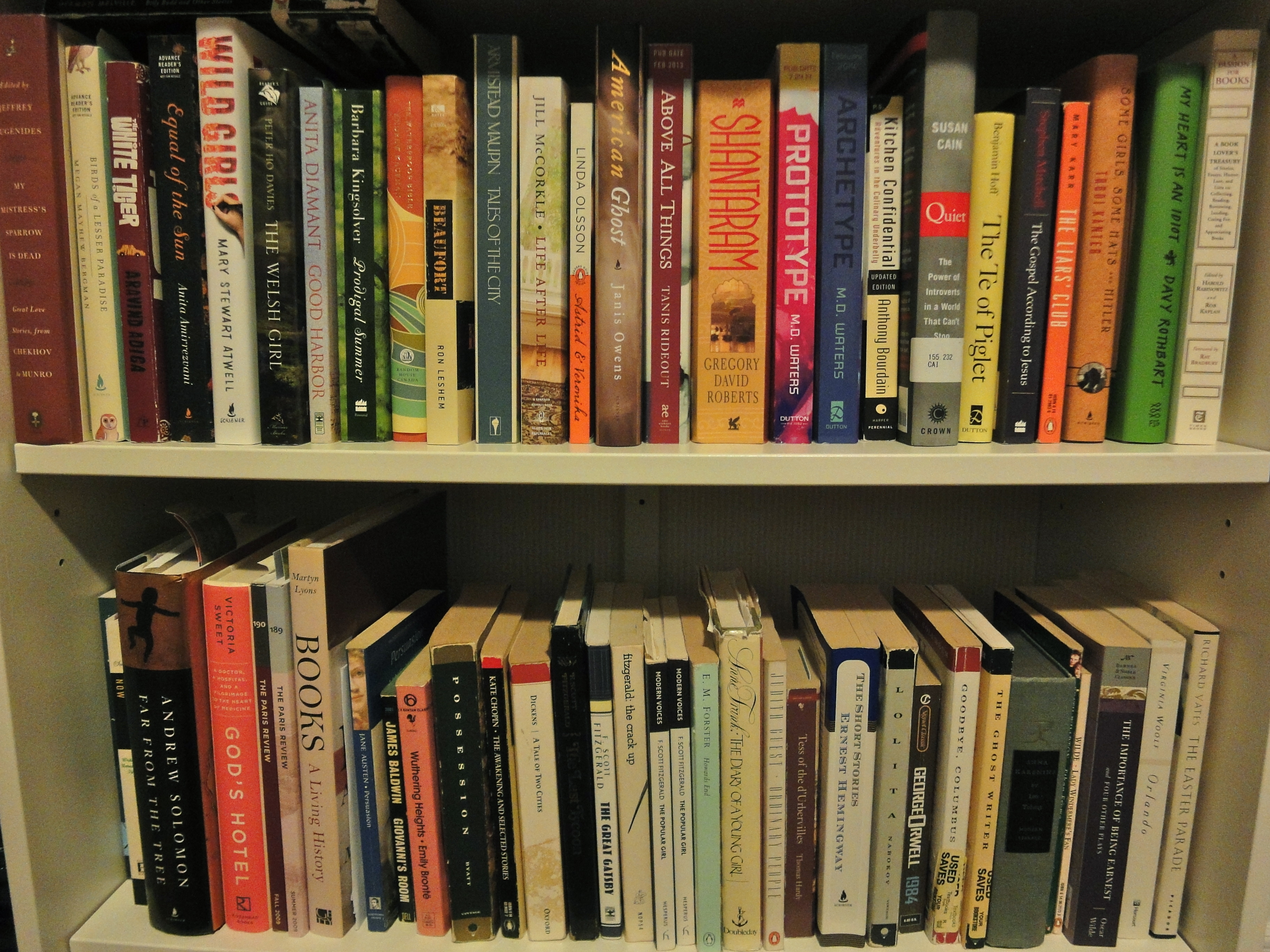
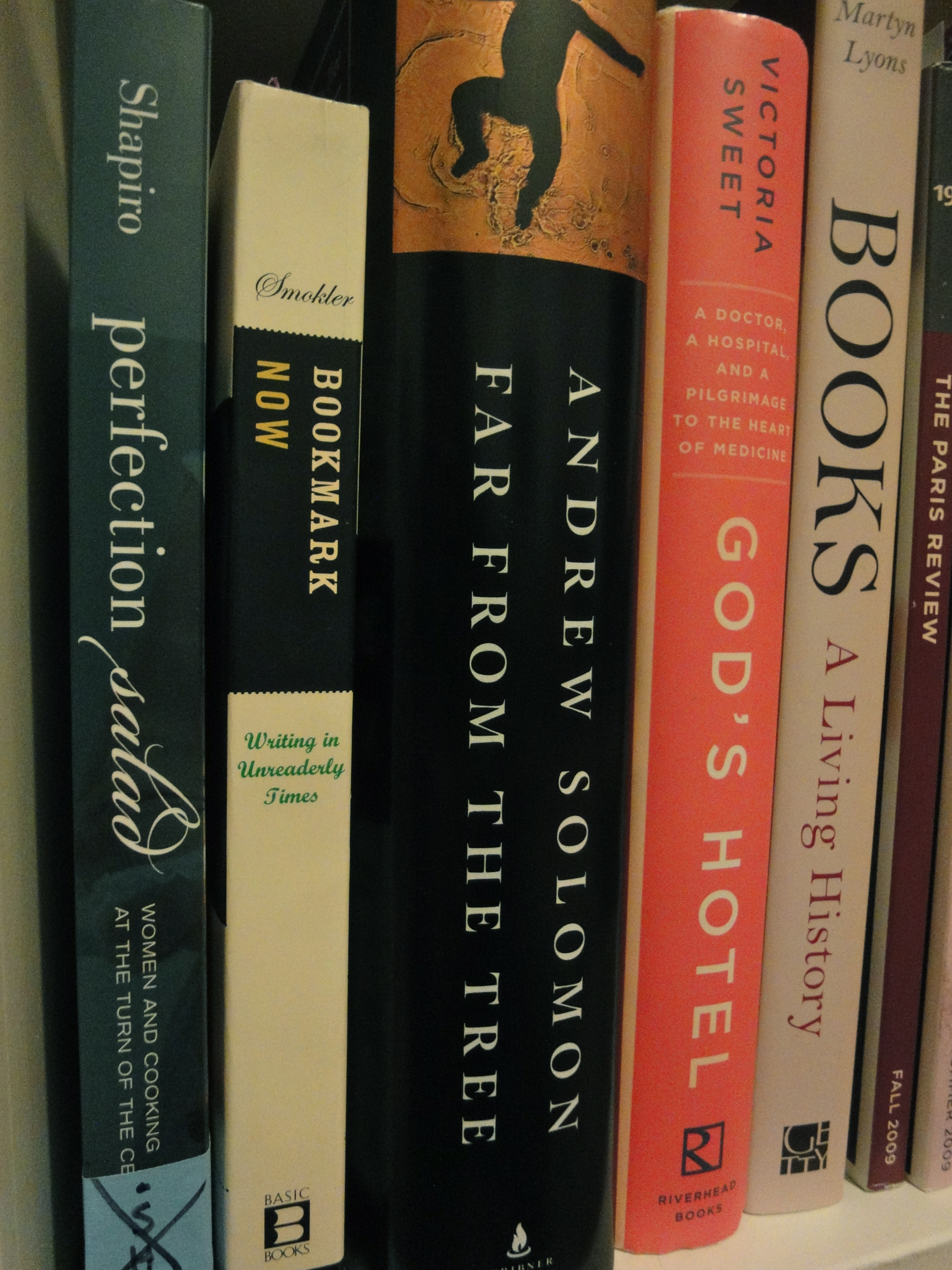
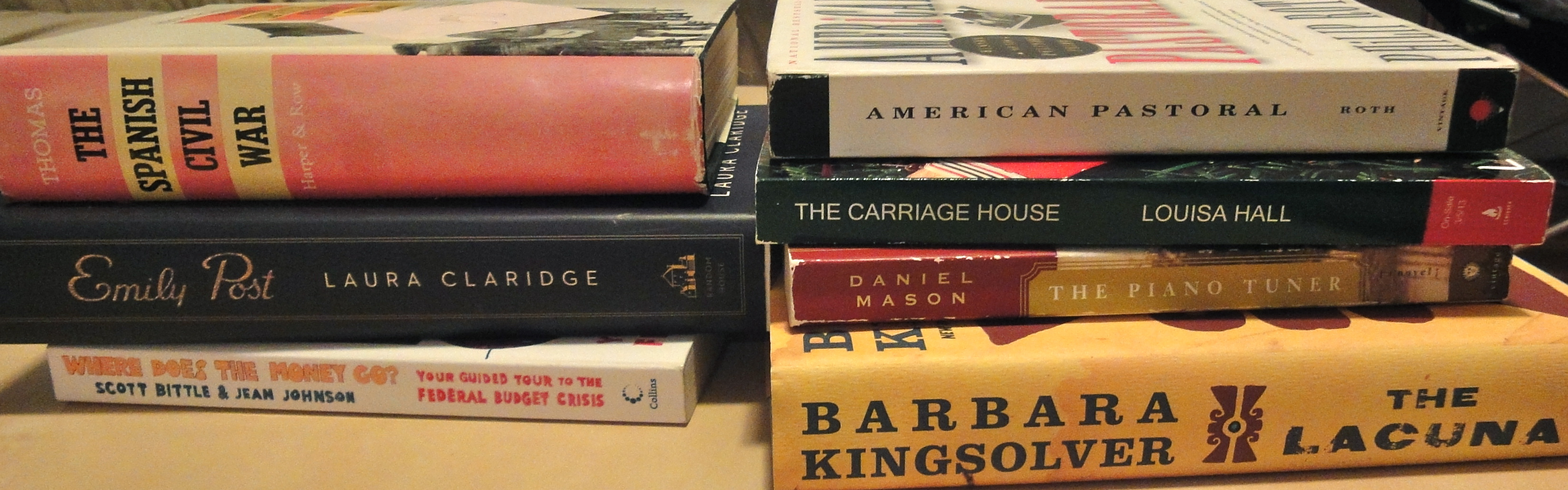
And how did I do on my New Year’s resolution to read all the unread books on my shelves at home? Not terribly well at all. Of those pictured in the link, I read two (Olive Kitteridge and The Carriage House), but throughout the year the “at home and unread” shelf/pile(s) morphed. (Yes, I think morphed is the word.) I decided not to read (and therefore, to give away) several of them (see below), but many I still intend to read, and my dear sweet friends at various publishing houses sent even more. Fortunately, I had Christmas* day to take all my books off their shelves, dust, rearrange, and catalog: the “to be read” books are now on a shelf (okay, 1.5 shelves) in the living room, where I’ll be faced with them every day. I also bought the e-book of Far From the Tree, which I started and loved but could not make myself lug around (900+ pages!); now that it’s more portable I have no excuse.
*That’s what Christmas is for, right? Movies, Chinese food, and cataloging one’s books?

So, here’s the to-read shelf for 2014 (click to enlarge):

DSC06250

It’s all the books on the top shelf, starting with short stories, then fiction, then nonfiction, which continues onto the first part of the next shelf (see below).

DSC06251Do you see your favorite book on my to-read shelf? Tell me why I should move it to the top of the list!

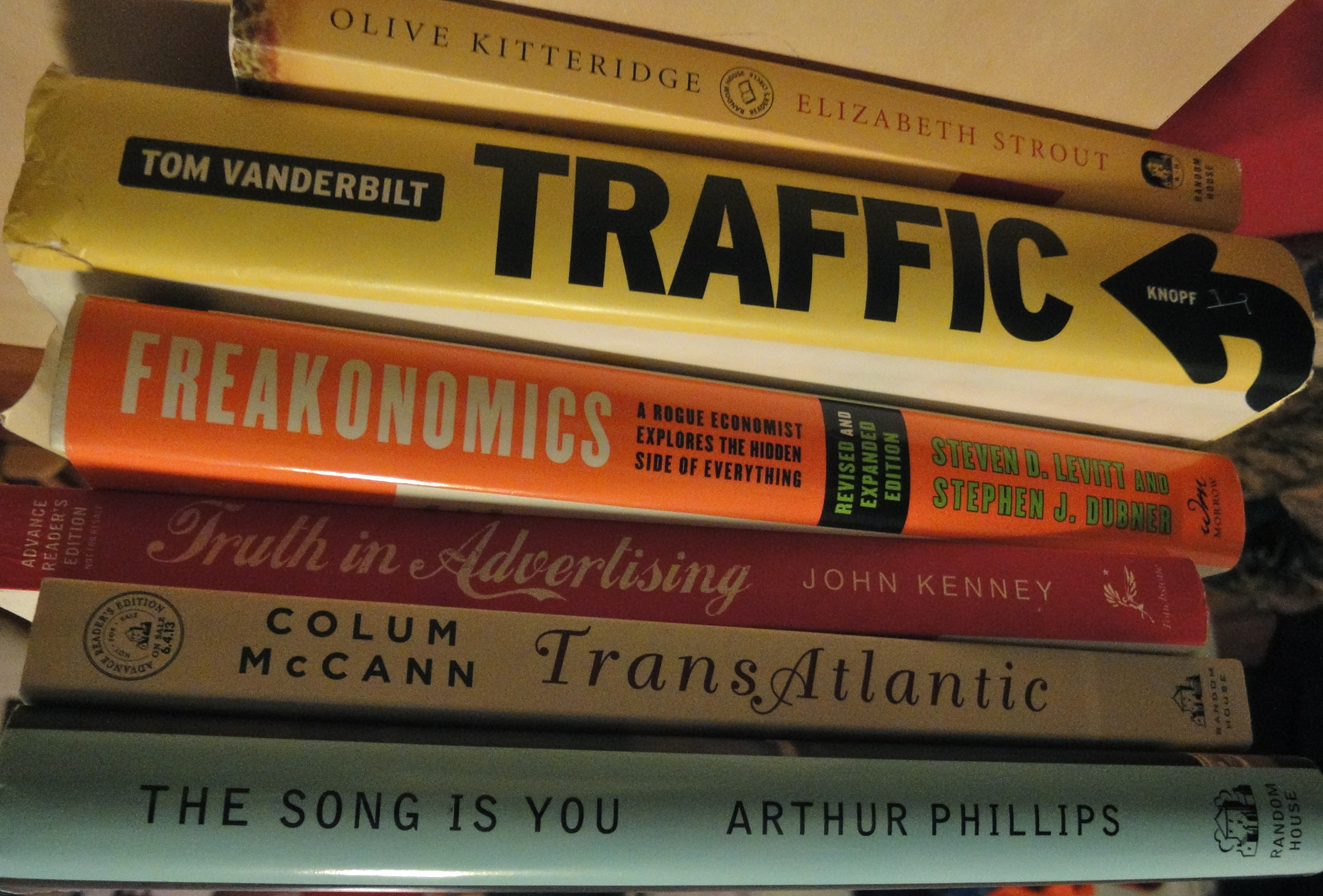
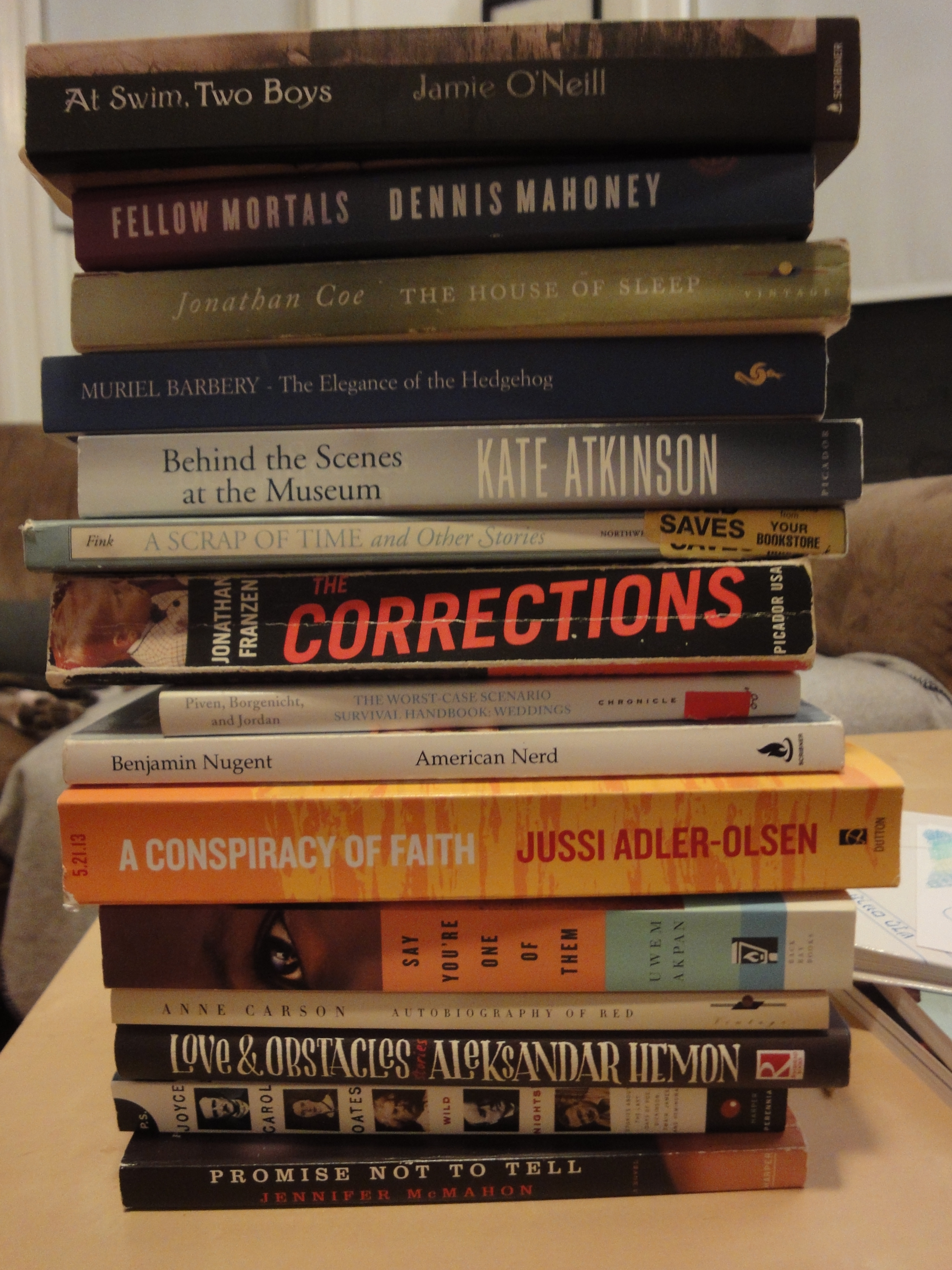
Here are the books I deaccessioned (fancy word for “got rid of”) or am deaccessioning soon:

DSC06080

Of the books in the photo above, I read Olive Kitteridge, TransAtlantic, The Song Is You, and about half of TrafficThe others remain unread (by me).

DSC06245

Of those in this photo, I read the nine on top, but the five on the bottom went unread.

DSC06081

Of these, I read four and a half. Or thereabouts.

So that’s it, my year in reading. Did you make a bookish resolution? I’m curious to hear.


“Love is easy and strange”: Maggie O’Farrell

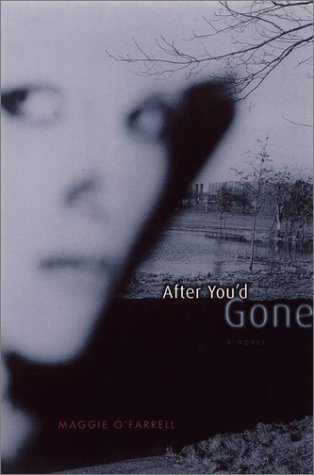
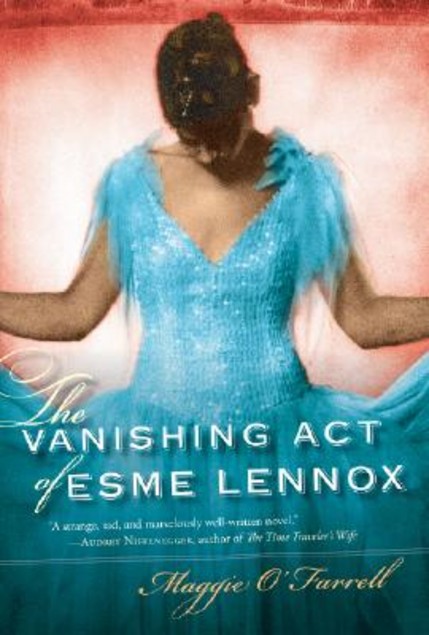
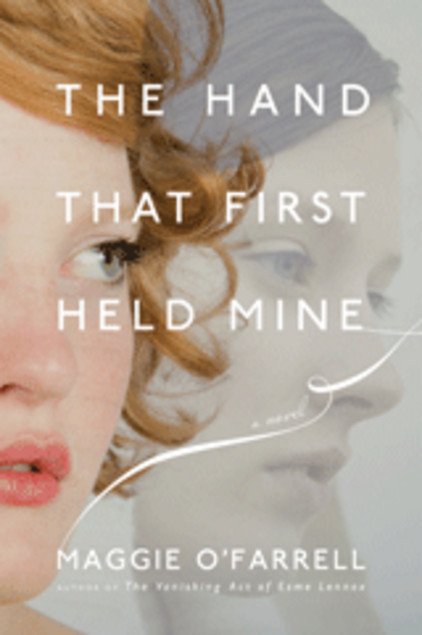
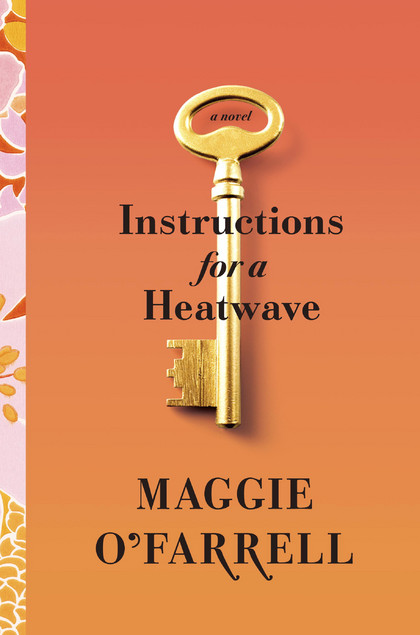
instructionsheatwaveI mentioned Instructions for a Heatwave by Maggie O’Farrell in my previous post highlighting some of my favorite books of 2013 (and a few from 2012). What I did not mention is that, since listening to John Lee narrate Instructions for a Heatwave, I’ve listened to or read every other novel of hers I could get my hands on, starting with The Vanishing Act of Esme Lennox (2006, read by Anne Flosnik), continuing with The Hand That First Held Mine (2010, also read by Anne Flosnik), and most recently, After You’d Gone (2001). Just now I’m waiting for The Distance Between Us (2004) to arrive from another library; after that, there’s My Lover’s Lover (2003), and then I’ll be waiting for her next book just like everyone else, I imagine – impatiently.

Ann Patchett, one of my all-time favorite authors, has said that she writes the same book over and over, and it is true that her books feature characters in situations that are unfamiliar to them, often accompanied by strangers. Agatha Christie wrote mysteries that took place in enclosed environments, such as a small village or a country estate; Jojo Moyes often (though not always) writes love stories that are connected through generations, adding an element of historical resonance and nostalgia. O’Farrell’s gift, talent, or fixation (as Patchett says, I write the book I want to read) is for explosive family secrets – usually something hidden from a younger generation by an older one, slowly uncovered as the two stories are woven together.

afteryoudgoneAfter You’d Gone is an early example of this pattern. Alice Raikes was born in Scotland but is living in London; one day, she takes a train to Edinburgh, where her sisters meet her at the station. However, when Alice goes to the loo, she sees something so shocking that she leaves her sisters, takes a train back to London, and, later that day, steps off the curb into moving traffic. While Alice lies in a coma and her family travels to be with her, Alice’s history and that of her family is slowly revealed. Alice’s mother Ann married Ben even though she did not love him – a fact not lost on Ben’s mother Elspeth – and when Alice learns her mother’s secret, it changes her own relationship to her whole family. This revelation, on top of Alice’s grief over a recent tragedy of her own, leads to Alice’s desperate action. The story is narrated mostly in the third person, but there are a few sections in first person, for no clear reason. This puzzlement aside, the book is almost flawless; though the plot is not as intricate and unguessable as in later books, the pacing and characters are superb.

vanishingactesmelennoxMore than almost any other book I’ve read, The Vanishing Act of Esme Lennox illustrates in heartbreaking fashion the social constraints on women as recently as two generations ago, by juxtaposing Esme’s story with that of her grand-niece, Iris. Iris receives a call one day from Cauldstone Hospital; despite her ignorance of Esme’s existence – her grandmother Kathleen (Kitty) never mentioned siblings – Iris is listed as the elderly Esme’s next of kin. Nevertheless, Iris can’t abandon Esme, so she brings her home with her temporarily. Esme – who doesn’t seem mad at all, despite having spent most of her life institutionalized – is stunned by Iris’ life: her freedom to live alone, wear what she likes, manage her own business, not rely on a husband or father. These were the things Esme wanted for herself, but which were unthinkable in her time, and that situation led to tragedy upon tragedy. Narration is in the third person, alternating between Iris’ and Esme’s point of view, occasionally interspersed with Kitty’s stream-of-consciousness thoughts from within her Alzheimer’s haze. In this way, the reader understands Esme’s story more fully than Iris does, but Iris still understands enough to piece together crucial parts of the past. The story concludes with Esme and Kitty meeting again for the first time since they were teenagers, and a final, shocking event.

handthatfirstheldmineThe Hand That First Held Mine also weaves two stories together from different time periods, but in this case it is less immediately apparent how they are connected. In the mid-1990s (?), Ted and Elina are at home with their new baby, after a horrifying labor and a near-death experience for Elina, the trauma of which she has blocked out. The memories trickle back, however, and having a baby in the house seems to be bringing back Ted’s earliest memories as well; these memories raise questions that Ted’s mother refuses to answer. The answers, of course, lie in the past: in the late 1950s, Lexie Sinclair runs away to London, where she falls in love with Innes Kent. She works at Innes’ magazine and eventually moves in with him, but this makes Innes’ wife Gloria furious, despite the fact that she and Innes are separated. Gloria turns her daughter Margot against Innes and Lexie, with long-reaching consequences for them all. (In fact, when I got to the part where a major piece of the puzzle is revealed, I actually said “Oh my God” out loud.) In The Hand That First Held Mine, O’Farrell’s genius for intricate plotting is breathtaking, and her gift for characterization will leave no reader unaffected.

Of all the reading I’ve done this year, Maggie O’Farrell’s books have been some of the best. Though I wouldn’t want to be one of her characters, I’ll be recommending her books for years to come.

What’s the first thing you remember?

A couple days ago, our library director issued a call for contributions to our annual “staff picks/best books” column for the local paper. I skimmed my LibraryThing catalog to look over what I’d read this past year, disqualifying anything that was published before 2012…and I ended up with nineteen (19)* titles that belonged in my own personal “favorite” category.

*Compiling the “other favorites” list at the end of this post, I added a few more.

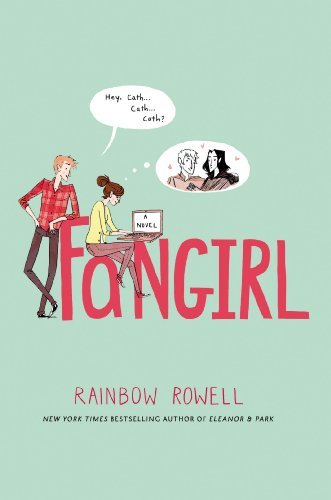
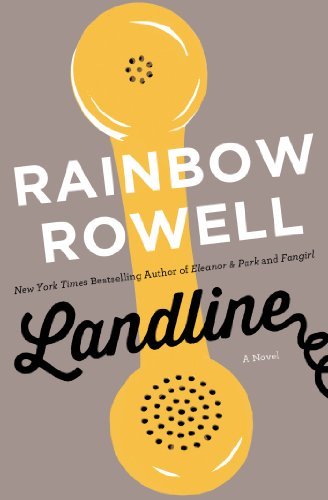
fangirlFor my contributions for the column, I excluded YA books because many of us on staff – including, of course – the YA librarian – read and love YA, and I figured the books I would write about (Every Day by David Levithan, Eleanor & Park and Fangirl by Rainbow Rowell, Wonder by R.J. Palacio, The Raven Boys and The Dream Thieves by Maggie Stiefvater, Code Name Verity by Elizabeth Wein, and Just One Day by Gayle Forman) are the ones they would write about also.

I still couldn’t possibly narrow it down to fewer than five. Here’s what I wrote about my choices (below), and after those are the rest of the list.

Instructions for a Heatwave by Maggie O’Farrell
O’Farrell’s sixth novel is set in London during the legendary heatwave of 1976. Robert Riordan goes to get the paper one morning and disappears; his wife, Gretta, is frantic, and calls their three grown children home. Misunderstandings between siblings are resolved and buried secrets come to light, but the true genius of this book is how deeply the reader sees inside each character, while the characters lack that same insight into each other.

feverFever by Mary Beth Keane
I’m afraid this brilliantly imagined work of historical fiction did not receive the buzz it deserved. Keane brings Irish immigrant Mary Mallon, a.k.a. “Typhoid Mary,” to life in early 1900s New York, and creates a portrait of a woman whose calling was cooking, but whose cooking was lethal. For perhaps the first time, readers will have sympathy for Mary.

The Smartest Kids in the World by Amanda Ripley
Ripley follows three American exchange students through a year in Finland, Poland, and South Korea – all countries whose PISA scores have shot up over the past decade – to investigate how these countries have improved their education systems and whether the United States can adopt a new approach successfully. The writing is lively and clear, the research is solid, the results are not tremendously surprising – it comes down to teachers and rigor.

lifeafterlife_atkinson

Life After Life by Kate Atkinson
Life After Life is like the movie Sliding Doors, but with more doors; protagonist Ursula Todd tries them all, dying and being reborn into her same life again and again. Born in England in 1910, Ursula lives through (or doesn’t) World War I, the Spanish flu, World War II and the Blitz. It’s historical fiction, time travel, and philosophical what-if all rolled into one masterful book.

The Impossible Lives of Greta Wells by Andrew Sean Greer
“The impossible happens once to each of us,” the story begins. Greta in 1985 is grieving: her twin brother is dead of AIDS and her lover has left her. But then Greta wakes up in 1918, and then in 1941. In each time, she is herself, in the same apartment, with the same friends and family, but their relationships are different. As Greta cycles through three selves – in 1918, 1941, and 1985 – she eventually realizes she must decide whether to return to her present, or stay in the past. Toward the end of this beautiful book, she concludes, “What is a perfect world except for one that needs you?”

happymarriage

Other nonfiction favorites:
Lean In by Sheryl Sandberg
This is the Story of a Happy Marriage by Ann Patchett (essays)
I Don’t Know by Leah Hager Cohen
The Reason I Jump by Naoki Higashida, translated by KA Yoshida and David Mitchell
Just My Type: A Book About Fonts by Simon Garfield
Dear Friend: Rainer Maria Rilke and Paula Modersohn-Becker by Eric Torgersen (1998)

oceanattheendofthelane

Other fiction favorites:
The Ocean at the End of the Lane by Neil Gaiman
Sisterland by Curtis Sittenfeld
Me Before You by Jojo Moyes
The Aviator’s Wife by Melanie Benjamin
Z: A Novel of Zelda Fitzgerald by Therese Anne Fowler
The Vanishing Act of Esme Lennox and The Hand That First Held Mine by Maggie O’Farrell
Astray by Emma Donoghue (short stories)

gogiants

Poetry:
Go Giants by Nick Laird
Aimless Love by Billy Collins
Dog Songs by Mary Oliver

Here are last year’s favorites.

The title of this post is a line from Tom Stoppard’s play Rosencrantz and Guildenstern Are Dead.

David Levithan and Rainbow Rowell at Brookline Booksmith

The Monday before Thanksgiving, I trekked across the river to Brookline to see David LevithanRainbow Rowell, Bill Konigsburg, and Paul Rudnick at the Booksmith. Each author read from one of their books: Rudnick read from Gorgeous, Konigsburg from Openly Straight, Rowell and Levithan from Fangirl (hers) and Two Boys Kissing (his). This might be the first time I’ve seen a pair of authors do a joint reading like this – Levithan made a very funny Levi – and they seemed like they were really having fun (though maybe YA authors just have more fun, in general).

DSC06152

After the readings, they opened up Q&A right away. Here are some snippets:

Levithan, on the 10th anniversary of Boy Meets Boy: “Boy Meets Boy was about creating reality. With Two Boys Kissing I wanted to write something that reflected reality.”

On a reaction to Rowell’s decision to write a novel about college-age characters: “‘College students don’t read.’ I know, be offended, write a letter! ‘Nobody wants to read about college students.’ But I don’t think of writing for one specific audience.” And, she added, readers often want to read about characters a little bit older than themselves (e.g. high school students would be interested in reading about college students).

On the extra pressure Levithan felt for his novel Love is the Higher Law: “You write a bad book, that’s okay. You write a bad book about 9/11, that’s bad.”

Levithan, on writing the character A in Every Day: It was less difficult than he expected; “[When you] take gender out of the equation, sexual orientation doesn’t exist.”

Rowell, on humor in writing: “Funny is subjective.” If a joke she wrote made her laugh, she fought to keep it in the manuscript, even if her agent or editor wasn’t sure about it.

Rowell, on why she chose the physical appearances for Eleanor and Park that she did (chubby and red-headed, and half-Korean, respectively): “You make the decision and you don’t always know where it came from, but it comes from somewhere.” And on attractiveness and attraction: “Attraction happens between two people. That’s it. Two people become attractive to each other.”

Levithan, on making stuff up: “If you’re a writer you make up everything. You’re always being presumptuous.”

On Rowell’s jealousy of the Harry Potter/Internet generation: “Fanfic writers have different rules than published authors.”

Rowell, on writing: “The more you do it, the better you get.”

Levithan, on writing: It’s like the cello. No one expects you to pick up a cello and play a concerto your second time playing. It’s like a muscle you have to develop and strengthen with practice. “Allow yourself to fuck up a lot…Don’t put an expiration date [on your writing], just keep going.”

Someone asked, “What happens when The Lover’s Dictionary Twitter account (@loversdiction) reaches the letter Z?” Levithan said he’s going to wait and see how Sue Grafton (A is for Alibi) handles it, because she’s going to get to the end of the alphabet first. The Twitter account, which he started as a promotion for the book’s release, is now longer than the actual book. He’s currently on the letter G (“Good, adj.: You should choose this so much that it no longer feels like a choice”), and expects to be done in a decade or so. (On losing track of time: “Isn’t 2013 like twelve years from now? No, it’s not.”)

After the Q&A, the authors signed copies of their books. Here’s my new paperback copy of Every Day:

DSC06155


And here’s my new hardcover of Eleanor & Park. The first time I “read” it was the audiobook – and Rebecca Lowman is superb – but I’m looking forward to reading it again in print.

DSC06154


Of course, I already do love them.

The dog, however, is less impressed. Here she is in the background of the title page of Every Day:

DSC06156

She’d be more impressed if she could read, though. (Or if paper tasted more like chicken. But I’m very glad it doesn’t, or none of the books in my house would be safe.)

Anyway…YA books! Read them! Especially these ones.


Media Consumption Assignment

Catching up on those blogs that I read regularly but not every single day, I saw this post from Dan Gillmore at Mediactive: “My Media Habits: One Day.” Gillmore teaches a course in media literacy at Arizona State University, and this was his assignment for his students (and himself):

For one full day, keep track of your own media consumption.  I don’t care if it’s reading a newspaper (in print or online), TV or radio program (broadcast or online), Facebook, YouTube, blogs, Twitter or anything else. Take notes. Then, do a blog post on your own impressions of how you get information and entertainment. For example, what are your main sources of news? Why do you trust them (if you do), and which do you trust more than others? Do you go to news organizations’ home pages or do you mostly read articles via links from other places, such as Facebook? A key question: What do you think you might be missing? Do you care? In general, I want you to explore your own use of media as a consumer. (We’ll look at media creation later on in the course.)

I decided I would do the assignment also. I chose a weekday that I was off work (November 8), and here’s what it looked like:

~9:30-10:30am: Checked e-mail, Twitter, Feedly (webcomics including xkcd, food blog Smitten Kitchen, etiquette blog Emily Post, friend’s blog post that included a link to a piece in Ploughshares Literary Magazine, which I saved to read later). Finished reading an interview (Neil Gaiman interviewing Lou Reed) that a friend had sent me a few days ago. I have a separate e-mail folder (Unroll.me) for newsletters, etc., and I get daily e-mails of headlines from The New York Times and Boston Globe there. I added photos to a blog post for work (about six-word memoirs) and published it (I suppose that’s creation, not consumption). Glanced at Facebook notifications, didn’t click any links or spend more than a minute on the news feed page. Also from Unroll.me folder: Goodreads with updates on what friends have read or added, Publishers Lunch newsletter. Did not check weather (I usually use weather.com), and was surprised by some hail later in the day.

substitutions

~12:30pm: Read a few pages of This Is The Story of A Happy Marriage by Ann Patchett.

~4:30pm: Used Amazon to look up the title of a book someone recommended to me over coffee; requested the book through my library catalog. Used Scrivener to figure out a typeface, then replied to a thread on Twitter; followed a link from Twitter and read an article from The Atlantic. Used Feedly to read the three most recent posts on Copyfight, skim the last few days of posts from Cory Doctorow on BoingBoing, and read the most recent three posts on Dooce.

~9:00-10:30: Read more of the Ann Patchett book; watched two episodes of 30 Rock (final season) from Netflix.

I’ll answer Gillmore’s questions one by one, starting with…

What are your main sources of news? nytlogo379x64

The New York Times and the Boston Globe, but primarily the NYT. Also, fairly often: the Washington Post, The New Yorker, The Atlantic, The Guardian (UK), Slate, BoingBoing, Wired, TechCrunch, and NPR. If it is a local news event, I’ll check the Patch.

Why do you trust them (if you do), and which do you trust more than others?

Many of the publications I read online have a long history in print. I trust that the journalists used sound and ethical methods, the articles have been edited for copy and content, and the facts have been checked (though some error is inevitable, especially with the pressure of the 24-hour news cycle). Reputation is part of it, but consistent quality is also important.

Do you go to news organizations’ home pages or do you mostly read articles via links from other places, such as Facebook?

For the Times and the Globe, I get daily e-mails of the headlines. The Globe tends to be sports-heavy, but the Times includes the first three headlines of each section of the paper, so that gives a broader overview (on November 8, I noticed headlines about trans fats, health care, food stamps, and the Twitter IPO). I will occasionally click links from Facebook, but I’m not on there very much. I’m more likely to click a link from Twitter, where I follow a few friends but mostly literary sources (booksellers, librarians, publishers, authors, book bloggers) and related people/organizations (ALA-OIF, EFF, etc.).

What do you think you might be missing? Do you care? 

I realize that most if not all of my usual sources have a liberal slant (anywhere from moderate to pronounced), so I’m not getting articles from a conservative point of view (though I am seeing the liberal reaction to conservative views and actions). I tend to read multiple articles on the same topics over time; there are topics I will pass over entirely, and certain issues I follow closely.

Also, nearly all of my media consumption is through the written word, whether online or in print (we get The New Yorker and Rolling Stone at home); I rarely see TV news, and only occasionally do I hear radio news (except for NPR’s weekly news quiz show, “Wait Wait…Don’t Tell Me,” which isn’t exactly news itself). Though I wish I had time to read more in-depth, long-form journalism from international sources, I feel like I get a good enough overview from my daily sources and frequent nonfiction books.

LibraryThing vs Goodreads, redux

Back in April I wrote about transitioning from Goodreads to LibraryThing after Amazon bought Goodreads. The transition was a bit halting, but I have now more or less stopped updating my Goodreads account (though I still contribute to my library’s account for readers’ advisory purposes) and shifted all my activity over to LibraryThing.

Though both Goodreads and LT are social reading sites, they are different in a number of ways. For example, let’s look at the messages on their home pages, before sign-in. Here’s Goodreads:

goodreads_home_logo

And here’s LibraryThing:

LT_home_logo

Goodreads (“Meet your next favorite book”) is encouraging readers to find new books to read, through lists (“shelves”), ads, and other users’ reviews. LibraryThing, on the other hand (“A home for your books…A community of book lovers”) emphasizes its cataloging quality and its user community.

There are a variety of uses for social reading sites (and by no means are Goodreads and LibraryThing the only choices), but my primary uses are (in descending order of importance):

  1. Keep track of what I’ve read and what I want to read.

  2. Write and store reviews and notes on the books I’ve read.

  3. See what my friends are reading and read their reviews.

I also appreciate the chance to get the occasional early review copy (I’ve gotten one or two from Goodreads over the past six years, and at least four from LT over the past year), and the serendipity of connecting with authors (more than once, authors on Goodreads have contacted me after I’ve written a review of their book: one ended up attending a book club meeting, and another gave a presentation at the library).

So, how do the two sites compare? Let’s go point by point.

Keep track of what I’ve read and what I want to read. I’m certainly able to do this on both sites. Goodreads has “read,” “currently reading,” and “to-read” shelves, whereas LibraryThing has “to-read” and “currently reading” collections (everything else is, by default, “read”). I like Goodreads’ “date added” sorting option, but I like that LibraryThing offers different display styles.

LY_styleoptions

Write and store reviews and notes on the books I’ve read. One of LT’s aforementioned display styles includes reviews – so you can see all your reviews at a glance, rather than having to click into each book’s record. You can also click directly into the review to make any edits. There is no way to skim all your reviews in Goodreads.

See what my friends are reading and read their reviews. Goodreads has a clear advantage here, because most of the people I know who are on a social reading site are on Goodreads. I’m not that interested in reading strangers’ reviews, but I do like seeing what my friends are reading. Fortunately, I still get e-mails from Goodreads with updates that include friends’ reviews.

goodreads_greenbuttonIn terms of function, then, the sites aren’t all that different. Though I’m committed to LT now, I still don’t find it as intuitive or user-friendly as Goodreads (though, like most LT users, I’m not a fan of Goodreads’ dreaded green button).

LibraryThing organization

Even after a few months of using LibraryThing, I still don’t navigate it effortlessly. The font is absolutely tiny, which leads to a cluttered appearance. Searching within your library takes a second or two longer than I’d like to return results (yes, I’m impatient). The organization also takes some getting used to – the Home tab shows your most recent books, but if you click into a book’s record from there, it just shows metadata and other users’ reviews, not your review or when you started or finished the book; that information is under the Your Books tab (this is where you can choose your own display style).

There’s a separate tab to Add Books, and when you search, there’s usually only one edition of the book, whereas Goodreads lists all of them (hardcover, paperback, mass market, audiobook, various publishers, etc). However, if you put in the ISBN of the specific edition you’re looking for, it will show up.

The other tabs – Groups, Talk, Local, More, and the mysteriously named Zeitgeist (“more information than you require,” indeed, though it’s probably useful/interesting for some) – I don’t use often, though I probably should look at the Local tab more often to see what’s going on. It’s customizable too, so you can choose your favorite bookstores, libraries, or other literary venues to see what authors might be in town. The More tab includes the link to Early Reviewer books.

Stats are accessed from the Home tab; I don’t look at stats that often, just a few times a year, but LT presents them pretty creatively. For instance, my library (which, to be fair, includes books on my “to-read” shelf as well as those I’ve read and am currently reading), if stacked book upon book, would be slightly taller than the Great Pyramid, slightly shorter than the Washington Monument. The value of its weight in gold would be $22,173,471. Goodreads data, on the other hand, is a bit more straightforward – number of books read in a calendar year, number of pages read, etc. I wish LT had these types of numbers as well.

Overall, I’m not thrilled with LibraryThing, but I’m going to stick with it because it isn’t owned by Amazon, which means my personal data isn’t being harvested (at least not so rapaciously and overtly). Perhaps some of the things that irk me about it will change, and more of my friends will join over time. Till then, it does what I need it to do.

Recaptains to the rescue

allegiantAllegiant, Veronica Roth’s third and final installment of the trilogy that began with Divergent, has finally hit the shelves (and promptly been snatched up by eager readers). I’m still waiting for a library copy, but in the meantime I needed to refresh my memory of the first two books. I’m in the habit of writing reviews of nearly everything I read, and indeed I wrote about Divergent and Insurgent, but with series there are always details that fade, and I try not to give away the ending in my reviews. However, I also don’t want to re-read all the preceding books in a series every time a new one comes out, so what to do? (Hannah Gomez at The Hub has one solution, but I don’t have the willpower for that.)

Recaptains to the rescue! I forget where I originally heard about the Recaptains. (If it was you who told me about them, please let me know. I have a feeling it may have been via Maggie Stiefvater, who wrote the recap for her own book, The Raven Boys.) The Recaptains, as the name suggests, write recaps – not reviews – of series books, including spoilers to help those who read the first book(s) but want a refresher before starting the next in the series.

If you, too, are waiting for a copy of Allegiant, here are the recaps of Divergent and InsurgentThey aren’t perfect, but they serve their purpose. And if you’ve read them both but still aren’t sure about continuing on with the final book, the FYA review of Allegiant is pretty safe (no major spoilers).

Lost in Austen

For my 201st (!) post on this blog, I’m going to take the unprecedented step of writing about a TV show (well, mini-series) instead of a book.

lostinaustenOn a co-worker’s recommendation, I checked out Lost in Austen, a  British (ITV) miniseries from 2008. The premise: Amanda Price is a modern-day young British woman with what seems to be a rather boring job and a less-than-romantic boyfriend; Amanda finds romance in the pages of Pride & Prejudice instead. Right after her boyfriend proposes (about as un-romantically as possible, while still being sincere), Amanda discovers Elizabeth Bennet in her bathroom. Lizzie has entered through a door that used to go nowhere, but now is a portal (sometimes) between Amanda’s bathroom and the attic of Longbourn, the Bennets’ house, right when Pride & Prejudice is about to begin. Lizzie, entranced with the electric light in the bathroom, desires to stay; Amanda goes through the little door/portal, it shuts behind her, and voila: the two have changed places.

From this point on – until nearly the end of the miniseries – the viewer stays with Amanda in P&P, with no idea what Lizzie’s up to in present-day London. This is a significant choice, as most switcheroo stories go back and forth about equally between the two characters. However, Lost in Austen focuses on Amanda (“Miss Price”) as she royally screws up how the story is supposed to go, despite her best efforts to make everything happen the way it does in the book.

Quibbles:

  • If I were Amanda, as soon as I realized where/when I was, I would endeavor to obtain some period clothes ASAP. Instead, she blunders around wearing a leather jacket, a vivid purple top with studs, pants, boots, jewelry, and makeup. Eventually she does start wearing some of Lizzie’s clothes, but she rejects one of the Bennet sisters’ (Jane or Lydia, I forget which) offers to do her hair, and she continues to wear makeup (did she have a kit with her?). 
  • At one point, Lizzie slides a letter under the still-locked portal/door, which Amanda brings to Mr. Bennet. (Amanda and Lizzie have concocted some story that Lizzie went to stay at Amanda’s place in Hammersmith, while Amanda came to visit Longbourn, chalking this up to a cute miscommunication.) However, it never seems to occur to Amanda that she might be able to communicate with Lizzie the same way (i.e. letter-under-the-door), even though she’s desperate for her to come back and fix the story.
  • Late in the series, Amanda gets fed up and rips up her beloved paperback copy of P&P, scattering the pages all over Pemberley. Darcy finds them and accuses her of being the author, despite the fact that he can’t possibly have failed to notice the difference between that book (its paper quality and its type, even if he didn’t see the page with the cataloging-in-publication information) and contemporary (to him) books.
  • Finally, despite all of the changes from the original story, Austen’s text doesn’t change to reflect it. This would seem to violate one of the rules of time travel in literature, but because the Bennets et al. were supposed to be fictional to begin with, maybe that’s the loophole. Regardless, P&P still features Elizabeth, not Amanda.

According to IMDB and Rotten Tomatoes, Lost in Austen got about 70% approval from viewers, which isn’t bad. Forever Young Adult liked it more than I did too (see here and here), so perhaps it was just really that Amanda’s bangs (“fringe,” if we’re being British) and constant reapplication of lip gloss irked me. All in all it was okay, but for a real Austen fix I’d just go back to the BBC miniseries, or even the 2005 movie adaptation. Hugh Bonneville makes a good Mr. Bennet, though.

(I realize that most of this “review” is made up of quibbles. I’m not always so critical about TV, and I don’t even believe that the book is always better than the movie in cases of adaptations. I mean, usually the book is better, but not always.)

NELA 2013, Part 4: Information literacy

In addition to all of the great material on the NELA conference blog recapping various sessions, my colleague Linda posted a rundown of the sessions she attended, and of course the Swiss Army Librarian wrote a recap as well (he also contributed to the conference blog). Both Linda and Brian’s posts are concise and informative.

In my previous three posts about NELA, I neglected to list the sessions I attended (normally I post more chronologically!), so here’s the belated list:

Sunday
1pm Keynote address: Rich Harwood
2pm The Art of the Ebook Deal: Jo Budler, sponsored by the Information Technology Section (ITS)
3:45 Table Talk: Engaging the Library in Long-Range Planning, with Mary White (formerly of Robbins Library!)

Monday
8:30am BYOD: Supporting Patrons’ Devices in the Library, sponsored by the ITS (unfortunately, this conflicted with Library Trends: Pew Research, and I heard Lee Rainie was an amazing speaker; there were also some great tweets coming out of the Rating Library Materials: Censorship or Guidance? session at the same time)
10:45 Not Your Average Book Group
12:30pm Culture and Collaboration: Speaking the Language of Faculty, with Laura Saunders
2pm Censorship on the ‘Net 2013, with Melora Ranney Norman, sponsored by the Intellectual Freedom Committee (IFC)
4:30pm Outreach to Queer Communities: Successes and Challenges
6pm Visit to Portland Public Library

The links above mostly go to one of my or Brian’s recaps on the conference blog, or to the description of the session on the official conference site (which in many cases include links to the presenters’ materials, such as slides or handouts). I noticed no one had written about Laura Saunders’ presentation, so my recap of that is below (also cross-posted to the conference blog). No one had covered Melora Norman’s session either, so I wrote a brief post about that on the conference blog as well (see link above).

I think that will be all for my NELA posts, but I can’t guarantee it…I may need to write about ebooks some more, because Jo Budler was awesome.

Laura Saunders, Culture and Collaboration

The ACRL defines information literacy as “a set of abilities requiring individuals to “recognize when information is needed and have the ability to locate, evaluate, and use effectively the needed information.” Though the term “information literacy” itself is somewhat problematic and can be off-putting to some, most faculty recognize its importance. Despite the agreement about the importance of IL, many college students are not as prepared as faculty would like. The library fits into the larger mission of the university, providing an opportunity for collaboration in this area. However, the reality is that most IL instruction is covered in “one-shot” classes or within General Education (GE) requirements; there is a lack of assessment, a lack of time devoted to it, and a lack of faculty buy-in (they agree that students should have the skills, but aren’t so sure it’s their responsibility to teach them).

Who is responsible for doing what? Where does the library fit into curricular support? Though IL instruction is often covered in GEs, Saunders suggested it might be more useful to move it into the individual academic disciplines. There are “cultures within cultures,” she found when she surveyed faculty, asking, “Do you think information literacy is different in your discipline?” Common concerns include searching for and evaluating information sources, but different kinds of information are preferred in each field (primary vs. secondary sources, for example).

Most IL instruction sessions, however, are structured the same way: most of the time is spent on finding sources, not evaluating them. In an oft-retweeted phrase, “The role of the librarian is to turn students into skeptics.” Often, though, students aren’t skeptical enough. In the words of one faculty member from Saunders’ survey, “The idea of digital natives is such a lie.” Indeed, Project Information Literacy (PIL) has found that students value convenience over quality.

How, then, can librarians improve information literacy instruction? Talking to faculty is the most important step, Saunders said. Anticipate the needs of the faculty, know their concerns, talk to them about what they’re interested in, target your message to their discipline. Students must realize that finding information is only the first step, and just because something is peer-reviewed does not mean it’s 100% reliable; evaluation (“thinking”) is still necessary.

Saunders had excellent slides to accompany her presentation; I didn’t get a chance to write down the details of her data, and the material isn’t up on the conference site (yet). Meanwhile, PIL has lots of great data, and Saunders also recommended Rubric Assessment of Information Literacy Skills (RAILS) on track, which is a neat resource. Although this presentation was aimed largely at academic librarians, information literacy is important to everyone, and public librarians ought to be looking for opportunities to help our patrons improve their information literacy skills. (For a start, see my post for the Robbins Library blog, “Can You Trust It?: Evaluating Information Sources.“)

NELA 2013, Part 3: Robbins Library librarians represent

its-kind-of-a-funny-story-posterRobbins Library was well represented on Monday, with two of our librarians presenting on panels during the day. Though the panels themselves were on different topics, both librarians talked about book groups they had started at the library. Linda Dyndiuk started off the “Not Your Average Book Group” session at 10:45 by talking about the “Not So Young Adult” (NSYA) book group she started in February 2012. As the name suggests, this is a group for adults who like to read young adult literature. Though it has thus far attracted mostly women, the age range is dramatic (30s-70s).  The group has been successful, with 20+ people on the mailing list and a core group of attendees; a reporter from the Arlington Advocate interviewed Linda for a story (“Arlington adults share love of young adult literature“). Other presenters included Theresa Maturevitch from Bedford (MA) Free Public Library, who runs a cookbook book club complete with cooking demonstrations; Sophie Smith, from Nashua (NH) Public Library, who runs an adult summer reading program; and Sean Thibodeau from Pollard (MA) Memorial Library, who leads a nonfiction book group. You can read Theresa’s notes on the whole session from the first link above.

Check out all of the Arlington Book Groups

qbg-game-night_scrabbleLater in the day, Rebecca Meehan spoke about the Queer Book Group she started at Robbins on the “Outreach to Queer Communities: Successes and Challenges” session at 4:30. Rebecca facilitates the QBG, but it is member-directed; every other month, they have a book discussion, and in the months in between they have a social night with games. Fourteen people of all ages showed up at the first meeting in February 2013, and a core group attends each monthly event. Even if attendance was lower, having flyers for the programs all over the library raises awareness – “now people are really paying attention.” Arlington is a pretty liberal community, but flyers are still torn down from time to time. However, Rebecca pointed out, “We have an unlimited* printing budget,” so she just makes extra flyers. (*Probably not unlimited, but it does stretch to extra flyers.)

Rebecca also talked about the difficulty of finding books by and about the LGBTQIQ community (and about the difficulty of the acronym, which is why she chose “QBG” for her group). She encouraged librarians involved in collection development to order these books and make sure they are on the shelves. Good resources for books include Lambda Literary, and for books, movies, and TV shows, Towleroad, Autostraddle, and AfterEllen.

During the same outreach panel, Lydia Willoughby from Vermont Technical College talked about her work with the Vermont Queer Archives, and Amber Billey from the University of Vermont talked about outreach through dance parties in Brooklyn, San Francisco, and Chicago (see links below).

The Desk Set: “A Hipper Crowd of Shushers,The New York Times, July 8, 2007.

The Desk Set’s Biblioball (to benefit literacy for incarcerated teens)

Inspired by the Desk Set: Que(e)ry Party, to bring attention and support to queer collections and to provide a fun social space for queer information professionals & friends