Mock Newbery: Heavy Medal 2024

The Heavy Medal Award Committee (HMAC) is a Mock Newbery committee organized by Emily Mroczek-Bayci and Steven Engelfried (who have both served on the real Newbery committee previously) and including a mix of librarians (and, this year, one high school student) from all across the U.S.

Readers of the Heavy Medal blog nominate Newbery-eligible titles throughout the year, and eventually the nominees are winnowed down to a final fifteen(ish). Then the HMAC is assembled: every committee member reads all fifteen(ish) books, and each of us write an intro to one of the books on the blog, starting in late December and continuing into January. In the blog post, we consider the ways in which the book meets the Newbery criteria. After all the books are introduced and discussed in the comments, we vote on a final five books to discuss in a live webcast before the actual ALA Youth Media Awards (including the Newbery) are announced.

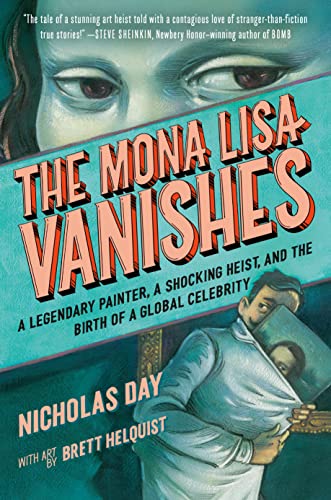
Cover images of HERCULES BEAL, LOST YEAR, FIRST TIME FOR EVERYTHING, MONA LISA VANISHES, THE SKULL

This year, the webcast was Friday, January 19 (you can view the recording here). The ALA YMA are next Monday, January 22, starting at 8 a.m. EST; you can watch the livestream here. (This is like the Oscars for kidlit.)

The real committees do a tremendous amount of reading and engage in carefully considered, thoughtful discussion, and there are always so many worthy books eligible for every award. Just because a book doesn’t wind up with a shiny medal or honor sticker after next week doesn’t mean it isn’t an excellent book. After all, “every book its reader, every reader their book.”

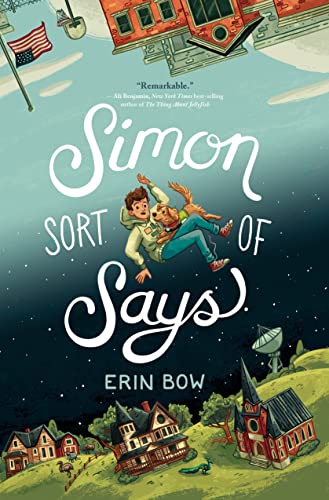
That said…I’m rooting hard for Simon Sort of Says by Erin Bow to win the Newbery this year. We’ll find out on Monday!

2023 Reading Wrap-Up

Every year I summarize a year’s worth of reading here, breaking it down by category and listing some of my favorite titles (not all necessarily published this year). (Also, maybe “summarize” is not the word, as it’s not particularly concise; not only do I not provide a Top Ten overall, I don’t even limit myself to ten per category.) Here’s my mid-year reading round-up from early July, and here’s my 2022 Reading Wrap-Up. Perhaps one of these years I’ll wise up and do it like Betsy Bird does with her #31Days31Lists, but for now, we have this. Without further ado…

Total number of books read: 693

Partially-read/started-didn’t-finish: 27. I browsed through several cookbooks, quilting books, various other how-to nonfiction, books at friends’ houses, poetry, essay collections and collective biographies, and some books I started with the kiddo but she either lost interest in or took off to read by herself. As I tell other readers, it’s okay to put down a book!

Picture Books: 274

  • Telling Stories Wrong by Gianni Rodarisnowhorses
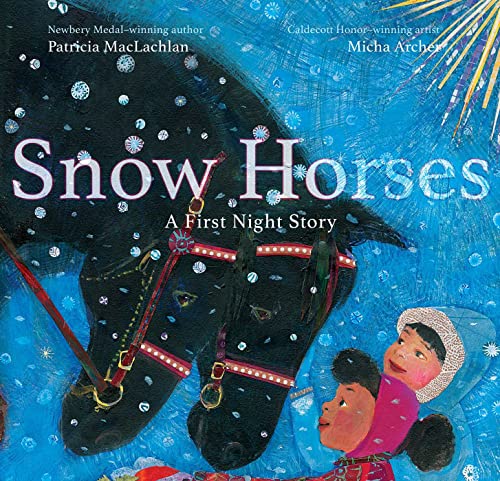
  • Snow Horses by Patricia MacLachlan and Micha Archer
  • Somewhere in the Bayou by Jarrett and Jerome Pumphrey
  • Love, Violet by Charlotte Sullivan Wild
  • Night in the City by Julie Downing
  • The Tree and the River by Aaron Becker
  • We Don’t Lose Our Class Goldfish by Ryan T. Higgins
  • That Flag by Tameka Brown Fryer
  • Evergreen by Matthew Cordell
  • Dim Sum, Here We Come! by Maple Lamohnoaunts
  • Spicy Spicy Hot! by Lenny Wen
  • A Day with No Words by Tiffany Hammond
  • Inside the Slidy Diner by Laurel Snyder
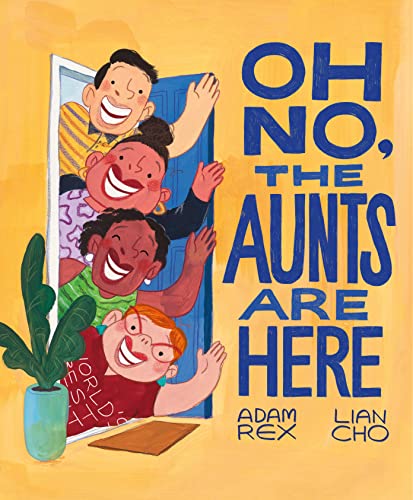
  • Oh No, The Aunts Are Here by Adam Rex
  • The World and Everything In It by Kevin Henkes
  • Real to Me by Minh Lê
  • Elisabeth by Claire A. Nivola
  • How We Say I Love You by Nicole Chen
  • A Bed of Stars by Jessica Love
  • Big by Vashti Harrison
  • Gotta Go! by Frank Viva
  • Are You Awake? by Sophie Blackall
  • How Does Santa Go Down the Chimney by Barnett/Klassen
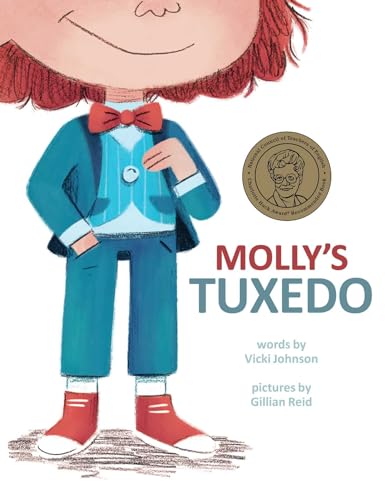
  • Molly’s Tuxedo by Vicki Johnsonmollystux
  • Snail Crossing by Corey Tabor
  • With Lots of Love by Jenny Torres Sanchez
  • The World’s Best Class Plant by Vernick/Scanlon
  • King Sejong Invents an Alphabet by Carol Kim
  • In the Night Garden by Carin Berger
  • The Kitten Story by Emily Jenkins
  • Stars of the Night by Caren Stelson
  • I’m Going to Build A Snowman by Jashar Awan
  • The Three Little Mittens by Linda Bailey
  • Silver Linings by Fiona Woodcock
  • Everything Naomi Loved by Katie Yamasaki
  • Lila Greer, Teacher of the Year by Andrea Beaty
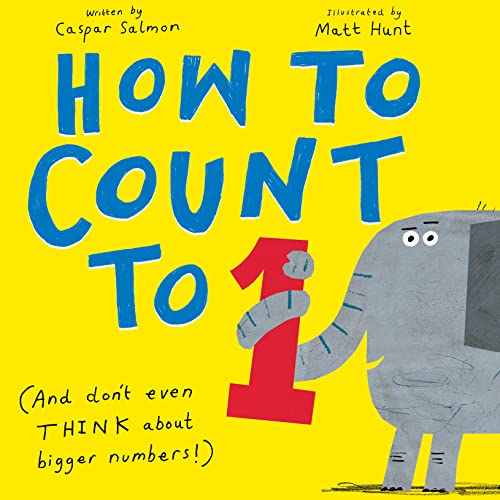
  • How to Count to ONE by Caspar Salmonhowtocountto1
  • Good Books for Bad Children by Beth Kephart
  • I Can Open It For You by Shinsuke Yoshitake
  • Ogilvy by Deborah Underwood
  • If I Was A Horse by Sophie Blackall
  • How This Book Was Made by Barnett/Rex
  • I Am Stuck by Julia Mills
  • Nana in the City by Lauren Castillo
  • Flower Girl by Amy Bloom
  • Hanukkah Upside Down by Elissa Brent Weissman
  • Facts vs. Opinions vs. Robots by Michael Rex
  • An American Story by Kwame Alexander/Dare Coulter
  • Just One Flake by Travis Jonker
  • Mister Kitty is Lost by Greg Pizzoli

Early Readers: 19 (overlap with Chapter Books, Graphic Novels)Cover image of Henry Like Always
  • Sir Ladybug by Corey Tabor (GN)
  • Charlie and Mouse Are Magic (#6) by Laurel Snyder
  • Arlo & Pips by Elise Gravel (GN)
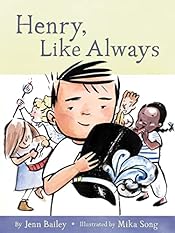
  • Henry, Like Always by Jenn Bailey, illus. Mika Song

Chapter Books: 16 (overlap with Early Readers, Graphic Novels)

  • No More Ear Buns! by Agnes Mathieu-Daudeapthousepoppyhill
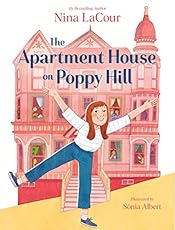
  • The Apartment House on Poppy Hill by Nina LaCour
  • The Story of Gumluck the Wizard by Adam Rex
  • The Skull by Jon Klassen
  • The Princess in Black and the Prince in Pink by Shannon Hale and LeUyen Pham
  • Earwig and the Witch by Diana Wynne Jones

Middle Grade: 162 (overlap with GN, nonfiction)

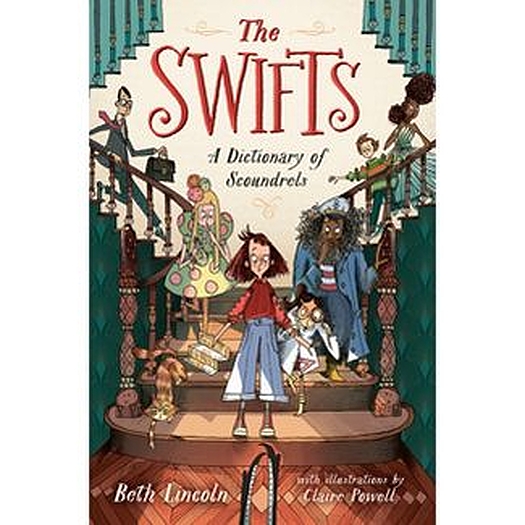
  • The Swifts by Beth Lincolnswifts-lincoln
  • Simon Sort of Says by Erin Bow
  • The Door of No Return by Kwame Alexander
  • The Wild Journey of Juniper Berry by Chad Morris
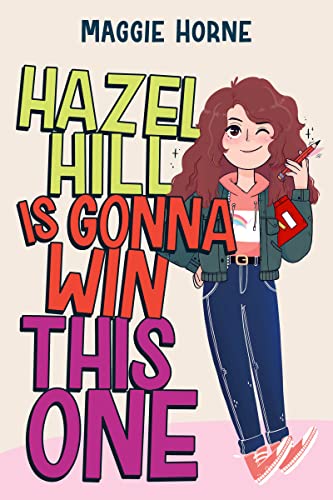
  • Hazel Hill Is Gonna Win This One by Maggie Horne
  • Hidden Powers: Lise Meitner’s Call to Science by Jeannine Atkins
  • The Lost Year by Katherine Marsh
  • Tuesdays at the Castle (series) by Jessica Day GeorgeCover image of Hazel Hill iIs Gonna Win This One
  • Three Strike Summer by Skyler Schrempp
  • Wildoak by C.C. Harrington
  • Jennifer Chan Is Not Alone by Tae Keller
  • World Made of Glass by Ami Polonsky
  • Louisa June and the Nazis in the Waves by L.M. Elliott
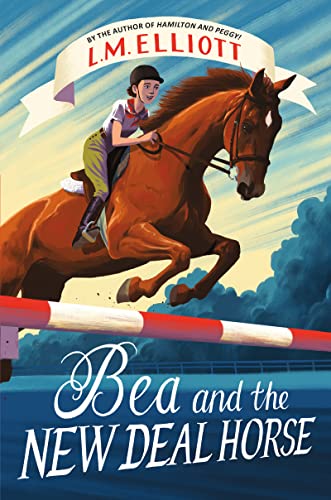
  • Bea and the New Deal Horse by L.M. Elliottbeanewdeal
  • Code Red by Joy McCullough
  • Ana on the Edge by A.J. Sass
  • The Blackbird Girls by Anne Blankman
  • Stand on the Sky by Erin Bow
  • Alone by Megan Freeman
  • Leeva At Last by Sara Pennypacker
  • Elf Dog and Owl Head by M.T. Anderson
  • Mihi Ever After by Tae Keller
  • Wishing Upon the Same Stars by Jacquetta Nammar Feldman
  • Nothing Else But Miracles by Kate Albus
  • The Jake Show by Joshua S. Levy
  • Have Sword, Will Travel by Garth Nix
  • The Witch of Woodland by Laurel Snyderprobabilityofeverything
  • The Lost Library by Stead/Mass
  • You Are Here by Ellen Oh (editor)
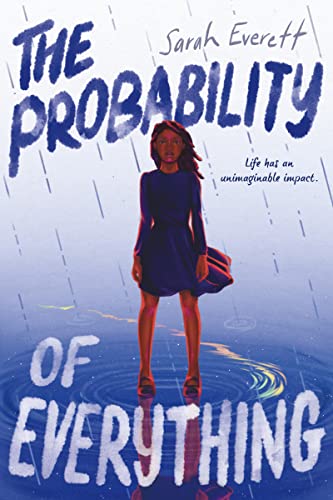
  • The Probability of Everything by Sarah Everett
  • Witches of Brooklyn: Spell of a Time by Sophie Escabesse
  • Greenwild by Pari Thompson

Young Adult (YA): 61Cover image of Enter the Body (overlap with GN)

  • For Lamb by Lesa Cline-Ransome
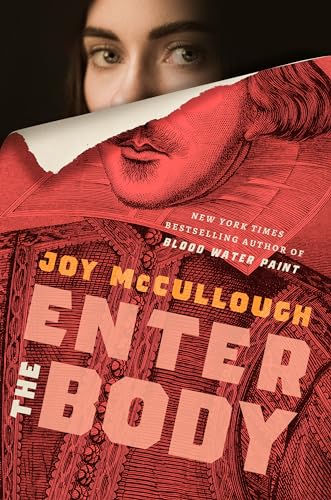
  • Enter the Body by Joy McCullough
  • Your Plantation Prom Is Not Okay by Kelly McWilliams
  • If Tomorrow Doesn’t Come by Jen St. Jude
  • Everyone Wants to Know by Kelly Loy Gilbert
  • A Little Like Waking by Adam Rex
  • Heartstopper by Alice Oseman
  • Chef’s Kiss by Jarrett Melendez
  • Burn, Baby, Burn by Meg Medina
  • Be That Way by Hope Larson

Graphic novels: 118 (overlap with most other categories)

  • Killer Underwear Invasion! How to Spot Fake News… by Elise Gravelsquireknight
  • Heartstopper by Alice Oseman
  • Wait Till Helen Comes by Mary Downing Hahn
  • Arlo & Pips by Elise Gravel
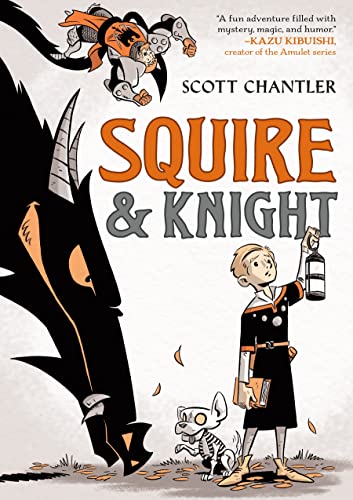
  • Squire and Knight by Scott Chantler
  • Team Trash by Kate Wheeler
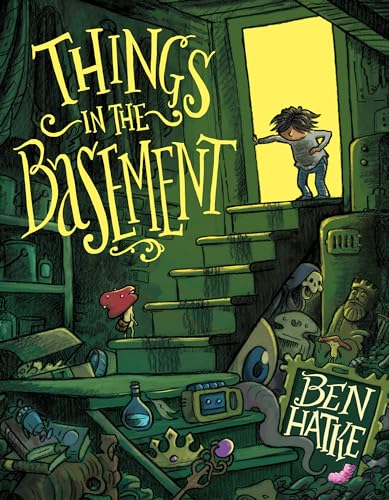
  • Things in the Basement by Ben Hatke
  • Hoops by Matt Tavares
  • School Trip by Jerry Craft
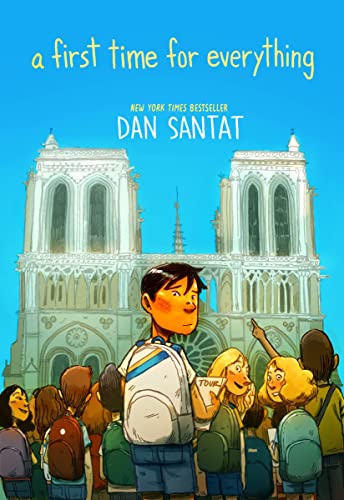
  • A First Time for Everything by Dan Santat
  • Sunshine by Jarrett J. Krosoczka
  • The Secret Garden on 81st Street by Ivy Noelle Weir
  • Three Thieves (series) by Scott Chantlerthingsbasement
  • Parachute Kids by Betty C. Tang
  • Let’s Make Dumplings! by Hugh Amano and Sarah Becan
  • Be That Way by Hope Larson
  • NewsPrints by Xu Ru
  • Maker Comics: Design A Game by Bree Wolf
  • Banned Book Club by Kim Hyun Sook
  • Eerie Tales from the School of Screams by Graham Annable
  • Batcat by Meggie Ramm
  • Nell of Gumbling by Emma Steinkellner
  • Mexikid by Pedro Martinpebblewren
  • Two Tribes by Emily Bowen Cohen
  • Rapunzel’s Revenge by Shannon Hale
  • The Talk by Darrin Bell
  • Squished by Megan Wagner Lloyd
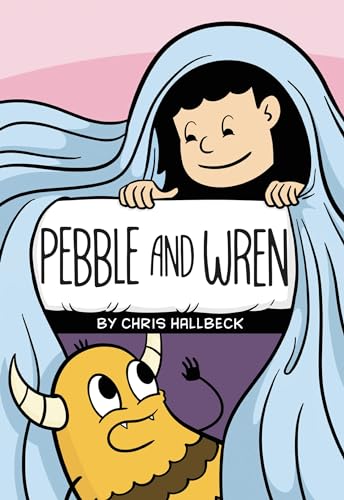
  • Pebble and Wren by Chris Hallbeck
  • 83 Days in Mariupol by Don Brown

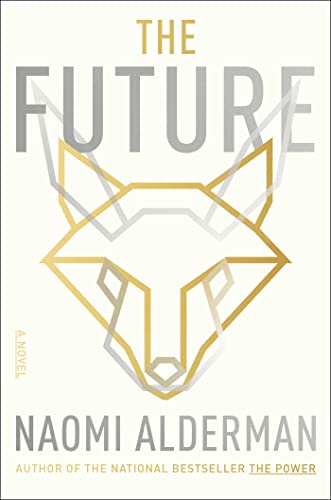
Adult fiction: 43future-naomi

  • The Future by Naomi Alderman
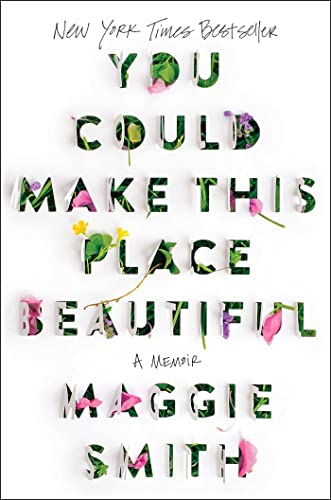
  • You Could Make This Place Beautiful by Maggie Smith
  • Starling House by Alix Harrow
  • The Talk by Darrin Bell
  • Tom Lake by Ann Patchett
  • Small Mercies by Dennis Lehane
  • Demon Copperhead by Barbara Kingsolver

Adult nonfiction: 25freaksgleeks

  • Freaks, Gleeks, and Dawson’s Creek by Thea Glassman
  • A Living Remedy by Nicole Chung
  • How the Word is Passed by Clint Smith
  • Did Ye Hear Mammy Died? by Seamas O’Reilly
  • Accountable by Dashka Slater
  • You Could Make This Place Beautiful by Maggie Smith
  • Growing Up in Public by Devorah Heitner

Children’s nonfiction: 61

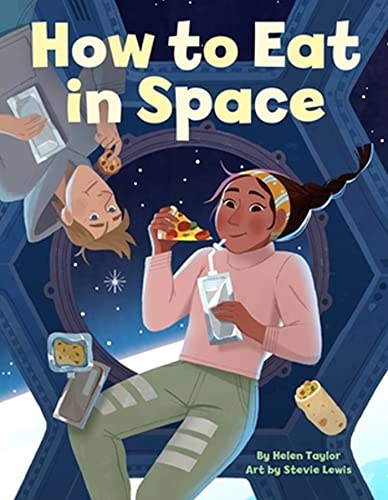
  • A Seed Grows by Antoinette Portishowtoeatinspace
  • The Tower of Life by Chana Stiefel
  • Comics: Easy as ABC: The Essential Guide for Kids by Ivan Brunetti
  • The Fire of Stars by Kirsten Larson
  • Emma’s Poem by Linda Glaser
  • the Whose is THAT? series by Darrin Lunde
  • A Storm of Horses by Ruth Sanderson
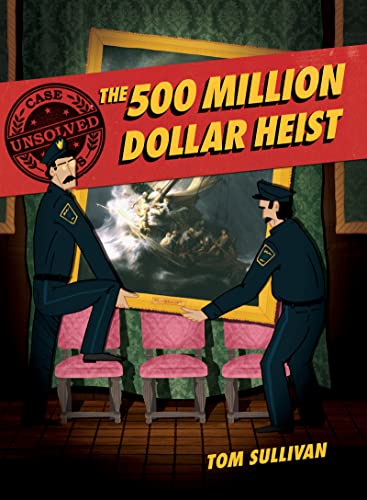
  • The 500 Million Dollar Heist (Unsolved Case Files) by Tom Sullivan
  • The Hole Story of the Donut by Pat Miller
  • Make Way for Animals! A World of Wildlife Crossings by Meeg Pincus
  • The Mona Lisa Vanishes by Nicholas DayCover image of
  • Sew Sister by Elise Matich
  • Fungi Grow by Maria Gianferrari
  • A Place Called America by Jennifer Thermes
  • How the Cookie Crumbled by Gilbert Ford
  • How to Eat in Space by Helen Taylor
  • The True Story of Zippy Chippy by Artie Bennett

Short stories/essays: 13

  • White Cat, Black Dog by Kelly Link
  • Book of Enchantments by Patricia C. Wrede

Audiobooks: 11

Actual number includes re-reads and is higher, due to family car time and at-home audiobook time with the kiddo, as mentioned above. And sometimes I listen to Wait, Wait…Don’t Tell Me! The NPR News Quiz or – less fun – the actual news. Or music. (Especially The Pogues and Sinead O’Connor this fall/winter.) Standout audiobooks include:Cover image of You Could Make This Place Beautiful

  • You Could Make This Place Beautiful by Maggie Smith (“not that Maggie Smith”)
  • The Lost Library by Wendy Mass and Rebecca Stead
  • Odder by Katherine Applegate
  • Nothing Else But Miracles by Kate Albus
  • Simon Sort of Says by Erin Bow (I did warn you I wasn’t going to stop talking about this one)

Five-star ratings: 33

Cover image of Simon Sort of SaysRe-reads: Unknown; I don’t have a good way to keep track. The kiddo listened to all five Mysterious Benedict Society books for what felt like months, and we re-read all of the Dealing with Dragons books by Patricia C. Wrede. I re-read a chunk of Greenglass House by Kate Milford, as I always do toward the end of December, and I certainly revisited favorite picture books at home and at library storytimes. And, after reading Simon Sort of Says in March and refusing to shut up about it since, I re-read it as an audiobook this month and it’s still stunningly good.

WeNeedDiverseBooks: 203, or 33.2%, which is better than last year (again), but still shy of half.

Book reviews: 25+

In my free time (hahaha), I write book reviews for School Library Journal and Kirkus Reviews. I review picture books, graphic novels, middle grade, and occasionally YA. I enjoy reviewing because, of course, I get to read books before they’ve been published, and before I’ve heard anyone else’s opinions on them; and because writing reviews forces me to stick to a strict word count, and try to balance summary and evaluation. This year I also served on SLJ’s Best Graphic Novels committee, which is part of the reason I read more GN this year than last year.

So, that’s a wrap for 2023. Every year brings ups and downs, but we can always count on good books. Here’s to 2024! There are already several titles I’m excited about…. What were your favorite reads in 2023? What are you looking forward to? Does anything on this list pique your interest?

Tis the season for picture books and graphic novels

I developed these two presentations for the senior center, but why not share more widely?

Picture This: Picture-Perfect Gift Books for the 2023 holiday season (or whenever! Books are good 365 days a year).

With an older audience in mind, I focused on recent titles from our current golden age of picture books, from wordless wonders like Aaron Becker’s Journey to Caldecott winners like Sophie Blackall and Matthew Cordell, from nonfiction to humor to holidays. Does a kiddo in your life need a new picture book this month? Sure they do!

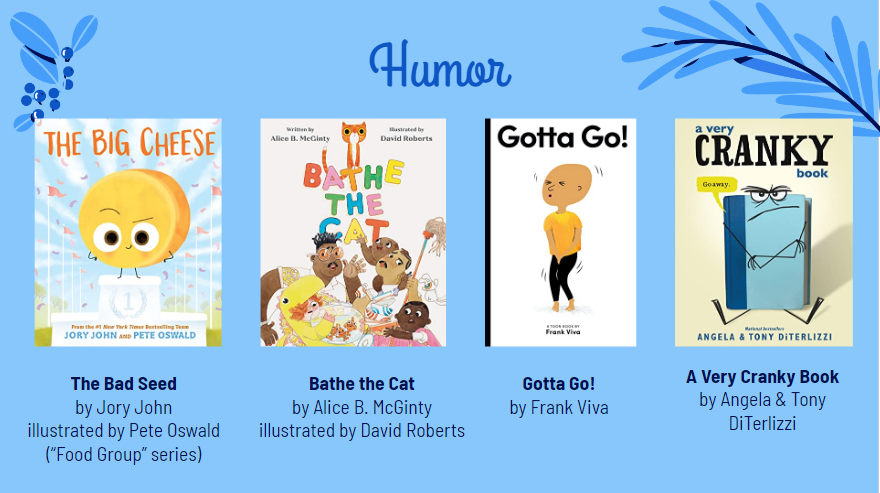
Humor slide from Picture Books presentation: The Big Cheese, Bathe the Cat, Gotta Go, A Very Cranky Book

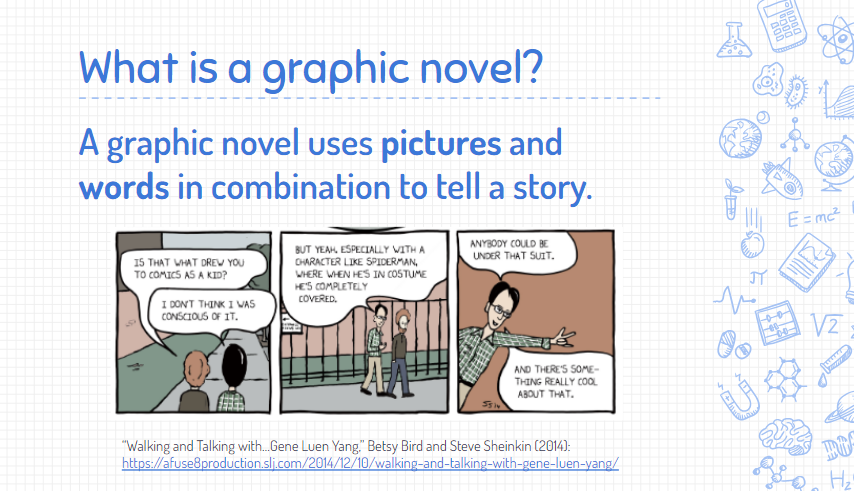
What Are Graphic Novels (and why are they so great)? is an attempt to introduce adult readers to a format that might be new for them, and to dispel the harmful idea that graphic novels aren’t “real” books. (Graphic novels ARE real books! If your kids/students are reading graphic novels, they’re reading! And they probably have better visual literacy skills than you do. While I’m up here on my soapbox, audiobooks are real books, too.)

"What is a graphic novel?" slide from GN presentation

Links will take you to Google Slides presentations. For both sets of slides, I used SlidesCarnival (shout-out to my grad school friend Becca for introducing me to this resource).

Readers, I hope you check some of these books out from the library, or buy (local if you can!). School and public librarians, feel free to copy and remix if that’s helpful to you; please give credit. Neither of these presentations is intended to be comprehensive – just some award winners and lots of my own personal favorites. Happy reading!

MLS Annual Meeting 2023

This year’s Massachusetts Library Association (MLS) Annual Meeting was at Fort Devens, where I have been many times – but only to play in ultimate frisbee tournaments. The meeting involved no cleats, frostbite, or heatstroke, which was an altogether different experience!

After a brief welcome from MLS Executive Director Sarah Sogigian and MLS Executive Board President Anna Bognolo (also the director of the Greenfield Public Library, which has a beautiful new building!), reporter Matt Shearer delivered a morning keynote full of short, funny videos of hyper-local news stories, such as the famous (in internet circles) story of one of the three Market Baskets on Boston Road closing in Billerica, and the sad tale of the Dunkin Donuts-less town of Stow, MA. Matt’s approach to reporting is, “I show up in small towns and try to find something cool.” After much exploring, he has concluded, “It is the people who make these towns special.” He says, “I’m trying to find the things that aren’t getting covered, the people whose voices aren’t getting heard.” And he recommended, when creating content, to have fun with it, and people will find it engaging.

The way that people respond to Matt’s videos – locally and more broadly, as many of his videos have gone viral – makes me think of the decrease in local news coverage over the past few decades, as local and regional papers fold, and people are left to rely on social media (e.g. Facebook, NextDoor) or national papers like The New York Times. This has contributed to a lack of trust in the print media, as there can be such a great distance between the issues that have a real impact on peoples’ day-to-day lives and the issues that national papers cover. Matt’s use of humor helps, too, and his genuine curiosity about people’s lives.

The business meeting was short and sweet, followed by an update from MBLC Director James Lonergan. He urged everyone to continue contacting state representatives to support library budget lines, all of which have seen increases recently. The focus next year will be on continued support for State Aid to libraries, and a bigger increase for the Massachusetts Center for the Book. Lonergan also mentioned MLS’ partnership with Unite Against Book Bans (MLS, MLA, and MSLA are all partners).

UniteAgainstBookBansUniting against book bans tied in nicely to William Adamczyk’s update from the MLA Legislative Committee. There was a hearing on Monday, October 30 that was relevant to several different library interests (you can watch it here), including library access to e-books and digital audiobooks, freedom to read, and protection against book bans. MLA has been working closely with MSLA and with EveryLibrary to have a funded, effective school library program and a licensed school librarian in every school in the commonwealth (see “The Top 5 Reasons for having a Licensed School Library Teacher in Every School“). The Massachusetts Teachers Association (MTA) is in full support of this effort. Another goal is for the MA Department of Elementary and Secondary Education (DESE) to designate a school library point person – someone who understands the importance and value of librarians in schools.

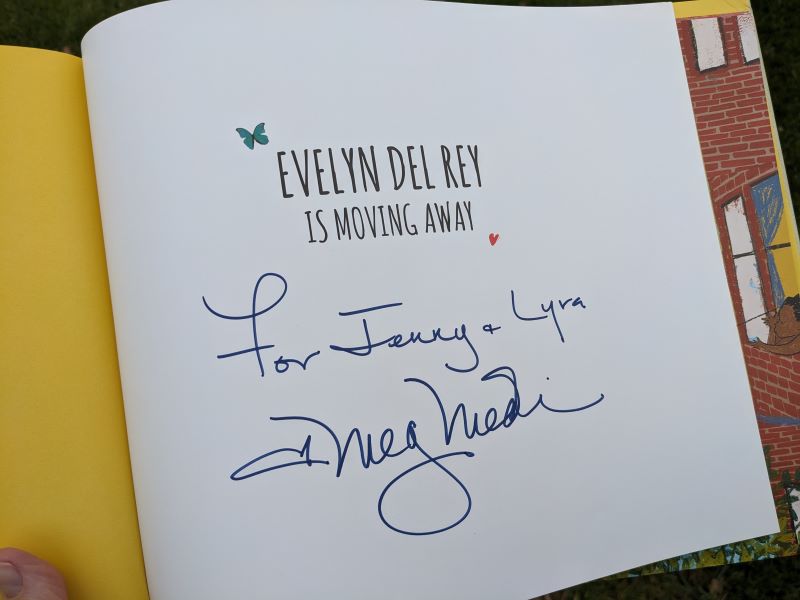
Title page of Evelyn Del Rey, with signatureAfter lunch, it was time for MEG MEDINA! Yes, she’s caps-lock-worthy: she’s the National Ambassador for Young People’s Literature, a faculty member of the Hamline MFA program, and the author of Merci Suárez Changes Gears, which won the Newbery Medal in 2019. She has written two sequels to Merci, as well as picture books Mango, Abuela, and MeTía Isa Wants A Car; and Evelyn Del Rey Is Moving Away. Most recently she has contributed to Chelsea Clinton’s She Persisted series of biographies, with entries on Sonia Sotomayor and Pura Belpré.

Medina graciously answered questions from Christi Showman Farrar and Kristi Chadwick from MLS. Some excerpts from their conversation:

  • When did storytelling start for you? When did you decide to become a writer? Medina’s family moved to the U.S. in the 1960s, due to political turmoil in Cuba; she believes that her family “used story to deal with the trauma of loss of homeland.” She did not begin writing fiction until she turned 40.
  • How do you decide whether the story is a novel, a picture book…does the story tell you what it’s going to be or do you make that decision? A little of both. Tía Isa would have made a funny middle grade novel. “When you sit with a story for a second, your heart sort of tells you the piece of it that matters most, and that helps you navigate” what age to write it for. What matters to you the most in that moment about telling that story?Cover image of Merci Suarez, with Newber
  • When books are published simultaneously (or nearly) in English and Spanish, what is the translation process like? “We have all points of language” in Latino families, with some fluent in English, some in Spanish, some in both. Availability of books in both languages allow the family to experience the story together, in the language they’re most comfortable with. “More language is more people you can talk to.”
  • What was your involvement in the graphic novel adaptation of Yaqui Delgado Wants to Kick Your Ass? Medina said it takes her a while when she sees visual representations of her work, even book covers, because the artist’s representation is always different from what she sees in her head. “I feel about graphic novels the way I feel about movies….This is a new generation and it’s a different art form….[I’m] glad it’s coming to a new generation of readers.”
  • What was the research process like for Burn Baby Burn? “You think you remember everything accurately…you don’t!” It was fascinating to dig into the research, including the NOW archives at NYU, which covered the Women’s March in much more detail than The New York Times. She asked, “Who’s telling the story? And what was omitted?” and added, “That idea of not being erased is vitally important right now.”
  • Question from a school librarian: How do you help teachers who are attached to classics understand that there is so much new talent? You’re not throwing away the classics, but nothing can become a classic if no one reads it. Medina suggested shelf talkers that pair the classic with the new, like Little House on the Prairie with Linda Sue Park’s Prairie Lotus. “Give people a way to think about those books. Give them a way to preserve both, if they must.”

Other questions and answers covered what it was like to get “the call” (from the Newbery committee), what she does in her role as the National Ambassador (“Book friend to America’s children”), outreach to Latino populations, how to get kids passionate about stories, and challenges to youth materials (she spoke to both the Senate and the House).

Thank you, Meg, for coming to our meeting, and for everything you do for children’s literature!

Pajama Storytime

When I started as the children’s librarian, I had to make one change almost right away, taking away the Monday morning storytime because I don’t arrive at work on Monday until 11:30 (then I’m here till we close at 8pm). However, I didn’t want to reduce the number of storytimes, so I decided to try offering an evening one – a pajama storytime! Also, it was a way of expanding access for families who can’t get here mid-morning on a weekday. I wasn’t sure if it would take off, but I spent a month talking it up, and attendance has been good so far!

Pajama Storytime happens in the Storytime Room, where we have a rug and some colorful, cozy bean bags. I brought in a string of twinkle lights and stuffed them into a clear glass jar (my “star jar”) and I put that on the table with the books. We start right at 6:30 and read till 7. Most attendees are older – first through fourth grade – but a few toddlers show up too, so I try to put the shorter, simpler books first in the lineup, and save longer ones for after the toddlers’ attention span is exhausted.

Not every book I read at Pajama Storytime is specifically bedtime-themed, but a lot of them are. Here’s what we’ve read so far:

AreYouAwake

Goodnight Veggies by Diana Murray/Zachariah Ohora
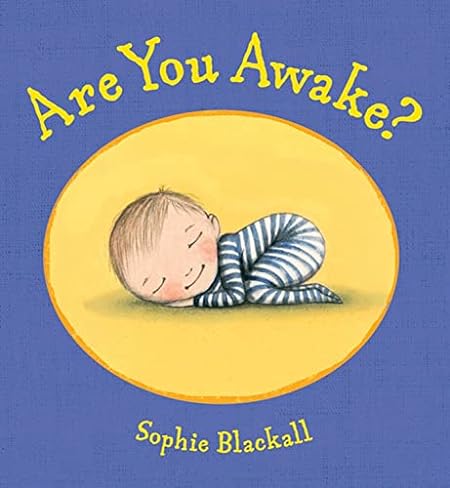
Are You Awake? by Sophie Blackall
Goodnight, Everyone by Chris Haughton
In the Night Garden by Carin Berger
Interrupting Chicken by David Ezra Stein
Everyone’s Awake by Colin Meloy
Time for Bed by Mem Fox/Jane Dyer
Awake, Asleep by Kyle Lukoff/Nadia Alam

TellMeWhattoDreamAbout

Just Because by Mac Barnett/Isabelle Arsenault
How to Put Your Parents to Bed by Mylisa Larsen
City Moon by Rachael Cole/Blanca Gomez
Tell Me What to Dream About by Giselle Potter
Bedtime Monsters by Josh Schneider
Hoodwinked by Arthur Howard
There Is A Crocodile Under My Bed! By Ingrid & Dieter Schubert

KittensFirstFullMoon

The Yawns Are Coming by Christopher Eliopoulos
A Spoonful of Frogs by Casey Lyall and Vera Brosgol
Night in the City by Julie Downing
Chicken Wants A Nap by Tracy Marchini
Every Dreaming Creature by Brendan Wenzel
Kitten’s First Full Moon by Kevin Henkes
In the Night Kitchen by Maurice Sendak

SleepLikeATiger

Good Night, Mr. Panda by Steve Antony
Windows by Julia Denos
A Bedtime for Bear by Bonny Becker/Kady MacDonald Denton
The Little Wooden Robot and the Log Princess by Tom Gauld
Hank’s Big Day by Evan Kuhlman & Chuck Groenink
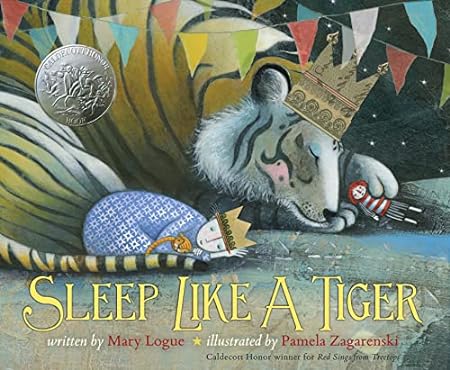
Sleep Like A Tiger by Mary Logue/Pamela Zagarenski

Books face-out on window ledge

As you can see, there’s a mix of longer and shorter ones, dreamy and goofy stories, rhyming and not, silly and soothing. I even had one parent thank me because no one had read a story to her in such a long time! (Children’s programming is important for the caregivers, too!)

Is there a Pajama Storytime at your library? What do you like about it? What would you change?

More storytimes, and rhyme time

A month flies by! Storytime is always one of my favorite parts of the work week. Here are the books and art projects we’ve done for the past few weeks, and of course we look for Little Mouse every time (“Little mouse, little mouse, are you in the [color] house?”), and open and close with “Hello Friends” and “Goodbye Friends.”

September 28 Storytime

  • I Want My Hat Back by Jon Klassen
  • The Very Hungry Caterpillar by Eric Carle (with flannel board)
  • Carrot & Pea by Morag Hood
  • Where is the Green Sheep? by Mem Fox and Judy Horacek
  • Craft: Coloring with crayons on butcher paper taped to the floor

Where is the Green Sheep? surrounded by felt board sheep

October 5

  • Please, Mr. Panda by Steve Antony
  • Circle Under Berry by Carter Higgins
  • Perfect Square by Michael Hall
  • Blue Chameleon by Emily Gravett
  • Where’s Walrus? by Steven Savage
  • Craft: Collage with tissue paper and glue sticks on construction paper

Book spines with Little Mouse

October 12

  • The Three Billy Goats Gruff by Mac Barnett and Jon Klassen
  • Pirate Jack Gets Dressed by Nancy Raines Day (with flannel board)
  • There’s a Monster in This Book by Tom Fletcher
  • Mr. Scruff by Simon James
  • Some of These Are Snails by Carter Higgins
  • Craft: Decorating die-cut paper pumpkins with markers and crayons

storytimebooks

Pirate Jack flannel board

October 19

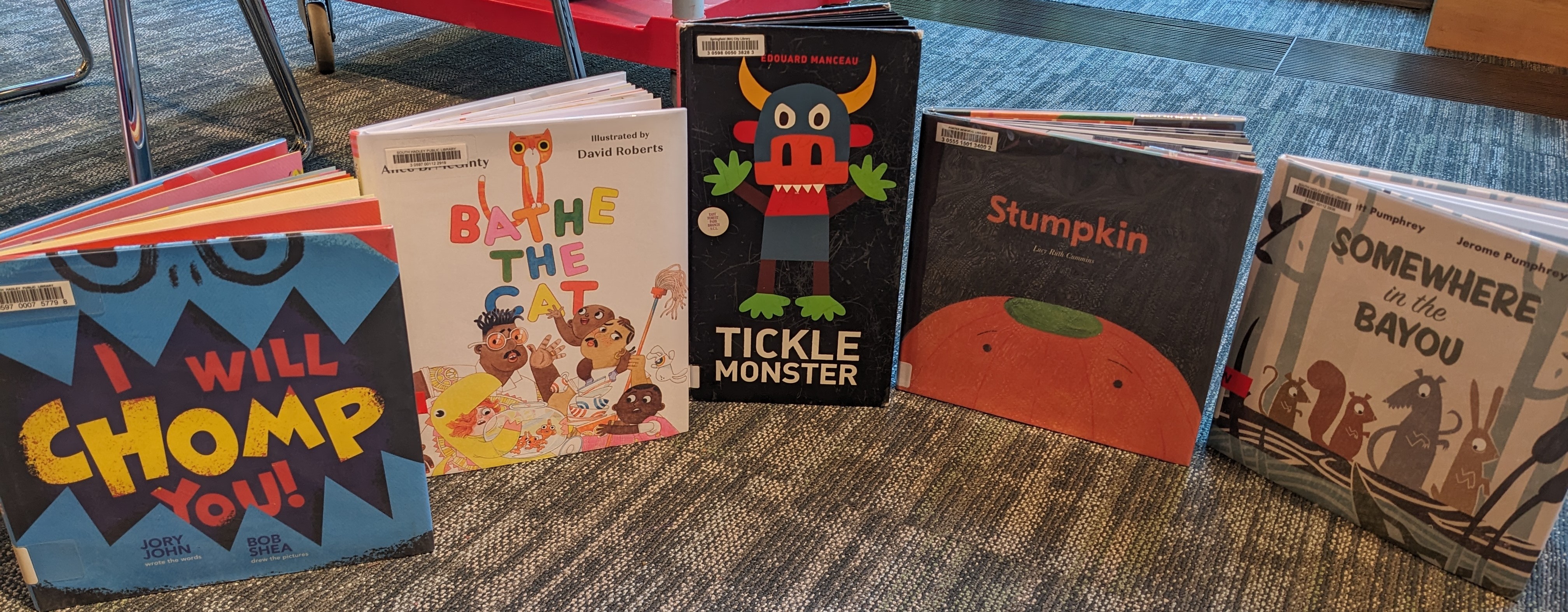
  • I Will Chomp You by Jory John and Bob Shea
  • Bathe the Cat by Alice B. McGinty and David Roberts
  • Tickle Monster by Edouard Manceau (with flannel board)
  • Stumpkin by Lucy Ruth Cummins
  • Somewhere in the Bayou by Jarrett and Jerome Pumphrey
  • Craft: Flannel board play with different shapes, colors, and sizes

Picture book covers

October 26

  • Sam and Dave Dig A Hole by Mac Barnett and Jon Klassen
  • Maybe… by Chris Haughton
  • How do you say? = ¿Cómo se dice? by Angela Dominguez
  • Imogene’s Antlers by David Small
  • I’ll Wait, Mr. Panda by Steve Antony
  • Craft: Dot markers, crayons, markers on butcher paper on the floor (collaborative)

Picture books, covers out, on window ledge

Storytimes I’d done plenty of before coming to SHPL, but Rhyme Time was a new program for me to lead. It’s kind of like storytime, but without books (although, I think I am going to start adding in one book each time). We do lots of songs, rhymes, fingerplay, and movement, followed by free play. I lead a lot of the songs and rhymes myself, but I also have a computer and speakers to play music. Soon, everyone will be singing and dancing along to Caspar Babypants’ “Butterfly Driving A Truck”!

I start every Rhyme Time with the same three songs:

  • Hello Friends” song
  • Hello song (“We clap and sing hello…”)
  • The Name Song (“If your name is _____, jump up and down”). This is great because each child gets their moment in the spotlight (if they want it – some just sit on laps and that’s fine!) and it creates a sense of community, helping us all get to know each other.

Then we do a selection of these songs/rhymes with movement and fingerplay. Some of them are on my song cubes (homemade tissue-box creations with a different picture on each side, corresponding to a song, like a teapot for “I’m A Little Teapot” or a spider for “The Itsy-Bitsy Spider.” Because these are short little songs, we sometimes do them three times: regular/fast/slow or regular/loud/quiet.

We end with two goodbye songs:

If the weather is nice (or, okay, decent) and we’re outside, I bring out sidewalk chalk and balls for the kiddos to play with. If we’re inside, it’s parachute and bubbles. This gives everyone a chance to move around and socialize.

Toddlers drawing with chalk

Back to storytime!

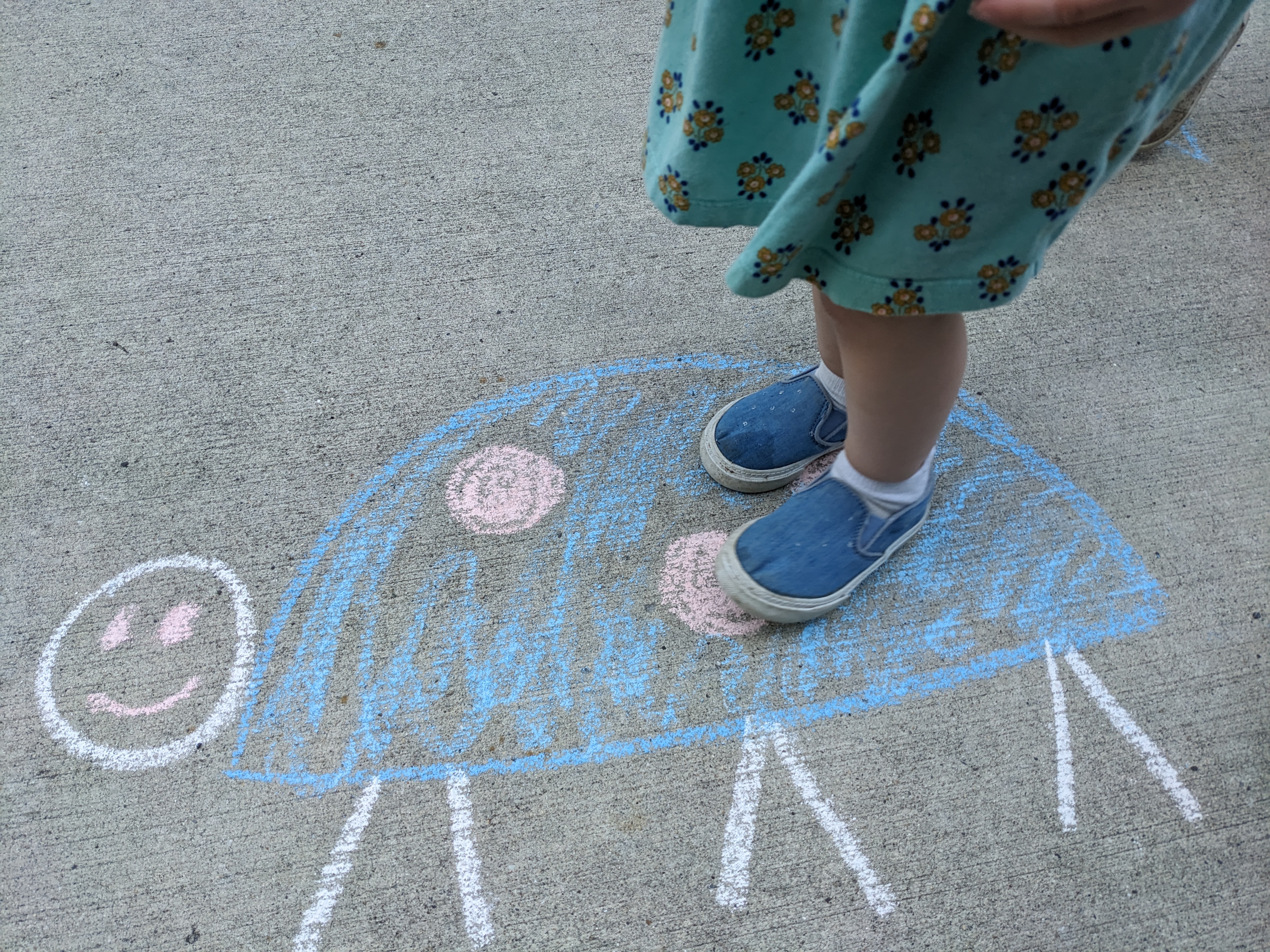
Child's legs and feet, standing on a smiling ladybug drawn in chalk

This month I returned to public libraries and am really enjoying being a children’s librarian again, serving kids and their caregivers with book recommendations, weekly storytimes and rhyme times, arts and crafts, and all those “did you know…?” hidden gems that the library offers, like the OpenDyslexic font built into Libby.

I’m especially thrilled to be doing storytimes again. I’ve modeled my current program on the “Step Into Storytime” I did at the Winchester (MA) Public Library, which was aimed at two- and three-year-olds and their siblings and caregivers. I don’t intentionally choose themes (although three of today’s five books involved elephants), and I lead off with the longest book, as attention spans tend to wane over time.

Here’s my storytime format, with today’s books and activities as an example:

  • Welcome, introduction
  • Early literacy tip: the five ECRR practices (TALK, SING, READ, WRITE, PLAY) all support children’s early literacy skills
  • “Hello Friends” (Jbrary) with ASL
    • Teach/review signs for “hello” and “friends” 
  • There’s A Bear on My Chair by Ross Collins
  • Oh, No! By Candace Fleming
  • A Kiss Like This by Mary Murphy
  • “Little Mouse” game with flannel board (“Little mouse, little mouse, are you in the [color] house?”)
  • A Parade of Elephants by Kevin Henkes with flannel board (today it just so happened that there were five kids, and I have five elephants! So they each got to hold one the whole time, and stick them to the board at the end)
  • Now by Antoinette Portis
  • “Goodbye Friends” (Jbrary
    • Teach/review signs for “goodbye” and “friends” 
  • Craft: Rubber stamps and stamp pads on construction paper 

Last week’s books were Mina by Matthew Forsythe, Huff & Puff by Claudia Rueda, Pete’s A Pizza by William Steig, Matilda’s Cat by Emily Gravett, and Lots of Dots by Craig Frazier. Books that have interactive elements, like Huff & Puff, or can be made interactive (like pretending to roll out dough and sprinkle cheese for Pete’s A Pizza) are great for holding the attention of little ones and the engagement of adult caregivers as well, who can help the littles with the actions, improving large and fine motor skills. 


Picture books Mina, Huff & Puff, Pete's A Pizza, Matilda's Cat, and Lots of Dots in front of a flannel board set up with Little Mouse

Books we read the first week of September were The Giant Jumperee by Julia Donaldson, Spots in a Box by Helen Ward, Triangle by Mac Barnett, and Grumpy Pants by Claire Messer. Both Jumperee and Triangle were checked out afterward, which I take as a mark of success; I always tell families that they are welcome to borrow anything I read aloud at storytime.

As it’s September, one batch of kids has just started preschool or kindergarten, so the storytime regulars are on the younger side; lots of them come to Rhyme Time also (more on that later). I’ve been pulling from my list of great books to share with two- and three-year-olds, as well as newer picture books (I made that list in 2019). I’ve also been keeping crafts basic and process-oriented: so far, we’ve used dobbers/dotters (“do-a-dot art sponge tip applicators”), glue sticks, and rubber stamps – all washable and nontoxic, of course.

What are your favorite read-aloud books to share with littles? Favorite arts and crafts?

Reading down the TBR piles

Cover image of The 500 Million Dollar HeistWhat does my fall reading lineup look like? Well, in addition to my usual reading (whatever I hear about from friends, see on library displays, or discover via publisher or bookstore emails), I’ve been working my way through this year’s MCBA books, because I’d like to help promote those titles at the library, and the best way for me to hand-sell a book is if I’ve read it myself. The Jones Library in Amherst gave out copies of a handy bookmark with all the titles; so far I’ve read 14 and a half of the 25 books.

Cover image of A First Time for Everything by Dan SantatI’m serving on the SLJ Best Books committee for Graphic Novels, which means reading…wait for it…more graphic novels! There are over 20 on the list and each of us will read at least 18. I’d already read several when the editors gave us the list, and I’m catching up on the others.

I’m also slated to write three picture book columns for the MSLA Forum this year, with the first one due out this fall. I’m deciding between picture book biographies and picture books that include recipes…stay tuned.

I’m still reviewing picture books, middle grade, graphic novels, and YA for SLJ and Kirkus; those don’t always appear on my LibraryThing account. And I just beta-read a short sci-fi novel for a friend (it was great! Hoping to see it in bookstores in the future).

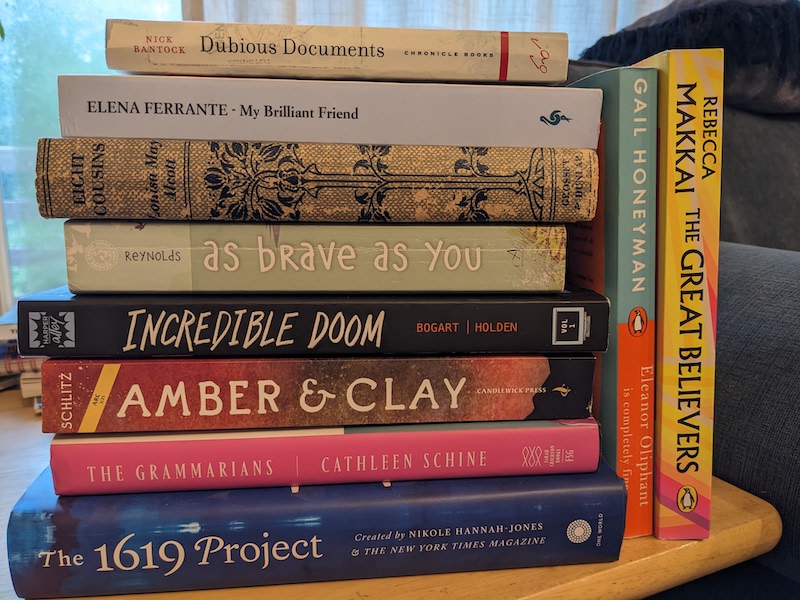
TBR pile of 10 books

Last of all…it’s always last…my TBR pile, i.e. books I own or have been lent. These don’t have library due dates, so they have been sitting and waiting for some time (except for the two standing vertically in the photo – those I plan to re-read). But I collected them all in one place so that I’ll make an effort to get to them before the end of the year! (Especially as The 1619 Project was a holiday gift last year…or possibly two years ago…)

What’s lurking on your TBR?

MassCUE: Defining Digital Citizenship

MassCUE offered a free summer webinar series on “defining digital citizenship.” Each of the four sessions had a different theme and different presenter. Because I won’t be working in a school library this year (I’m moving back to public libraries), I won’t be applying all of these ideas and resources right away, but I want to share them here.

Week One: Defining Digital Citizenship in the Modern Classroom, Jen Thomas (MassCUE) and Casey Daigle (CES)

Resources:

Advice:

  • Conversations are going to be awkward and imperfect, but show that you care, you’re trying, you’re learning. Model and make what you do in the classroom transparent. Where do your lesson plans come from? Cite all your sources and images.
  • Security: acknowledge passwords. Do you use a password manager? What are the best practices around tech? How often do you shut down or restart your devices?
  • Transparency: Using a voice assistant lets people around you know what you’re using your device for (instead of disappearing into “phone world”). State how long you’ll be using the device. Set timers.
  • Normalize these conversations. Ask students what they’re watching on YouTube, what games they’re playing, who they’re talking to in these games. Use school email to communicate and model the proper format for a professional email.

Week Two: Media Literacy Playground, Jenna Meleedy (Penn State University, News Literacy Ambassador)

Main ideas:

  • Critical media literacy is an essential life skill.
  • People go to the internet/social media when they’re stressed, or for entertainment – critical thinking skills are not engaged.
  • Cultivation theory: long-term exposure to media shapes how we view the world and ourselves.
  • Social media doesn’t want to inform, it wants to engage.
  • Technology/media is not inherently bad. The worst thing you can do is avoid the conversation altogether. Removing access to technology will never work. Teach responsible and safe use.

Resources:

Thinking emoji plus mind blown emoji equals mind blown thinking emoji (created with Emoji Kitchen)

Week Three: Copyright, Fair Use, Creative Commons in the Age of AI, Suzanne Judson-Whitehouse (CES)

This week was all about “supporting students to be responsible creators and consumers.” We reviewed intellectual property, copyright, the public domain, the fair use doctrine and the four factor test, copyright and AI (biiiig mess), Creative Commons, terms of service (Can you use your personal Netflix account to show something in the classroom? No), the Internet Archive, and more.

Resources:

Week Four: In Defense of Student Data, Ramah Hawley and Cynthia Tougas (The Education Cooperative)

Main ideas:

  • Educators use data to inform instructional practice. With benefits come risks: how are vendors using the student data they collect?
  • Schools are obligated to comply with three pieces of federal legislation: FERPA, COPPA, and PPRA to protect students’ personally identifiable information (PII). Third party vendors (e.g. educational software and apps) must also comply with this legislation.
  • How does each school district ensure vendor compliance with federal and state laws? There should be a Data Privacy Agreement (DPA). Student Data Privacy Agreements are legal and enforceable agreements that supercede Terms of Service (ToS).

Resources:

Thanks to MassCUE and all of the presenters and other attendees.

Mid-year reading round-up

I’ve read just over 280 books so far this year; here are the standouts in each category (extra-extra standouts are in bold). Hat tip to the Carle Museum for their incredible exhibits; that’s where I learned about Claire Nivola, and got to see some of Micha Archer’s work from Snow Horses up close. Many of the books below also received ALA Youth Media Awards medals or honors; I always add a lot of those books to my to-read list after the YMA at the end of January.

Key: GN = graphic novel, NF = nonfiction

Picture bookssomewhereinthebayou

  • Telling Stories Wrong by Giovanni Rodari, illus. Beatrice Alemagna
  • On This Airplane by Lourdes Heuer, illus. Sara Palacios
  • Three Little Vikings by Bethan Woollvin
  • Little Houses by Kevin Henkes
  • Somewhere in the Bayou by Jarrett and Jerome Pumphrey
  • Snow Horses by Micha Archer
  • A Seed Grows by Antoinette Portis (NF)Cover image of Snow Horses
  • Love, Violet by Charlotte Sullivan Wild, illus. Charlene Chua
  • The Tower of Life by Chana Stiefel, illus. Susan Gal (NF)
  • My Hands Tell A Story by Kelly Starling Lyons, illus. Tonya Engel
  • Six Dots by Jen Bryant, illus. Boris Kulikov (NF)
  • Listen by Shannon Stocker, illus. Devon Holzwarth (NF)
  • The Little Ghost Who Was A Quilt by Riel Nason, illus. Byron Eggenschwiler
  • Dim Sum, Here We Come! by Maple Lamthatflag
  • Evergreen by Matthew Cordell
  • That Flag by Tameka Brown Fryer, illus. Nikkolas Smith
  • Locomotive by Brian Floca
  • We Don’t Lose Our Class Goldfish by Ryan T. Higgins
  • Nell Plants A Tree by Anne Wynter, illus. Daniel Miyares
  • Dogku by Andrew Clements (poetry)
  • The Day-Glo Brothers by Chris Barton, illus. Tony Persiani (NF)
  • The Tree and the River by Aaron Becker (wordless)treeandriver
  • Night in the City by Julie Downing
  • Juneteenth by Van G. Garrett, illus. Reginald C. Adams and Samson Bimbo Adenugba
  • My Powerful Hair by Carole Lindstrom, illus. Steph Littlebird
  • The Fire of Stars by Kirsten Larson, illus. Katherine Roy
  • A Bed of Stars by Jessica Love
  • How We Say I Love You by Nicole Chen, illus. Lenny WenCover image of A Bad of Stars
  • Elisabeth by Claire A. Nivola
  • Where Is Bina Bear? by Mike Curato
  • Whose Egg Is That? by Darrin Lunde, illus. Kelsey Oseid (NF)

Early readers

  • Arlo & Pips by Elise Gravel (GN)
  • Henry, Like Always by Jenn BaileyCover image of Henry Like Always

Middle Grade

  • The Door of No Return by Kwame Alexander
  • Killer Underwear Invasion by Elise Gravel (GN, NF)
  • Wait Till Helen Comes by Mary Downing Hahn (GN)
  • Squire & Knight by Scott Chantler (GN)
  • Parachute Kids by Betty C. Tang (GN)
  • Wildoak by C.C. Harrington
  • Freewater by Amina Luqman-Dawson (Newbery Award Winner)simonsortofsays
  • Three Strike Summer by Skyler Schrempp
  • Three Thieves series by Scott Chantler (GN)
  • The Secret of Platform 13 by Eva Ibbotson
  • Simon Sort of Says by Erin Bow
  • A First Time for Everything by Dan Santat (GN)
  • Tuesdays at the Castle series by Jessica Day George
  • The Lost Year by Katherine Marsh
  • Earwig and the Witch by Diana Wynne Jones
  • Finally Seen by Kelly Yang
  • The Secret Garden on 81st Street by Ivy Noelle Weir (GN)
  • Hazel Hill Is Gonna Win This One by Maggie Horne
  • School Trip by Jerry Craft (GN)Cover image of Hazel Hill is Gonna Win This One
  • Odder by Katherine Applegate (novel in verse)
  • Hoops by Matt Tavares (GN)
  • Mihi Ever After by Tae Keller
  • Elf Dog and Owl Head by M.T. Anderson
  • Leeva at Last by Sara Pennypacker, illus. Matthew Cordell
  • Bea and the New Deal Horse by L.M. Elliott
  • The Doll People by Ann M. Martin and Laura Godwin
  • Alone by Megan E. Freeman (MCBA winner)
  • Stand on the Sky by Erin Bowodder
  • Hidden by Loic Dauvillier (GN)
  • The Blackbird Girls by Anne Blankman
  • 11 Birthdays by Wendy Mass
  • Code Red by Joy McCullough

YA

  • Heartstopper by Alice Oseman (GN)
  • For Lamb by Lesa Cline-Ransome
  • All My Rage by Sabaa TahirCover image of For Lamb
  • When the Angels Left the Old Country by Sacha Lamb
  • Take Me With You When You Go by David Levithan and Jennifer Niven
  • We Contain Multitudes by Sarah Henstra
  • Breathe and Count Back from Ten by Natalia Sylvester
  • Hidden Powers by Jeannine Atkins
  • Enter the Body by Joy McCullough
  • The Davenports by Krystal Marquis
  • Sunshine by Jarrett J. Krosoczka
  • One Last Shot by Kip Wilson
  • The Roof Over Our Heads by Nicole Kronzer
  • Imogen, Obviously by Becky Albertalli

Adult

  • Demon Copperhead by Barbara Kingsolverdemoncopperhead
  • Lost in the Moment and Found by Seanan McGuire
  • Pineapple Street by Jenny Jackson
  • Iona Iverson’s Rules for Commuting by Clare Pooley
  • Daisy Jones & the Six by Taylor Jenkins Reid
  • I Have Some Questions for You by Rebecca Makkai
  • The Authenticity Project by Clare Pooley
  • A Living Remedy by Nicole Chung (NF)
  • Romantic Comedy by Curtis Sittenfeld
  • The Half Moon by Mary Beth Keane

And that’s it for the first half of 2023. Which books are your favorites so far this year?