Speculative books ask “What if…?”

Most kids learn at least a little about genre in school; they can probably name a few, like mystery, historical, fantasy, and science fiction. I, too, was familiar with the traditional genre labels, until I took a workshop with Joyce Saricks, author of The Readers’ Advisory Guide to Genre Fiction, while I was working at the Robbins Library in Arlington. In her book, and in the workshop, she examined books through the lens of appeal factors, and divided them into the adrenaline genre, the intellect genres, the landscape genres, and the emotion genres.

I no longer have my original notes on the workshop, but I believe it was Joyce Saricks who used the term “speculative” as well, for books that ask “What if…?” Although she classifies fantasy as a landscape genre and science fiction as an intellect genre, both imagine worlds different from ours in some way. This, for me, is a reading sweet spot: not space opera or high fantasy (though I read those too), but a world that’s like ours, but with a twist: there’s time travel, or a coup changes the political landscape, or there’s been a climate catastrophe, or a lethal pandemic, or women are more powerful than men. Or humans have disappeared altogether! They are alternate histories, dystopias, or futuristic stories. These books challenge and stretch readers’ imaginations, encouraging us to place ourselves in that situation and imagine: What if?

Speculation has value as rehearsal; reading is a way to experience something and think through your responses and reactions without having to experience the situation in real life. Here are some of the speculative books I’ve enjoyed over the years. Some are lighthearted, some scary, some a little too close to reality for comfort.

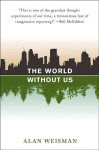
NonfictionCover image of The World Without Us

  • The World Without Us
  • What If We Get It Right?

Fiction

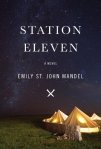
  • Station Eleven by Emily St. John Mandel
  • The Time Traveler’s Wife by Audrey Niffenegger
  • This Time Tomorrow by Emma Straub
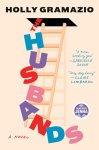
  • The Husbands by Holly GramazioCover image of The Husbands
  • Famous Men Who Never Lived by K. Chess
  • Parable of the Sower by Octavia Butler
  • The Future by Naomi Alderman
  • Stories of Your Life and Others by Ted Chiang
  • An Unkindness of Ghosts by Rivers Solomon
  • The Bone Clocks by David Mitchell
  • Beautyland by Marie-Helene BertinoCover image of Station Eleven
  • The Ministry of Time by Kaliane Bradley
  • Moonbound by Robin Sloan
  • The Night Bookmobile by Audrey Niffenegger

Fiction (in which things are very different for women, specifically)

  • The Handmaid’s Tale by Margaret Atwood
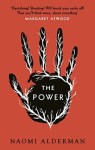
  • The Power by Naomi AldermanUS cover of The Power by Naomi Alderman
  • When She Woke by Hillary Jordan
  • Red Clocks by Leni Zumas
  • When Women Were Dragons by Kelly Barnhill

Young Adult

  • The Loneliest Girl in the Universe by Lauren James
  • Unwind by Neal Shusterman

Children’s

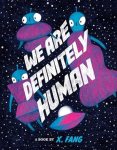
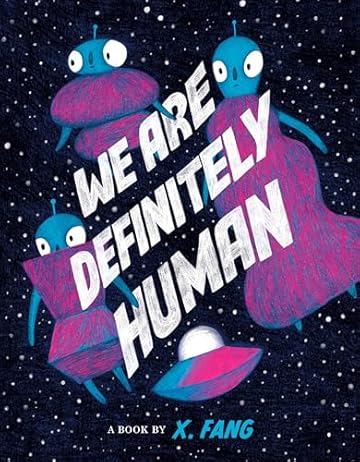
  • We Are Definitely Human by X. FangCover image of We Are Definitely Human
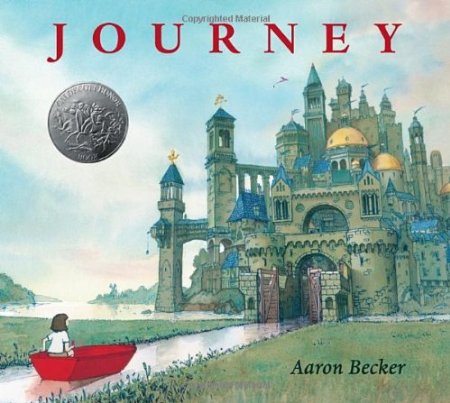
  • Journey by Aaron Becker
  • When You Reach Me by Rebecca Stead
  • We’re Not From Here by Geoff Rodkey
  • Finn and Ezra’s Time Loop Bar Mitzvah by Joshua Levy
  • The Color of Sound by Emily Barth Isler
  • The First State of Being by Erin Entrada Kelly
  • The Last Cuentista by Donna Barba Higuera

What are your speculative favorites? What do you like or dislike about the genre?

The art of the pivot

Last summer, I piloted “My First Book Club,” a program for rising kindergarten and first grade students and their grown-ups. It was successful at first, but attendance dropped off after the fall – partly, I think, because I had to alternate between the more popular Saturday morning time and Friday afternoons, which didn’t work as well for everyone. (If we had another Children’s Librarian who could also offer weekend programs…)

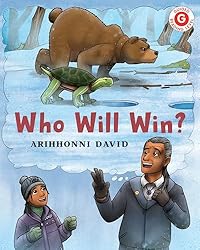
I decided our February book club would be the last one until summer, when I would run it again for a new group of rising K/1st graders. No one showed up for the program…but, there were plenty of kids and adults in the children’s room, so I invited them all in for a storytime instead. We read the same two books – Arihhonni David’s The Good Game and Who Will Win? – and used the coloring sheets I’d printed (a flying squirrel and a bat, characters in The Good Game), I just sprinkled in a few songs and rhymes as well: “Open Shut Them,” “The Itsy-Bitsy Spider,” and the Ella Jenkins version of “Head and Shoulders.”

So, instead of having a book club with zero attendance, I had a storytime with eleven kids and grown-ups, all of whom were pleased and grateful. With experience, it’s fairly easy to pivot from one program to a very similar one, even for a different age group – going from a music program to STEAM would be a different story – but in this case, it worked out for everyone!

What can you draw in six seconds?

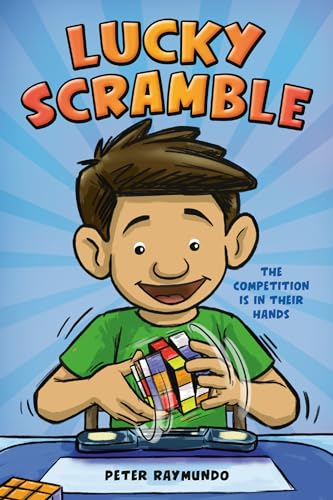
Cover image of Lucky ScrambleThe kids’ graphic novel book club I started last fall is still going strong, with about 4-7 kids attending each month. This month we read Lucky Scramble by Peter Raymundo, about a kid named Tyler who goes to a Rubik’s cube competition. Our icebreaker question was “What’s your favorite kind of puzzle?” and a lot of the kids said “Rubik’s cube,” even though none of us could solve one. (I said word puzzles, like wordle, and it turns out all of the kids also do the NYT puzzles!)

We discussed the different characters and storylines, what we expected and what surprised us, parental pressure, and attitudes toward competition and winning. We each had a copy of the book for reference, and the kids are so good about citing page numbers so we can all be on the same page, literally.

I asked them what they thought they could do in six seconds – the length of time champion speed-cubers can solve a 3×3 – and that turned into “What can you draw in six seconds?” So we moved over to the tables, got paper and pencils, and tried it! Turns out, not much – but after having only six seconds to draw something, a minute feels like a long time! So we did a one-minute drawing, a two-minute drawing, and finally a five-minute drawing (during which one of the kids turned out a staggeringly impressive dragon drawing).

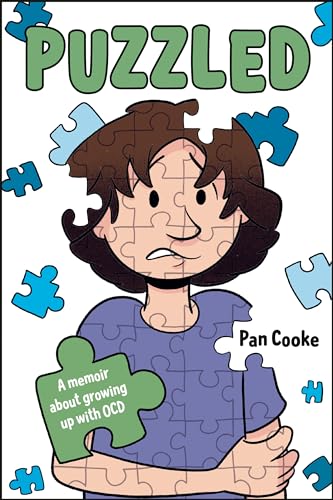
Cover image of Puzzled by Pan CookeLast, the kids voted on which book to read next. The choices were Curveball by Pablo Cartaya, Pebble & Wren by Chris Hallbeck, and Puzzled by Pan Cooke. The first two got one vote each and Puzzled got two votes, so that will be our February book – but all three books got checked out. It was a good afternoon!

2024 Reading Wrap-Up: That’s a lot of books

Looking back at my mid-year reading round-up, especially the picture book and middle grade categories, so many of these are still top of mind: books I recommend, put on displays, and use in storytimes. Looking back to last year’s wrap-up, the same holds true of most of the picture books as well, and plenty of middle grade (most especially Beth Lincoln’s The Swifts, Erin Bow’s Simon Sort of Says, and Sophie Escabasse’s Witches of Brooklyn series).

When I went to count up my total number of books read this year I did think at first I had made a math mistake, but no, the number is correct. And in fact, it doesn’t include all the re-reading (for example, the approximately 45 times I read Endlessly Ever After at Pajama Storytime, or vacation re-reading). Here is the usual breakdown and favorite titles in each category; again, these are books I read in 2024; some of them were published earlier. The titles I mention below are mostly those I read in the second half of the year, since others were already mentioned in the mid-year post. Anyway, on with the show! 

Total number of books read: 880. (Yeah, this is pretty unbelievable, and no, I’m not really sure how either.)

Reviewed for Kirkus: 23 (most of those not included in the total above)

Partially read/started-didn’t-finish: 20

Picture Books: 515howlittlelori

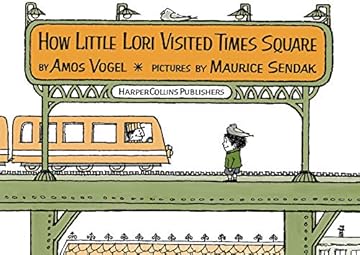
  • How Little Lori Visited Times Square by Amos Vogel: you think you know all the books Maurice Sendak ever illustrated, and then you discover this hilarious gem in a bookstore in Brooklyn. What a trip.
  • The Yellow Bus by Loren Long
  • The Pass by Sara Laux Akin
  • Sometimes We Fall by Randall de Seve
  • We Are Definitely Human by X. Fangsorryyougotmad
  • Remembering Rosalind Franklin by Tanya Lee Stone (NF)
  • All at Once Upon A Time by Mara Rockliff
  • No More Senora Mimi by Meg Medina
  • Noodles on a Bicycle by Kyo Maclear
  • The Island Before No by Christina Uss
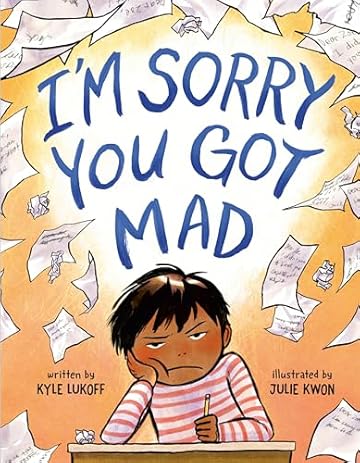
  • I’m Sorry You Got Mad by Kyle Lukoff
  • Just What to Say by Kyle Lukoff
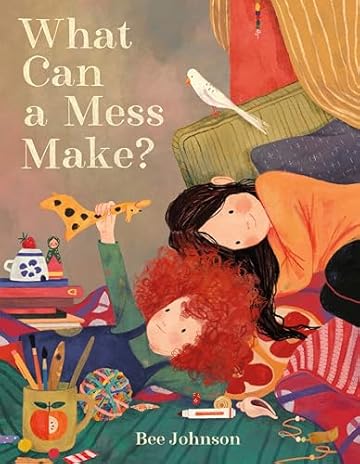
  • What Can A Mess Make? by Bee JohnsonCover image of What Can A Mess Make
  • Is A Book A Box for Words? by Harriet Ziefert
  • Hello, I’m A… (Meet the Wild Things) by John and Hayley Rocco
  • Just Us by Molly Beth Griffin
  • Small Things Mended by Casey W. Robinson

Early Readers and Chapter Books: 9gumluck2

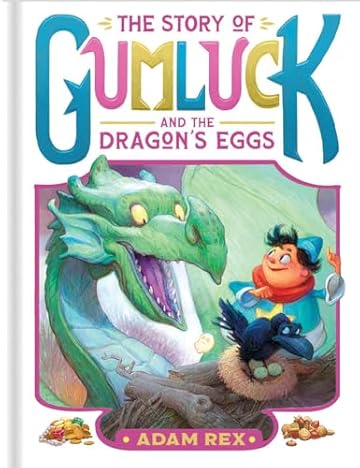
  • The Story of Gumluck and the Dragon’s Eggs by Adam Rex
  • Pizza for Pia by Betsy Groban and Allison Steinfeld

Middle Grade: 147

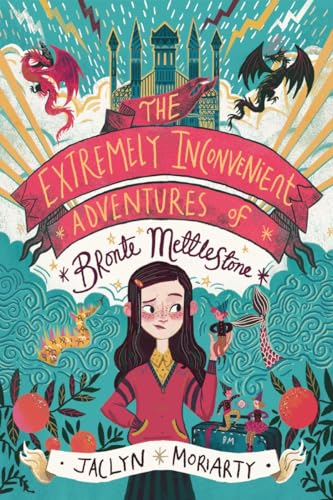
  • The Extremely Inconvenient Adventures of Bronte Mettlestone by Jaclyn Moriartyenigmagirls
  • Medusa (The Myth of Monsters) by Katherine Marsh
  • The Wild Robot by Peter Brown
  • The Girls of Skylark Lane by Robin Benway
  • AfterMath by Emily Barth Isler
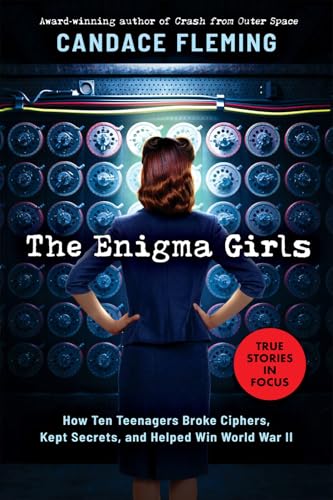
  • The Enigma Girls by Candace Fleming (NF)
  • Not Nothing by Gayle Forman
  • Magnolia Wu Unfolds It All by Chanel Miller
  • Savvy by Ingrid Law
  • The Tenth Mistake of Hank Hooperman by Gennifer Choldenko
  • The Swifts: Gallery of Rogues by Beth Lincoln

Young Adult: 13whentheworldtipsover

  • Lies My Teacher Told Me: A Graphic Adaptation by James Loewen and Nate Powell (GN, NF)
  • It’s Okay If You Don’t Love Me by Norma Klein
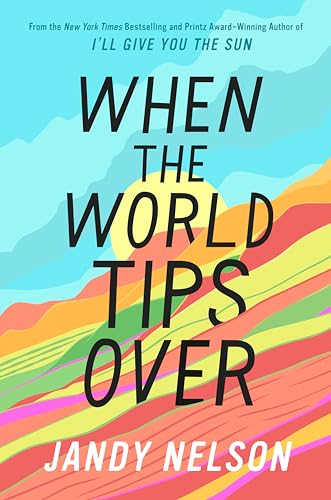
  • When the World Tips Over by Jandy Nelson
  • Here I Am, I Am Me: An Illustrated Guide to Mental Health by Cara Bean (GN, NF)

Graphic Novels (overlap with other categories): 62

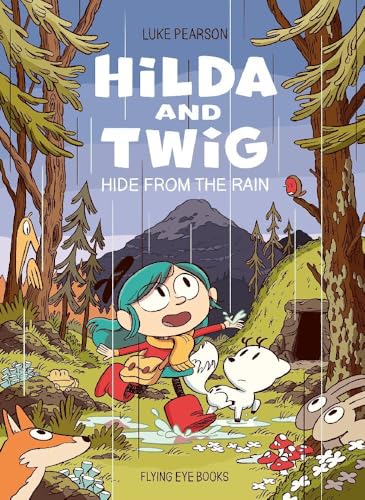
  • Hilda and Twig Hide from the Rain by Luke Pearsonhildatwig
  • Batcat: Sink or Swim by Meggie Ramm
  • Pets and Pests by Andy Warner (NF)
  • Woe: A Housecat’s Story of Despair by Lucy Knisley
  • Lies My Teacher Told Me: A Graphic Adaptation by James Loewen and Nate Powell (YA, NF)
  • Here I Am, I Am Me: An Illustrated Guide to Mental Health by Cara Bean (YA, NF)

Adult Fiction: 58

  • Remarkably Bright Creatures by Shelby Van Peltsandwich-newman
  • The Lost Boy of Santa Chionia by Juliet Grames
  • The Bright Sword by Lev Grossman
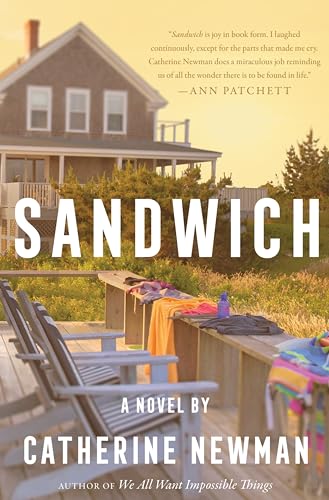
  • Sandwich by Catherine Newman
  • Ready or Not by Cara Bastone

Adult Nonfiction: 31

  • Sellout by Dan Ozzirebelgirl
  • Nice Try by Josh Gondelman (I’ve also enjoyed his wonderful weekly newsletter, That’s Marvelous)
  • A Heart That Works by Rob Delaney
  • The Genius of Judy by Rachelle Bergstein
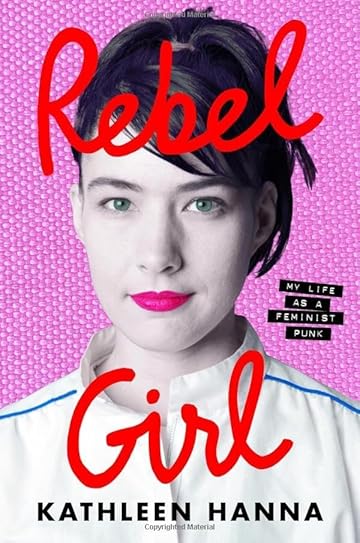
  • Rebel Girl by Kathleen Hanna
  • Grief Is for People by Sloan Crosley
  • What If We Get It Right? by Ayana Elizabeth Johnson

Short stories/essays: 12

  • What If We Get It Right? by Ayana Elizabeth JohnsonCover image of What If We Get It Right
  • H Is for Hope: Climate Change from A to Z by Elizabeth Kolbert
  • Table for Two: Fictions by Amor Towles

“People who believe in a brighter future are more likely to put in the effort required to achieve it.” -Elizabeth Kolbert, H Is for Hope

Audiobooks (overlap with other categories): 16

  • Witchlings by Claribel Ortegabrontemettlestone
  • Nuts to You by Lynne Rae Perkins
  • Rewind by Lisa Graff
  • No One Leaves the Castle by Christopher Healey
  • The Extremely Inconvenient Adventures of Bronte Mettlestone by Jaclyn Moriarty

Five-star ratings: 26

  • Gather by Kenneth Cadow (YA – won a Printz Honor)wearedefinitelyhuman
  • We Are Definitely Human by X. Fang (made me laugh)
  • Telephone of the Tree by Alison McGhee (made me cry)
  • Buffalo Brenda by Jill Pinkwater (just as good as I remember)

Re-reads: I really don’t have a good way to keep track of these. I re-read The Night Circus and The Great Believers on vacation, and I know we listened to The Swifts (both books) many times over, as well as all three Bronte Mettlestone books. And, as previously mentioned, Endlessly Ever After and dozens of other books I read aloud at storytimes.

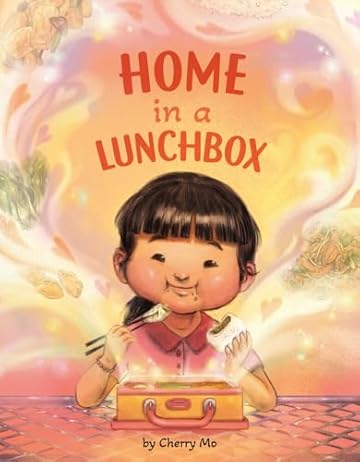
homeinalunchboxWeNeedDiverseBooks: 189. Less than last year both in terms of numbers and percentage of the total, though I do suspect myself of undercounting/tagging.

Now we’re already well into 2025, with the ALA Youth Media Awards on the horizon (Monday, January 27 at 10am Eastern – later than usual because it’s happening in Phoenix, which is on Mountain Time). I’m sure I’ll dig back into some 2024 books I missed after the awards, and we’ve already got plenty of 2025 books to look forward to – from Curtis Sittenfeld, Libba Bray, Emma Donoghue, Kevin Wilson, Adam Rex, Kate Messner, Kyle Lukoff, and more. Which books are you looking forward to this year?

Choosing twelve (or twenty) “best” books

One of the professional journals I write book reviews for recently asked their reviewers to suggest the “best” books of the century so far (2000-2024). We each get to submit twelve (12) titles. If you are a book person you understand how impossible this is! I could easily pick twelve favorites in each youth format (picture book, chapter book, young adult, graphic novel, etc.) from this year alone, and it wouldn’t be easy – look at what Betsy Bird is doing over at Fuse8 with her incredible #31Days31Lists. And yet, here’s what I submitted (some officially, through the form, and others by email the next morning when I realized I had to include them, so yes, it’s a few more than twelve):

Picture Booksjourney
Journey by Aaron Becker
Lift by Minh Le and Dan Santat
Extra Yarn by Mac Barnett and Jon Klassen
If You Come to Earth by Sophie Blackall
School’s First Day of School by Adam Rex and Christian Robinson / On Account of the Gum by Adam Rex
Endlessly Ever After by Laurel Snyder and Dan Santat
Middle grade
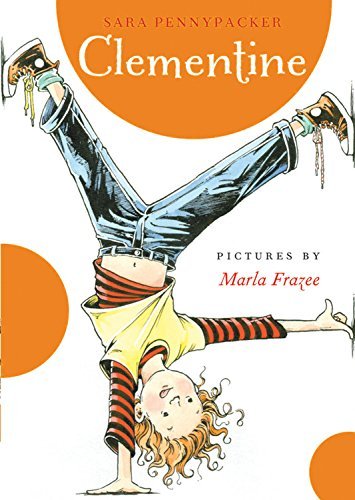
Clementine by Sara Pennypacker
Dory Fantasmagory by Abby Hanlon
Greenglass House by Kate MilfordCover image of Clementine
Castle Hangnail by Ursula Vernon
The Girl Who Drank the Moon by Kelly Barnhill
Simon Sort of Says by Erin Bow
The Swifts by Beth Lincoln
Witches of Brooklyn by Sophie Escabasse
YA
Looking for Alaska by John Green
Graceling by Kristin Cashore

And what does “best” mean, anyway? Are we using award criteria (Newbery, Caldecott, etc.) or are we talking about the books that are our real favorites, that we read and re-read and recommend and foist on people as gifts?

Meanwhile, over on BlueSky, there’s a #BookChallenge to list twenty books that have been meaningful to you, one per day for twenty days. I’ve started off with children’s classics (The Golden Compass, A Wrinkle in Time, The Giver, The View From Saturday, Bridge to Terabithia), two poetry collections (To A Fault by Nick Laird and The Essential Rumi), speculative nonfiction The World Without Us by Alan Weisman, and picture book Alexander and the Terrible, Horrible, No Good, Very Bad Day, because some days are like that – even in Australia.

What are your best/favorite/desert-island books?

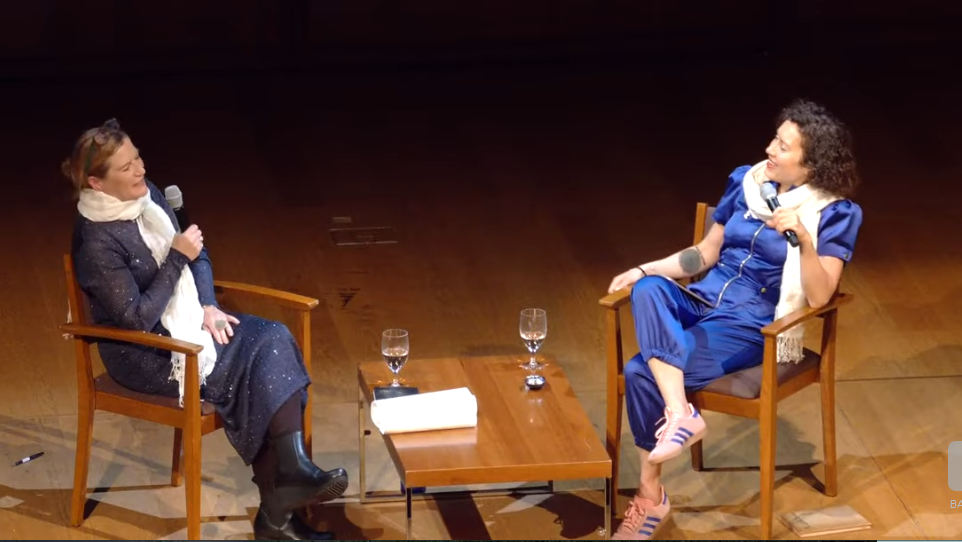
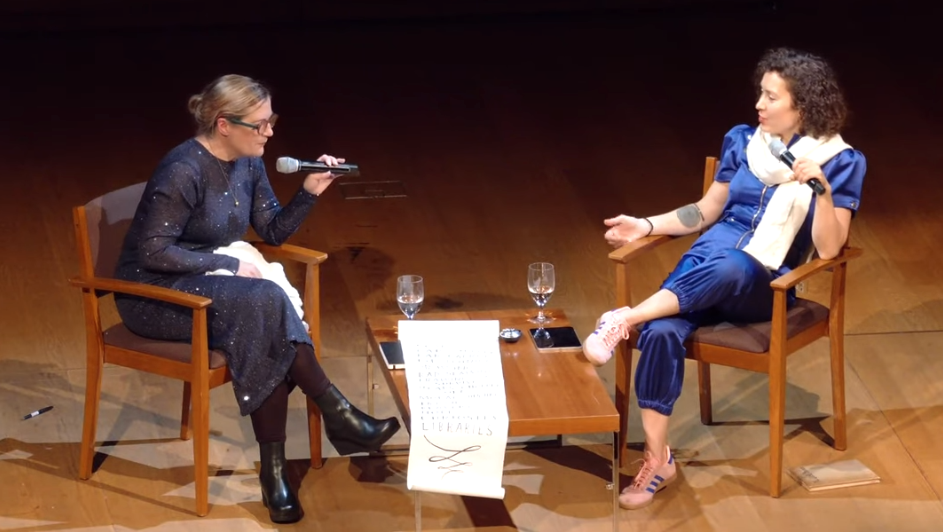
Maria Popova and Sophie Blackall at the Morgan Library

The Morgan Library in New York recently hosted a conversation between Maria Popova and Sophie Blackall, “Children’s Books as Philosophy for Living,” and the recording is available on their website. (The Morgan Library, incidentally, is where I learned that E.B. White, author of The Trumpet of the Swan and Charlotte’s Web, is the same E.B. White as The Elements of Style by Strunk & White. I cannot now find a listing for that exhibit on the Morgan website, but I am 99% sure that’s where I saw his manuscripts, journals, and letters and made the connection. Anyway…)

Sophie and Maria with Little Prince scarves

Popova and Blackall discussed, among other things, A.A. Milne’s Winnie-the-Pooh, Antoine de Saint-Exupery’s The Little Prince, and Beatrix Potter’s Peter Rabbit, as well as her scientific drawings. In the photo above, they’re wearing scarves, like the little prince’s iconic scarf, which resembles Piglet’s ears. (Sophie: “It was Piglet’s ears that made me want to be an illustrator….how to convey emotion in a couple of lines…” Maria: “Isn’t it amazing how these influences and ideas permeate the psyche, often without our awareness, and kind of lodge themselves in there and become these quiet building blocks of what we create, often without us knowing that we’re creating out of these borrowed pieces?”)

Here are a few more quotes from the talk, but if you are interested in children and children’s literature, it’s worth an hour of your time to watch the whole thing. Sophie brought a list (see photo below) to keep their conversation on track.

Sophie and Maria with a paper list on the table between them

“I don’t believe in moralizing children, but I do believe that morality is a branch of the imagination, just like creativity and curiosity, and if the imagination is rooted in kindness, then morality stands a pretty good chance.” -Maria Popova

“Children’s books to me, the ones that endure, can be read both when you’re a child and when you’re a grownup. And as a reader of any book you bring so much of yourself to it.” -Maria Popova

“Fantasy mystifies in order to reveal some deeper truth, and fundamentalism mystifies in order to conceal.” -Maria Popova

“And that’s what story gives children, that agency to imagine themselves as characters in a different story, of telling different stories, of unbelieving the main story, the mainstream story.” -Maria Popova

“I want to foster a curiosity in children, so that they will feel confident that they can read any book that they might want to pick up….If a child is encouraged to be curious, I believe that they will continue to read and they will become a more empathetic human being and I think we need that more than ever.” -Sophie Blackall

“We are trying to arm [children] with everything we know to be true, and that is what we are trying to put into the books that we give to children.” -Sophie Blackall

Toward the end of the conversation, they mention author Katherine Rundell’s work, Why You Should Read Children’s Books, Even Though You Are So Old and Wise. You can read an excerpt here: Why Adults Should Read Children’s Books. Rundell quotes Marina Warner: “Fairy tales…evoke every kind of violence, injustice and mischance, but in order to declare it need not continue.” [emphasis added] Rundell continues, “Fairy tales conjure fear in order to tell us that we need not be so afraid. Angela Carter saw the godmother as shorthand for what she calls “heroic optimism”. Hope, in fairy tales, is sharper than teeth.” Children’s books satisfy the desire for justice and foster a sense of wonder and awe. And don’t we all, no matter how old, want justice and wonder?

Nonfiction that sparks change

Fiction builds empathy, allowing readers to step into someone else’s mind, feel their feelings, see from their perspective. It can be heartbreaking and harrowing, wondrous and imaginative, funny and tender, armchair travel. As many others have said, a book is a door you can walk through.

Nonfiction is a different kind of door. Just as “fiction” is a broad category including a host of genres (mystery, historical, fantasy, sci-fi, romance, etc.) and writing styles, “nonfiction” is perhaps even broader: it includes cookbooks and travel guides, how-to and true crime, memoir and biography, history and social science, art and music and sports, gardening and architecture. (A four-year-old library patron recently asked me for books about “construction trucks and Pompeii” – both nonfiction topics.)

But which nonfiction books actually transform your worldview enough to spark a change in your behavior and mindset, not just for a few days but long-term?

As someone who has been concerned about conservation, the environment, and climate change since learning about the hole in the ozone layer in third grade (see: Mario and the Hole in the Sky by Elizabeth Rusch), and who has seen my entire adult lifespan thus far essentially squandered in terms of urgent steps that governments and corporations need to take to keep our one beautiful, habitable planet from warming past the point of livability (we’re on COP29 as of this week, and only last year at COP28 did countries agree to transition away from fossil fuels), I’m drawn to books that offer solutions: changes I can make on a personal level (although the term “climate footprint” was popularized by oil giant BP, and while of course we should all do our best to “rethink, refuse, reduce, reuse, repair, recycle,” we really need governments and corporations to step up) and changes that can be made more broadly.
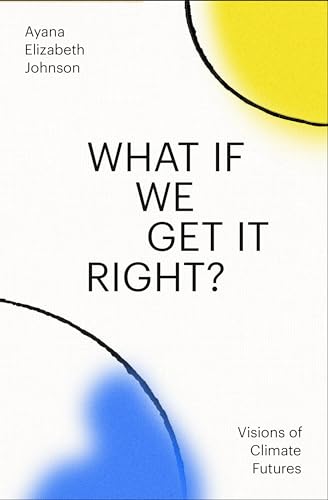
Cover image of What If We Get It RightEnter What If We Get It Right?: Visions of Climate Futures by Ayana Elizabeth Johnson and a whole host of experts she interviews. The central takeaway is that we have the ideas, tools, and technology we need to tackle the climate crisis right now; what we’re lacking is the political will to make these changes with all necessary speed. Even so, a book so stuffed with brilliant ideas and solutions and energy is motivating; as Paola Antonelli, MoMA’s senior curator for architecture and design and its founding director of research and development, said, “Hope is a propellant.”

In What If We Get It Right?, Johnson presents a Venn diagram, asking: (1) What brings you joy? (2) What are you good at? (3) What work needs doing?
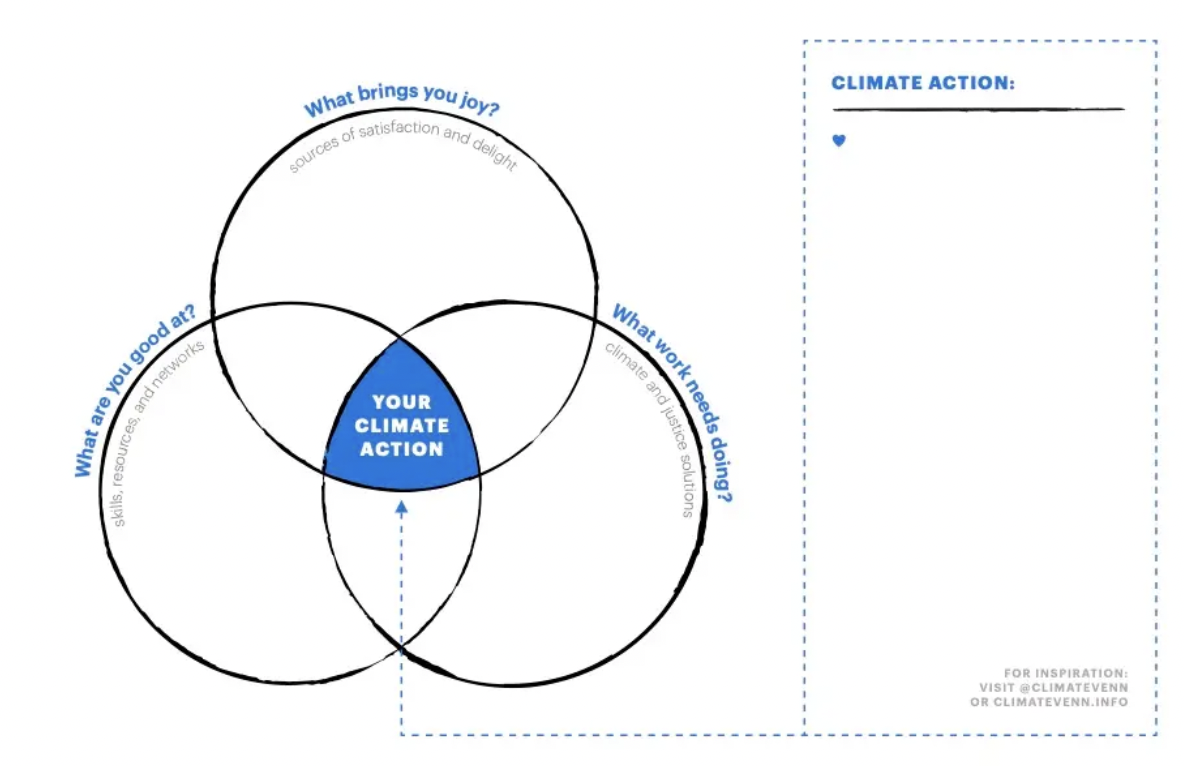
What If We Get It Right Venn diagram

My climate action, then, might be early childhood education in a public library setting: making sure that books about all the ways we can help our planet – and all of the land, forests, rivers, and oceans that make up our home and the home for beloved animal species – are available on our shelves and on displays, and featured in storytime programs. That in our arts and crafts activities, we are using both sides of the paper and avoiding plastics. That in our playtime, we are choosing sturdy, long-lasting toys, or even reusing big cardboard boxes (to play in and draw on) before recycling them.

Last spring, I wrote an article for the Massachusetts School Library Association newsletter/forum, “Hopeful Picture Books About Climate Change and Conservation,” because I believe it’s so important for kids to know about this issue, but not in a way that overwhelms them and paralyzes them with despair and hopelessness – in a way that shows them that positive change is possible and they can be part of it (though they might well be furious with older generations for their inaction; I sure am). Again: Hope is a propellant. And there is no Planet B.

As we prepare for a Republican administration led by a person who has called climate change a hoax, we can keep the big changes we want in mind and keep working at them, especially at the state and local level, but personal changes can make a difference too. Three of the books that shifted the way I eat, and where and when I buy food, are Barbara Kingsolver’s Animal, Vegetable, Miracle (2007), Once Upon A Time We Ate Animals (2021) by Roanne Van Voorst, and Ultra-Processed People (2023) by Chris van Tulleken.

onceuponatimeweateanimalsI wish I remember where I heard about Once Upon A Time We Ate Animals: The Future of Food by Roanne Van Voorst, but I requested it mainly based on the intriguing title (I love speculative fiction – and nonfiction). Van Voorst is a “futures anthropologist” and her premise for this book is that we are currently in the middle of a shift from “carnism” (eating meat and animal products) toward vegetarianism and veganism. The book is nonfiction, but spliced in are short fiction pieces set in the future, looking back on a past in which (many) humans ate animals. Whether you’re an omnivore, vegetarian, vegan, or other, this is a fascinating book, and will make you think differently about the way you eat – no matter which way that is currently.
Cover image of Animal Vegetable MiracleAnimal, Vegetable, Miracle: A Year of Food Life was published in 2007, but I didn’t get around to reading it until 2022. It is a year in the life of the Kingsolver family at their homestead, where they’ve committed to eating only what they can grow or source locally for one year. There are many good reasons to eat local, from climate to animal welfare to supporting the community you live in, though you don’t need to devote your life to growing all your own food and raising chickens (unless you want to!). There are farmers’ markets and CSA shares and local groceries in a lot of places – other places, unfortunately, are food deserts, and there’s plenty of advocacy to be done there – and when you eat foods that are in season, they taste better too. (Animal, Vegetable, Miracle also includes recipes.)
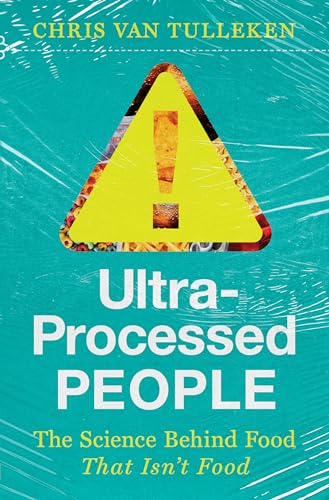
Cover image of Ultra-Processed PeopleUltra-Processed People: The Science Behind Food That Isn’t Food by Chris van Tulleken draws the reader’s attention to how much of the “food” we eat isn’t really food at all (as the subtitle indicates). Van Tulleken introduces the NOVA framework for classifying foods, from (1) unprocessed/minimally processed to (2) processed culinary ingredients (e.g. butter) to (3) processed food (e.g. canned beans) to (4) ultra-processed food (e.g. Coke, Doritos). One of the shocking pieces of information in this book was that the FDA does not regulate foods, or the ingredients that go into foods, anywhere near as much as you might imagine; there are giant loopholes for additives; companies can just say that various chemicals are safe without having any real scientific evidence to back that up.

What nonfiction books have shifted the course of your thoughts and actions?
Dino-vember

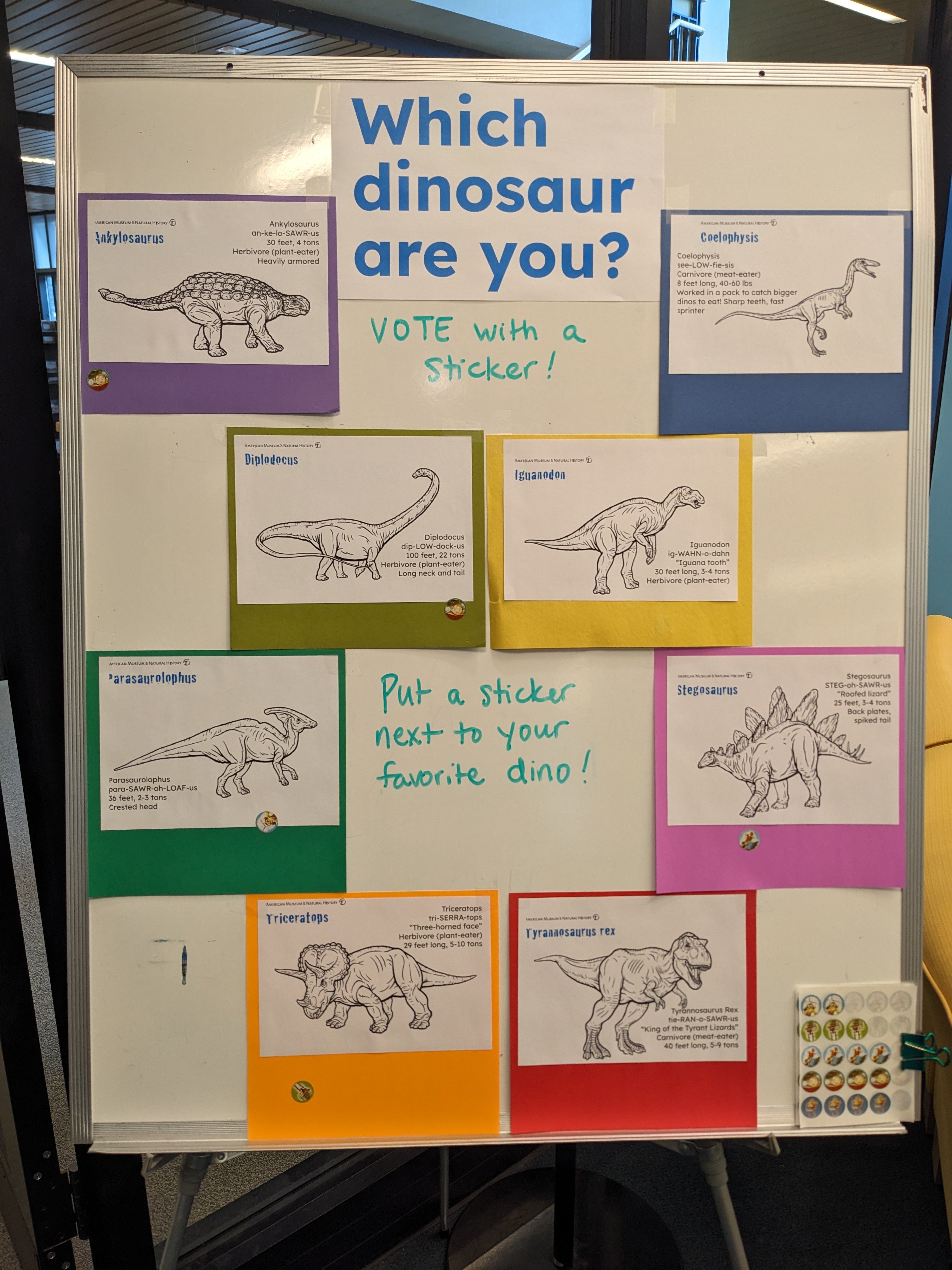
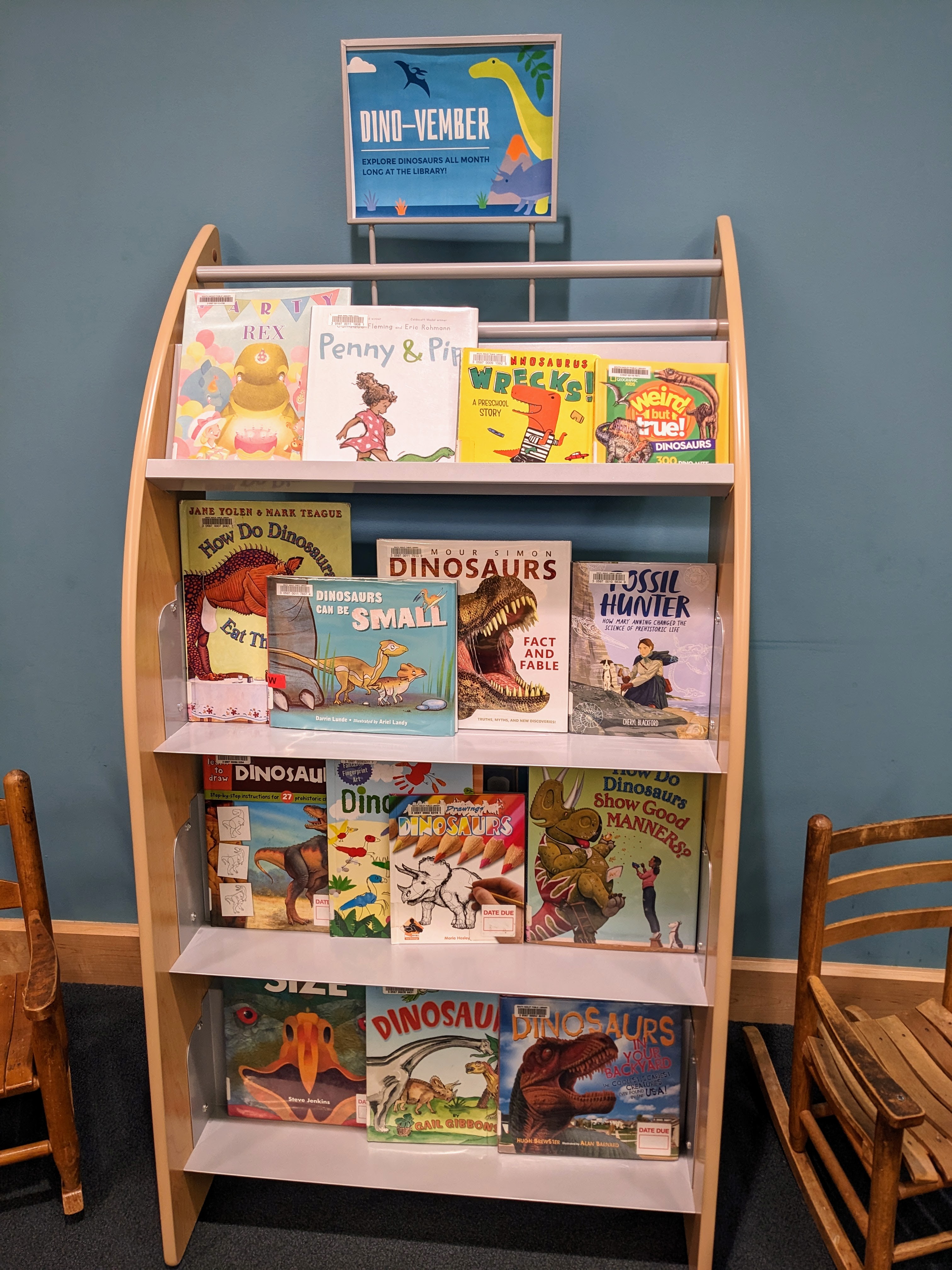
This ALSC post about Dino-vember inspired me to do a dinosaur display and a “Which dinosaur are you?” sticker vote this month. (Books for Indigenous Peoples’ month, also November, are displayed on an all-audiences display just outside the children’s room, at the bottom of the stairs.) Dinosaur illustrations are from the American Museum of Natural History; for extra facts and pronunciation, I referenced The Dinosaur Awards by Barbara Taylor (Frances Lincoln Children’s Books, 2021).

Which Dinosaur Are You? sticker vote board Dino-vember book display

A selected dinosaur booklist:

  • Tyrannosaurus Wrecks! by Sudipta Bardhan-Quallen, illus. Zachariah Ohora
  • I Dreamt I Was A Dinosaur by Stella Blackstone, illus. Clare Beaton
  • You Can’t Be A Pterodactyl! by James Breakwell, illus. Sophie Corrigan
  • How Dinosaurs Went Extinct: A Safety Guide by Ame Dyckman, illus. Jennifer Harney
  • Penny & Pip by Candace Fleming, illus. Eric Rohmann
  • Dinosaurs! by Gail Gibbons (NF)
  • On This Spot: An Expedition Back Through Time by Susan Goodman, illus. Lee Christiansen (NF)
  • We Don’t Eat Our Classmates by Ryan T. Higgins
  • How Big Were Dinosaurs? by Lita Judge (NF)
  • Dinosaurs Can Be Small by Darrin Lunde, illus. Ariel Landy
  • Dinosaur Feathers by Dennis Nolan (NF)
  • Dinosaurs in Space by Todd Sturgell
  • Goldilocks and the Three Dinosaurs by Mo Willems
  • Have You Seen My Invisible Dinosaur? by Helen Yoon

“Well, shoot”: On page turns and page spreads

Today, a few page spreads from picture books to surprise, delight, and amuse:

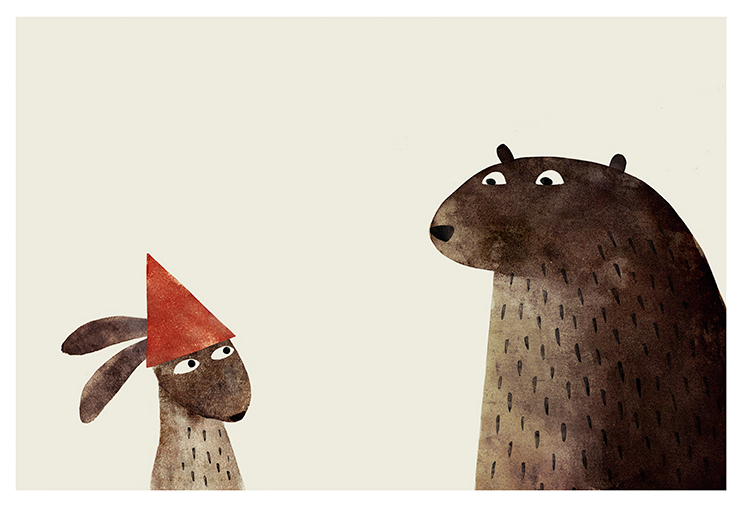
IWantMyHatBack-rabbit and bear

From I Want My Hat Back by Jon Klassen: This wordless spread captures the moment when the Bear confronts the rabbit who stole his hat. It’s a moment of tension and uncertainty, though the readers – and the rabbit – have a good guess what’s coming next.

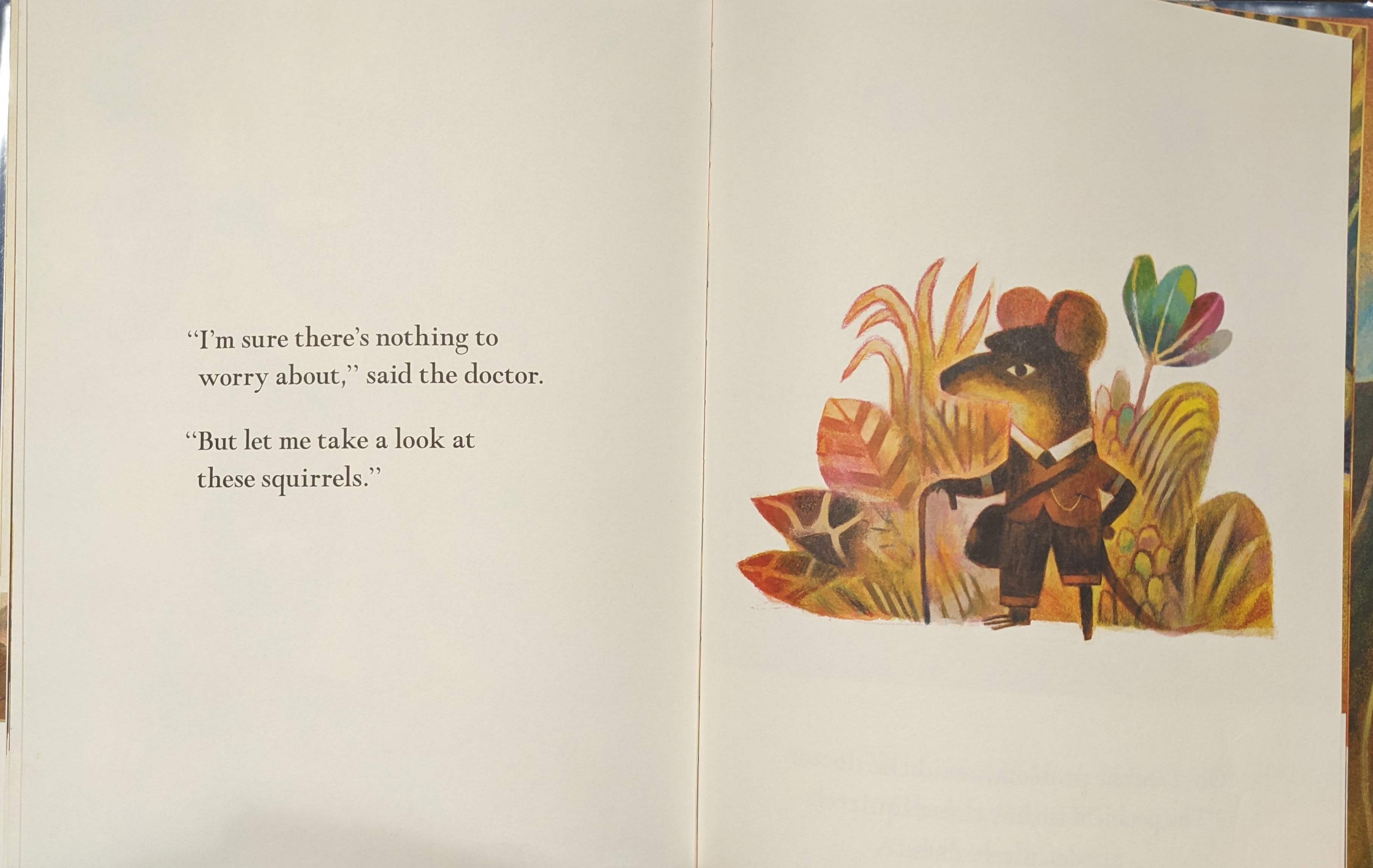
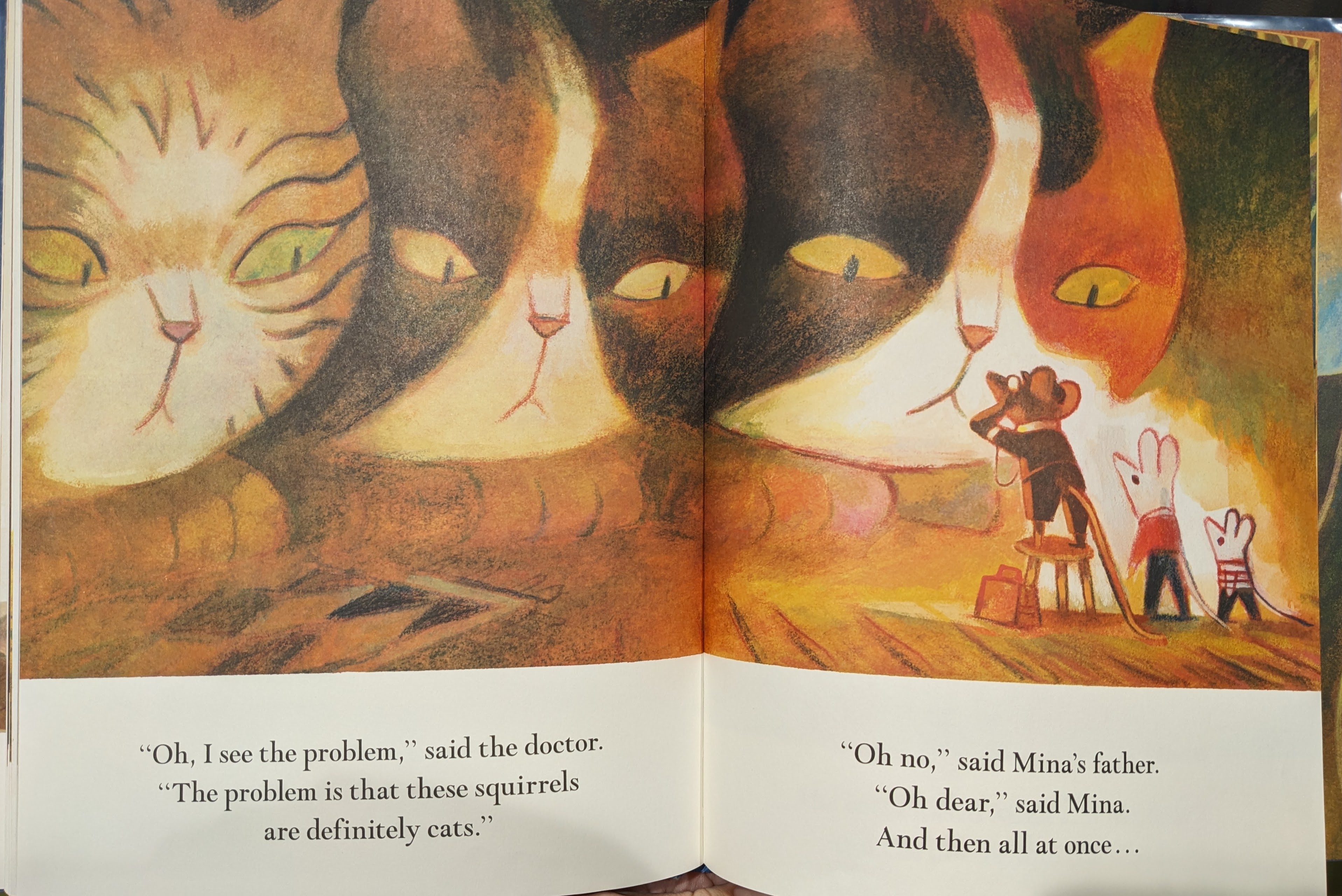
Next up is Mina by Matthew Forsythe, and if you haven’t read it yet, please stop reading this and go find a copy; or at least request a copy from your library, close your eyes, and scroll down a bit, because I don’t want to be responsible for ruining perhaps the single greatest page turn ever:

PXL_20241025_180612337PXL_20241025_180556386

“I’m sure there’s nothing to worry about,” said the doctor. “But let me take a look at these squirrels.”

“Oh, I see the problem,” said the doctor. “The problem is that these squirrels are definitely cats.”

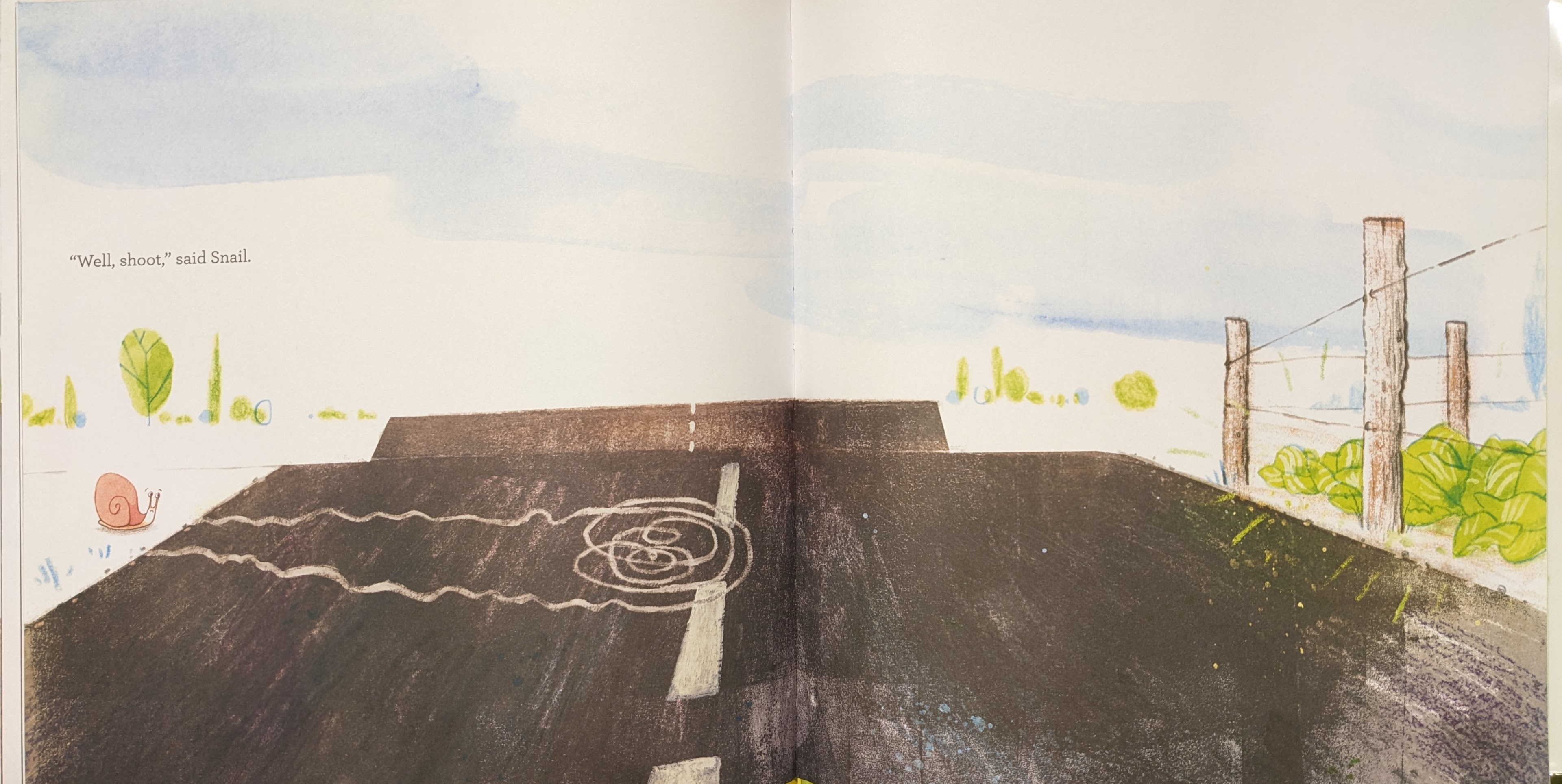
"Well, shoot." From Snail Crossing by Corey Tabor

This is the part in Snail Crossing by Corey Tabor where the snail realizes it has journeyed back to its starting place instead of making it across the road to where the delicious cabbages are. “Well, shoot.” I love the understatement of this, and the slime trail showing the snail’s path.

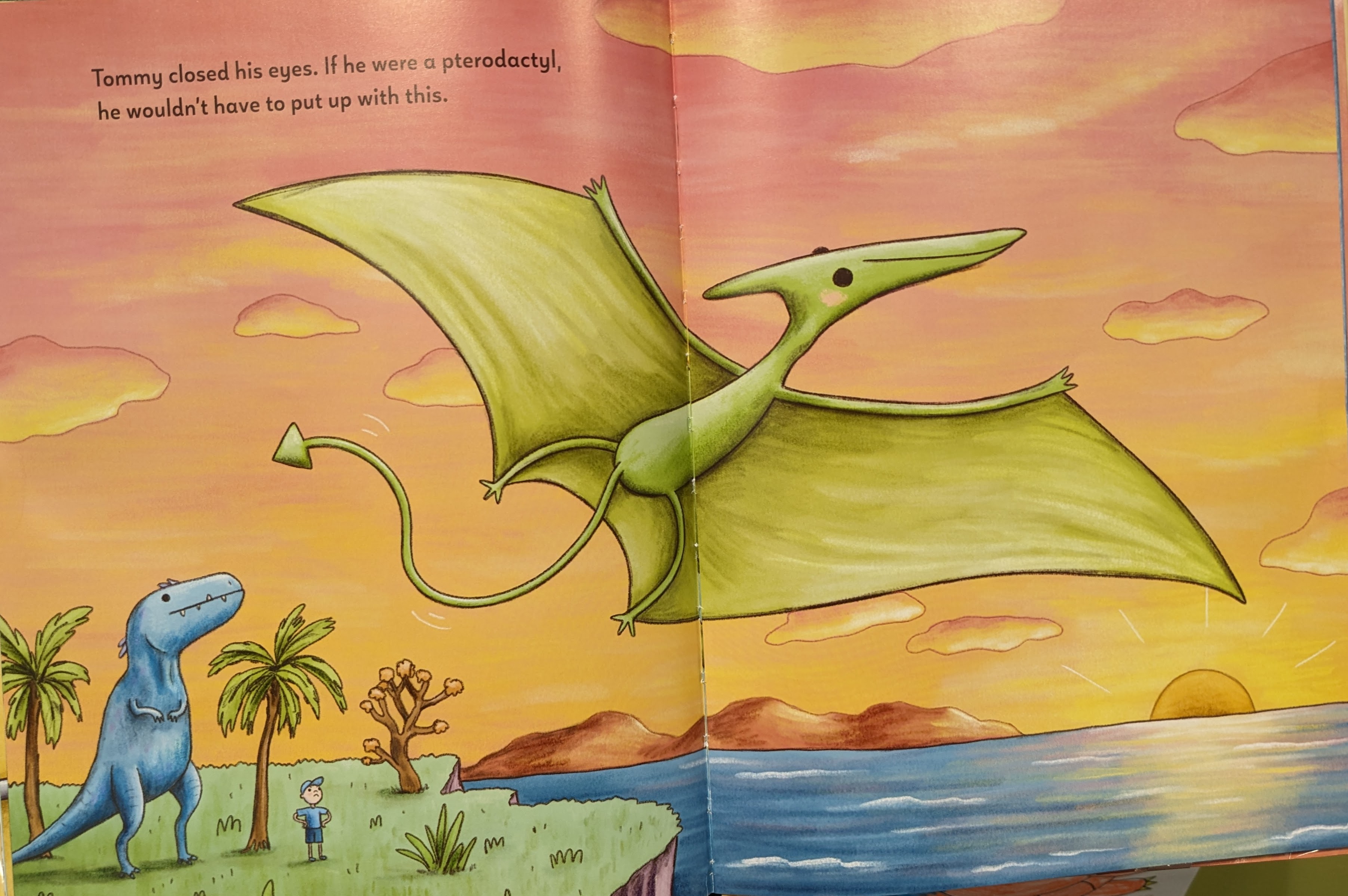
Page from You Can't Be A Pterodactyl

“Tommy closed his eyes. If he were a pterodactyl, he wouldn’t have to put up with this.” This gem is from You Can’t Be A Pterodactyl! by James Breakwell & Sophie Corrigan. Haven’t we all had moments like this? Kids, especially, often find their imaginative flights of fancy reined in and pulled back down to earth by adults (or even other kids).

"Final" page spread from Endlessly Ever After

This “final” page from Endlessly Ever After by Laurel Snyder and Dan Santat reminds readers “that every day…you choose.” The simple message is emphasized and made even more powerful by the 96-page book’s “pick your path” structure. In my experience, kids will want to read this one over and over again until they’ve made all the possible choices. And then they’ll want to read it again.

Do you have a favorite page turn or page spread from a picture book?

Pajama Storytime: One year anniversary

twinkle lights in a jar, a stack of booksThis Monday was the one-year anniversary of the Pajama Storytime program I started last fall. Some excited loyal regulars came in their jammies and slippers with their stuffed animals, and a brand-new family came too (they heard about it from a grandparent who visits the library weekly). We had cocoa and cookies and read some new books and some old favorites:

  • All At Once Upon A Time by Mara Rockliff, illustrated by Gladys Jose
  • Sleep: How Nature Gets Its Rest by Kate Prendergast
  • Cub’s Big World by Sarah Thomson, illustrated by Joe Cepeda
  • Where the Wild Things Are by Maurice Sendak (yes, everyone’s read it before; no, we hadn’t read it at Pajama Storytime yet. And I just read this cool article about it by picture book makers Jon Klassen and Mac Barnett. Pay attention to the moon!)
  • Hoodwinked by Arthur Howard
  • Endlessly Ever After: Pick Your Path to Countless Fairy Tale Endings! by Laurel Snyder and Dan Santat

Cover of Endlessly Ever AfterEndlessly Ever After has become a mandatory staple since last December; it’s the book we always end with, but it’s different every time because of its pick-your-path nature. (Our storytime group is beyond excited that there is going to be another one in, I think, 2026? Laurel and Dan, if you need beta readers, we are at your service.)

Here are a few other books we’ve read more than once at Pajama Storytime:

  • Dim Sum Palace by X. Fang (this has Night Kitchen vibes)
  • The Yawns Are Coming by Christopher EliopoulosCover image of Dim Sum Palace
  • Goodnight Veggies by Diana Murray and Zachariah Ohora
  • Night in the City by Julie Downing
  • Tell Me What to Dream About by Giselle Potter
  • Telling Stories Wrong by Gianni Rodari and Beatrice Alemagna
  • Are You Awake? by Sophie Blackall
  • Knight Owl by Christopher Denise
  • Just Because by Mac Barnett and Isabelle Arsenault
  • Cover image of Knight Owl

  • The Little Wooden Robot and the Log Princess by Tom Gauld
  • If You Come to Earth by Sophie Blackall
  • Inside the Slidy Diner by Laurel Snyder and Jaime Zollars
  • Mama in the Moon by Doreen and Brian Cronin
  • There’s a ___ in Your Book by Tom Fletcher

Cover image of All At Once Upon A TimeAs you can see, we lean toward bedtime books and fairy tales, including fractured fairy tales. I can already tell All at Once Upon A Time is going to be a repeat read; it goes so well with Endlessly, and the kids – and grown-ups! – who come to Pajama Storytime are old enough to understand and enjoy the humor. That’s something I love about Pajama Storytime: I get to read some wonderful books that are simply too long or complex for my morning storytime, which is mostly toddlers. There are great picture books for that age, too, and I love them, but Pajama Storytime lets me share more books with a different audience.

Allons-y! But not next week, the library will be closed on Monday for Indigenous Peoples’ Day.