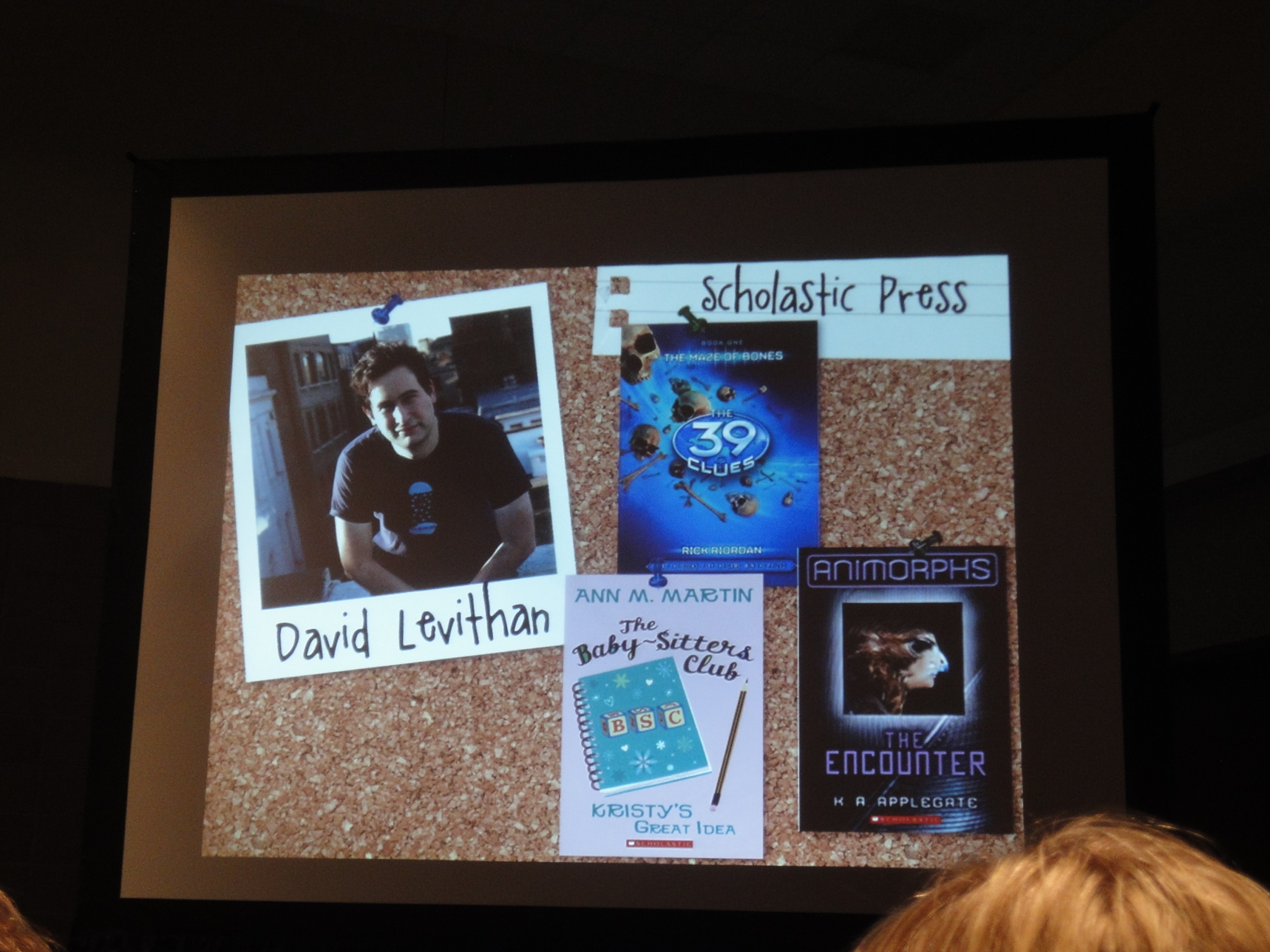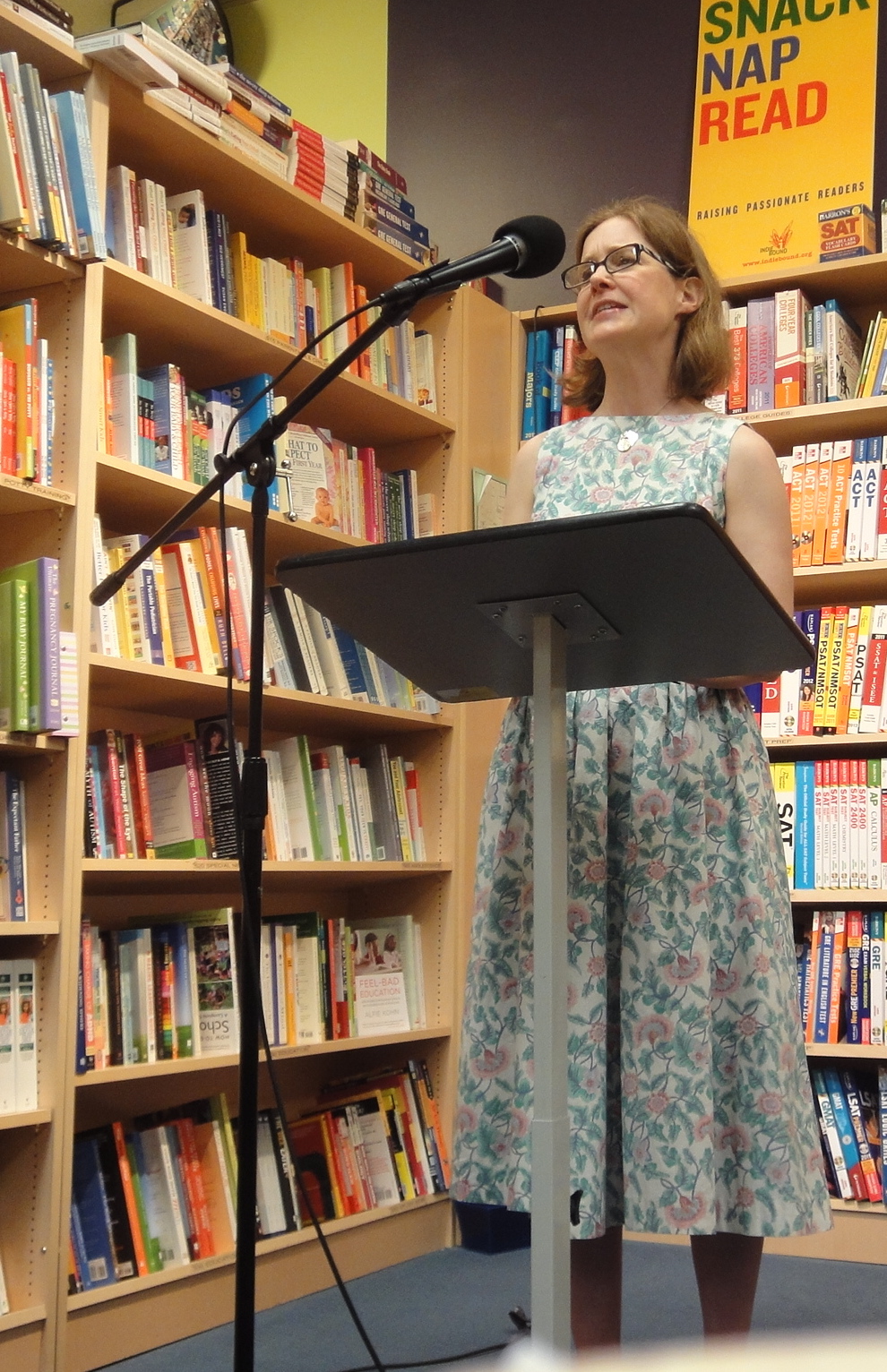
Lumping two events together so as not to be a complete commercial for either. The HarperCollins Book Buzz consisted of a panel of HarperCollins marketing people talking about upcoming HC titles (including The Lantern by Deborah Lawrenson, galleys of which they distributed at the event). They also mentioned several readers’ advisory-type blogs (all quotes below are taken from the respective sites’ About pages):
NetGalley is a “connection point for book publishers, reviewers, media, librarians, booksellers, bloggers and educators…Professional readers–reviewers, media, journalists, bloggers, librarians, booksellers and educators–can join and use NetGalley at no cost.”
EarlyWord is “a Blog and Web site on a mission — to give libraries the earliest information possible on the books their customers will be looking for, so they can stay ahead of demand. By giving readers what they want, when they want it, we believe libraries can increase their circulation and their support.”
The Book Report Network (BookReporter) provides “thoughtful book reviews, compelling features, in-depth author profiles and interviews, excerpts of the hottest new releases, literary games and contests, and more every week.”
And now for something completely different…(except in that it is a book, or more accurately several volumes)…
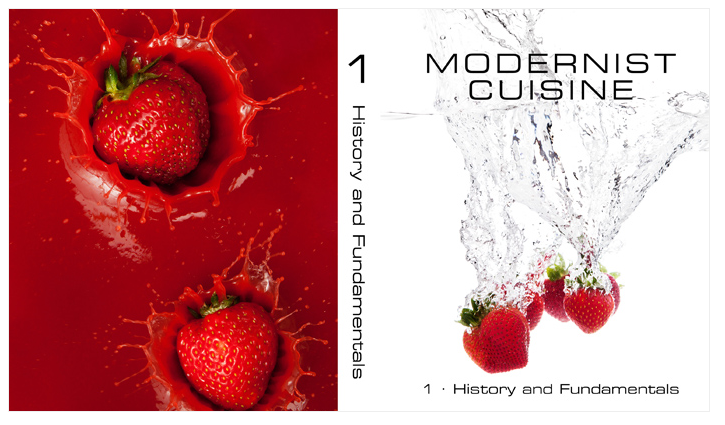
“In Modernist Cuisine: The Art and Science of Cooking, Nathan Myhrvold, Chris Young, and Maxime Bilet—scientists, inventors, and accomplished cooks in their own right—have created a six-volume 2,400-page set that reveals science-inspired techniques for preparing food that ranges from the otherworldly to the sublime. ”
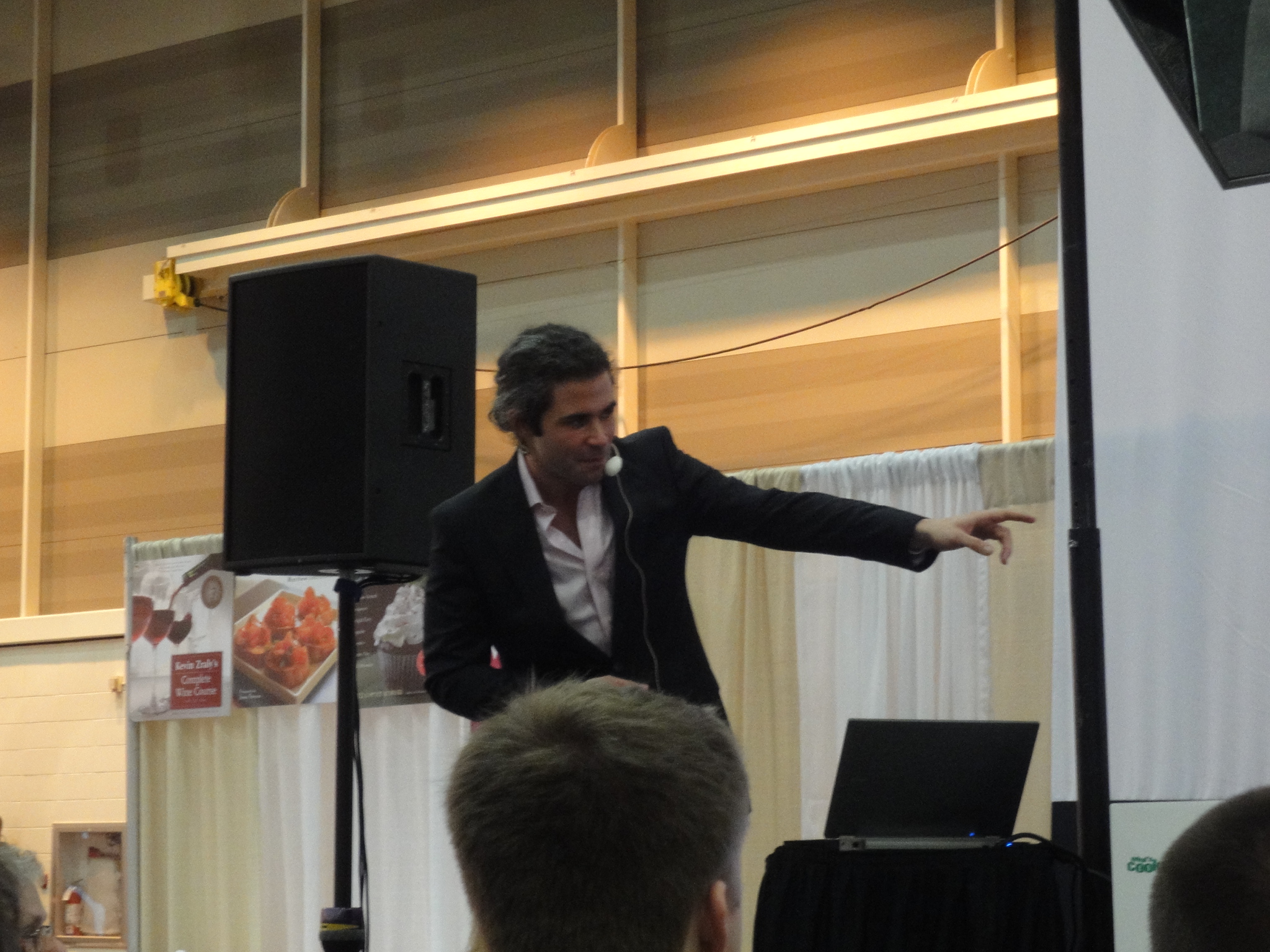
Maxime Bilet himself was at the What’s Cooking at ALA? stage, demystifying Modernist Cuisine. I have actually had the opportunity to browse through it, and was completely overwhelmed, but Bilet helpfully pointed out that recipes for superior macaroni & cheese and caramelized carrot soup can be found in Vol. 3, and that recipes for beurre blanc, pistachio gelato, and chocolate mousse can be found in Vol. 4.
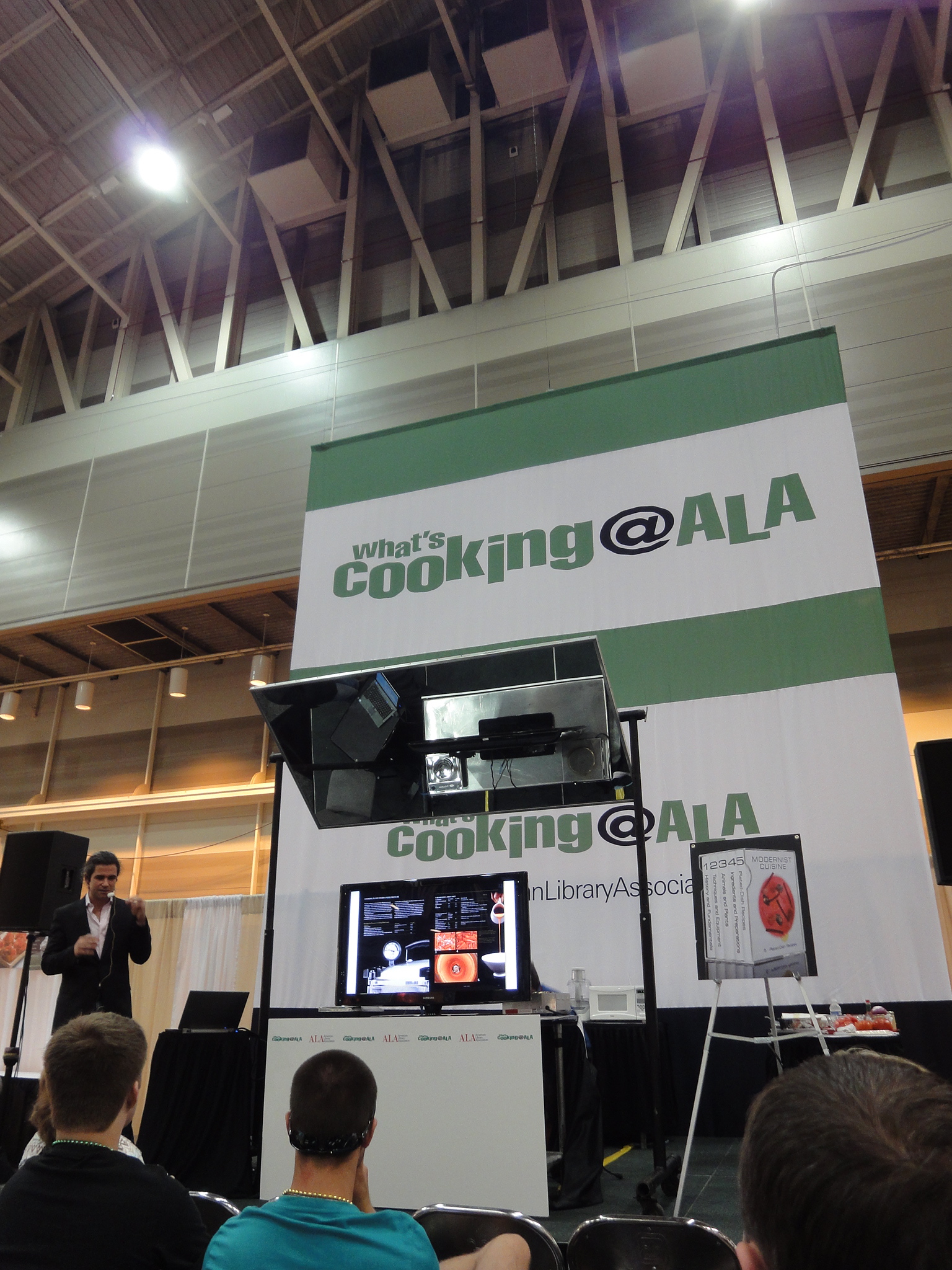
And for those who are wary of “modernist,” scientific cooking, Bilet says, “Cooking relies on science…Healthful cooking is flavorful cooking.” Another helpful tip: you can oxidize wine in a blender.
Now you know.