“Before Bean met Ivy, she didn’t like her”: Chapter books to recommend

Cover of Dory Fantasmagory: Center of the Universe“Chapter books,” in my library, are what I think of as “bridge” books between early readers (think Frog & Toad, Elephant & Piggie, etc.) and longer, more complex fiction. Chapter books are the sweet spot for emerging readers whose decoding and comprehension has improved beyond early readers, but who may not yet be ready – in terms of reading ability or emotional maturity – for longer, in-depth works like Freewater, The Eyes and the Impossible, and The First State of Being (the last three Newbery medal winners). They often have black-and-white spot illustrations or even full color illustrations (like The Princess in Black and Our Friend Hedgehog), but they aren’t picture books.

Here, I want to focus on those chapter books that I find myself recommending to families over and over again at the library and out in the wild. If your favorite go-tos aren’t on this list, I’d love to hear about them too!

Series

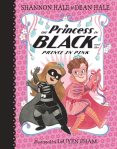
  • Cover image of The Princess in Black and the Prince in PinkThe Princess in Black by Shannon Hale, illustrated by LeUyen Pham: These are surefire hits for most kids moving out of early reader territory. Magnolia may look all pretty and proper in pink, but when the monster alarm goes off, she ducks into a closet, changes into all black, and goes off to fight monsters! The fight scenes have plenty of silly sound effects. The audiobooks, read by Julia Whelan, are exceptionally good.
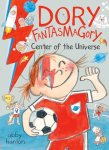
  • Dory Fantamagory by Abby Hanlon: Dory is one of my all-time favorite characters, with a clear division between her real world (mom, dad, older siblings Violet and Luke) and her imaginary one (villain Mrs. Gobblegracker, fairy godmother Mr. Nuggy, and monster Mary under the bed). Throughout the series, Dory makes a best friend (The Real True Friend), struggles with learning to read (Dory Dory Black Sheep), plays soccer with a former enemy (Center of the Universe), and more.
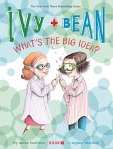
  • Ivy & BeanCover image of Ivy and Bean: What's the Big Idea? by Annie Barrows, illustrated by Sophie Blackall: The first book in this series has a killer opening sentence: “Before Bean met Ivy, she didn’t like her.” Soon, of course, the two are thick as thieves and get into all kinds of mischief together. My favorite book in the series is What’s the Big Idea?, where Ivy and Bean work together on a science project to make grown-ups love nature so they’ll want to protect it (it’s not as didactic as it sounds).
  • Desmond Cole, Ghost Patrol by Andres Miedoso and Eerie Elementary by Jack Chabert: These are series I recommend for kids who want something silly/scary/creepy/gross. They’re a little less horror genre than Goosebumps (but we have Goosebumps in the chapter book section too, for kids who want those!).
  • The Questioneers by Andrea Beaty, illustrated by David Roberts: Kids who loved the Questioneers picture books (e.g. Rosie Revere, Engineer), or who are familiar with the TV show Ada Twist, Scientist can move right up with Rosie, Iggy, Ada, and Sofia, who use teamwork and individual skills to solve problems and mysteries. Cover image of Jo Jo Makoons
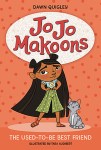
  • Jo Jo Makoons by Dawn Quigley, illustrated by Tara Audibert: Spunky seven-year-old Jo Jo lives on a fictional Ojibwe reservation (the first book in the series was an AILA middle grade honor book) and goes through all the usual kid conundrums, from making new friends to getting a snow day to facing a sleepover.
  • Book Buddies by Cynthia Lord, illustrated by Stephanie Graegin: In Ivy, Lost and Found, a formerly beloved doll ends up in a library collection for children to borrow. Each doll and stuffed animal in the collection gets a book for the adventures they have when they go home with the children who check them out. If young readers like this one, they might move on to Toys Go Out by Emily Jenkins or even The Borrowers by Mary Norton.
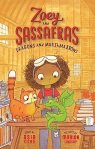
  • Cover image of Zoey and Sassafras: Dragons and MarshmallowsZoey & Sassafras by Asia Citro, illustrated by Marion Lindsay: This series is a brilliant blend of science (the scientific method) and fantasy (magical creatures and plants). It’s really fun!
  • The Story of Gumluck the Wizard by Adam Rex: A crow named Helvetica narrates this tale of a bumbling but good-hearted little wizard. Gumluck stories are light fairytale-ish fantasy with plenty of humor and a dash of philosophy.
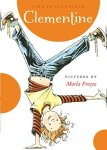
  • Cover image of ClementineClementine by Sara Pennypacker: I love, love, love third grader Clementine; she sits right next to Ramona Quimby in my heart. She lives with her family in Boston and refuses to call her brother by his given name (you never find out his real name, in all seven books) because it’s not fair she got stuck with a fruit name and he didn’t, so she always calls him different vegetable names (Cabbage, Spinach, Bok Choy, etc.). Her mom is an artist, her dad is the building handyman, and her upstairs neighbor Margaret is a perfectionist who frequently tells tales of the terrors of fourth grade. Jessica Almasy does an absolutely stellar job narrating the audiobooks, but don’t miss Marla Frazee’s interior illustrations.
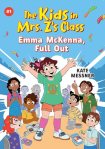
  • Cover image of The Kids in Mrs. Z's Class: Emma McKenna, Full OutThe Kids in Mrs. Z’s Class (Kate Messner, series editor): Five stars and two thumbs up for the concept and execution of this series, in which each of the 18 kids in Mrs. Z’s class at Curiosity Academy gets to star in their own book, each written by a different author. The series can be read in any order, though it’s not a bad idea to start with Messner’s series opener, Emma McKenna, Full Out. It’s a great way to introduce readers to a slew of authors whose books they may want to try next!

Standalone

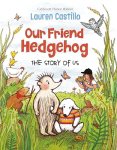
  • Cover image of Our Friend HedgehogOur Friend Hedgehog by Lauren Castillo: This absolute darling full-color illustrated story is about friendship and moving and journeys. There’s a sequel, A Place to Call Home, but I’m still putting it in the standalone category, because it does. Castillo also writes and illustrates picture books; Nana in the City won a Caldecott Honor.
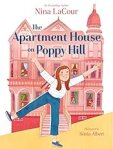
  • The Apartment House on Poppy Hill by Nina LaCour, illustrated by Sonia Albert: Nine-year-old Ella lives with her moms, and she is in everyone’s business! Cover image of The Apartment House on Poppy HillBut what is going on with her secretive upstairs neighbors? This one also has a sequel now (Ella Josephine, Resident in Charge), which is worth checking out. Ella is confident and organized, comfortable talking to adults and even helping them solve problems; she’s the kind of kid who dreams of leading meetings, and she’s fun to read about whether you are that kind of person yourself or not.
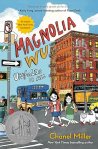
  • Magnolia Wu Unfolds It All by Chanel Miller: This 2025 Newbery Honor book is set in and around a New York City laundromat run by Magnolia’s parents. Cover image of Magnolia WuWhen Magnolia’s new friend Iris encourages Magnolia to return lost socks to their owners, it’s an opportunity for Magnolia to show Iris everything she loves about the city, even though Iris misses her old home. The two encounter anti-Asian hate, but they love and are proud of their families and their community, and they figure out how to smooth the bumps in their growing friendship and come out stronger together.
  • The Story of Diva and Flea by Mo Willems, illustrated by Tony DiTerlizzi: Now ten years old, this story still appeals, especially to animal lovers and/or kids who are interested in wandering around Paris vicariously.
  • Cover image of BunniculaBunnicula by James Howe: This “rabbit-tale of mystery” was published in 1979 and I contend that it holds up today. (There’s also a graphic novel version now.) Harold the dog and Chester the cat are appalled when their humans bring home a mysterious black and white rabbit they found while seeing the movie Dracula; Chester believes “Bunnicula” is a vampire bunny and goes to great lengths to vanquish him, to Harold’s unease. Pun-filled sequels follow (Howliday Inn, The Celery Stalks at Midnight), but the original stands alone.

So, those are some of my go-to recommendations. What’d I miss?

Fall (and Summer) Standouts

Back in early April I wrote about my “spring standouts,” books published in 2025 that I’d read and thought were stellar. I think I’d intended to write another in the summer and another in fall, so when it was time for my annual wrap-up, I’d have these to look back on…but here we are in mid-October. Whoops! All titles below were published in 2025 unless otherwise indicated (there are a few I couldn’t resist including). 

Picture BooksCover image of We Are the Wibbly

  • Anything by Rebecca Stead and Gracey Zhang: A book about a child who didn’t want to move, and a dad who makes their new apartment home.
  • We Are the Wibbly by Sarah Tagholm and Jane McGuinness: Hands-down the funniest picture book of the year. Also, it contains enough information about the frog life cycle that SLJ reviewed it as “nonfiction,” although it has an awful lot of talking tadpoles to meet that bar.
  • Worm Makes A Sandwich by Brianne Farley: Oh, earnest worm! Adjust your definition of “make” and also the time you think it takes to make a sandwich, but what delicious results.
  • Ten Beautiful Things by Molly Beth Griffin and Maribel Lechuga: On a drive to a new home, adult and child find ten beautiful things along the way – a balance to the implied grief of losing a loved one.Cover image of Hurricane
  • Hurricane by Jason Chin: Chin’s watercolor illustrations are always outstanding, and here they’re in service to what it’s like for a community to prepare for, experience, and recover from a hurricane. Powerful, and packed with information and touching details.
  • Where Are You, Bronte? by Tomie de Paola and Barbara McClintock: Tomie left the manuscript; Barbara’s illustrations honor Tomie (and Bronte) perfectly.
  • Some of Us by Rajani LaRocca and Huy Voun Lee: “Some of us are born here. Some of us choose.” A radiant book on what it means to be a citizen.
  • Bear Is A Bear by Jonathan Stutzman and Dan Santat (2021): Somehow I missed this when it first came out; loyal library visitors recommended it to me and I’m so glad they did. Some special objects travel from generation to generation.
  • The Music Inside Us by James Howe and Jack Wong: A biography of cellist Yo-Yo Ma that is appealing and approachable for kids; after we read it, we watched a few of the videos mentioned (his first visit to the White House, his appearances on Sesame Street and Mister Rogers).Cover image of A Fall Day for Bear
  • A Fall Day for Bear by Bonny Becker and Kady MacDonald Denton: Bear and Mouse (small and gray and…not so bright eyed?!) return, but their roles are reversed, keeping this beloved series fresh.
  • The Pink Pajamas by Charlene Chua: A story about family, grief, and passing skills along.
  • Five Little Friends by Sean Taylor: Essential for storytimes, especially baby storytimes! Excellent, participatory rhymes.
  • If You Make A Call on A Banana Phone by Gideon Sterer and Emily Hughes: One thing leads to another in this imaginative work; fans of Charlie & Mouse will recognize the art.Cover image of Cat Nap
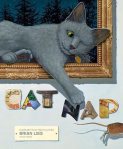
  • Cat Nap by Brian Lies: A cat-and-mouse chase like you’ve never seen before. A note from the artist explains his respect for traditional, physical media, and how he learned each different medium to make the book, from stained glass to woodworking, sculpture to oil paint.  
  • The 13th Day of Christmas by Adam Rex: Didn’t you ever wonder who that song was about? Now we know.

Middle GradeCover image of The Undead Fox of Deadwood Forest

  • How to Talk to Your Succulent by Zoe Persico: Sure, lots of people talk to plants…but sometimes, the plants talk back.
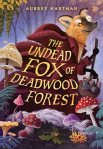
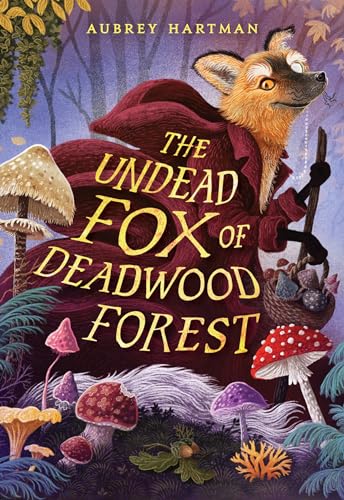
  • The Undead Fox of Deadwood Forest by Aubrey Hartman: A lonely undead fox guides other spirits through to their next stages, but is reluctant to pass through himself. Spooky, philosophical, and somehow cozy too; I would not be surprised or upset if this got some Newbery attention.
  • Batcat: Cooking Contest by Meggie Ramm: I love Batcat and Al so much. This time, they participate in a cooking contest at a fall festival.
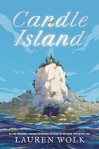
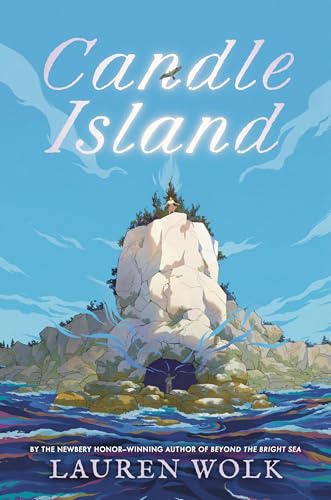
  • Candle Island by Lauren Wolk: A mother and daughter move to an island – a terrible place to keep secrets.Cover image of Candle Island
  • Oddball Histories: Spices & Spuds by Andy Warner: This informative graphic novel finally explains why salt and pepper were so darn important that countries were willing to invade and colonize for them.
  • So Over Sharing by Elissa Brent Weissman: This book couldn’t really have existed before the age of “influencers,” but its story of two daughters of “momfluencers” joining forces to make themselves heard is timely – and shows that sometimes, kids are savvier about privacy than adults are.
  • The Trouble With Heroes by Kate Messner: This novel in verse tackles all 46 Adirondack peaks, 9/11, and it has cookie recipes. And the dog is okay.
  • Into the Bewilderness by Gus Gordon: This charming, offbeat graphic novel is a classic grumpy/sunshine buddy comedy.
  • The Midwatch Institute for Wayward Girls by Judith Rossell: An orphan gloomy about her fate lands in a surprisingly magical place, where girls learn all kinds of useful skills and solve mysteries and crimes in their city. An absolute delight.Cover image of How to Say Goodbye in Cuban
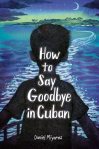
  • How to Say Goodbye in Cuban by Daniel Miyares: Daniel’s main character here is his own father during Carlos’ childhood in Cuba, as Fidel Castro takes over and many people decide to flee. A sentence or two of historical context precedes each chapter, giving readers just enough to understand the story.
  • The Teacher of Nomad Land by Daniel Nayeri: An unusual WWII-era story set in Iran in 1941, with a fiercely devoted pair of siblings and a Jewish refugee at its center, and a theme of communication between people.
  • Dory Fantasmagory: Center of the Universe by Abby Hanlon: Dory joins a soccer team, and it goes exactly how you’d expect. Dory hasn’t lost any steam in her seventh book, and I laughed out loud more than once. Everyone in my family fought to be the first to read this one.Cover image of A World Without Summer
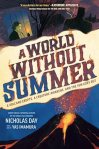
  • A World Without Summer by Nicholas Day: I loved last year’s The Mona Lisa Vanishes, and this one is even better because of the way it connects the climate shock caused by the eruption of Mount Tambora in 1815 to the climate change of today. The author’s style is quick and direct, and the tangents/B-plots are fascinating, from Mary Shelley’s Frankenstein to the velocipede to the naming of clouds and the study of weather.
  • Pocket Bear by Katherine Applegate: In WWI, some soldiers carried “pocket bears,” tiny companions to keep them company. In the home of modern-day Ukrainian refugees, Pocket Bear and other toys find a new lease on life and new homes. Poignant without being saccharine.
  • The Poisoned King by Katherine Rundell: This sequel (of a planned five-book arc) to Impossible Creatures is satisfyingly Shakespearean; Christopher Forrester returns from the first book to assist Princess Anya, and the dragons.
  • Rialto by Kate Milford (2026): Anxiety, amusement parks, a treasure hunt, a mystery; this is a brilliant stand-alone, but devoted fans will notice many little nods to earlier Milford books (especially The Raconteur’s Commonplace Book).

Young AdultCover image of Dan in Green Gables

  • The Judgment of Yoyo Gold by Isaac Blum (2024): Orthodox Jewish communities plus forbidden social media makes for a deeply relatable story.
  • Sunrise on the Reaping by Suzanne Collins: At last, Haymitch’s (bleak) story is revealed.
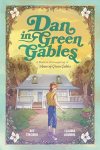
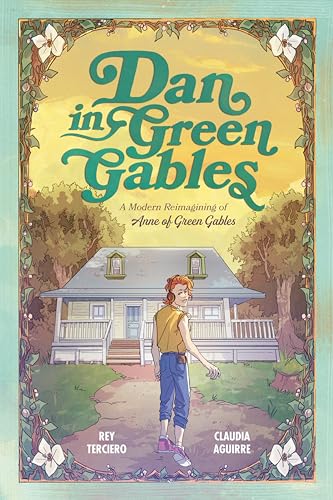
  • Dan in Green Gables by Rey Terciero: An irrepressible gay teen is dropped by his mother with grandparents he’s never met, and makes the best of a new situation, inspiring change in others and learning to be a bit more flexible as he does so. Joyful.
  • Vincent and Theo by Deborah Heiligman (2019): An incredibly well-researched deep dive into the brothers’ friendship and struggles, and the importance of Vincent’s sister-in-law in preserving his paintings and legacy.Cover image of Scarlet Morning
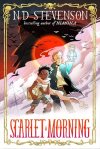
  • Scarlet Morning by ND Stevenson: Viola and Wilmur brave the peculiar dangers of their salt-encrusted world, adventuring with pirates and learning that the stories they grew up on are, in fact, still ongoing. Richly imagined; I want part two immediately.

Adult

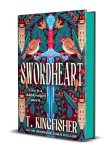
  • Swordheart by T. Kingfisher: This ensemble adventure quest is a perfect and deeply satisfying example of a heroine’s journey (see below). Cover image of Swordheart
  • Run for the Hills by Kevin Wilson: What if half-siblings started showing up out of the woodwork, and teamed up to hunt down a missing parent?
  • The Heroine’s Journey by Gail Carriger: Many readers and writers are familiar with the hero’s journey – but there’s another way of storytelling with completely different values and beats.
  • Time Loops and Meet Cutes by Jackie Lau: I do love a time loop romance. This one is cleverly done.
  • The Listeners by Maggie Stiefvater: Stiefvater’s first adult book (she’s been writing YA for years) knocks it out of the park, with a WWII-era story set in Appalachia, where a resort hotel is converted to hold Axis diplomats until they can be swapped to bring their Allied counterparts home. Cover image of The Listeners
  • The Nine Lives of Rose Napolitano by Donna Freitas: With this speculative premise, Rose’s life fractures into nine different timelines when she argues with her husband over (not) taking prenatal vitamins.
  • Memorial Days by Geraldine Brooks: Without the rituals of religion, the process of grieving is often shunted aside by the paperwork of death and the logistics of funeral planning. Years after her husband’s death, Brooks takes herself far away to grieve properly.
  • The Very Secret Society of Irregular Witches by Sangu Mandanna: Another heroine’s journey with a cozy magical ensemble cast (see also: The Teller of Small Fortunes, The House on the Cerulean Sea)
  • Dinner With King Tut by Sam Kean: Experimental archaeology seeks to learn about the past through hands-on experience: making and using tools to better understand the peoples of other times and places. Fascinating.Cover image of The Art of Ramona Quimby
  • The Art of Ramona Quimby by Anna Katz (2020): This is technically an adult book…about children’s books. It’s the most riveting “coffee table book” I’ve ever read: a nostalgic trip through each book about Ramona Quimby and her family, presenting and comparing how each illustrator chose to represent the characters and scenes. 

The Heavy Medal and Calling Caldecott blogs are ramping up in preparation for youth book award season in January; I’m sure there will be more noteworthy books between now and the end of December. What have you read so far this year that you think more people should know about?

Quotes from 2026 Heavy Medal contenders

There are 96 suggested titles for SLJ’s Mock Newbery blog, Heavy Medal. Steven Engelfried challenged readers to find “words on the page” that demonstrated this year’s books’ excellence; here are some quotes I pulled from books eligible for the 2026 Newbery. Many are about grief, but they also touch on joy, friendship, and art.

From BAD BADGER by Maryrose Wood:
Perhaps friendship was like that. Perhaps a never-ending parade of misunderstandings was to be expected. Perhaps there was always a sense of mystery about the ones we care for, no matter how fond we are, or how well we imagine we know them. (page 29)


From THE TROUBLE WITH HEROES by Kate Messner:
The nightmares never leave. They never fade.
And heroes aren’t allowed to be afraid. (page 153)


From CANDLE ISLAND by Lauren Wolk:
Some things required solitude.
Some things could be strangled by the idea of an audience, even one on its feet, applauding. (page 62)


From DAN IN GREEN GABLES by Ray Terciero:
“How do you do that? Go from Depeche Mode-depression to total joy in a few seconds?”
“Happiness is a revolution, one that everyone has a right to enjoy. But sometimes? You have to work really hard at it. Especially if it doesn’t come naturally.” (page 73)

(This one’s also got some fantastically funny, snappy dialogue, like Mawmaw asking “What’s an ascot?” and Dan replying “What’s a succotash?”)


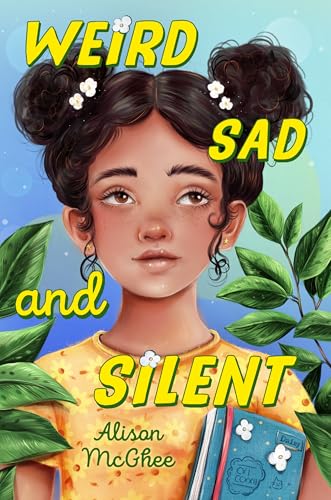
From WEIRD SAD AND SILENT by Alison McGhee:
Instead of visualizing, I’ve decided to call it futurizing. The future has not yet come. But I’m working on it. (page 3)


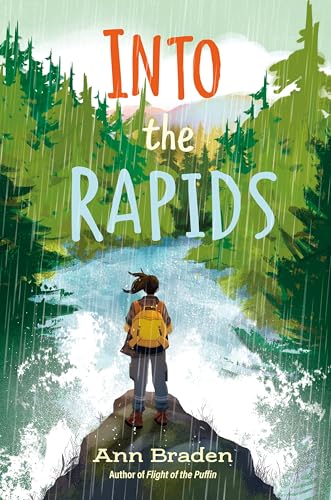
From INTO THE RAPIDS by Ann Braden:
How can I be so quick to understand that death can happen to anyone at any time, while simultaneously not being able to think about what it could have been like if someone hadn’t died? (pages 38-39)


From THE UNDEAD FOX OF DEADWOOD FOREST by Aubrey Hartman:
Mushrooms were not like animals or trees. They were soft and fragile, and they did not accept abuse: They stayed in the world only as long as it was gentle with them. (page 232)


From 13 WAYS TO SAY GOODBYE by Kate Fussner:
I’m afraid to move forward without her, to become someone she’ll never know. (page 200)


Storytime Gold: Toddler and preschool read-alouds

Cover of Huff & PuffIt’s a funny thing that it can be much harder to write something short than something long. To tell a story as concisely as possible, you have to cut everything unnecessary. I haven’t counted, but I’d bet most of these books clock in at well under 500 words, and that’s just perfect for young ones, especially at library storytimes (their individual attention spans might be longer in a quieter environment at home).

Rhyming is a plus (Jamberry, Some Bugs, There’s A Bear on My Chair, etc.), concepts are good (The Very Hungry Caterpillar introduces counting, foods, and days of the week; A Seed Grows shows the life cycle of a sunflower), and a story with a pattern helps little ones follow what’s happening – and can deliver humor when the expectation established by the pattern is broken (The Giant Jumperee, Mr. Scruff). Books for littles can deal with managing feelings (The Rabbit Listened, Grumpy Pants), play with sound (Let’s Be Bees, Who Meows?), and even be interactive (Huff & Puff, There’s A __ In This Book).

Here are some of the books I reach for when I need short, captivating books for toddler and preschool storytimes:

  • The Rainbow Snail by Karin Akessoncover of Pete's A Pizza
  • Please, Mr. Panda by Steve Antony
  • Marta! Big and Small by Jen Arena
  • Every Monday Mabel by Jashar Awan
  • Roll, Roll Little Pea by Cecile Bergame
  • If I Was A Horse by Sophie Blackall
  • Hippos Go Berserk by Sandra Boynton
  • The Very Hungry Caterpillar by Eric CarleCover of Who Meows?
  • There’s A Bear on My Chair by Ross Collins
  • Jamberry by Bruce Degen
  • Some Bugs by Angela DiTerlizzi
  • The Rabbit Listened by Cori Doerrfeld
  • The Giant Jumperee by Julia Donaldson
  • Oh, No! by Candace Fleming
  • There’s A ___ In This Book by Tom Fletcher
  • Ten Little Fingers and Ten Little Toes by Mem FoxCover image of Let's Be Bees
  • Where Is the Green Sheep? by Mem Fox
  • Roller Coaster by Marla Frazee
  • The Odd Egg by Emily Gravett
  • Let’s Be Bees by Shawn Harris
  • Oh No, George! by Chris Haughton
  • A House by Kevin Henkes
  • Dig Dig Digger by Morag HoodCover of Every Monday Mabel
  • Mr. Scruff by Simon James
  • What Can A Mess Make? by Bee Johnson
  • Just One Flake / Just One Wave by Travis Jonker
  • A Cat Like That by Lester Laminack
  • Will Ladybug Hug? by Hilary Leung
  • Chicken Wants A Nap by Tracy MarchiniCover of Dig Dig Digger
  • Ten Little Squirrels by Bill Martin, Jr.
  • Grumpy Pants by Claire Messer
  • Who Meows? by Robin Page
  • Mister Kitty Is Lost! by Greg Pizzoli
  • A Seed Grows by Antoinette Portis
  • Somewhere in the Bayou by Jarrett and Jerome Pumphrey
  • My Spring Robin by Anne RockwellCover of There's A Bear on My Chair
  • Huff & Puff by Claudia Rueda
  • Little Penguins by Cynthia Rylant
  • One of These Is Not Like the Others by Barney Saltzberg
  • One Little Blueberry by Tammi Salzano
  • Pete’s A Pizza by William Steig
  • Goose by Laura Wall
  • Spots in a Box by Helen WardCover of Hello Hello
  • Hello Hello by Brendan Wenzel
  • More, More, More Said the Baby by Vera B. Williams
  • Hooray for Hat by Brian Won
  • Where’s My Nose? by Lucas Zanotti

What are your favorite books to share at preschool and toddler storytimes?

Related posts:

Baby Lapsit Storytime

Great Books to Share with Two- and Three-Year-Olds

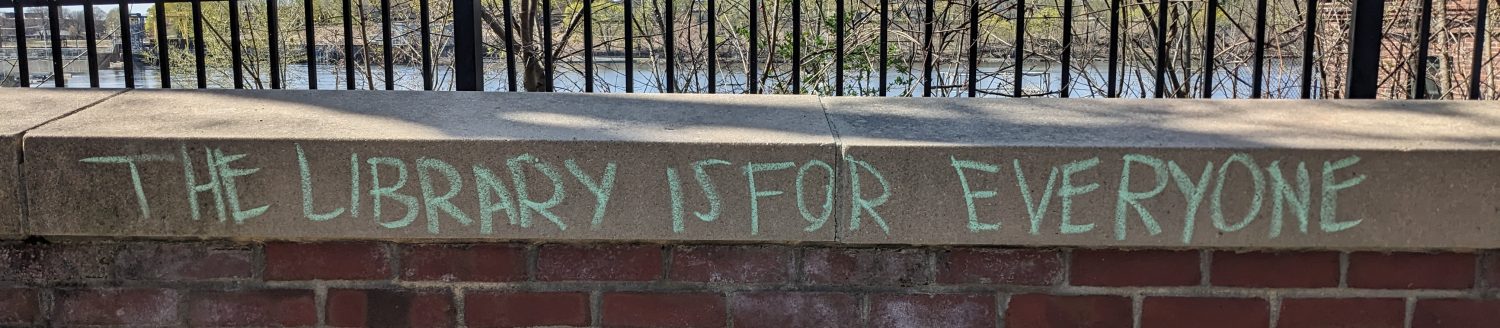
Chalk painting and STEAM

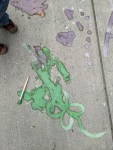
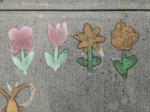
green and purple chalk paintingI cannot bear waste, so I’m always seeking ways to use up the last little bits of things – for example, little nubs of sidewalk chalk too small to draw with. Over school vacation week, my handy 9yo assistant happily picked all the small bits of chalk out of the bin and bashed them up (carefully) with a hammer. (She separated the chalk by color into different bags and crushed them on a piece of cardboard outside.) I funneled the colored chalk into separate containers, and waited for good weather…which arrived today! After story time, I mixed the powdered chalk with water in bowls, and we went outside to the library patio for some chalk painting. It was great fun! There’s still plenty of chalk left, so we may do this at STEAM as well later this summer.

chalk paint flowersNow that I’ve reduced STEAM time for kids ages 5-11 to a manageable frequency (twice a month instead of every week), it’s been going great. Here are some of the activities we’ve done since the program began in January:

  • Robot Turtles board game
  • Spot It! card game
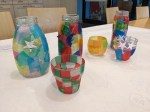
  • Creating and decoding messages with Caesar ciphers glass jars covered in tissue paper and modpodge
  • Penny boats (supplies: aluminum foil, watertight bins, water, about $5 in pennies)
  • Jigsaw puzzles
  • Word scrambles
  • Building block challenges with big and regular-size Jenga blocks
  • Primary color painting
  • 3D paper snowflakes (supplies: paper, stapler/tape, scissors, yarn or ribbon)
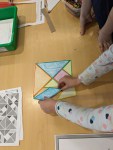
  • Make Your Own Board Gamea pair of hands arranging tangrams into a square
  • “Stained glass” luminaria (supplies: old honey or jam jars, tealights, colored tissue paper, mod-podge, brushes)
  • Make Your Own Tangrams (supplies: cereal boxes, Tangram template, markers/crayons, scissors, glue). This is one of my favorites, because of the way it combines art and math; I’m looking forward to doing tessellations later.
  • Scattergories Jr.
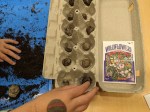
  • Origami bookmark cornerswildflower seed bombs in egg carton with seed packet
  • Wildflower seed bombs (supplies: clay, compost, seeds; egg cartons to transport them home)

Sometimes, we start STEAM with a book to introduce the topic, or to use as a reference during our activity. For example:

  • Mix It Up! by Herve Tullet (for primary color painting)
  • The Science of Seafaring by Anne Rooney, Big Book of Science Experiments (2011), Alpha Bravo Charlie by Sara Gillingham (for penny boats)
  • Maker Comics: Design A Game! by Bree Wolf (for make your own board game)
  • Math Lab for Kids by Rebecca Rapoport and Highlights Tangrams (for Tangrams)
  • Yoko’s Paper Cranes by Rosemary Wells (for origami bookmarks)
  • Wintergarden by Janet Fox and Up in the Garden and Down in the Dirt by Kate Messner (for seed bombs)

In general, this has been a fairly easy, low-budget program to run. I keep a running list of ideas, books, and materials in a google doc, and use a lot of recyclable materials (like cereal boxes or honey jars) or ones we already have (like paint and paint brushes), or share new supplies with teen programs (teens made seed bombs too).

Guest presenters occasionally lend their expertise: in early spring, an author from Northeast Wildlife visited to teach about animal tracks, scat, and food sources (lots of animals each acorns!). This summer, our regional health nurse is bringing UV bead bracelets to emphasize the importance of sun protection, and one of our library trustees, who is also a master quilter, is going to lead a session on hand-sewing and help us make a small quilt we can hang in the library. So, we’re STEAMing along!

NESCBWI25: Hope is the thing with feathers

NESCBWI conference logoThe New England Society of Children’s Book Writers & Illustrators (NESCBWI) spring conference was last weekend in Stamford, and it felt much like a library conference…possibly because every other attendee I met was either a teacher, librarian, or a teacher-librarian. I took a mere 14 pages of notes, which I’ll try to condense to key takeaways here. But first, I’m grateful to the organizers (almost all volunteers), presenters, panelists, and other attendees for creating an opportunity to come together to share a love of children’s literature and art, offering encouragement as well as actionable advice, and reaffirming our mission to tell and share all stories, for all kids.

From Rajani LaRocca’s morning keynoteCover image of Red White and Whole
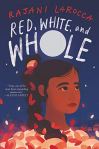
In which there was extensive, and justified, quoting of Madeleine L’Engle:

  • Everyone deserves to see themselves in books, and everyone deserves to read about people who are not exactly like them – and learn how much we have in common. “Stories make us more alive, more human, more loving.” –Madeleine L’Engle
  • Rajani’s hopes for her stories: None of us is just one thing. History doesn’t define us but it should inform us. Create communities where everyone belongs.
  • Children are not pre-human, they are pre-adult. “The great thing about getting older is that you don’t lose all the other ages you’ve been.” -Madeleine L’Engle
  • We write, even fiction, to tell the truth. Write the stories that matter to you, because if they matter to you, they matter to us all.
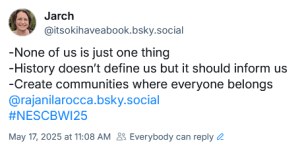
screencap of bluesky quoting Rajani LaRocca

“Heartbeat and Pacing of Picture Books” with Deborah Freedman
Cover image of Carl and the Meaning of LifeDeborah Freedman is an author/illustrator with a background in art and architecture; she also gave the closing keynote. She has written and illustrated many books, including Carl and the Meaning of Life.

  • Deborah showed storyboards of her own picture books, with thumbnail sketches. “It’s easy to trick ourselves into thinking something’s more finished than it is – don’t get too tight too early.”
  • She showed many examples, including: Where the Wild Things Are* by Maurice Sendak (for its brilliant pacing and “meaty middle”), Wave by Suzy Lee (for its brilliant use of the gutter), Giant Squid by Candace Fleming and Eric Rohmann (for structure that reflects the story), Again! by Emily Gravett (for its pacing and humor), Uptown by Bryan Collier (for its call-and-response).
  • She talked about page turns as they relate to pacing (“Each page is like an open question or incomplete thought…you have to turn the page to find out the answer”). “The gutter acts as a comma, page turn acts like a giant comma.”
  • “Detail can slow a story down – use it intentionally.”

*In their newsletter “Looking at Picture Books,” Jon Klassen and Mac Barnett dissected Where the Wild Things Are. Even if you know this book very, very well, you will likely notice something new.

“Words That Float: Writing the Novel in Verse” with Rajani LaRoccaCover image of Mirror to Mirror
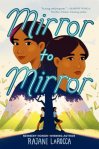
  • Verse novels, like picture books, can tackle difficult subjects in a way that is accessible rather than overwhelming. There is more space on the page, more space in the mind and heart of the reader to process what’s going on.
  • Verse novels are best suited to stories that are character-driven, with interiority, emotion, told in close first person, present tense, not plot-heavy; the focus is on the interior journey rather than a complicated plot (but you DO have to have a plot). Character is the heart of a verse novel; the most important transformation is emotional.
  • Find the kind of poetry that fits your character and what they’re trying to say. If you have multiple characters, each might use a different type of poetry. Voice is inherently tied to character.
  • Repeat things at the beginning, middle, and end of the book. The meaning changes because your character has changed. You want the ending to reflect the beginning. A “keystone poem,” often written early on, encompasses the theme, important symbol, or central conflict of the story; it’s the “hub” or center of the wheel from which all the “spokes” emerge.
  • Tell the truth: “We read fiction because we want to know the truth about people.”
  • Linda Sue Park’s advice on repetition: If something isn’t mentioned in the first half of the book, don’t use it in the second half.
  • Examples of excellent verse novels: Blood Water Paint by Joy McCullough, The Poet X by Elizabeth Acevedo, The Last Fifth Grade of Emerson Elementary by Laura Shovan, Unsettled by Reem Faruqi, Garvey’s Choice by Nikki Grimes
  • Recommended podcast: Day Brain vs. Night Brain
  • There was so much more packed into this presentation! These are merely a few mushrooms from the mycorrhizal network (see how I didn’t say “tip of the iceberg”? Use original metaphors! Although “mycorrhizal” is maybe not the most poetic.)

facade of Stamford Public Library (Ferguson)After lunch, I walked over to Stamford’s Public Library. It is amazing!
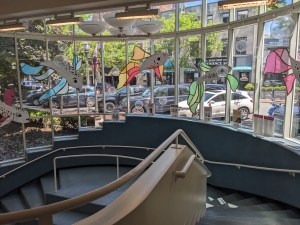
Ferguson interior stairwell and windows

Editor panel, moderated by Pam Vaughan

Editors Jessica Anderson (Christy Ottaviano/LBYR), Julie Blivens (Charlesbridge), Alexandra (Alex) Hinrichs (Islandport), Sasha Illingworth (LBYR), and Matt Phipps (GP Putnam’s Sons/PYR) answered a series of questions about the publishing industry today.

  • Challenges in the industry? One person is often doing the work of multiple people, which slows things down (and publishing is already kind of a slow business).
  • R&R? If an editor asks for a Revise & Resubmit, do it!! But take your time with it – they don’t need it back right away. They want to see that you’ve listened and put the work in.
  • Acquiring? Editors have different communication styles – as do authors. Phone calls, video calls, email, texting, or some of each.
  • What’s in a rejection? “Not right for our list” means it doesn’t fit the profile of what they know they’re good at selling. “It just didn’t come together for me” means it’s not there yet – go back to your critique group. “I don’t have a vision for this” may mean they can see problems but not solutions, or that they’re not the right “campaign manager” for this author/book. You want someone who can be a strong advocate for you and your work.
  • Current MSWL? Editors talked about their current Manuscript Wish Lists. “Finding the right editor for the right illustrator is like matchmaking.”
  • Common mistakes in submissions? Not researching the publishing house. Not including an attachment. Not specifying a category/age range (e.g. middle grade fantasy, 8-12). Not embedding art (for illustrators).
  • Hopeful signs in children’s publishing? Everyone feels passionately about children’s literacy. Children’s literature is inherently hopeful. More independent bookstores are opening up, more small presses. “We are each other’s community.”

Story Studio with Christy Yaros

  • This lightning-fast workshop could have easily taken a whole day, if not a week! (Christy did offer another workshop earlier in the day.) In this one, the focus was on the theme: What is your book trying to say, and how do you weave it in so it doesn’t feel forced? At each step, we did a quick writing exercise answering the guiding questions.
    • Step 1: What emotional or philosophical truth sits at the heart of your story? What does your protagonist learn by the end? What belief does your story affirm, challenge, or complicate? What question about life does your story explore?
    • Step 2: Theme lives in the tension between what your character wants and what they need. Fill in the blanks: At the beginning, my character believes __ (linked to what they want). By the end, they understand __ (linked to what they need). This shows that __ (they have gone on this emotional journey, your theme in action).
    • Step 3: Relationships that reinforce or resist: Which characters help your theme shine? Which ones challenge or contradict it? Presenting alternate interpretations of the theme gives the reader choices, rather than telling them what to believe. We’re giving kids a framework for how to look at stuff.
    • Step 4: Emotional moments that bring theme to life: Look for moments where your character’s belief is tested – and something hurts but teaches.
  • Think of theme as what your character needs; plot is what they want; and the arc is where want and need come up against each other.
  • Christy recommended the book Craft in the Real World (2021) by Matthew Salesses

“Bookends: Beginnings & Endings in Picture Books” with Pam VaughanCover image of Tenacious Won't Give Up
  • There were many practical takeaways from this workshop, and lots of examples. Pam contacted other authors and asked them for early drafts of the first and last sentences of their published books, so we could compare and see how they’d changed from the early versions to the final ones.
  • Five Cs (character, curiosity, conflict, connection, care) and the W effect – the attitude of your book (wonder why / wow! / wait, what? weird / word choice / witty / whisk you away).
  • Sometimes your beginning hints, winks, links, nods, and/or leads to your ending.
  • In a picture book, conflict can be a subtle thing, it doesn’t have to be a fight.
  • Story structure may be circular, cumulative, conceptual, classic, list, pattern, dialogue, quest, mirror, interactive.
  • Your beginning: Cut for clarity? Add for context? Hint at your ending? Hone your voice? Toy with your word choice?
  • Endings are powerful. How do you want to leave your reader feeling? “Oohs” and “Ahhs” (Aha! Haha! Hmm…, Ahh…, Aww)
  • Tips for beginnings and endings: Try writing 10-20 first/last sentences. Read them out loud. Cut as many words as you can (but use as many words as you need). How many five Cs can you include? Can you amp up the W effect? Connect your beginning to your ending (and your ending to your beginning).
  • Recommended text: The Heroine’s Journey (2020) by Gail Carriger

Agent Panel: Marissa Brown, Chrisy Ewers, Amy Thrall Flynn, Stephen Fraser, Carter Hasegawa, Rachel Orr, Sera Rivers

  • What does an agent do? Agents wear many hats! Matchmaker (between author and editor), unlicensed therapist, unlicensed financial advisor (chasing down royalty payments), looking for new talent (those R&Rs are unpaid – agents don’t get paid until they sell a book), negotiator (between author and publishing house), strategize and advocate for an author’s career.
  • Advice for after an author signs with an agent? There is a lot of waiting – be writing while you’re waiting! Publishing is a small world; be someone people want to work with (courteous, punctual, nothing hideous on social media, etc.). Reputations matter.
  • When you offer representation, what questions do you want authors to ask you? Remember it is a mutual interview. What kind of working relationship do you want? What kind of feedback do you want, and how much? What’s your communication style? “Any agent is not the right agent.” Show that you’ve done your research.
  •  Pet peeve or “pet fave”? Didactic stories (peeve). Getting to call an agent with an offer (fave). Thoughtful revisions that show the author listened to your advice (fave).  “Always look for: why would a child want to read this? How does it connect with your audience? Your mission as a creator of books for children, you have to be thinking about who the book is for. We need to respect children and understand their world.” -Amy
  • One hopeful thing about the industry? Books are inherently hopeful. It’s an evergreen industry – children are born every day and they need stories and books. “We’re gonna win. Hope always wins.” -Sera

After the panel, authors and illustrators were encouraged to join a critique group (find NESCBWI critique groups here). Everyone went home Saturday with lots to think about!meme of Dwight Schrute from The Office, Assistant to the Regional Manager
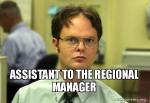
On Sunday, we met the NESCBWI regional team. (With apologies to these incredibly dedicated and hardworking volunteers, every time someone said “assistant regional advisor,” I thought “assistant TO the regional advisor.) Next, the Crystal Kite Awards were presented to Liz Goulet Dubois, Winsome Bingham, Abi Cushman, and Federico Erebia.

Winsome Bingham said (among other things):Cover image of The Walk
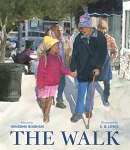
  • “If stories weren’t powerful, they wouldn’t be banning books.”
  • “There are so many different ways to tell a story.”
  • “We all like what we like…write what your heart tells you to write.”
  • All it takes is one person. “If you send your stuff out and no one gets it…keep writing.”
  • “Rejection is a good thing…if you don’t send your stuff out, they don’t know what you can do.”
  • “You have to believe there’s a reason you’re doing this. It’s not gonna pay off overnight, it’s a slow game.”

Federico Erebia said:Cover image of Pedro & Daniel
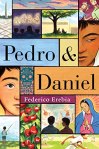
  • “It’s okay to be different, it’s okay to write different. There are many ways to tell stories.”
  • You realize at some point that you’re not just speaking up for yourself, you’re speaking up for a community – you may not even realize it’s your community.
  • I have been an activist for 45 years…”I have never been this afraid of America, in America, for America.”
  • “We have the power of the pen. We have our voices. Together we can effect change.”
  • “It may one day be too late to be on the right side of history.”

Abi Cushman said:Cover image of Wombats Are Pretty Weird
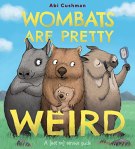
  • People don’t always get what you’re trying to do…[but also] sometimes your best just isn’t where it needs to be…and you just don’t know.”
  • Yes, this industry is tough, and yes, you’re going to get a lot of rejections. Keep writing the stories you’re passionate about in the way that you want to write them.

Deborah Freedman closing keynote
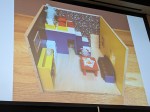
Mouse house modelRemember a thousand words ago when I said Deborah Freedman was going to come up again? Here she is! She gave a beautiful closing keynote with visuals of her beautiful art (and architectural models, including a little mouse house). Here are a few takeaways from her talk:

  • A well-written text trusts illustrators; a good book trusts readers.
  • What is the emotional heart of the book? What is the real conflict and resolution? It’s funny how long it can take and how hard it can be to figure out “what’s it about?”
  • The stories are made up, but the feelings are true.
  • How are we going to get through this world we’re in right now without connecting with each other?
  • A picture book might be a child’s first exposure to art and poetry.
  • We have to expand our own understanding of the world if we want to expand children’s understanding. When we explore what it means to be human we become better creators and maybe even better humans.

And that’s a wrap on NESCBWI25. I’m glad I went. I met lots of other writers and writer/illustrators and we exchanged contact information so we can critique and cheerlead and maybe see each other next year.

I’m grateful to my friend who hosted me during the weekend, and as a thanks for those who read this all the way to the end, here are some photos of her puppy:


Beagle puppy and ladybug toyBeagle puppy speckled tummy

If you’re still here and you want more SCBWI content, my blog posts from the Winter 2021 conference are here and here. Happy writing, and happy reading!
Everywhere Babies: Baby Lapsit Storytime

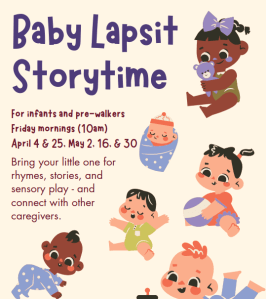
Our library’s weekly children’s programs – Rhyme Time, Story Time, and Playgroup – are all open to kids from birth to age five, but until this year we didn’t have anything specifically for babies. In late February, I introduced Baby Lapsit Storytime, for babies from birth to 12 months or walking, and people started coming right away!

Flier for baby lapsit program

Flier made in Canva

As always, Jbrary served as an excellent resource, as did Mel’s Desk, the Show Me Librarian, KCLS, the book Baby Storytime Magic by Kathy McMillan and Christine Kirker, and of course, the Massachusetts youth librarian listserv (a.k.a. massyac).

From these sources, as well as my own favorite board books and memories of the baby storytime I attended at the Belmont Public Library several years ago, I put together a 20-30 minute program of songs, rhymes, books, and early literacy tips (the PLA Early Literacy Calendar has lots of these; I hand out a copy of each month’s calendar and suggestions to those who want one). I collected baby-friendly toys (no choking hazards, easy to wipe down or wash) from our current collection of stuff, plus leftovers from the Toy Swap; I also use the play scarves from Rhyme Time (and bring them home with me to wash).

Room setup: Vacuum the rug and set the bean bags up in a circle. Pull some chairs over too for those who are more comfortable sitting. There’s room for “stroller parking” in the back. The box of baby toys stays on the table until after the more structured part of the program happens. Extra copies of board books go on the little side table next to my chair, and I set up extra books along the window ledge (other board books, picture books for babies, poetry, etc.); if they’re in easy reach, people will check them out!
  • Welcome and introductions: We start whenever at least one, but ideally two, baby/caregiver pair(s) has/have arrived. Because of what I call “baby time,” this isn’t always precisely at 10am.
  • Song: “Well Hello Everybody, Can You Touch Your Nose?
  • Rhyme/fingerplay: “Open Shut Them”
  • Early literacy tip (e.g. rhymes and songs are important for babies because they slow down words and help babies hear the different sounds – an important preliteracy skill)
  • Song cube* song (ABCs, Itsy-Bitsy Spider, I’m A Little Teapot, Where Is Thumbkin?, etc.)
  • Rhyme/bounce: “The Grand Old Duke of York” (usually twice)
  • Book (see image and list below)**
  • Rhyme/play: Peekaboo to the tune of Frere Jacques
  • Song: “Head and Shoulders” by Ella Jenkins: we do head and shoulders, knees and toes, back and belly.
  • Early literacy tip (e.g. fingerplays help babies build the small muscles in their hands, preparing them to grip crayons so they can draw and write)
  • Scarf/rhyme: “Popcorn Kernels in the Pot” and/or “Jack in the Box”
  • Rhyme/bounce: “Trot, Trot to Boston” (I learned this one as an adult, it’s pretty New England specific)
  • Song: “Twinkle, Twinkle, Little Star”
  • Goodbye and closing: announce dates of next baby storytimes, and anything else interesting coming up – for example, we have a babywearing expert visiting next month, and a babies and kids clothing swap later this summer.
  • Play, socialize, and help! Put the toys on the rug and offer copies of the early literacy calendar. It’s so important for caregivers to have time to talk with each other, to exchange tips, to commiserate, to share information with each other. During this time I often play with babies, read them an extra book, offer info about library resources, or go and get specific books from our shelves.

*I got the song cube idea from another librarian friend. I make mine out of empty tissue boxes, paper, marker, crayons, and clear packing tape. Each side has a picture that corresponds to a simple, well-known song, e.g. a teapot for “I’m A Little Teapot,” a spider for “Itsy-Bitsy Spider,” a rowboat for “Row, Row, Row Your Boat,” a rocket ship for “Zoom zoom zoom, We’re going to the moon.” You can see a couple of examples from this Step Into Storytime post.

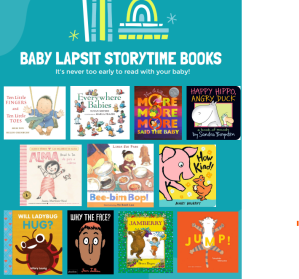
baby lapsit storytime books flier with book coversVisual book list made in LibraryAware

**A week or so ahead of time, I request a board book or full-size picture book for myself, and extra copies of the board book for caregivers to read along if they want. Here are the books we’ve read so far:

  • Ten Little Fingers and Ten Little Toes by Mem Fox and Helen Oxenbury
  • Everywhere Babies by Susan Meyers and Marla Frazee
  • More, More, More Said the Baby by Vera B. Williams
  • Happy Hippo, Angry Duck by Sandra Boynton
  • Alma, Head to Toe by Juana Martinez-Neal (this one is bilingual, English/Spanish; there is also Alma and Her Family, Alma at Home, and Where Is Pajarito?
  • Jamberry by Bruce Degen
  • How Kind! by Mary Murphy

Baby storytime has been an absolute delight, and I’m excited to keep it going. I’m grateful for the advice of other librarians and early literacy specialists, and to the caregivers for bringing their babies to the library. It’s never too early to begin reading with babies (or to sign up for 1000 Books Before Kindergarten!).

The art of the pivot

Last summer, I piloted “My First Book Club,” a program for rising kindergarten and first grade students and their grown-ups. It was successful at first, but attendance dropped off after the fall – partly, I think, because I had to alternate between the more popular Saturday morning time and Friday afternoons, which didn’t work as well for everyone. (If we had another Children’s Librarian who could also offer weekend programs…)

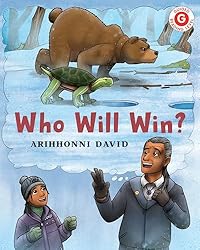
I decided our February book club would be the last one until summer, when I would run it again for a new group of rising K/1st graders. No one showed up for the program…but, there were plenty of kids and adults in the children’s room, so I invited them all in for a storytime instead. We read the same two books – Arihhonni David’s The Good Game and Who Will Win? – and used the coloring sheets I’d printed (a flying squirrel and a bat, characters in The Good Game), I just sprinkled in a few songs and rhymes as well: “Open Shut Them,” “The Itsy-Bitsy Spider,” and the Ella Jenkins version of “Head and Shoulders.”

So, instead of having a book club with zero attendance, I had a storytime with eleven kids and grown-ups, all of whom were pleased and grateful. With experience, it’s fairly easy to pivot from one program to a very similar one, even for a different age group – going from a music program to STEAM would be a different story – but in this case, it worked out for everyone!

STEAM Time

After nearly a year, Comics Club/Comics & Crafts had run its course, and it was time to try something new. I came up with STEAM (Science, Technology, Engineering, Arts, and Math) Time: once a week, kids in kindergarten through fifth grade can come and try out something new and different, from building challenges to puzzles to coding games to art projects.

Our first STEAM Time was a success! Nine kids of various ages showed up, and I presented the options: Robot Turtles (a board game that teaches the basic principles of coding) and Caesar ciphers (I had prepared several of these – from this PDF – with cardstock and brads for kids to create and decipher each other’s codes). As a backup option, I also brought Spot It, a picture-matching game.

Robot Turtles boxThree of the younger kids started with Robot Turtles, and the others began making codes for each other to decipher. I gave a basic explanation about how to use the Caesar cipher (or shift cipher), then helped the kids get Robot Turtles set up, then helped the ones who were having trouble figuring out the ciphers. (I think one thing that tripped them up initially was the letter-letter correspondence, rather than letter-number correspondence; the only number you need with this kind of cipher is the “shift,”; it’s not an A=1, B=2 kind of code.) But eventually, everyone figured it out, and then they could swap ciphered messages to decipher!

Meanwhile, back in Robot Turtle land, each kid got a chance to give instructions (the coder role) and follow instructions (the turtle role). And when the Caesar cipher kids got tired of (de)ciphering, they switched to a rousing game of Spot It!

Cover image of Mix It Up by Herve TulletIn the next few weeks, we’ll have a building challenge with blocks (we have both regular and life-size Jenga), a puzzle challenge (a 36-piece jigsaw with the picture showing, then upside down), penny boats, Snap Circuits, primary color painting (think Mix It Up!), and more. What STEAM activities do you like to do with kids?

What can you draw in six seconds?

Cover image of Lucky ScrambleThe kids’ graphic novel book club I started last fall is still going strong, with about 4-7 kids attending each month. This month we read Lucky Scramble by Peter Raymundo, about a kid named Tyler who goes to a Rubik’s cube competition. Our icebreaker question was “What’s your favorite kind of puzzle?” and a lot of the kids said “Rubik’s cube,” even though none of us could solve one. (I said word puzzles, like wordle, and it turns out all of the kids also do the NYT puzzles!)

We discussed the different characters and storylines, what we expected and what surprised us, parental pressure, and attitudes toward competition and winning. We each had a copy of the book for reference, and the kids are so good about citing page numbers so we can all be on the same page, literally.

I asked them what they thought they could do in six seconds – the length of time champion speed-cubers can solve a 3×3 – and that turned into “What can you draw in six seconds?” So we moved over to the tables, got paper and pencils, and tried it! Turns out, not much – but after having only six seconds to draw something, a minute feels like a long time! So we did a one-minute drawing, a two-minute drawing, and finally a five-minute drawing (during which one of the kids turned out a staggeringly impressive dragon drawing).

Cover image of Puzzled by Pan CookeLast, the kids voted on which book to read next. The choices were Curveball by Pablo Cartaya, Pebble & Wren by Chris Hallbeck, and Puzzled by Pan Cooke. The first two got one vote each and Puzzled got two votes, so that will be our February book – but all three books got checked out. It was a good afternoon!