 It’s a funny thing that it can be much harder to write something short than something long. To tell a story as concisely as possible, you have to cut everything unnecessary. I haven’t counted, but I’d bet most of these books clock in at well under 500 words, and that’s just perfect for young ones, especially at library storytimes (their individual attention spans might be longer in a quieter environment at home).
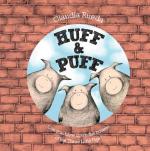
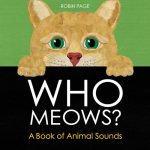
Rhyming is a plus (Jamberry, Some Bugs, There’s A Bear on My Chair, etc.), concepts are good (The Very Hungry Caterpillar introduces counting, foods, and days of the week; A Seed Grows shows the life cycle of a sunflower), and a story with a pattern helps little ones follow what’s happening – and can deliver humor when the expectation established by the pattern is broken (The Giant Jumperee, Mr. Scruff). Books for littles can deal with managing feelings (The Rabbit Listened, Grumpy Pants), play with sound (Let’s Be Bees, Who Meows?), and even be interactive (Huff & Puff, There’s A __ In This Book).
Here are some of the books I reach for when I need short, captivating books for toddler and preschool storytimes:
- The Rainbow Snail by Karin Akesson
- Please, Mr. Panda by Steve Antony
- Marta! Big and Small by Jen Arena
- Every Monday Mabel by Jashar Awan
- Roll, Roll Little Pea by Cecile Bergame
- If I Was A Horse by Sophie Blackall
- Hippos Go Berserk by Sandra Boynton
- The Very Hungry Caterpillar by Eric Carle
- There’s A Bear on My Chair by Ross Collins
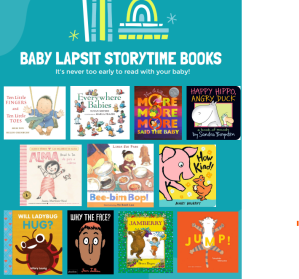
- Jamberry by Bruce Degen
- Some Bugs by Angela DiTerlizzi
- The Rabbit Listened by Cori Doerrfeld
- The Giant Jumperee by Julia Donaldson
- Oh, No! by Candace Fleming
- There’s A ___ In This Book by Tom Fletcher
- Ten Little Fingers and Ten Little Toes by Mem Fox
- Where Is the Green Sheep? by Mem Fox
- Roller Coaster by Marla Frazee
- The Odd Egg by Emily Gravett
- Let’s Be Bees by Shawn Harris
- Oh No, George! by Chris Haughton
- A House by Kevin Henkes
- Dig Dig Digger by Morag Hood
- Mr. Scruff by Simon James
- What Can A Mess Make? by Bee Johnson
- Just One Flake / Just One Wave by Travis Jonker
- A Cat Like That by Lester Laminack
- Will Ladybug Hug? by Hilary Leung
- Chicken Wants A Nap by Tracy Marchini
- Ten Little Squirrels by Bill Martin, Jr.
- Grumpy Pants by Claire Messer
- Who Meows? by Robin Page
- Mister Kitty Is Lost! by Greg Pizzoli
- A Seed Grows by Antoinette Portis
- Somewhere in the Bayou by Jarrett and Jerome Pumphrey
- My Spring Robin by Anne Rockwell
- Huff & Puff by Claudia Rueda
- Little Penguins by Cynthia Rylant
- One of These Is Not Like the Others by Barney Saltzberg
- One Little Blueberry by Tammi Salzano
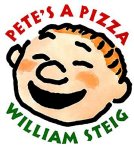
- Pete’s A Pizza by William Steig
- Goose by Laura Wall
- Spots in a Box by Helen Ward
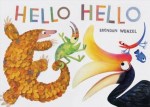
- Hello Hello by Brendan Wenzel
- More, More, More Said the Baby by Vera B. Williams
- Hooray for Hat by Brian Won
- Where’s My Nose? by Lucas Zanotti
What are your favorite books to share at preschool and toddler storytimes?
Related posts:


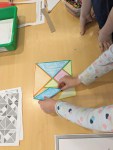
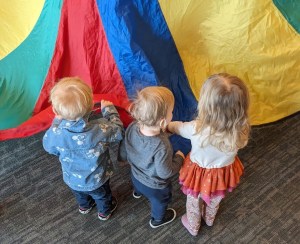
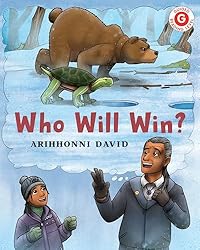 I decided our February book club would be the last one until summer, when I would run it again for a new group of rising K/1st graders. No one showed up for the program…but, there were plenty of kids and adults in the children’s room, so I invited them all in for a storytime instead. We read the same two books – Arihhonni David’s The Good Game and Who Will Win? – and used the coloring sheets I’d printed (a flying squirrel and a bat, characters in The Good Game), I just sprinkled in a few songs and rhymes as well: “Open Shut Them,” “The Itsy-Bitsy Spider,” and
 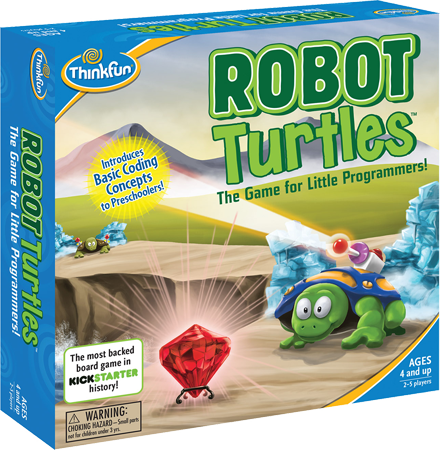 Three of the younger kids started with Robot Turtles, and the others began making codes for each other to decipher. I gave a basic explanation about how to use the Caesar cipher (or shift cipher), then helped the kids get Robot Turtles set up, then helped the ones who were having trouble figuring out the ciphers. (I think one thing that tripped them up initially was the letter-letter correspondence, rather than letter-number correspondence; the only number you need with this kind of cipher is the “shift,”; it’s not an A=1, B=2 kind of code.) But eventually, everyone figured it out, and then they could swap ciphered messages to decipher!
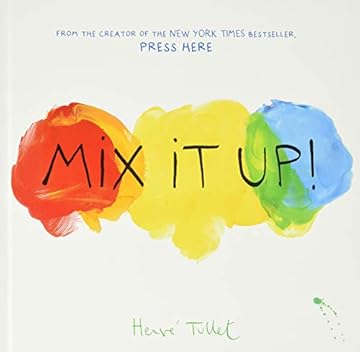 In the next few weeks, we’ll have a building challenge with blocks (we have both regular and life-size Jenga), a puzzle challenge (a 36-piece jigsaw with the picture showing, then upside down), penny boats, Snap Circuits, primary color painting (think Mix It Up!), and more. What STEAM activities do you like to do with kids?
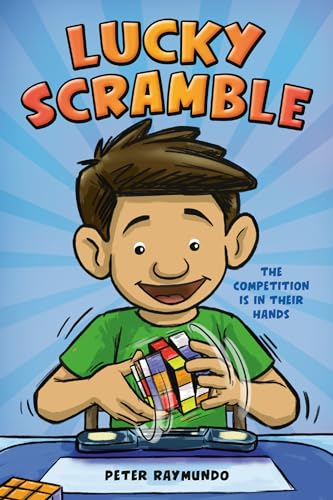 The kids’ graphic novel book club I started last fall is still going strong, with about 4-7 kids attending each month. This month we read Lucky Scramble by Peter Raymundo, about a kid named Tyler who goes to a Rubik’s cube competition. Our icebreaker question was “What’s your favorite kind of puzzle?” and a lot of the kids said “Rubik’s cube,” even though none of us could solve one. (I said word puzzles, like wordle, and it turns out all of the kids also do the NYT puzzles!)
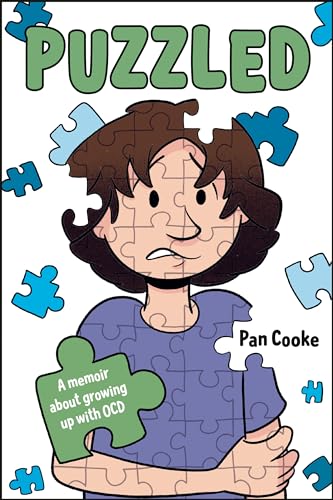 Last, the kids voted on which book to read next. The choices were Curveball by Pablo Cartaya, Pebble & Wren by Chris Hallbeck, and Puzzled by Pan Cooke. The first two got one vote each and Puzzled got two votes, so that will be our February book – but all three books got checked out. It was a good afternoon!
 Jenny Arch