Catherine Newman at Odyssey Bookshop

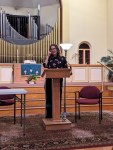
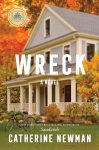
Catherine Newman standing at a podium in a churchWhen I discover an author I love, I will follow them across genres, formats, intended audiences…anywhere they go. Back in January 2024, I read We All Want Impossible Things with my book group, and loved it, so I went poking around to see what else this author had written. I found her middle grade novel One Mixed-Up Night, in which two kids, inspired by From the Mixed-Up Files of Mrs. Basil E. Frankweiler, hatch a plan to spend the night in an IKEA, and I loved that too. Then in July 2024, Sandwich made me laugh-cry and read so many parts aloud that my partner said to stop, he’d read the whole book himself (he did). And then I discovered Newman had also co-written a how-to book called Stitch Camp, which my kid and I both read, and two more how-to books for kids, How to Be A Person and What Do I Say? There are two more adult memoirs, Waiting for Birdy and Catastrophic Happiness, that I should probably pick up as well, and I’m eagerly awaiting my library copy of Wreck, the book Newman read from last night at Odyssey Bookshop (the event was organized by Odyssey, but as you can see from the photo, it was held in a nearby church to accommodate the size of the audience).

That’s how life is. You don’t yet know who you’ll become. -Catherine Newman, Wreck

Newman is a wonderful speaker, and if you’ve read her books (and her newsletter, Crone Sandwich), it’s hard not to feel as though you know her (in that admittedly parasocial way). Cover image of Wreck by Catherine NewmanShe relayed a funny anecdote from that morning’s experience on Good Morning America (“Is that your hair? ….Great, great”) and read two sections from Wreck, followed by a Q&A. Audience members asked about her writing and outlining process, the semi-autobiographical quality of her writing, what she liked to read (Cammie McGovern, Lily King, and Samantha Irby), whether she read a lot as a kid (“Of course I read a lot as a kid. I mean didn’t we all? The nerdiest nerds”), and whether she might ever write more middle grade fiction (maybe, but One Mixed-Up Night didn’t sell as well as she hoped, and now she doesn’t spend as much time with middle grade kids, since hers are older, so…maybe not. But we can hope! I’ve got a ten-year-old she can borrow for research purposes…).

Fall (and Summer) Standouts

Back in early April I wrote about my “spring standouts,” books published in 2025 that I’d read and thought were stellar. I think I’d intended to write another in the summer and another in fall, so when it was time for my annual wrap-up, I’d have these to look back on…but here we are in mid-October. Whoops! All titles below were published in 2025 unless otherwise indicated (there are a few I couldn’t resist including). 

Picture BooksCover image of We Are the Wibbly

  • Anything by Rebecca Stead and Gracey Zhang: A book about a child who didn’t want to move, and a dad who makes their new apartment home.
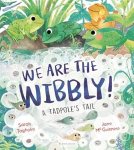
  • We Are the Wibbly by Sarah Tagholm and Jane McGuinness: Hands-down the funniest picture book of the year. Also, it contains enough information about the frog life cycle that SLJ reviewed it as “nonfiction,” although it has an awful lot of talking tadpoles to meet that bar.
  • Worm Makes A Sandwich by Brianne Farley: Oh, earnest worm! Adjust your definition of “make” and also the time you think it takes to make a sandwich, but what delicious results.
  • Ten Beautiful Things by Molly Beth Griffin and Maribel Lechuga: On a drive to a new home, adult and child find ten beautiful things along the way – a balance to the implied grief of losing a loved one.Cover image of Hurricane
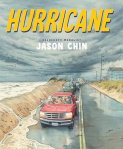
  • Hurricane by Jason Chin: Chin’s watercolor illustrations are always outstanding, and here they’re in service to what it’s like for a community to prepare for, experience, and recover from a hurricane. Powerful, and packed with information and touching details.
  • Where Are You, Bronte? by Tomie de Paola and Barbara McClintock: Tomie left the manuscript; Barbara’s illustrations honor Tomie (and Bronte) perfectly.
  • Some of Us by Rajani LaRocca and Huy Voun Lee: “Some of us are born here. Some of us choose.” A radiant book on what it means to be a citizen.
  • Bear Is A Bear by Jonathan Stutzman and Dan Santat (2021): Somehow I missed this when it first came out; loyal library visitors recommended it to me and I’m so glad they did. Some special objects travel from generation to generation.
  • The Music Inside Us by James Howe and Jack Wong: A biography of cellist Yo-Yo Ma that is appealing and approachable for kids; after we read it, we watched a few of the videos mentioned (his first visit to the White House, his appearances on Sesame Street and Mister Rogers).Cover image of A Fall Day for Bear
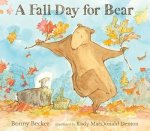
  • A Fall Day for Bear by Bonny Becker and Kady MacDonald Denton: Bear and Mouse (small and gray and…not so bright eyed?!) return, but their roles are reversed, keeping this beloved series fresh.
  • The Pink Pajamas by Charlene Chua: A story about family, grief, and passing skills along.
  • Five Little Friends by Sean Taylor: Essential for storytimes, especially baby storytimes! Excellent, participatory rhymes.
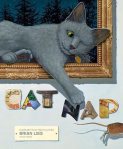
  • If You Make A Call on A Banana Phone by Gideon Sterer and Emily Hughes: One thing leads to another in this imaginative work; fans of Charlie & Mouse will recognize the art.Cover image of Cat Nap
  • Cat Nap by Brian Lies: A cat-and-mouse chase like you’ve never seen before. A note from the artist explains his respect for traditional, physical media, and how he learned each different medium to make the book, from stained glass to woodworking, sculpture to oil paint.  
  • The 13th Day of Christmas by Adam Rex: Didn’t you ever wonder who that song was about? Now we know.

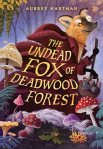
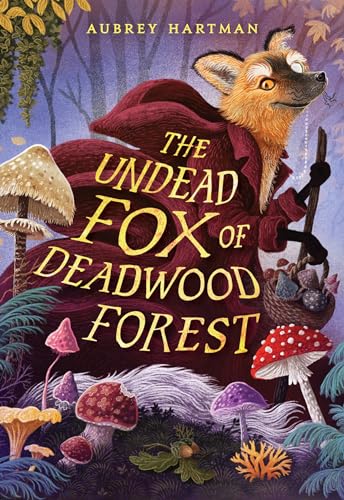
Middle GradeCover image of The Undead Fox of Deadwood Forest

  • How to Talk to Your Succulent by Zoe Persico: Sure, lots of people talk to plants…but sometimes, the plants talk back.
  • The Undead Fox of Deadwood Forest by Aubrey Hartman: A lonely undead fox guides other spirits through to their next stages, but is reluctant to pass through himself. Spooky, philosophical, and somehow cozy too; I would not be surprised or upset if this got some Newbery attention.
  • Batcat: Cooking Contest by Meggie Ramm: I love Batcat and Al so much. This time, they participate in a cooking contest at a fall festival.
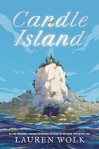
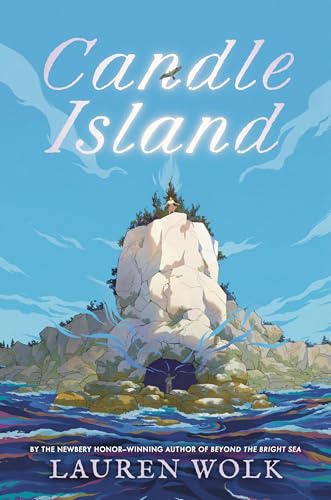
  • Candle Island by Lauren Wolk: A mother and daughter move to an island – a terrible place to keep secrets.Cover image of Candle Island
  • Oddball Histories: Spices & Spuds by Andy Warner: This informative graphic novel finally explains why salt and pepper were so darn important that countries were willing to invade and colonize for them.
  • So Over Sharing by Elissa Brent Weissman: This book couldn’t really have existed before the age of “influencers,” but its story of two daughters of “momfluencers” joining forces to make themselves heard is timely – and shows that sometimes, kids are savvier about privacy than adults are.
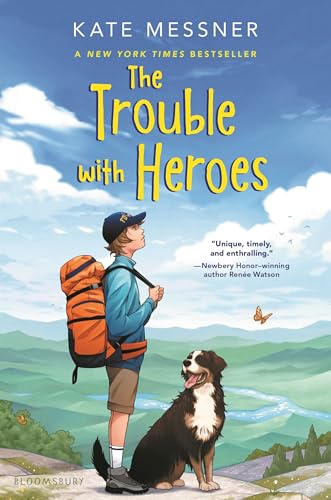
  • The Trouble With Heroes by Kate Messner: This novel in verse tackles all 46 Adirondack peaks, 9/11, and it has cookie recipes. And the dog is okay.
  • Into the Bewilderness by Gus Gordon: This charming, offbeat graphic novel is a classic grumpy/sunshine buddy comedy.
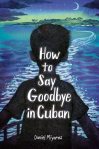
  • The Midwatch Institute for Wayward Girls by Judith Rossell: An orphan gloomy about her fate lands in a surprisingly magical place, where girls learn all kinds of useful skills and solve mysteries and crimes in their city. An absolute delight.Cover image of How to Say Goodbye in Cuban
  • How to Say Goodbye in Cuban by Daniel Miyares: Daniel’s main character here is his own father during Carlos’ childhood in Cuba, as Fidel Castro takes over and many people decide to flee. A sentence or two of historical context precedes each chapter, giving readers just enough to understand the story.
  • The Teacher of Nomad Land by Daniel Nayeri: An unusual WWII-era story set in Iran in 1941, with a fiercely devoted pair of siblings and a Jewish refugee at its center, and a theme of communication between people.
  • Dory Fantasmagory: Center of the Universe by Abby Hanlon: Dory joins a soccer team, and it goes exactly how you’d expect. Dory hasn’t lost any steam in her seventh book, and I laughed out loud more than once. Everyone in my family fought to be the first to read this one.Cover image of A World Without Summer
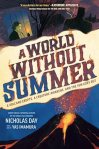
  • A World Without Summer by Nicholas Day: I loved last year’s The Mona Lisa Vanishes, and this one is even better because of the way it connects the climate shock caused by the eruption of Mount Tambora in 1815 to the climate change of today. The author’s style is quick and direct, and the tangents/B-plots are fascinating, from Mary Shelley’s Frankenstein to the velocipede to the naming of clouds and the study of weather.
  • Pocket Bear by Katherine Applegate: In WWI, some soldiers carried “pocket bears,” tiny companions to keep them company. In the home of modern-day Ukrainian refugees, Pocket Bear and other toys find a new lease on life and new homes. Poignant without being saccharine.
  • The Poisoned King by Katherine Rundell: This sequel (of a planned five-book arc) to Impossible Creatures is satisfyingly Shakespearean; Christopher Forrester returns from the first book to assist Princess Anya, and the dragons.
  • Rialto by Kate Milford (2026): Anxiety, amusement parks, a treasure hunt, a mystery; this is a brilliant stand-alone, but devoted fans will notice many little nods to earlier Milford books (especially The Raconteur’s Commonplace Book).

Young AdultCover image of Dan in Green Gables

  • The Judgment of Yoyo Gold by Isaac Blum (2024): Orthodox Jewish communities plus forbidden social media makes for a deeply relatable story.
  • Sunrise on the Reaping by Suzanne Collins: At last, Haymitch’s (bleak) story is revealed.
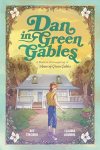
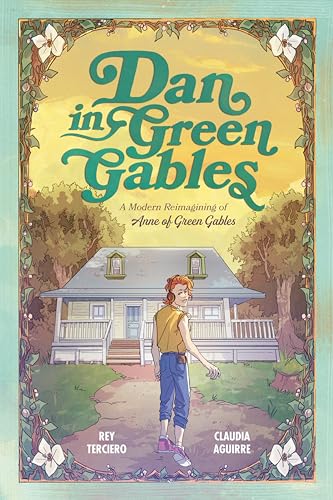
  • Dan in Green Gables by Rey Terciero: An irrepressible gay teen is dropped by his mother with grandparents he’s never met, and makes the best of a new situation, inspiring change in others and learning to be a bit more flexible as he does so. Joyful.
  • Vincent and Theo by Deborah Heiligman (2019): An incredibly well-researched deep dive into the brothers’ friendship and struggles, and the importance of Vincent’s sister-in-law in preserving his paintings and legacy.Cover image of Scarlet Morning
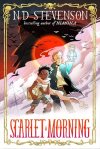
  • Scarlet Morning by ND Stevenson: Viola and Wilmur brave the peculiar dangers of their salt-encrusted world, adventuring with pirates and learning that the stories they grew up on are, in fact, still ongoing. Richly imagined; I want part two immediately.

Adult

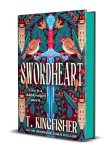
  • Swordheart by T. Kingfisher: This ensemble adventure quest is a perfect and deeply satisfying example of a heroine’s journey (see below). Cover image of Swordheart
  • Run for the Hills by Kevin Wilson: What if half-siblings started showing up out of the woodwork, and teamed up to hunt down a missing parent?
  • The Heroine’s Journey by Gail Carriger: Many readers and writers are familiar with the hero’s journey – but there’s another way of storytelling with completely different values and beats.
  • Time Loops and Meet Cutes by Jackie Lau: I do love a time loop romance. This one is cleverly done.
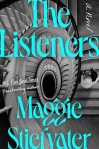
  • The Listeners by Maggie Stiefvater: Stiefvater’s first adult book (she’s been writing YA for years) knocks it out of the park, with a WWII-era story set in Appalachia, where a resort hotel is converted to hold Axis diplomats until they can be swapped to bring their Allied counterparts home. Cover image of The Listeners
  • The Nine Lives of Rose Napolitano by Donna Freitas: With this speculative premise, Rose’s life fractures into nine different timelines when she argues with her husband over (not) taking prenatal vitamins.
  • Memorial Days by Geraldine Brooks: Without the rituals of religion, the process of grieving is often shunted aside by the paperwork of death and the logistics of funeral planning. Years after her husband’s death, Brooks takes herself far away to grieve properly.
  • The Very Secret Society of Irregular Witches by Sangu Mandanna: Another heroine’s journey with a cozy magical ensemble cast (see also: The Teller of Small Fortunes, The House on the Cerulean Sea)
  • Dinner With King Tut by Sam Kean: Experimental archaeology seeks to learn about the past through hands-on experience: making and using tools to better understand the peoples of other times and places. Fascinating.Cover image of The Art of Ramona Quimby
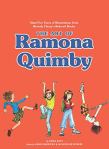
  • The Art of Ramona Quimby by Anna Katz (2020): This is technically an adult book…about children’s books. It’s the most riveting “coffee table book” I’ve ever read: a nostalgic trip through each book about Ramona Quimby and her family, presenting and comparing how each illustrator chose to represent the characters and scenes. 

The Heavy Medal and Calling Caldecott blogs are ramping up in preparation for youth book award season in January; I’m sure there will be more noteworthy books between now and the end of December. What have you read so far this year that you think more people should know about?

Quotes from 2026 Heavy Medal contenders

There are 96 suggested titles for SLJ’s Mock Newbery blog, Heavy Medal. Steven Engelfried challenged readers to find “words on the page” that demonstrated this year’s books’ excellence; here are some quotes I pulled from books eligible for the 2026 Newbery. Many are about grief, but they also touch on joy, friendship, and art.

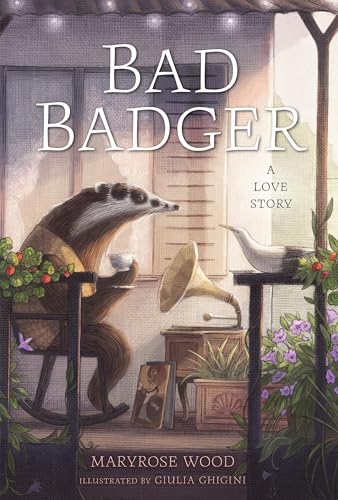
From BAD BADGER by Maryrose Wood:
Perhaps friendship was like that. Perhaps a never-ending parade of misunderstandings was to be expected. Perhaps there was always a sense of mystery about the ones we care for, no matter how fond we are, or how well we imagine we know them. (page 29)


From THE TROUBLE WITH HEROES by Kate Messner:
The nightmares never leave. They never fade.
And heroes aren’t allowed to be afraid. (page 153)


From CANDLE ISLAND by Lauren Wolk:
Some things required solitude.
Some things could be strangled by the idea of an audience, even one on its feet, applauding. (page 62)


From DAN IN GREEN GABLES by Ray Terciero:
“How do you do that? Go from Depeche Mode-depression to total joy in a few seconds?”
“Happiness is a revolution, one that everyone has a right to enjoy. But sometimes? You have to work really hard at it. Especially if it doesn’t come naturally.” (page 73)

(This one’s also got some fantastically funny, snappy dialogue, like Mawmaw asking “What’s an ascot?” and Dan replying “What’s a succotash?”)


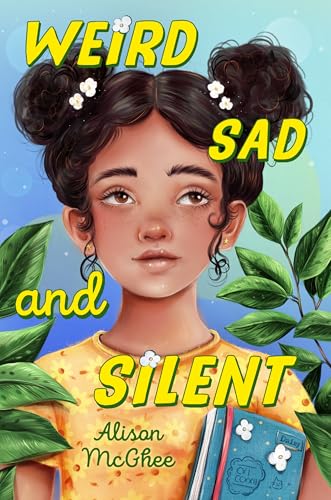
From WEIRD SAD AND SILENT by Alison McGhee:
Instead of visualizing, I’ve decided to call it futurizing. The future has not yet come. But I’m working on it. (page 3)


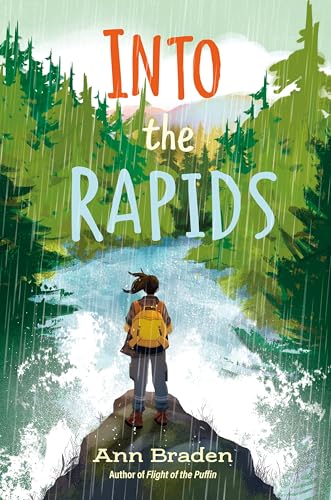
From INTO THE RAPIDS by Ann Braden:
How can I be so quick to understand that death can happen to anyone at any time, while simultaneously not being able to think about what it could have been like if someone hadn’t died? (pages 38-39)


From THE UNDEAD FOX OF DEADWOOD FOREST by Aubrey Hartman:
Mushrooms were not like animals or trees. They were soft and fragile, and they did not accept abuse: They stayed in the world only as long as it was gentle with them. (page 232)


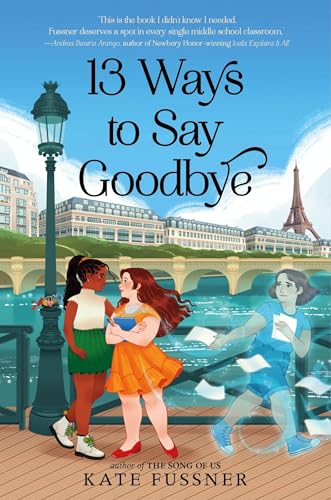
From 13 WAYS TO SAY GOODBYE by Kate Fussner:
I’m afraid to move forward without her, to become someone she’ll never know. (page 200)


NESCBWI25: Hope is the thing with feathers

NESCBWI conference logoThe New England Society of Children’s Book Writers & Illustrators (NESCBWI) spring conference was last weekend in Stamford, and it felt much like a library conference…possibly because every other attendee I met was either a teacher, librarian, or a teacher-librarian. I took a mere 14 pages of notes, which I’ll try to condense to key takeaways here. But first, I’m grateful to the organizers (almost all volunteers), presenters, panelists, and other attendees for creating an opportunity to come together to share a love of children’s literature and art, offering encouragement as well as actionable advice, and reaffirming our mission to tell and share all stories, for all kids.

From Rajani LaRocca’s morning keynoteCover image of Red White and Whole
In which there was extensive, and justified, quoting of Madeleine L’Engle:

  • Everyone deserves to see themselves in books, and everyone deserves to read about people who are not exactly like them – and learn how much we have in common. “Stories make us more alive, more human, more loving.” –Madeleine L’Engle
  • Rajani’s hopes for her stories: None of us is just one thing. History doesn’t define us but it should inform us. Create communities where everyone belongs.
  • Children are not pre-human, they are pre-adult. “The great thing about getting older is that you don’t lose all the other ages you’ve been.” -Madeleine L’Engle
  • We write, even fiction, to tell the truth. Write the stories that matter to you, because if they matter to you, they matter to us all.
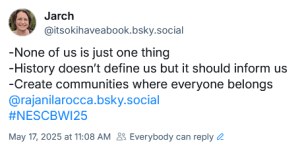
screencap of bluesky quoting Rajani LaRocca

“Heartbeat and Pacing of Picture Books” with Deborah Freedman
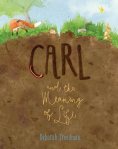
Cover image of Carl and the Meaning of LifeDeborah Freedman is an author/illustrator with a background in art and architecture; she also gave the closing keynote. She has written and illustrated many books, including Carl and the Meaning of Life.

  • Deborah showed storyboards of her own picture books, with thumbnail sketches. “It’s easy to trick ourselves into thinking something’s more finished than it is – don’t get too tight too early.”
  • She showed many examples, including: Where the Wild Things Are* by Maurice Sendak (for its brilliant pacing and “meaty middle”), Wave by Suzy Lee (for its brilliant use of the gutter), Giant Squid by Candace Fleming and Eric Rohmann (for structure that reflects the story), Again! by Emily Gravett (for its pacing and humor), Uptown by Bryan Collier (for its call-and-response).
  • She talked about page turns as they relate to pacing (“Each page is like an open question or incomplete thought…you have to turn the page to find out the answer”). “The gutter acts as a comma, page turn acts like a giant comma.”
  • “Detail can slow a story down – use it intentionally.”

*In their newsletter “Looking at Picture Books,” Jon Klassen and Mac Barnett dissected Where the Wild Things Are. Even if you know this book very, very well, you will likely notice something new.

“Words That Float: Writing the Novel in Verse” with Rajani LaRoccaCover image of Mirror to Mirror
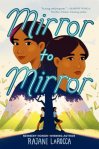
  • Verse novels, like picture books, can tackle difficult subjects in a way that is accessible rather than overwhelming. There is more space on the page, more space in the mind and heart of the reader to process what’s going on.
  • Verse novels are best suited to stories that are character-driven, with interiority, emotion, told in close first person, present tense, not plot-heavy; the focus is on the interior journey rather than a complicated plot (but you DO have to have a plot). Character is the heart of a verse novel; the most important transformation is emotional.
  • Find the kind of poetry that fits your character and what they’re trying to say. If you have multiple characters, each might use a different type of poetry. Voice is inherently tied to character.
  • Repeat things at the beginning, middle, and end of the book. The meaning changes because your character has changed. You want the ending to reflect the beginning. A “keystone poem,” often written early on, encompasses the theme, important symbol, or central conflict of the story; it’s the “hub” or center of the wheel from which all the “spokes” emerge.
  • Tell the truth: “We read fiction because we want to know the truth about people.”
  • Linda Sue Park’s advice on repetition: If something isn’t mentioned in the first half of the book, don’t use it in the second half.
  • Examples of excellent verse novels: Blood Water Paint by Joy McCullough, The Poet X by Elizabeth Acevedo, The Last Fifth Grade of Emerson Elementary by Laura Shovan, Unsettled by Reem Faruqi, Garvey’s Choice by Nikki Grimes
  • Recommended podcast: Day Brain vs. Night Brain
  • There was so much more packed into this presentation! These are merely a few mushrooms from the mycorrhizal network (see how I didn’t say “tip of the iceberg”? Use original metaphors! Although “mycorrhizal” is maybe not the most poetic.)
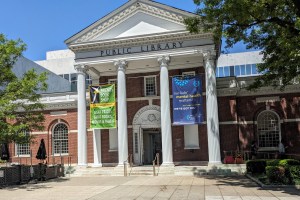
facade of Stamford Public Library (Ferguson)After lunch, I walked over to Stamford’s Public Library. It is amazing!
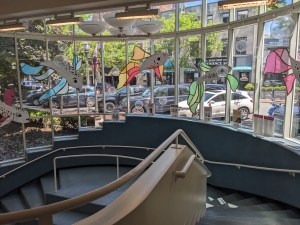
Ferguson interior stairwell and windows

Editor panel, moderated by Pam Vaughan

Editors Jessica Anderson (Christy Ottaviano/LBYR), Julie Blivens (Charlesbridge), Alexandra (Alex) Hinrichs (Islandport), Sasha Illingworth (LBYR), and Matt Phipps (GP Putnam’s Sons/PYR) answered a series of questions about the publishing industry today.

  • Challenges in the industry? One person is often doing the work of multiple people, which slows things down (and publishing is already kind of a slow business).
  • R&R? If an editor asks for a Revise & Resubmit, do it!! But take your time with it – they don’t need it back right away. They want to see that you’ve listened and put the work in.
  • Acquiring? Editors have different communication styles – as do authors. Phone calls, video calls, email, texting, or some of each.
  • What’s in a rejection? “Not right for our list” means it doesn’t fit the profile of what they know they’re good at selling. “It just didn’t come together for me” means it’s not there yet – go back to your critique group. “I don’t have a vision for this” may mean they can see problems but not solutions, or that they’re not the right “campaign manager” for this author/book. You want someone who can be a strong advocate for you and your work.
  • Current MSWL? Editors talked about their current Manuscript Wish Lists. “Finding the right editor for the right illustrator is like matchmaking.”
  • Common mistakes in submissions? Not researching the publishing house. Not including an attachment. Not specifying a category/age range (e.g. middle grade fantasy, 8-12). Not embedding art (for illustrators).
  • Hopeful signs in children’s publishing? Everyone feels passionately about children’s literacy. Children’s literature is inherently hopeful. More independent bookstores are opening up, more small presses. “We are each other’s community.”

Story Studio with Christy Yaros

  • This lightning-fast workshop could have easily taken a whole day, if not a week! (Christy did offer another workshop earlier in the day.) In this one, the focus was on the theme: What is your book trying to say, and how do you weave it in so it doesn’t feel forced? At each step, we did a quick writing exercise answering the guiding questions.
    • Step 1: What emotional or philosophical truth sits at the heart of your story? What does your protagonist learn by the end? What belief does your story affirm, challenge, or complicate? What question about life does your story explore?
    • Step 2: Theme lives in the tension between what your character wants and what they need. Fill in the blanks: At the beginning, my character believes __ (linked to what they want). By the end, they understand __ (linked to what they need). This shows that __ (they have gone on this emotional journey, your theme in action).
    • Step 3: Relationships that reinforce or resist: Which characters help your theme shine? Which ones challenge or contradict it? Presenting alternate interpretations of the theme gives the reader choices, rather than telling them what to believe. We’re giving kids a framework for how to look at stuff.
    • Step 4: Emotional moments that bring theme to life: Look for moments where your character’s belief is tested – and something hurts but teaches.
  • Think of theme as what your character needs; plot is what they want; and the arc is where want and need come up against each other.
  • Christy recommended the book Craft in the Real World (2021) by Matthew Salesses

“Bookends: Beginnings & Endings in Picture Books” with Pam VaughanCover image of Tenacious Won't Give Up
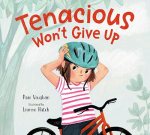
  • There were many practical takeaways from this workshop, and lots of examples. Pam contacted other authors and asked them for early drafts of the first and last sentences of their published books, so we could compare and see how they’d changed from the early versions to the final ones.
  • Five Cs (character, curiosity, conflict, connection, care) and the W effect – the attitude of your book (wonder why / wow! / wait, what? weird / word choice / witty / whisk you away).
  • Sometimes your beginning hints, winks, links, nods, and/or leads to your ending.
  • In a picture book, conflict can be a subtle thing, it doesn’t have to be a fight.
  • Story structure may be circular, cumulative, conceptual, classic, list, pattern, dialogue, quest, mirror, interactive.
  • Your beginning: Cut for clarity? Add for context? Hint at your ending? Hone your voice? Toy with your word choice?
  • Endings are powerful. How do you want to leave your reader feeling? “Oohs” and “Ahhs” (Aha! Haha! Hmm…, Ahh…, Aww)
  • Tips for beginnings and endings: Try writing 10-20 first/last sentences. Read them out loud. Cut as many words as you can (but use as many words as you need). How many five Cs can you include? Can you amp up the W effect? Connect your beginning to your ending (and your ending to your beginning).
  • Recommended text: The Heroine’s Journey (2020) by Gail Carriger

Agent Panel: Marissa Brown, Chrisy Ewers, Amy Thrall Flynn, Stephen Fraser, Carter Hasegawa, Rachel Orr, Sera Rivers

  • What does an agent do? Agents wear many hats! Matchmaker (between author and editor), unlicensed therapist, unlicensed financial advisor (chasing down royalty payments), looking for new talent (those R&Rs are unpaid – agents don’t get paid until they sell a book), negotiator (between author and publishing house), strategize and advocate for an author’s career.
  • Advice for after an author signs with an agent? There is a lot of waiting – be writing while you’re waiting! Publishing is a small world; be someone people want to work with (courteous, punctual, nothing hideous on social media, etc.). Reputations matter.
  • When you offer representation, what questions do you want authors to ask you? Remember it is a mutual interview. What kind of working relationship do you want? What kind of feedback do you want, and how much? What’s your communication style? “Any agent is not the right agent.” Show that you’ve done your research.
  •  Pet peeve or “pet fave”? Didactic stories (peeve). Getting to call an agent with an offer (fave). Thoughtful revisions that show the author listened to your advice (fave).  “Always look for: why would a child want to read this? How does it connect with your audience? Your mission as a creator of books for children, you have to be thinking about who the book is for. We need to respect children and understand their world.” -Amy
  • One hopeful thing about the industry? Books are inherently hopeful. It’s an evergreen industry – children are born every day and they need stories and books. “We’re gonna win. Hope always wins.” -Sera

After the panel, authors and illustrators were encouraged to join a critique group (find NESCBWI critique groups here). Everyone went home Saturday with lots to think about!meme of Dwight Schrute from The Office, Assistant to the Regional Manager
On Sunday, we met the NESCBWI regional team. (With apologies to these incredibly dedicated and hardworking volunteers, every time someone said “assistant regional advisor,” I thought “assistant TO the regional advisor.) Next, the Crystal Kite Awards were presented to Liz Goulet Dubois, Winsome Bingham, Abi Cushman, and Federico Erebia.

Winsome Bingham said (among other things):Cover image of The Walk
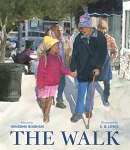
  • “If stories weren’t powerful, they wouldn’t be banning books.”
  • “There are so many different ways to tell a story.”
  • “We all like what we like…write what your heart tells you to write.”
  • All it takes is one person. “If you send your stuff out and no one gets it…keep writing.”
  • “Rejection is a good thing…if you don’t send your stuff out, they don’t know what you can do.”
  • “You have to believe there’s a reason you’re doing this. It’s not gonna pay off overnight, it’s a slow game.”

Federico Erebia said:Cover image of Pedro & Daniel
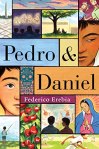
  • “It’s okay to be different, it’s okay to write different. There are many ways to tell stories.”
  • You realize at some point that you’re not just speaking up for yourself, you’re speaking up for a community – you may not even realize it’s your community.
  • I have been an activist for 45 years…”I have never been this afraid of America, in America, for America.”
  • “We have the power of the pen. We have our voices. Together we can effect change.”
  • “It may one day be too late to be on the right side of history.”

Abi Cushman said:Cover image of Wombats Are Pretty Weird
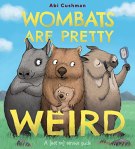
  • People don’t always get what you’re trying to do…[but also] sometimes your best just isn’t where it needs to be…and you just don’t know.”
  • Yes, this industry is tough, and yes, you’re going to get a lot of rejections. Keep writing the stories you’re passionate about in the way that you want to write them.

Deborah Freedman closing keynote
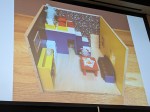
Mouse house modelRemember a thousand words ago when I said Deborah Freedman was going to come up again? Here she is! She gave a beautiful closing keynote with visuals of her beautiful art (and architectural models, including a little mouse house). Here are a few takeaways from her talk:

  • A well-written text trusts illustrators; a good book trusts readers.
  • What is the emotional heart of the book? What is the real conflict and resolution? It’s funny how long it can take and how hard it can be to figure out “what’s it about?”
  • The stories are made up, but the feelings are true.
  • How are we going to get through this world we’re in right now without connecting with each other?
  • A picture book might be a child’s first exposure to art and poetry.
  • We have to expand our own understanding of the world if we want to expand children’s understanding. When we explore what it means to be human we become better creators and maybe even better humans.

And that’s a wrap on NESCBWI25. I’m glad I went. I met lots of other writers and writer/illustrators and we exchanged contact information so we can critique and cheerlead and maybe see each other next year.

I’m grateful to my friend who hosted me during the weekend, and as a thanks for those who read this all the way to the end, here are some photos of her puppy:

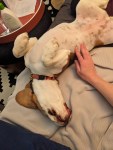
Beagle puppy and ladybug toyBeagle puppy speckled tummy

If you’re still here and you want more SCBWI content, my blog posts from the Winter 2021 conference are here and here. Happy writing, and happy reading!
Spring Standouts

Ah, spring, the season of tulips and cherry blossoms! Or is it the season of endless cold rain, protests, war, economic collapse, and constitutional crisis? Either way, there are good books, and thank goodness.

I’ve read about 260 books since January and thought I’d feature some of the real standouts so far. These have all been published this year (2025, for those keeping track at home). Hat tip, as usual, to Betsy Bird at Fuse 8 (especially for My Presentation Today is About the Anaconda, which I would have missed if not for her), and Heavy Medal for Newbery-eligible titles.

Picture booksCover image of Let's Be Bees

  • Let’s Be Bees by Shawn Harris: Hands-down one of the best toddler storytime books of the year, and maybe ever. The crayon drawings use kids’ own most common medium, and there are lots of sound effects. It’s hard to make a book this simple, and simply appealing.
  • The Interpreter by Olivia Abtahi, illus. Monica Arnaldo: A glorious book honoring the many kids who work as interpreters for their grown-ups; the hero of this book finds a way to balance her job as an interpreter with her job of being a kid. Filled with warmth and humor and really effective use of color in speech bubbles.Cover image of A Pocket Full of Rocks
  • The House on the Canal by Thomas Harding, illus. Britta Teckentrup: There are biographies, and there are histories, and then there are books that tell a story from a slantwise angle: the history of the house that became known as the Anne Frank House, from before it was built, through many different residents (human and animal) and disasters (fire, war) up to its present status as a museum.
  • Our Wild Garden by Daniel Seton, illus. Pieter Fannes: Two children convince their parents to re-wild their garden. This features specifically English flora and fauna, but is inspiring for any audience (although unfortunately, no matter how many little hedgehog doors we build here, we will not attract wild hedgehogs to our yards). The endpapers are flat-out gorgeous – they’d be amazing as fabric, wallpaper, or wrapping paper.
  • A Pocket Full of Rocks by Kristin Mahoney, illus. E.B. Goodale: Another marvelous read-aloud, for any time of year. A child collects rocks in winter, flower petals in spring, seashells in summer, and acorns in autumn, and uses them all in a fairy garden, then empties the jar, makes presents for their family, and starts over. The way this kid follows their interests without being deterred reminds me a bit of Mabel (see below). And I always love Goodale’s illustrations. Cover image of Every Monday Mabel
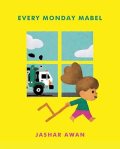
  • Every Monday Mabel by Jashar Awan: Jashar Awan has had my attention since What A Lucky Day! (2020), and Mabel is an absolute storytime grand slam. Readers’ curiosity is piqued right away, wondering why Mabel thinks Mondays are the best, despite her family’s disinterest in her passion – which turns out to be the garbage truck, complete with arm that picks up the trash can and dumps it (and sound effects!). Mabel is satisfied – though sad her family missed out on the experience – but other kids throughout the neighborhood celebrate the truck’s arrival as well.
  • Wind Watchers by Micha Archer: More beautiful collage art from Archer, and another calm and thoughtful story, as three kids observe and experience the wind through different weather and seasons. I particularly love one of the autumn spreads, with one kid perpetually suspended leaping into a pile of leaves.
  • Sweet Babe! A Jewish Grandma Kvells by Robin Rosenthal: Bold, stylish art for a bold, stylish grandma who just wants to kvell over her marvelous baby! The two play peek-a-boo, and just LOOK. AT. THIS. BABY! Who could say no? A Yiddish glossary is included, but I suspect that this book’s cultural specificity isn’t a barrier to its universality. Grandparents are gonna kvell!Cover image of Stalactite & Stalagmite
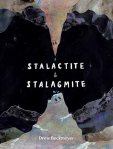
  • Stalactite & Stalagmite by Drew Beckmeyer: Brilliant premise, hilarious execution, exceptional art. I’ve never seen a picture book that covers millions of years, from trilobites to the present. Most of the story is in dialogue between Stalactite and Stalagmite and other visitors to their cave (a triceratops, a giant sloth, a human miner) and there’s an inconspicuous timeline along the bottom of each page.

Middle grade

  • A World Worth Saving by Kyle Lukoff: This high-stakes fantasy adventure with Jewish mythology and a trans main character trying to save a friend and assert his identity to his parents requires the reader’s full concentration. It’s unlike any other middle grade fiction out there today.Cover image of Away
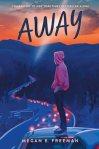
  • Away by Megan E. Freeman: I loved Alone, and so did the kids of Massachusetts – it was an MCBA winner. This companion stands alone, or you could read them in either order. Away has the perspectives of four kids instead of one, and different types of narration, and it comes together really well. (Also, there is a dog, and nothing bad happens to the dog.) Away really raises questions about social trust, community, government, and good trouble.
  • Max in the Land of Lies by Adam Gidwitz: Last year’s Max in the House of Spies was the first in a duology; the second book has a much more compressed timeframe, in weeks rather than years, and it’s high stakes: Max has returned to Berlin with the dual missions of spying for the British and finding his parents. The pacing and tone are different from the first book, but Gidwitz carries it all off successfully.
  • Crumble by Meredith McLaren: In this graphic novel, the main character and her mother and aunt all have the power to bake their feelings into food (think Like Water for Chocolate). But they aren’t supposed to bake bad feelings, so what is Emily supposed to do when tragedy strikes and the only thing she wants to do is bake? Crumble handles grief delicately and honestly. And there are recipes.
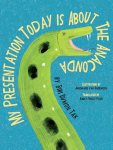
  • Cover image of My Presentation Today is About the AnacondaMy Presentation Today is About the Anaconda by Bibi Dumon Tak: Animals gather to give presentations about other animals, with frequent interruptions from the audience. Some presentations are self-centered, others well-researched, others a bit peculiar. The animals’ reasons for choosing their subjects vary, and overall it’s an entertaining batch of oral reports filled with fascinating facts and scientific vocabulary.
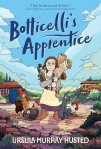
  • Botticelli’s Apprentice by Ursula Murray Husted: This graphic novel set Florence features a determined “chicken girl” who dreams of being an artist, and an artist’s apprentice who’s stuck with an assignment he can’t accomplish; the two make a deal to help each other, and after a prickly start, they each learn from one another. Well-researched and full of information about early Renaissance Florence, the processes of preparing canvases and creating paints, and why there weren’t more female artists, this is historical fiction at its best. And there’s a mischievous dog. (Again, nothing happens to the dog. Although dogs really shouldn’t eat lapis.)Cover image of Botticelli's apprentice
  • Right Back At You by Carolyn Mackler: I have a feeling this one isn’t going to stick in my memory, but I loved it while I was reading it. It’s got just the kind of speculative premise I like – a kind of time wormhole through which the characters send letters from New York in 2023 to Pennsylvania in 1987 – and it reminded me of Erin Entrada Kelly’s You Go First in the way the two characters help each other work through their challenges.

Young Adult

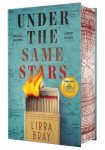
  • Cover image of Under the Same StarsUnder the Same Stars by Libba Bray: Characters in three timelines – 1930s Nazi Germany, the divided Berlin of the 1980s, and 2020 COVID-19-era New York – are connected through a history of war, oppression, and resistance. Reading is subjective, of course, but I felt that each section had a similar emotional weight; often in books with past and present settings, one has more pull than another.

Adult

  • Show Don’t Tell by Curtis Sittenfeld: As a longtime Sittenfeld fan, I was pleased by all these stories, including a coda to Prep. Cover image of Everything Is Tuberculosis
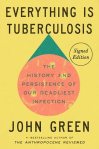
  • Everything Is Tuberculosis by John Green: In engaging prose, Green demonstrates how modern TB has much more to do with injustice than with bacteria. The world has had the cure for TB since last century, and the disease has largely been eradicated in developed countries, yet millions still die of TB every year “where the cure is not.” A clear and urgent call for healthcare justice. (And the book design is just as clever as the contents: make sure to examine the endpapers!)
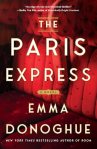
  • The Paris Express by Emma Donoghue: “A railway carriage is as intimate as a dinner party, but one with no host and guests assembled at random.” I got to see Emma Donoghue speak at a bookshop last month, and she was wonderful. My library hold on The Paris Express came in not long after, and I enjoyed the multiple perspectives of the people on the train, and the tension of wondering about the nature and scope of the impending disaster. Researched in depth and told with clarity and drama.
  • Do I Know You? A Faceblind Reporter’s Journey into the Science of Sight, Memory, and Imagination by Sadie Dingfelder: “What is it like to be someone else?” Dingfelder has prosopagnosia (faceblindness) and stereoblindness, but didn’t realize until adulthood that she wasn’t neurotypical. Her writing about the way she experiences the world is fascinating and funny.

So those are my top titles of 2025 so far. What are yours?

Emma Donoghue at Odyssey Bookshop

Cover image of The Paris ExpressOn St. Patrick’s Day, author Emma Donoghue was interviewed at the Odyssey Bookshop in South Hadley, and I was able to squeeze in a visit in the middle of my library shift (and be back in time for Pajama Storytime). I’ve been reading Emma Donoghue’s books my whole adult life: since 2007, I’ve read fourteen of her books, and I’m looking forward to reading her newest, The Paris Express, as soon as my library copy comes in. It was a treat to hear her speak about her new book, research, adapting novels into other forms, being Irish and Canadian, and more. Here are a few snippets from the interview:

  • On being an Irish writer, even though she’s lived in Canada since 1998: “The first twenty years are the years that mark you and shape you.”
  • On the topic of the train crash: “I’ve always wanted to write about a disaster of some kind.” They bring a cross-section of people together. The train journey gives shape to the novel.
  • On anarchists and explosions: “They were never that clear how blowing things up would help.”
  • On pacing: “Speed is the heart of the novel.” (One entitled rider demanded an unscheduled stop, adding ten minutes to the trip, which the transit employees tried to make up later in the journey: “So basically one rich arsehole ruined it for everyone.”)
  • On characters being cut from the novel: All of the characters were interesting people, but they “had to be having an interesting day,” even if the conflict they faced was mostly internal. “What I love about novels is that you can jump into the head of each character in turn.”
  • On writing a novel with a large cast: “It was like planning an amazing dinner party,” bringing people together and seeing how they interacted.
  • On novels being made into films: “I don’t think about film when I’m writing a novel…each form has its own strengths…I love doing adaptations” [of her own work and others’, such as the upcoming H Is for Hawk]. Writing the story as a novel first, then adapting to film, is the right sequence; a novel allows for “rich imagining.”
  • On adapting someone else’s work: “I felt like a tiny figure climbing inside a machine made by someone else.”
  • On the writing process: “It never feels as if you’re alone…” I feel as though I’ve been with people all morning on a moving train.
  • On writing about disaster: “My interest was in the tension. I didn’t want it to be a bloodbath.” But each character wonders, “Am I going to die?” And all of them have been “derailed” from the “predictable path” of their day.
  • On living in a diverse, multicultural society: “The train is a more interesting train if it has a wide variety of people on it.” (The train itself is a POV character in The Paris Express.)
  • On adapting one form to another: It’s “spinning the same yarn again.” She likes all forms, from novel to film to play to musical: “Whatever gets my story into your head.”
  • On her new project: A musical with traditional Irish music about people who emigrated from Antrim to Canada during the Famine.
  • On thinking about whether a book will sell: “I write books, then sell them….If you write a lot of things, one of them will pay the rent.”

Thank you, Emma, for your many books, and for visiting us in Western Massachusetts!

Quotations are from my notes, accurate to the best of my ability.

Open Books, Open Minds

Today is the Open Books, Open Minds “celebration of reading and literacy,” a free virtual event from LJ/SLJ and NCTE. I moderated a panel on “the joy of reading” with five authors:

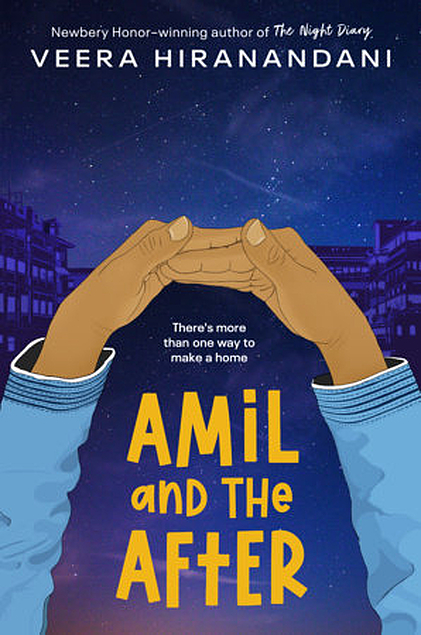
  • Veera Hiranandani (Penguin Young Readers), author of Amil and the After, How to Find What You’re Not Looking For, and The Night Diary, a Newbery Honor book.
  • Stuart Gibbs (Simon & Schuster), author of the Spy School, Funjungle, Moon Base Alpha, and Once Upon A Tim series
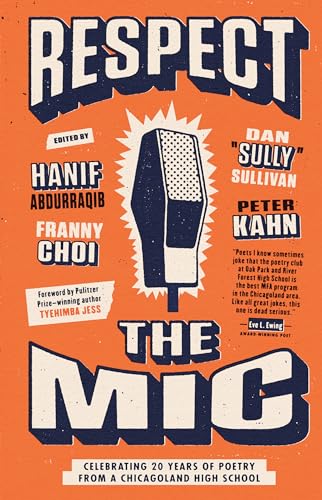
  • Peter Kahn (Penguin Young Readers), poet, educator, and project creator; co-editor of Respect the Mic: Celebrating 20 years of poetry from a Chicagoland High School
  • Tanisia “Tee” Moore (Scholastic), author of Micah Hudson: Football Fumble and picture book I Am My Ancestors’ Wildest Dreams
  • Claribel Ortega (Scholastic), author of Witchlings, Ghost Squad, and Frizzy, winner of the Massachusetts Children’s Book Award

All of the authors spoke beautifully and passionately about the importance and joy of books and reading. Brief notes on our conversation are below, and the whole day’s worth of panels and presentations will be available for online viewing for the next three months.
What does “the joy of reading” mean to you?

  • SG: (holding up a copy of The Westing Game by Ellen Raskin) “Reading creates memories.”
  • CO: Reading allows me to go into other people’s lives and experience things I wouldn’t do otherwise.
  • TM: “Books transport you.” (Cited The Snowy Day and Nancy Drew mysteries.)
  • VH: Books provide companionship.
  • PK: When you’re reading a paper book, you can’t multitask. You are in the moment.

How did you come to love reading? Cover image of Charlie Thorne and the Last Equation

  • TM: Was always a reader, and reading and writing were linked; kept a diary from age 6. Characters in books “were my friends.”
  • SG: Always a reader, read a huge number of library books – even found the G section where his book would be if he wrote one someday. [Ed. note: One! Haha]
  • VH: Had a lot of free choice, and never felt judged for her reading choices, even when she read comics. Having that freedom was important.
  • PK: Saw his parents reading for pleasure on vacation, so perceived it as a fun/leisure activity rather than a forced one.
  • CO: Always a reader. Books and libraries provided a safe space.

What about kids who haven’t discovered the joy of reading yet?Cover image of Frizzy

  • VH: Again, freedom to choose what you read is important. And parents can model reading, too.
  • TM: Allow kids to discover what they enjoy. Read together, or read what they’re reading, and let books start conversations.
  • SG: Books should be FUN! Graphic novels can be a gateway to reading other kinds of books.
  • PK: Read together, read aloud.
  • CO: Kids love graphic novels. Also, if they’re interested in other media (computer games, TV shows, etc.), make a connection to those other interests.
  • TM: If there’s a movie or TV version of the book, read/watch both and compare them.
  • VH: If kids read when they’re young, then drift away from it, they can come back to it: “It’s IN there.” True for adults too.

What are some ways your books can be, or have been, used in the classroom?RespecttheMic

  • PK: There is a website with videos to accompany Respect the Mic. Seeing poets perform their own work aloud increases engagement; there are also lesson plans and prompts.
  • SG: Did a lot of research for the Charlie Thorne series (partially inspired by reading Michael Crichton, who combined science and adventure), so history is woven in. Notes at the end of the book go some way toward explaining what parts are fact and what is made up, but students are encouraged to do their own research too.
  • CO: Witchlings has themes of prejudice, belonging, inequality, and socioeconomic status. Some teachers have asked students to use their problem-solving skills to suggest changes in the fantasy world of the book. What if…?
  • TM: I Am My Ancestors’ Wildest Dreams introduces readers to contemporary heroes, expands on Black history, and asks readers to consider when and how to make “good trouble.” It can be used in social studies and during Black History Month.
  • VH: Nisha, the protagonist of The Night Diary, and her twin Amil, protagonist of Amil and the After, are twins with very different styles of learning, ways of creating meaning, and ways of expressing themselves. Readers can consider their own and others’ learning styles, meaning-making, and expressions.

Why do you think reading is important, and how do you convey that to young readers?AmilAfter

  • SG: Reading about different worlds, cultures, and experiences creates empathy. Reading is a gateway.
  • VH: Echoes Rudine Sims Bishop’s “Mirrors, Windows, and Sliding Glass Doors.” Books allow people to enter into others’ lives and gain a deep understanding.
  • CO: Books are a place to learn about tough topics safely.
  • PK: Having hard (physical, paper) copies of books is more important than ever so that you can focus without distraction, scrolling, notifications.

How do you communicate a message/theme to young readers without being didactic?Cover image of I Am My Ancestors' Wildest Dreams

  • CO: TRUST your reader. Let things be messy. Some things aren’t fixed – that’s realism. Kids appreciate you being real with them.
  • TM: Use dialogue and action to show; allow readers space to figure things out on their own. It’s harder to write a picture book than people imagine!
  • SG: A little bit of messaging goes a long way; make it powerful, not repetitive.
  • VH: A didactic message reveals an adult agenda.

Is it mandatory to have a child in order to be a good children’s book author? (audience question)

  • TM: Most important is to BE A READER of the genre you want to write in. Spend time around kids (doesn’t have to be your own).
  • VH: Be in touch with your inner child.
  • CO: Talk with kids on school and library visits.

It was such a privilege to speak with these authors today and hear what they had to say about the joy of reading. Library news lately has been dominated by book bans and budget cuts, so to hear kidlit creators speak out so strongly in favor of free choice in reading was marvelous. I believe that kids will build an identity as a reader if they are allowed to choose their books (including graphic novels and audiobooks); if they see the adults in their lives reading books; if they engage in conversations about books. I believe that reading builds empathy, and prepares people to live in the world with other people, and to experience scary things in a safe way.

Happy reading to you all!

Tis the season for picture books and graphic novels

I developed these two presentations for the senior center, but why not share more widely?

Picture This: Picture-Perfect Gift Books for the 2023 holiday season (or whenever! Books are good 365 days a year).

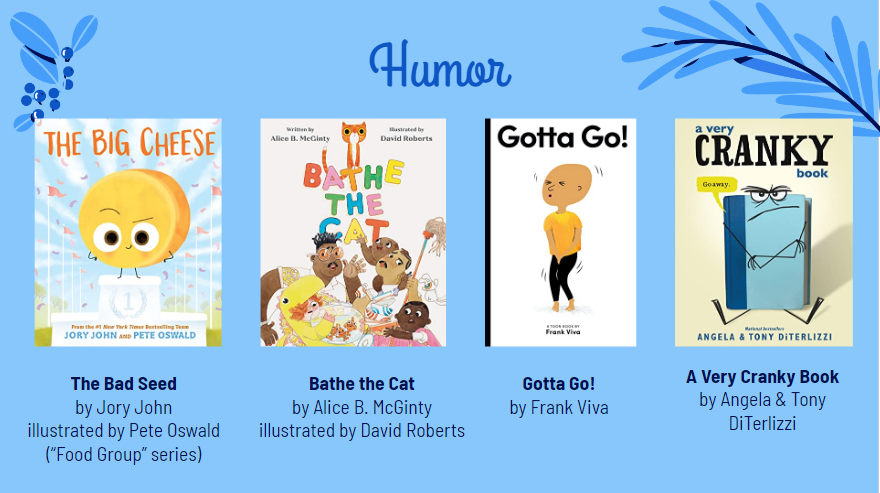
With an older audience in mind, I focused on recent titles from our current golden age of picture books, from wordless wonders like Aaron Becker’s Journey to Caldecott winners like Sophie Blackall and Matthew Cordell, from nonfiction to humor to holidays. Does a kiddo in your life need a new picture book this month? Sure they do!

Humor slide from Picture Books presentation: The Big Cheese, Bathe the Cat, Gotta Go, A Very Cranky Book

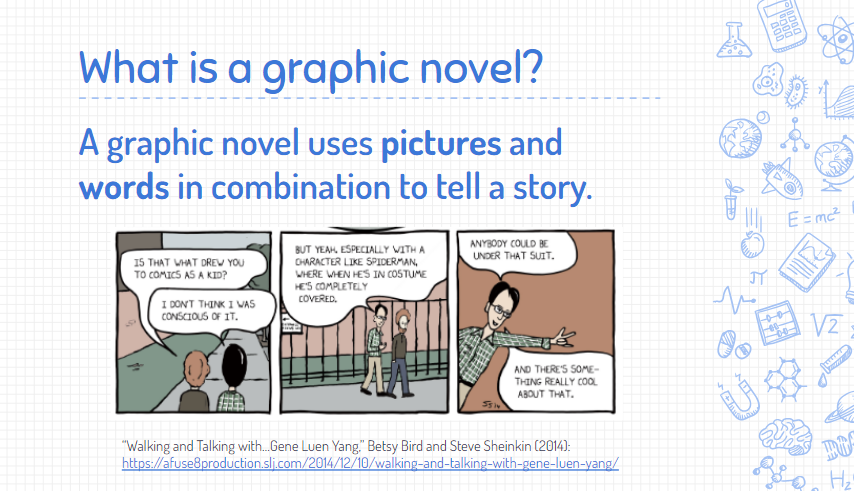
What Are Graphic Novels (and why are they so great)? is an attempt to introduce adult readers to a format that might be new for them, and to dispel the harmful idea that graphic novels aren’t “real” books. (Graphic novels ARE real books! If your kids/students are reading graphic novels, they’re reading! And they probably have better visual literacy skills than you do. While I’m up here on my soapbox, audiobooks are real books, too.)

"What is a graphic novel?" slide from GN presentation

Links will take you to Google Slides presentations. For both sets of slides, I used SlidesCarnival (shout-out to my grad school friend Becca for introducing me to this resource).

Readers, I hope you check some of these books out from the library, or buy (local if you can!). School and public librarians, feel free to copy and remix if that’s helpful to you; please give credit. Neither of these presentations is intended to be comprehensive – just some award winners and lots of my own personal favorites. Happy reading!

ALA Youth Media Awards 2023

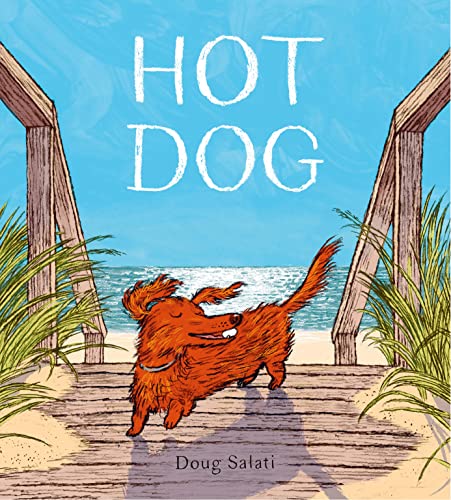
Cover image of Hot Dog
What a day for a dog!

Last year, I followed the ALA YMA on Twitter while preparing to teach seventh graders online research skills; the year before, I watched in my pajamas with my five-year-old on my lap. This year, I missed the beginning of the livestream, but the timing worked out so that a third grade class was in the library when the Caldecott awards were announced, and they were so excited!

As I watched not just the Caldecotts but all the other awards roll in, it struck me more than any previous year how many deserving books there are. Not that I disagree with the committees’ choices – plenty of books I cheered for, others I hadn’t read – but there are just so. many. good. books in any given year! And because I was on this year’s Heavy Medal committee (Mock Newbery) and ran a Mock Caldecott program at my school, I was more attuned than usual to award predictions.

So rather than recap today’s winners, I’m going to list a few middle grade and picture books I think could have gotten awards, and just happened not to, but are still wonderful and you should read them:

Middle grade:

  • A Rover’s Story by Jasmine Warga
  • Violet and Jobie in the Wild by Lynne Rae Perkins
  • The Ogress and the Orphans by Kelly Barnhill
  • Different Kinds of Fruit by Kyle Lukoff
  • Where the Sky Lives by Margaret Dilloway
  • The Insiders by Mark Oshiro
  • The Door of No Return by Kwame Alexander
  • Black Bird, Blue Road by Sofiya Pasternak
  • A Duet for Home by Karina Yan Glaser

Picture Books

  • Mina by Matthew Forsythe
  • Blue: A History of the Color as Deep as the Sea and as Wide as the Sky by Nana Ekua Brew-Hammond, illustrated by Daniel Minter
  • Sweet Justice by Mara Rockliff, illustrated by R. Gregory Christie
  • A Spoonful of Frogs by Casey Lyall, illustrated by Vera Brosgol
  • I Don’t Care by Julie Fogliano, illustrated by Molly Idle and Juana Martinez-Neal
  • Endlessly Ever After by Laurel Snyder, illustrated by Dan Santat
  • Farmhouse by Sophie Blackall
  • Snow Horses by Patricia MacLachlan, illustrated by Micha Archer

Squirrels that turn out to be cats, magic doors that lead to a refuge and friendship, a Mars rover with human emotions, a choose-your-own-adventure fairytale, escaping frogs, an unsung civil rights hero, some beautiful collage, and more – there’s something for everyone, and awards are only a piece of it all. Congratulations to all authors and illustrators who put something out into the world in 2022; readers are grateful.

Mock Caldecott 2023

In my first year as an elementary school librarian, I had to do a Mock Caldecott. It was one of the programs I’d heard other elementary librarians (and some children’s librarians at public libraries) talk about for years and it always sounded like a fun way to get kids engaged and excited. Plus, it’s a good chance to focus on the (incredible) art, and consider things like trim size and shape, endpapers, use of the gutter, use of color, light and dark, and media. I always look to see if there’s an art note on the copyright page about what materials the illustrator used, and kids are sometimes surprised (especially the born-digital art).

Here’s how I ran our program, loosely based on Travis Jonker’s:

Intro/practice week (first week of January):

  • Introduce the Caldecott Award. What is it for? Who decides? Which books (illustrators) are eligible? Even the youngest students grasp the difference between an author’s job and an illustrator’s job, and learn that if there’s one name on the cover, it means that person did both jobs.
  • Read two past Caldecott books, and have a vote (by show of hands). Make the tally visible on the whiteboard. In kindergarten and first grade, we read Kitten’s First Full Moon by Kevin Henkes (2005) and This Is Not My Hat by Jon Klassen (2013). In second and third grade, we read Beekle by Dan Santat (2015) and Watercress by Andrea Wang, illustrated by Jason Chin (2022).

Week One:

  • Now it’s onto this year’s Caldecott contenders! I requested several books from my public library, using my own reading from the past year as well as The Horn Book’s Calling Caldecott blog and Betsy Bird’s predictions on her Fuse8 blog at SLJ. Ideally, I’m looking for books with less text, because classes are only 40 minutes and we want to do book checkout too. I use the Whole Book Approach, which means I welcome students’ observations while we’re reading – which means it takes longer to read a book aloud.
  • Kindergarten and first grade read I Don’t Care by Julie Fogliano, illustrated by real-life best friends Molly Idle and Juana Martinez-Neal, and Like by Annie Barrows, illustrated by Leo Espinosa. Second and third grade read The Blur by Minh Lê, illustrated by Dan Santat, and This Is Not A Story About A Kitten by Randall de Sève, illustrated by Carson Ellis. I note when illustrators have previously won a Medal or an Honor.

Cover images of I Don't Care and Like

Cover images of The Blur and This Story is Not About A Kitten

Week Two:

  • Kindergarten and first grade read Somewhere in the Bayou by Jerome and Jarrett Pumphrey, and Little Houses by Kevin Henkes, illustrated by Laura Dronzek. Second and third grade read Knight Owl by Christopher Denise and Hot Dog by Doug Salati. Actually, this week we mixed it up a little bit; one of the first grade classes read the second and third grade pair of books, and one of the other first grades read Hot Dog and Little Houses. Attention spans vary, and it seemed like the right call at the time.

Cover images of Hot Dog and Little Houses

Screen Shot 2023-01-25 at 8.40.44 PM

Week Three:

  • Here we started to run into a few scheduling snags, including a (planned) holiday and some (unplanned) weather-related time off (a full snow day, a delayed start, and an early dismissal). It’s winter in New England, after all. That’s okay! We’re not being super scientific or mathematical about this, though I am keeping track of the tallies and figuring out the total votes for each book each week, and noting the number of classes that read each book.
  • Kindergarten and first grade read Don’t Worry, Murray! by David Ezra Stein and Witch Hazel by Molly Idle. Second and third grade read Farmhouse by Sophie Blackall (who has already won twice!) and Snow Horses by Patricia MacLachlan, illustrated by Micha Archer. This final pair of books is absolutely gorgeous, and my second- and third-grade students are an observant bunch, so we’re pretty squeezed for time given that these two are more text-heavy than some of the others (and Farmhouse is all one long sentence!).

Screen Shot 2023-01-25 at 8.42.49 PM

Cover images of Farmhouse and Snow Horses

Now, are the titles we read my top picks for the 2023 Caldecott? Not necessarily, although I think a lot of them have a very strong chance and I’d be delighted to see them get a shiny gold or silver medal. A few contenders we’d read earlier in the year: Endlessly Ever After by Laurel Snyder, illustrated by Dan Santat; Mina by Matthew Forsythe; Berry Song by Michaela Goade, John’s Turn by Mac Barnett, and The Three Billy Goats Gruff by Mac Barnett, illustrated by Jon Klassen. So, these are the ones that were fresh for my students, and that I could get from my public library in time.

Bulletin board of 2023 Mock Caldecott with images of book coversVisual supports: The award is for illustration, after all, so I wanted to create a visual environment to support our Mock Caldecott. Here are a few ways I did that:

  • A few years ago at a conference I got a poster with all of the Caldecott winners on it, plus that year’s honor books. I put that up on our whiteboard, and kids frequently pointed out books they’d read (even pre-readers could recognize the book covers). (Note: I would love an updated poster like this, and no one seems to make one! Let me know if you know of a source…)
  • On the easel whiteboard, I kept each week’s tally (photographing it regularly in case anyone erased it, accidentally or on purpose). Results were so different from class to class!
  • On my bulletin board, I printed out cover images of the Caldecott contenders we read, along with title, author, and illustrator info. This helped us remember what we’d read in past weeks, and make connections; for example, one third grader noticed that The Blur and Farmhouse took place over a long span of time, whereas This Is Not A Story About A Kitten and Snow Horses took place over the course of just one day/night.
  • I covered several tables with face-up Caldecott winner and honor books from past years and encouraged students to check those out – many did! (And some just wanted My Weird School or A-to-Z Mysteries or Wimpy Kid or the Biscuit books, and that’s fine too. But at least they saw them as choices, and picture book circulation increased! Though lots of students were baffled about why some books had “the sticker” and some didn’t.)

At the end of our program, I figured out all the tallies and reported our results to the 2023 Mock YMA blog. Knight Owl got the most votes, followed by Somewhere in the Bayou, The Blur, Don’t Worry Murray, Farmhouse, and Hot Dog. And today, it worked out that one of my third grade classes was in the library during the live Caldecott announcements, and they went wild for Knight Owl and Hot Dog. It was gratifying to see them throw their hands up and cheer for books they recognized (I was cheering too, of course!).

Did we predict the winner? Not exactly, but two out of five ain’t bad. Did we read some great picture books? Absolutely! Will I do it again next year? Yes! What will I do differently? Mainly, I’ll start requesting books from my public library ahead of time, really concentrating on the ones with less text, so we can focus on the illustrations without being rushed during our 40-minute periods. I could change the way we vote – I was thinking of some clear jars and colored pom-poms that kids could use as their votes after reading four or five books over the course of a few weeks, instead of having two books go head to head each week.

Overall, it was a fun program I hope to run again next year. Now, as we’re about to enter Black History Month, I’m thinking of doing something similar (minus the voting) with Coretta Scott King award and honor books. Heck, there are enough awards to focus on a different one each month of the school year…