Fiction builds empathy, allowing readers to step into someone else’s mind, feel their feelings, see from their perspective. It can be heartbreaking and harrowing, wondrous and imaginative, funny and tender, armchair travel. As many others have said, a book is a door you can walk through.
Nonfiction is a different kind of door. Just as “fiction” is a broad category including a host of genres (mystery, historical, fantasy, sci-fi, romance, etc.) and writing styles, “nonfiction” is perhaps even broader: it includes cookbooks and travel guides, how-to and true crime, memoir and biography, history and social science, art and music and sports, gardening and architecture. (A four-year-old library patron recently asked me for books about “construction trucks and Pompeii” – both nonfiction topics.)
But which nonfiction books actually transform your worldview enough to spark a change in your behavior and mindset, not just for a few days but long-term?
As someone who has been concerned about conservation, the environment, and climate change since learning about the hole in the ozone layer in third grade (see: Mario and the Hole in the Sky by Elizabeth Rusch), and who has seen my entire adult lifespan thus far essentially squandered in terms of urgent steps that governments and corporations need to take to keep our one beautiful, habitable planet from warming past the point of livability (we’re on COP29 as of this week, and only last year at COP28 did countries agree to transition away from fossil fuels), I’m drawn to books that offer solutions: changes I can make on a personal level (although the term “climate footprint” was popularized by oil giant BP, and while of course we should all do our best to “rethink, refuse, reduce, reuse, repair, recycle,” we really need governments and corporations to step up) and changes that can be made more broadly.
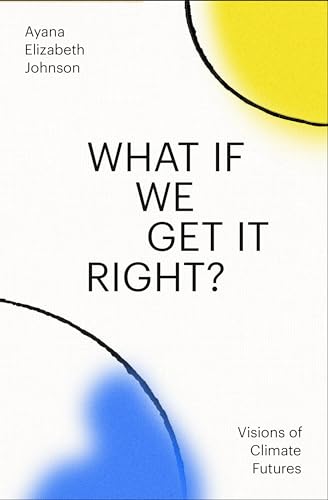 Enter What If We Get It Right?: Visions of Climate Futures by Ayana Elizabeth Johnson and a whole host of experts she interviews. The central takeaway is that we have the ideas, tools, and technology we need to tackle the climate crisis right now; what we’re lacking is the political will to make these changes with all necessary speed. Even so, a book so stuffed with brilliant ideas and solutions and energy is motivating; as Paola Antonelli, MoMA’s senior curator for architecture and design and its founding director of research and development, said, “Hope is a propellant.”
In What If We Get It Right?, Johnson presents a Venn diagram, asking: (1) What brings you joy? (2) What are you good at? (3) What work needs doing?
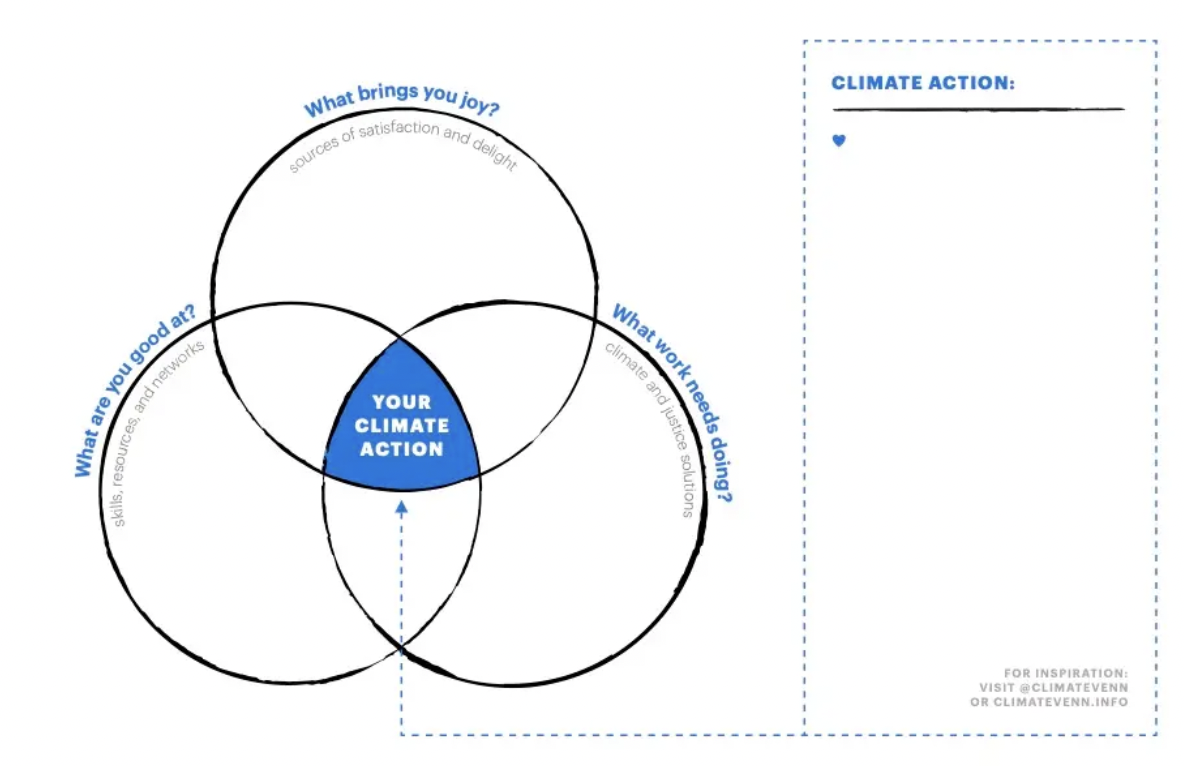
My climate action, then, might be early childhood education in a public library setting: making sure that books about all the ways we can help our planet – and all of the land, forests, rivers, and oceans that make up our home and the home for beloved animal species – are available on our shelves and on displays, and featured in storytime programs. That in our arts and crafts activities, we are using both sides of the paper and avoiding plastics. That in our playtime, we are choosing sturdy, long-lasting toys, or even reusing big cardboard boxes (to play in and draw on) before recycling them.
Last spring, I wrote an article for the Massachusetts School Library Association newsletter/forum, “Hopeful Picture Books About Climate Change and Conservation,” because I believe it’s so important for kids to know about this issue, but not in a way that overwhelms them and paralyzes them with despair and hopelessness – in a way that shows them that positive change is possible and they can be part of it (though they might well be furious with older generations for their inaction; I sure am). Again: Hope is a propellant. And there is no Planet B.
As we prepare for a Republican administration led by a person who has called climate change a hoax, we can keep the big changes we want in mind and keep working at them, especially at the state and local level, but personal changes can make a difference too. Three of the books that shifted the way I eat, and where and when I buy food, are Barbara Kingsolver’s Animal, Vegetable, Miracle (2007), Once Upon A Time We Ate Animals (2021) by Roanne Van Voorst, and Ultra-Processed People (2023) by Chris van Tulleken.
 I wish I remember where I heard about Once Upon A Time We Ate Animals: The Future of Food by Roanne Van Voorst, but I requested it mainly based on the intriguing title (I love speculative fiction – and nonfiction). Van Voorst is a “futures anthropologist” and her premise for this book is that we are currently in the middle of a shift from “carnism” (eating meat and animal products) toward vegetarianism and veganism. The book is nonfiction, but spliced in are short fiction pieces set in the future, looking back on a past in which (many) humans ate animals. Whether you’re an omnivore, vegetarian, vegan, or other, this is a fascinating book, and will make you think differently about the way you eat – no matter which way that is currently.
 Animal, Vegetable, Miracle: A Year of Food Life was published in 2007, but I didn’t get around to reading it until 2022. It is a year in the life of the Kingsolver family at their homestead, where they’ve committed to eating only what they can grow or source locally for one year. There are many good reasons to eat local, from climate to animal welfare to supporting the community you live in, though you don’t need to devote your life to growing all your own food and raising chickens (unless you want to!). There are farmers’ markets and CSA shares and local groceries in a lot of places – other places, unfortunately, are food deserts, and there’s plenty of advocacy to be done there – and when you eat foods that are in season, they taste better too. (Animal, Vegetable, Miracle also includes recipes.)
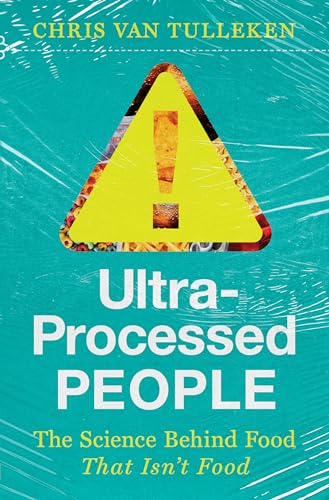 Ultra-Processed People: The Science Behind Food That Isn’t Food by Chris van Tulleken draws the reader’s attention to how much of the “food” we eat isn’t really food at all (as the subtitle indicates). Van Tulleken introduces the NOVA framework for classifying foods, from (1) unprocessed/minimally processed to (2) processed culinary ingredients (e.g. butter) to (3) processed food (e.g. canned beans) to (4) ultra-processed food (e.g. Coke, Doritos). One of the shocking pieces of information in this book was that the FDA does not regulate foods, or the ingredients that go into foods, anywhere near as much as you might imagine; there are giant loopholes for additives; companies can just say that various chemicals are safe without having any real scientific evidence to back that up.
What nonfiction books have shifted the course of your thoughts and actions?
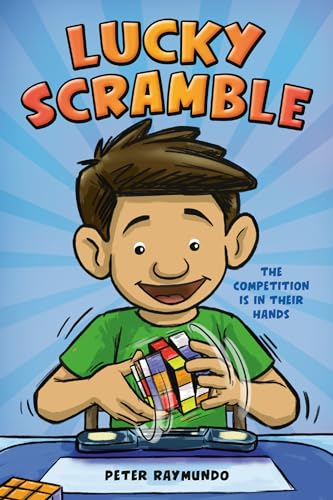 The kids’ graphic novel book club I started last fall is still going strong, with about 4-7 kids attending each month. This month we read Lucky Scramble by Peter Raymundo, about a kid named Tyler who goes to a Rubik’s cube competition. Our icebreaker question was “What’s your favorite kind of puzzle?” and a lot of the kids said “Rubik’s cube,” even though none of us could solve one. (I said word puzzles, like wordle, and it turns out all of the kids also do the NYT puzzles!)
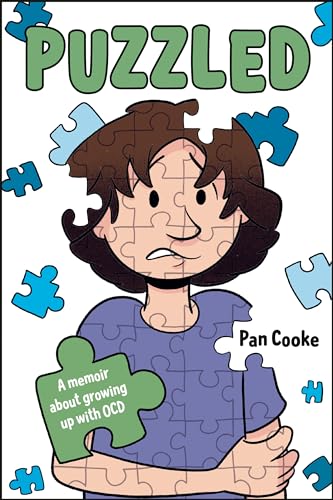 Last, the kids voted on which book to read next. The choices were Curveball by Pablo Cartaya, Pebble & Wren by Chris Hallbeck, and Puzzled by Pan Cooke. The first two got one vote each and Puzzled got two votes, so that will be our February book – but all three books got checked out. It was a good afternoon!
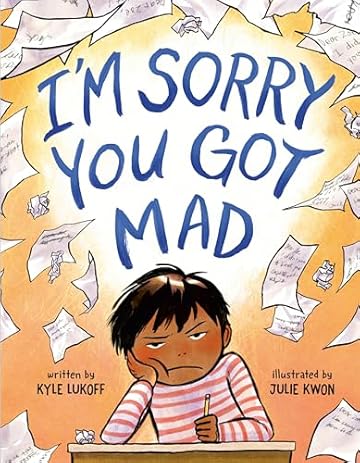
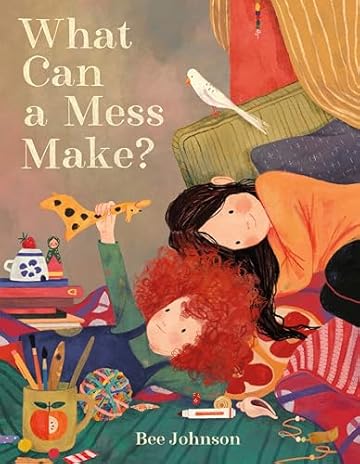
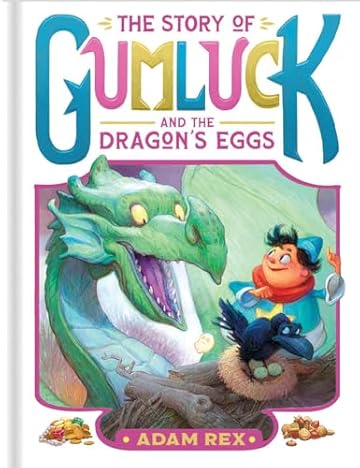
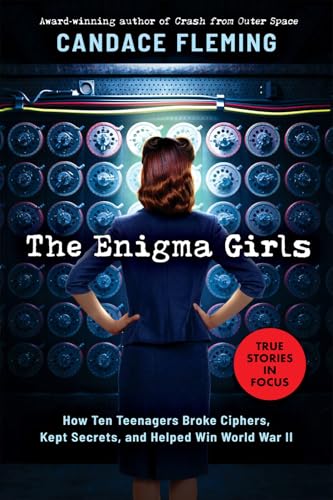
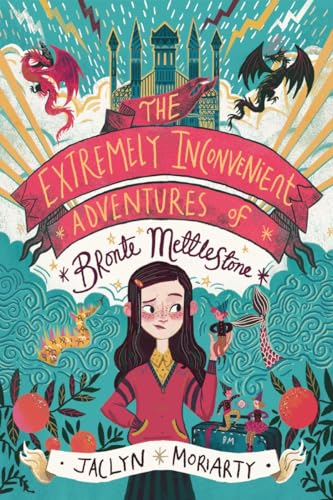
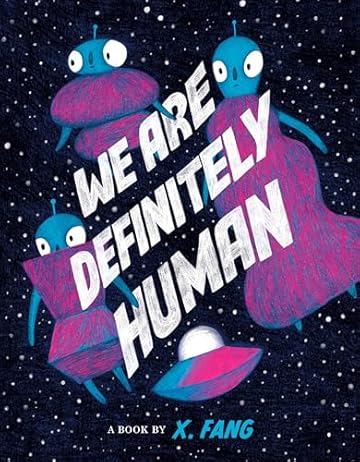
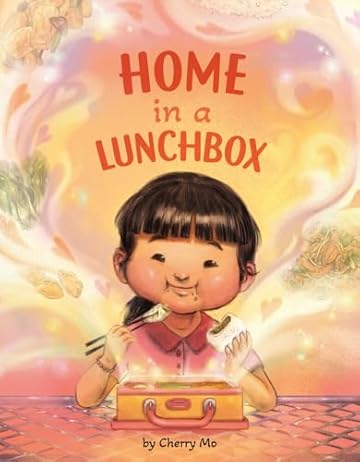 WeNeedDiverseBooks: 189. Less than last year both in terms of numbers and percentage of the total, though I do suspect myself of undercounting/tagging.
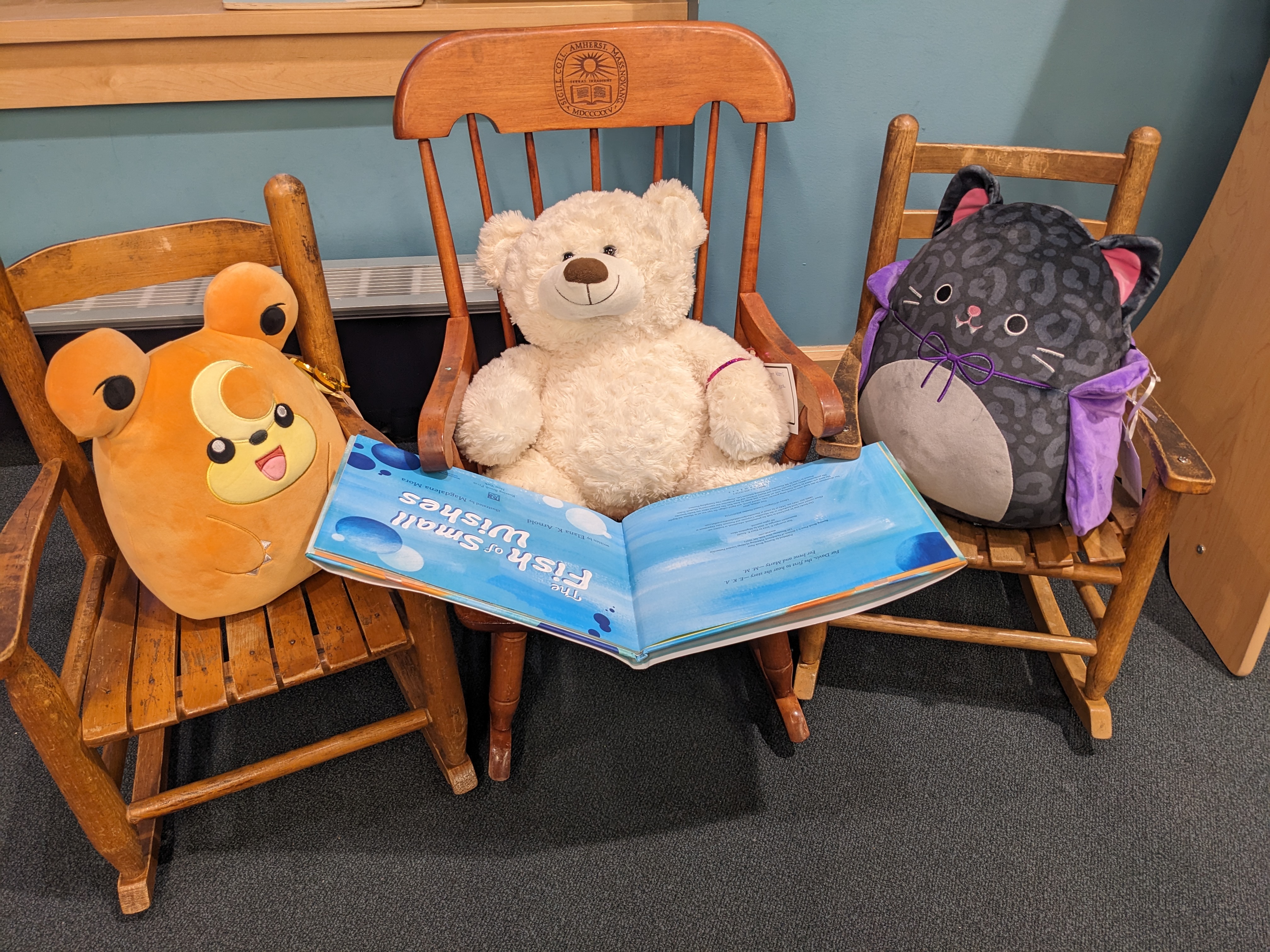
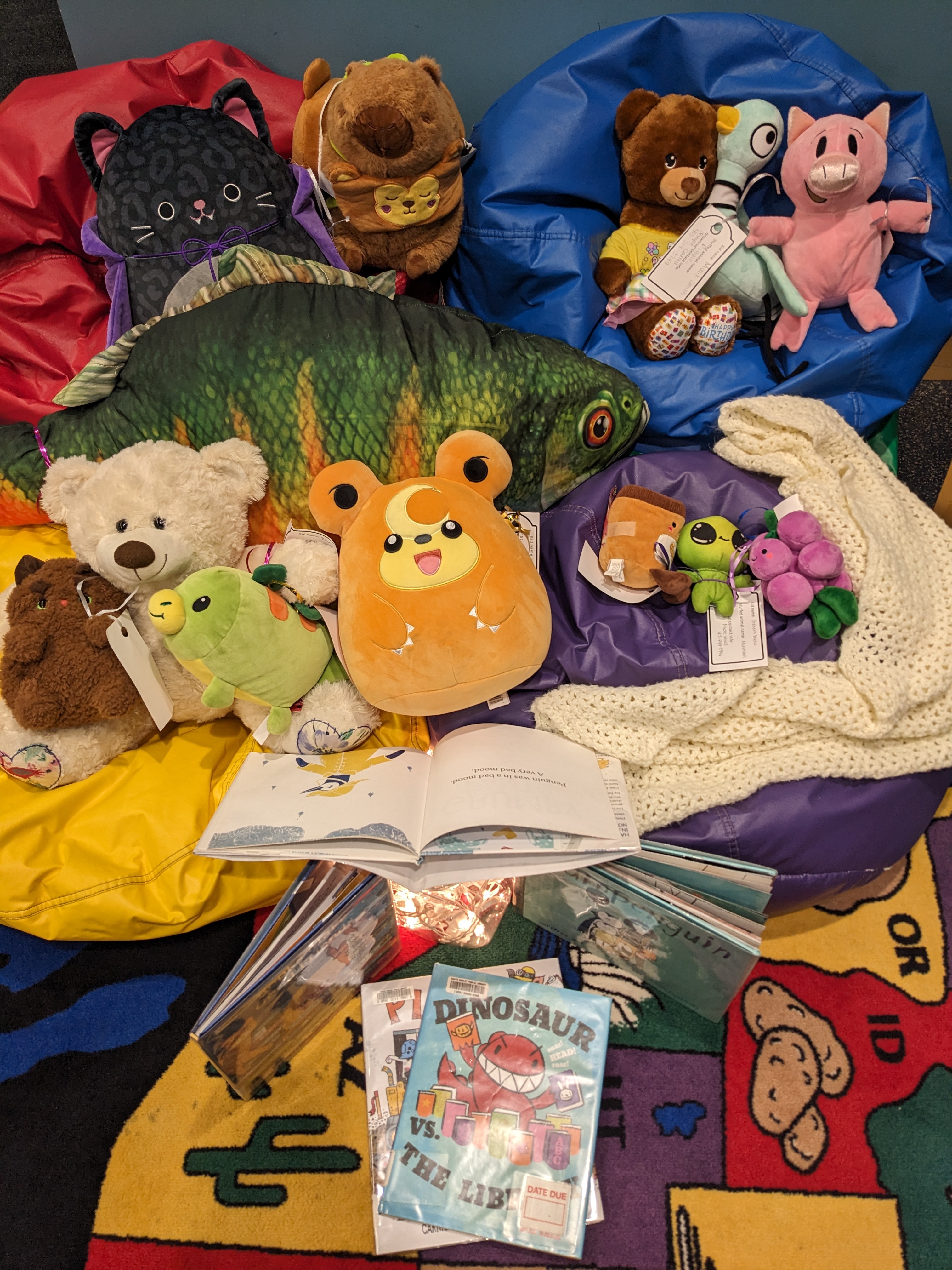
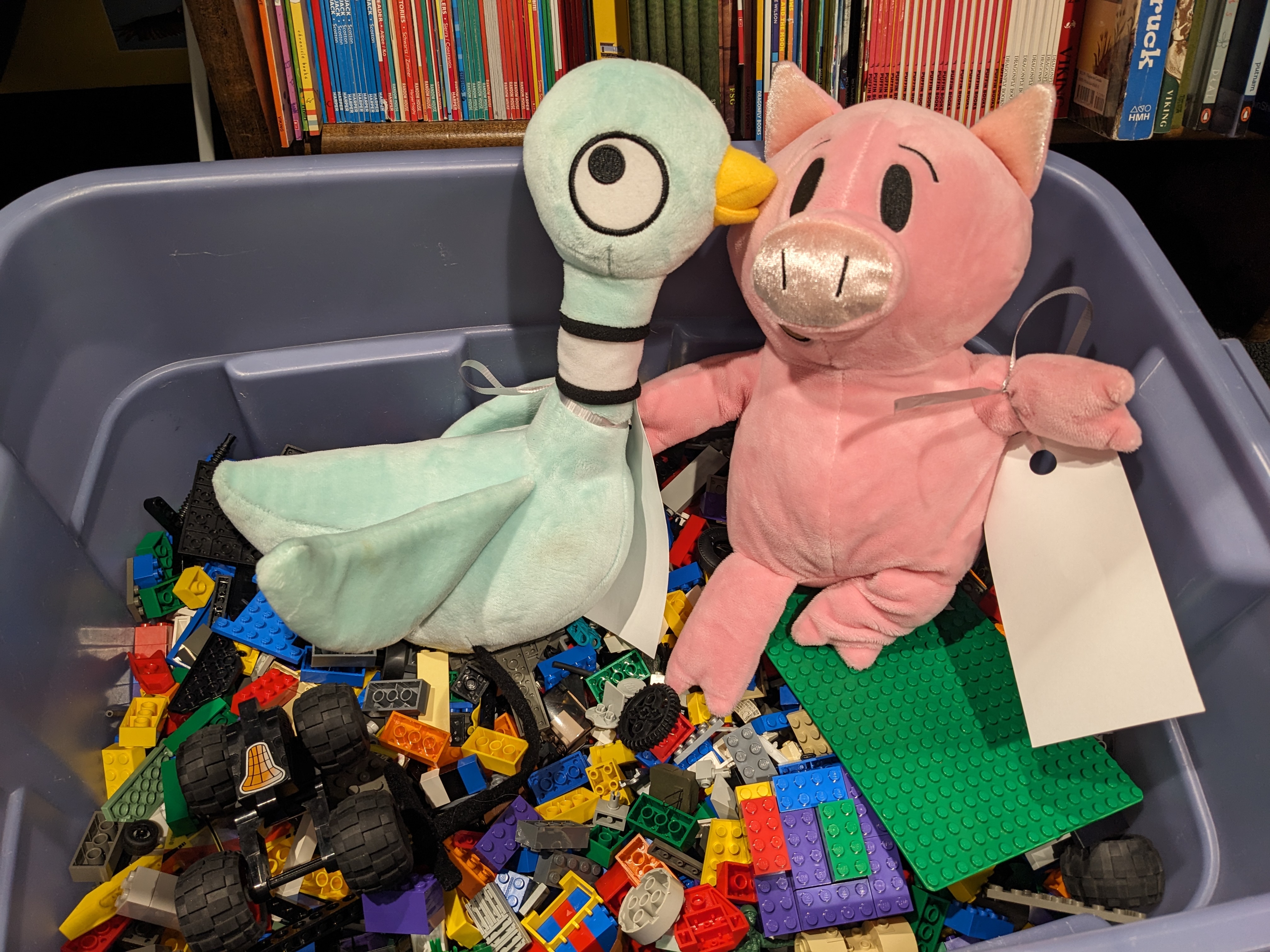
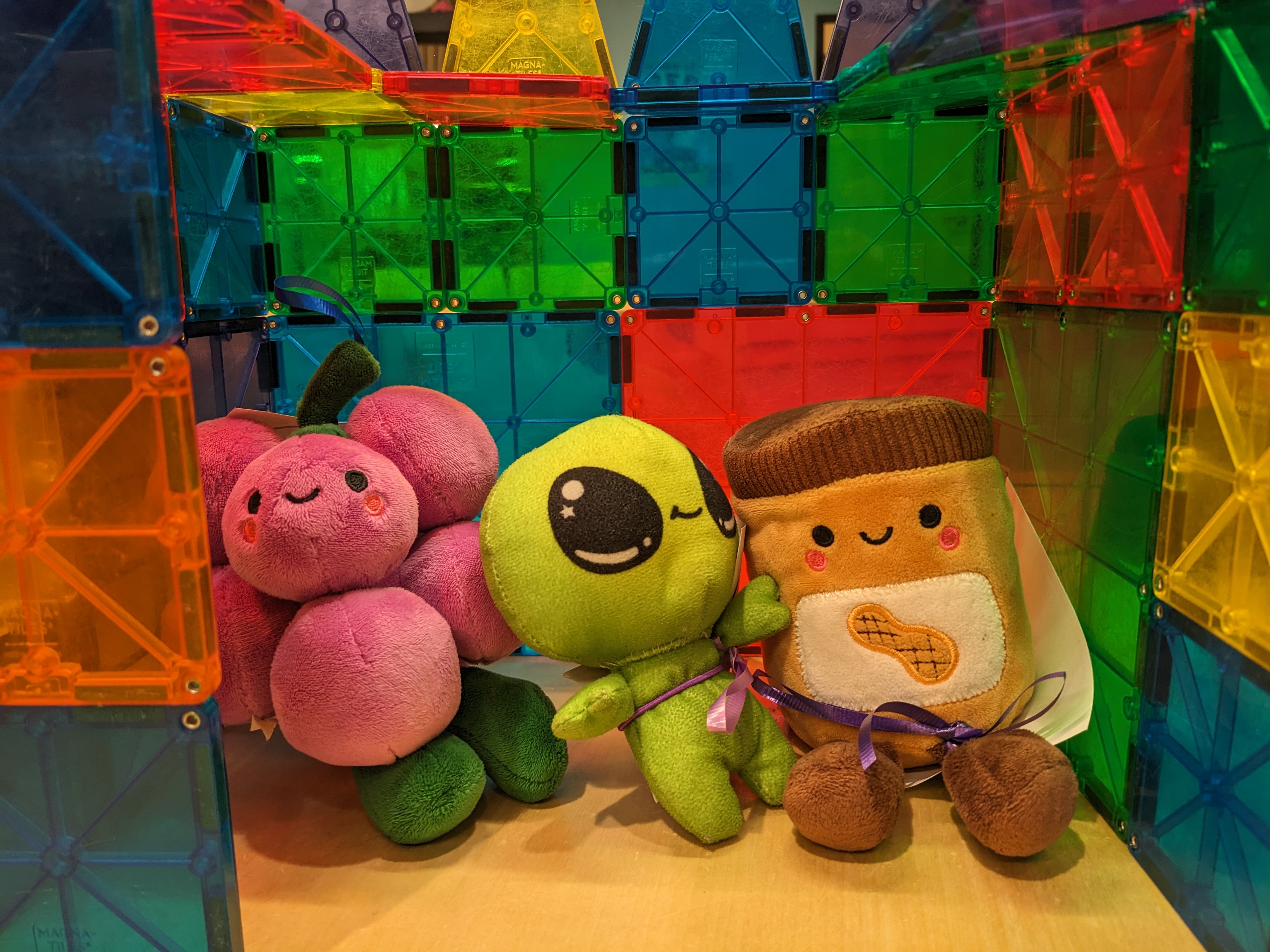
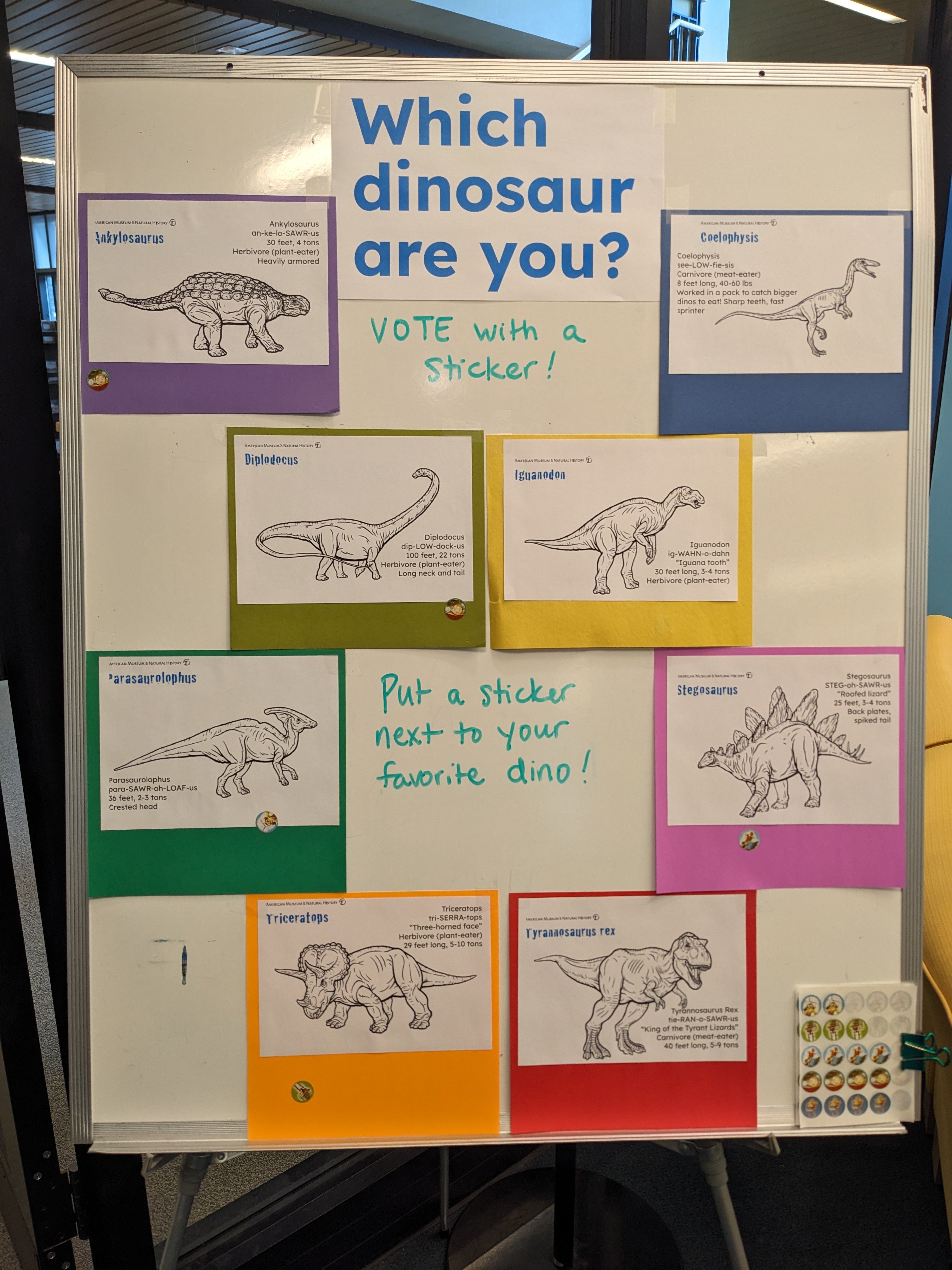
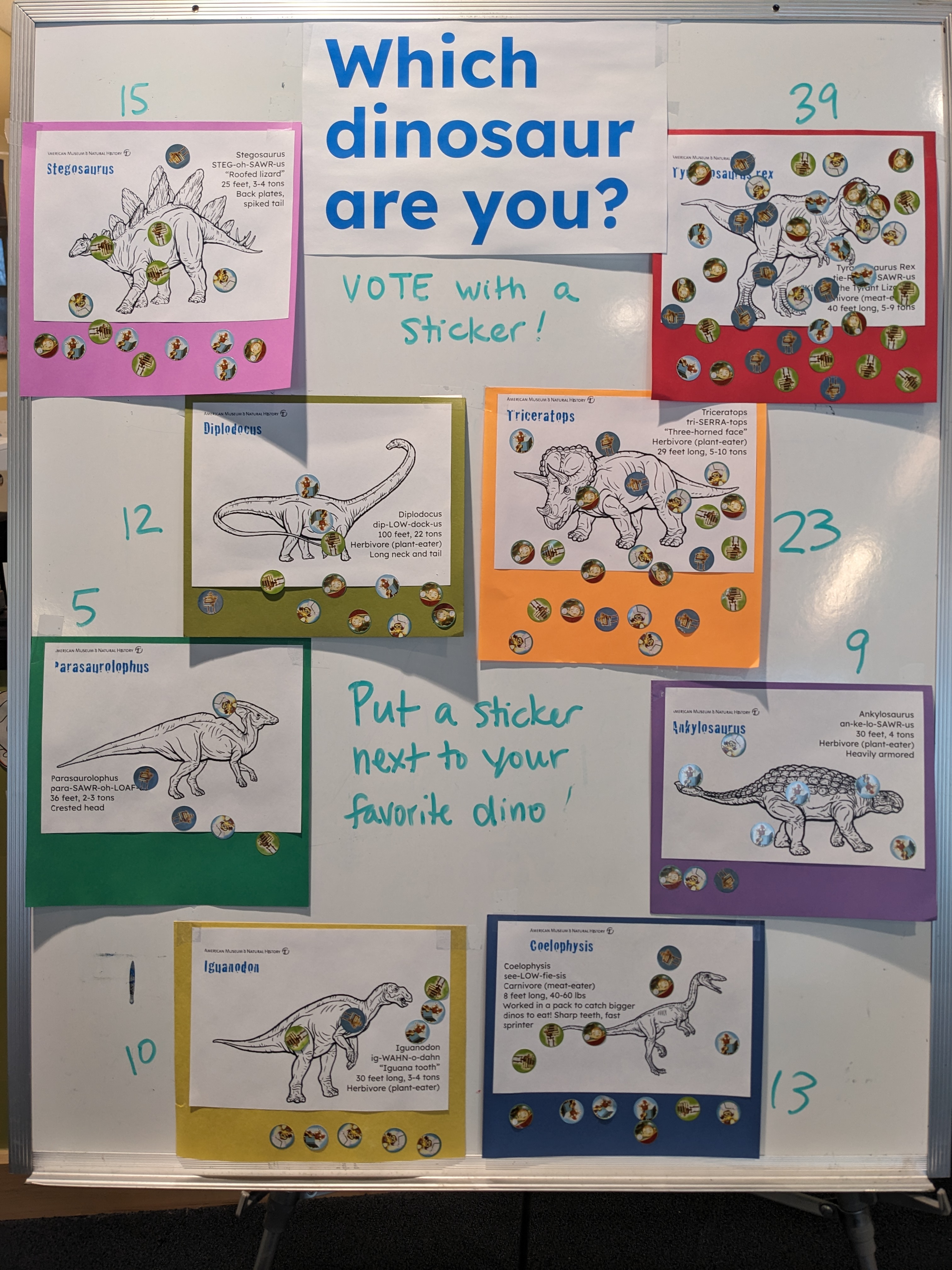 Passive programming, or self-directed programming, is a type of program that library patrons can participate in independently or with only minimal interaction with library staff. This recent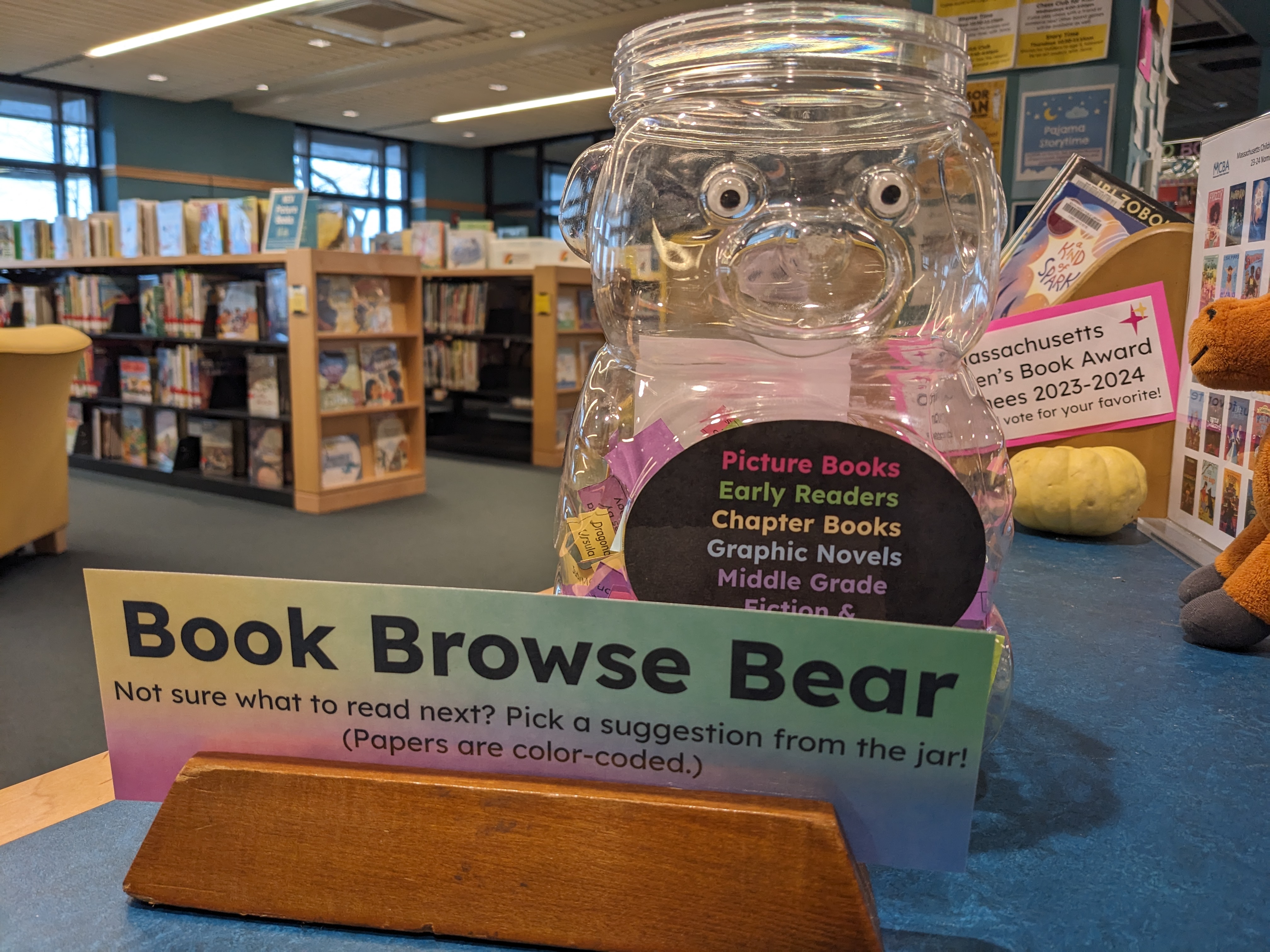
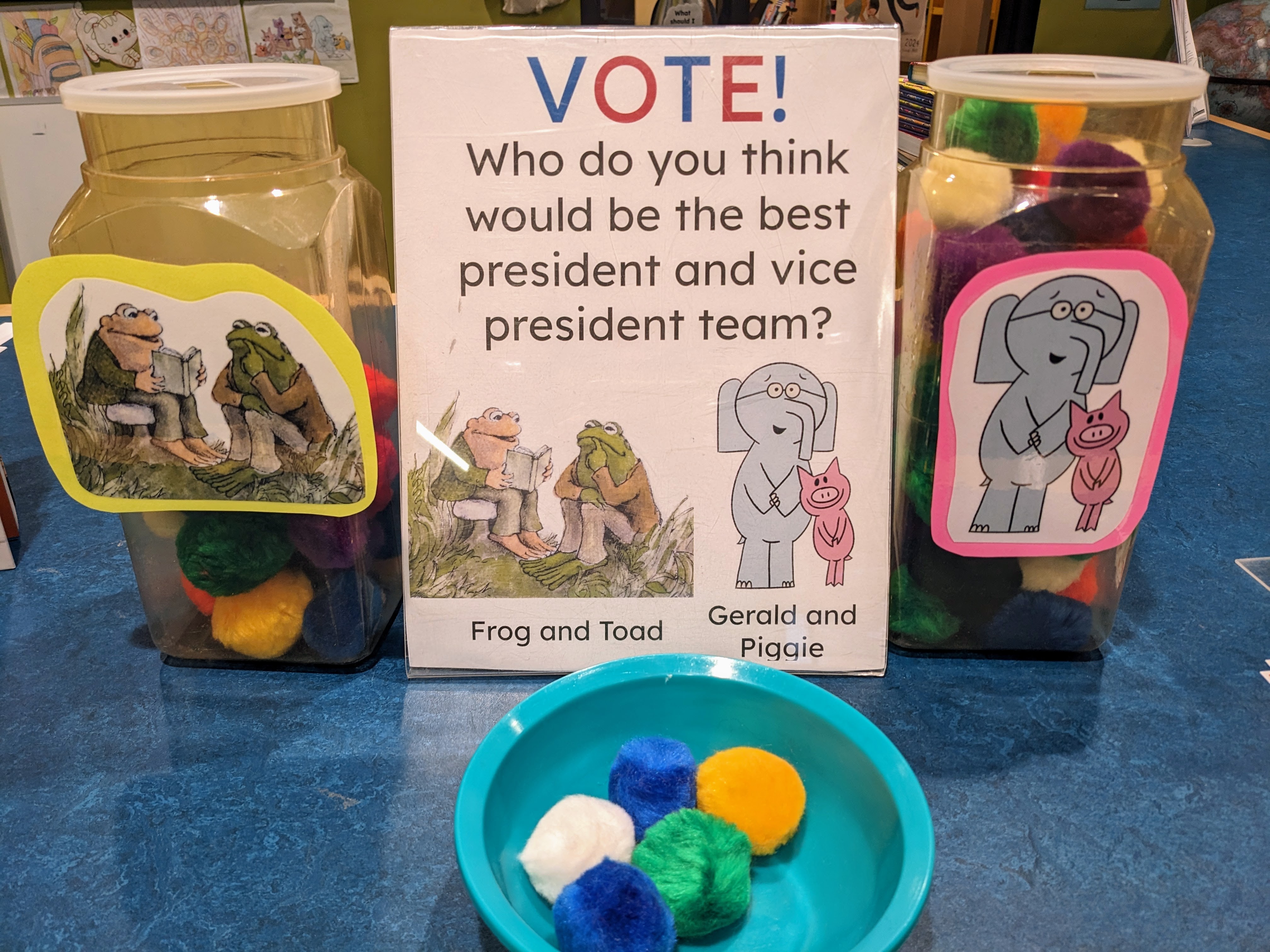
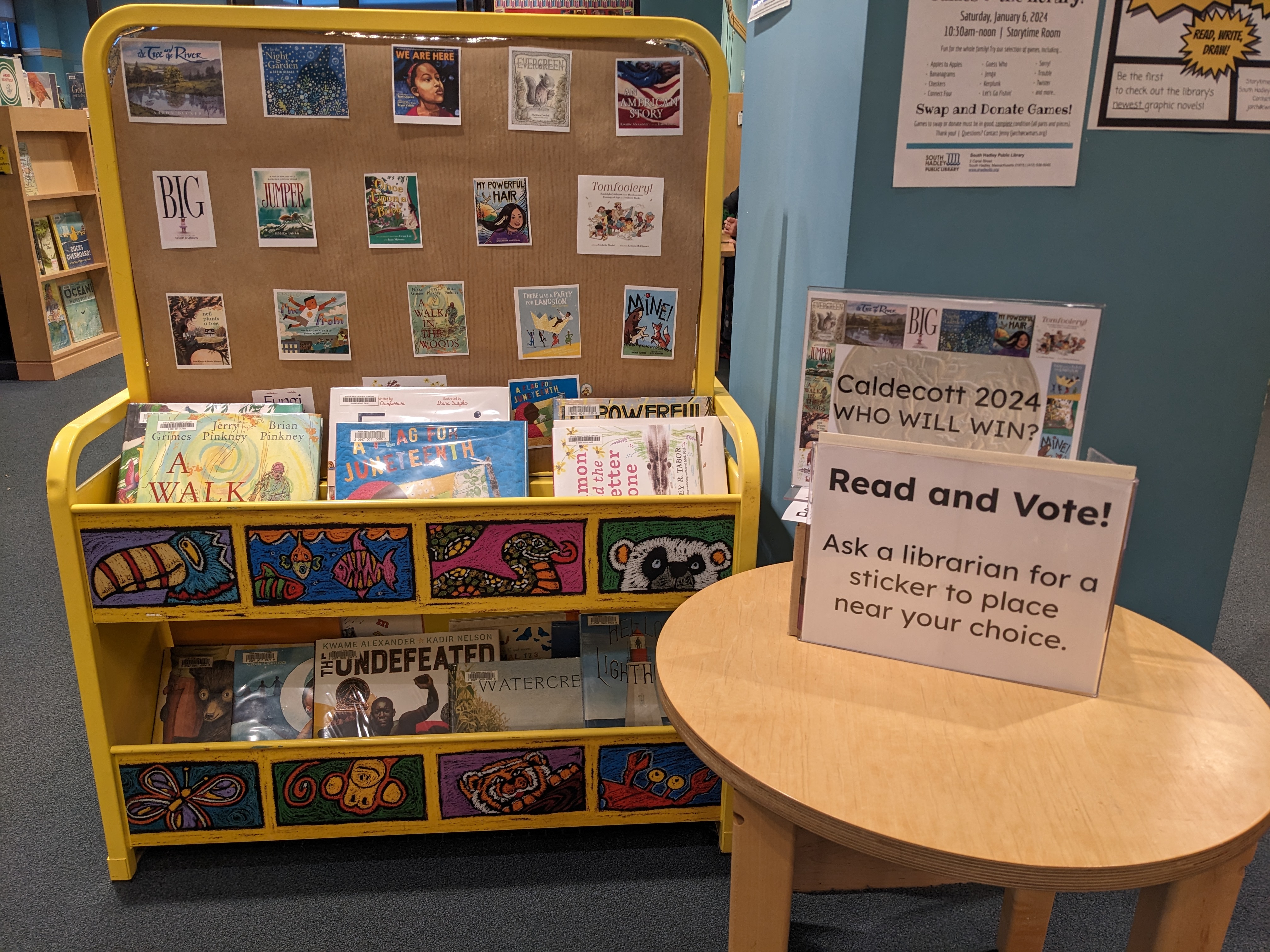
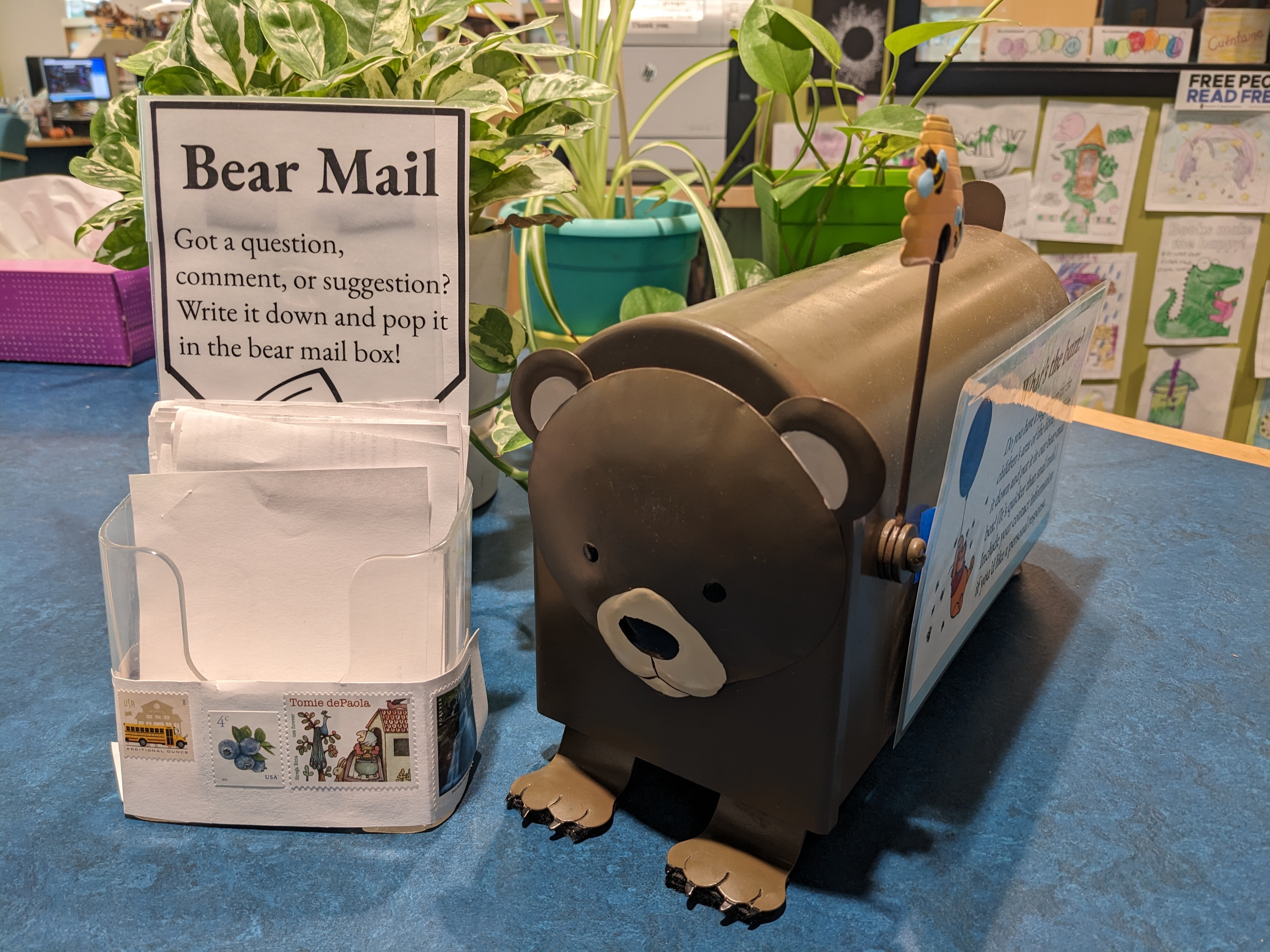
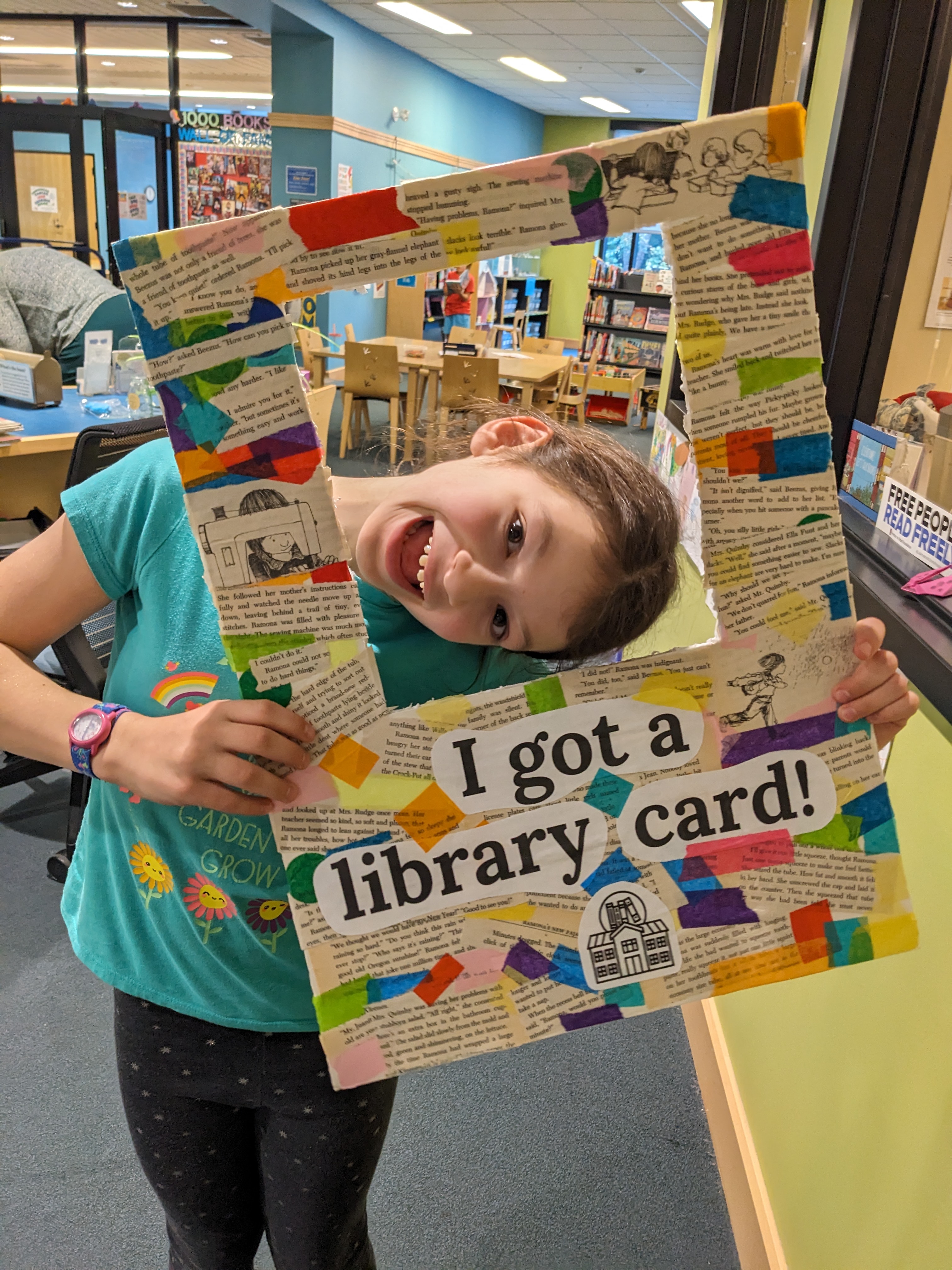
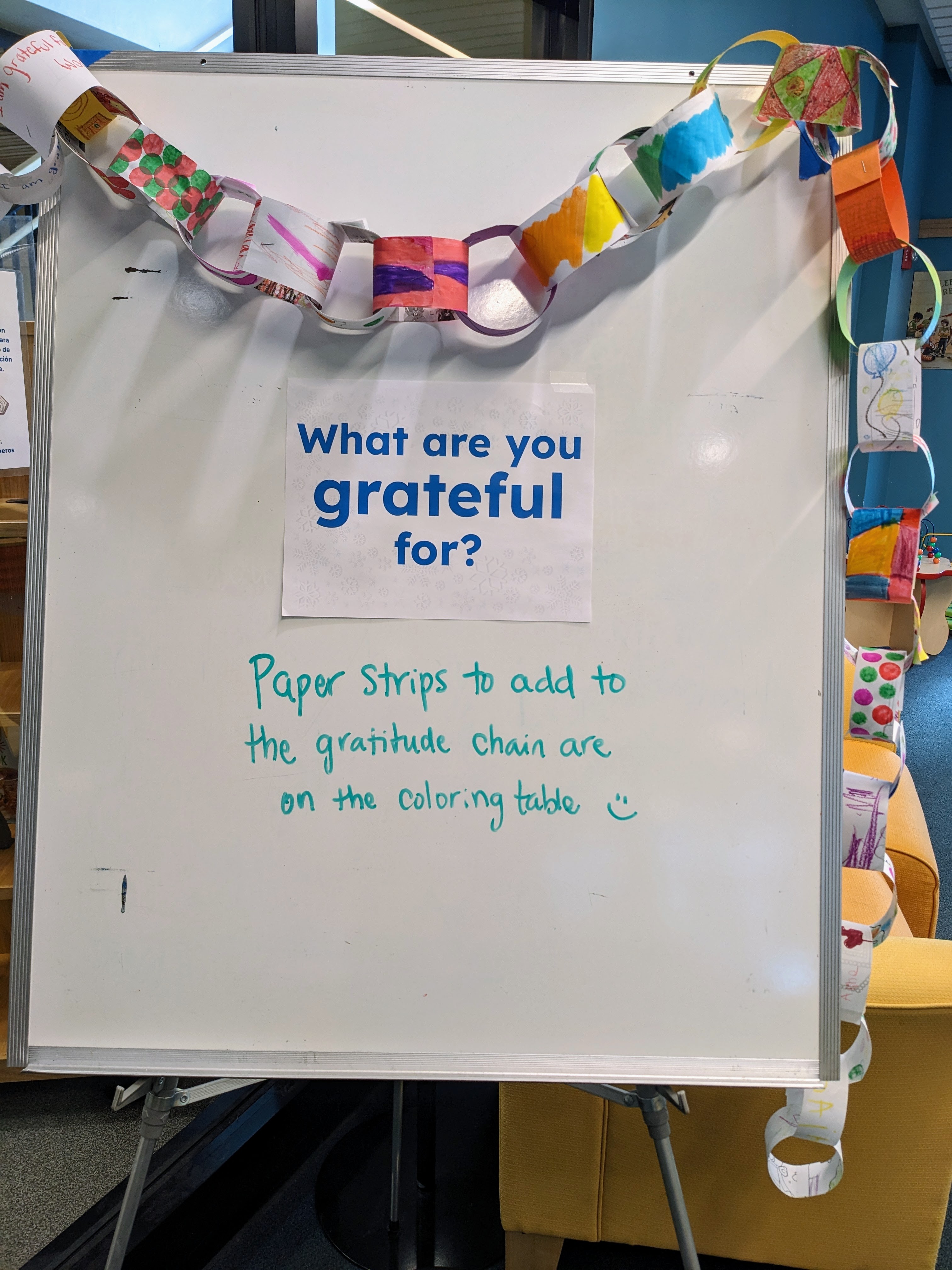


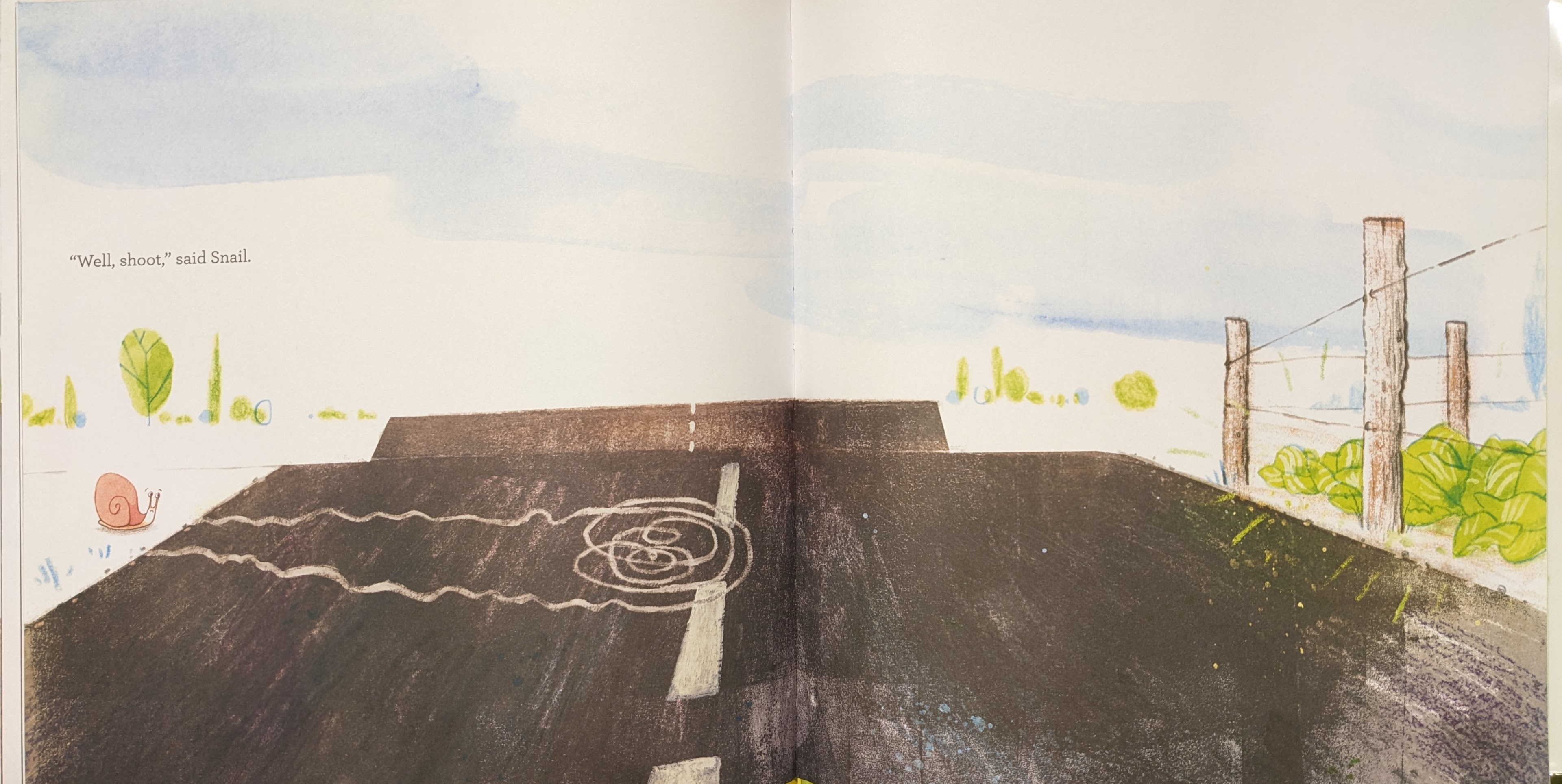
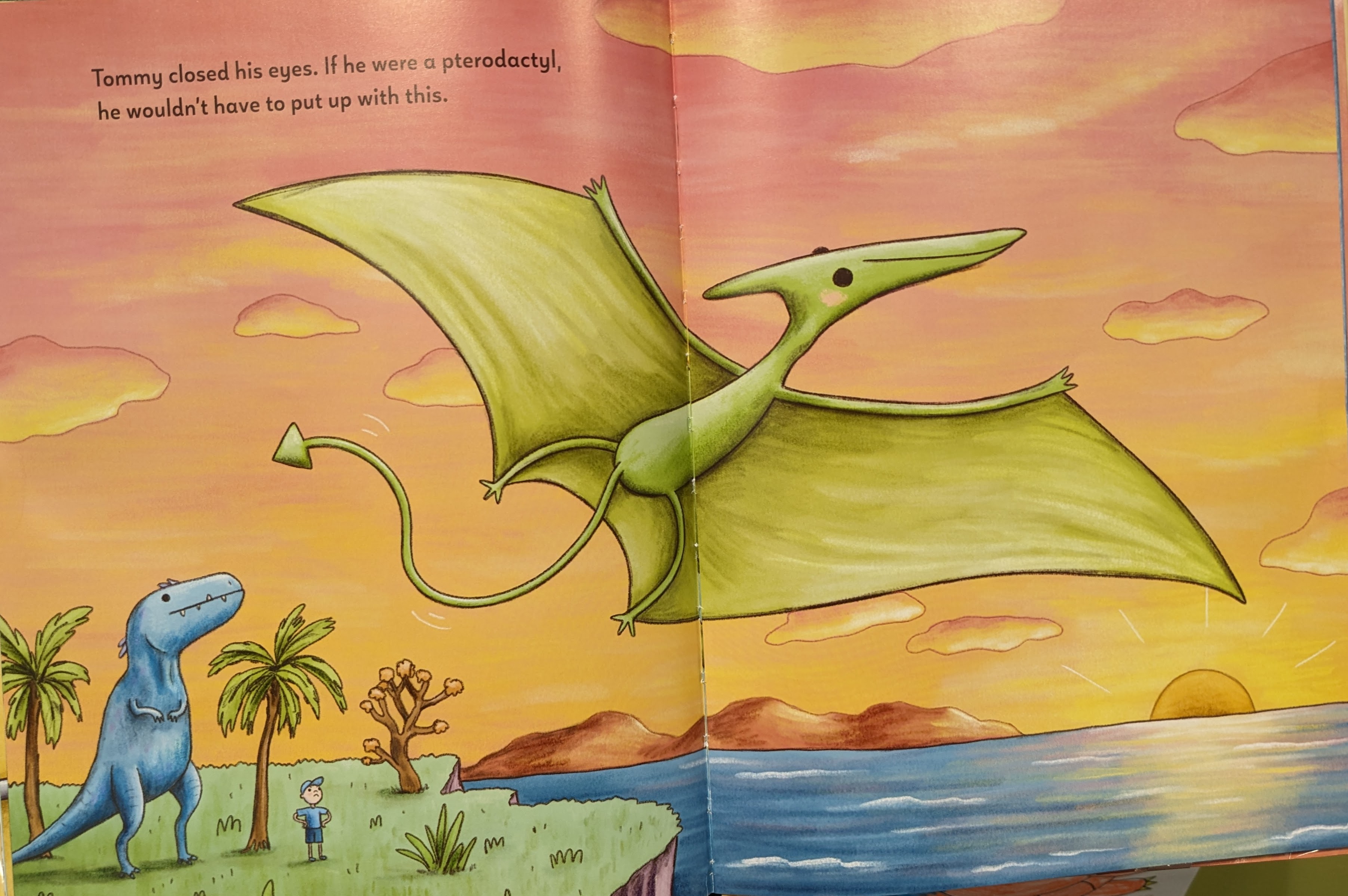

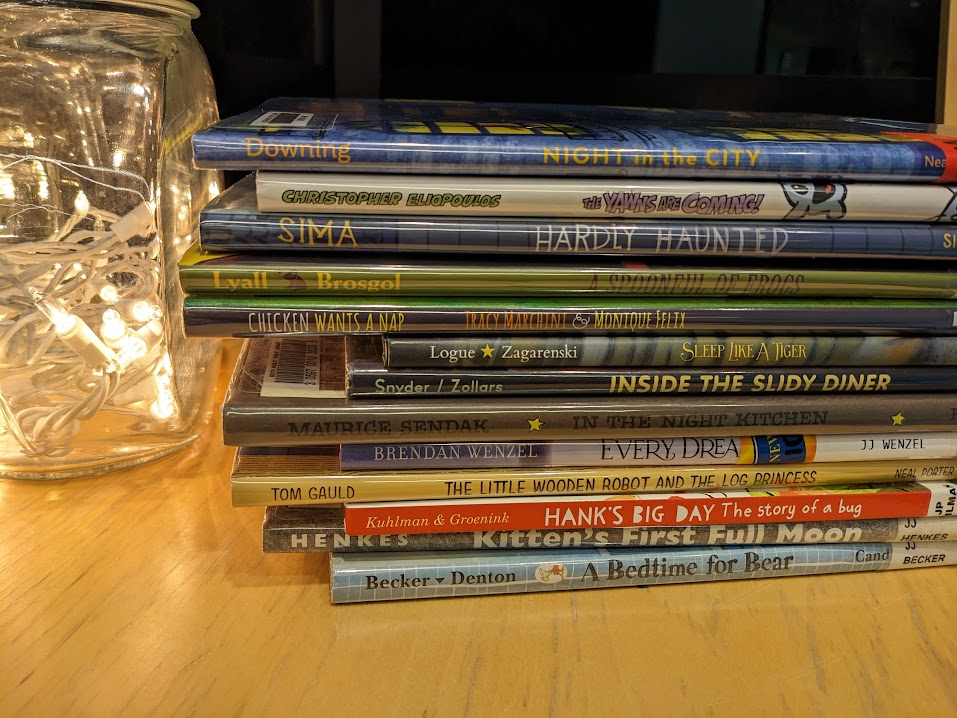 This Monday was the one-year anniversary of the
 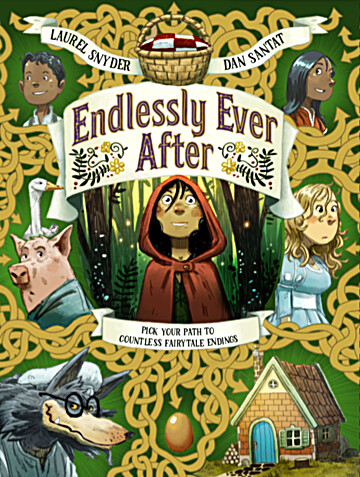 Endlessly Ever After has become a mandatory staple since last December; it’s the book we always end with, but it’s different every time because of its pick-your-path nature. (Our storytime group is beyond excited that there is going to be another one in, I think, 2026? Laurel and Dan, if you need beta readers, we are at your service.)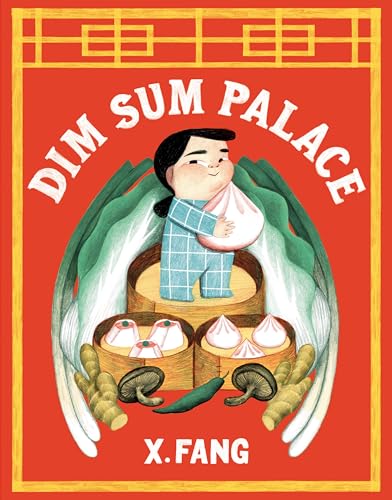
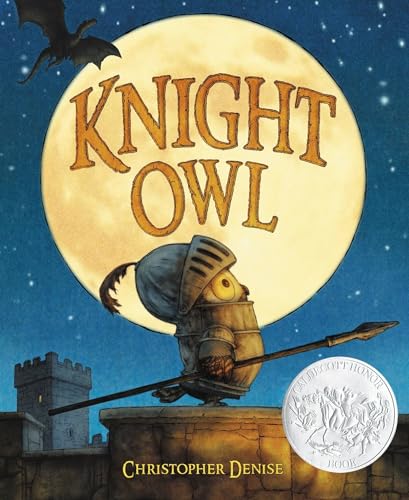
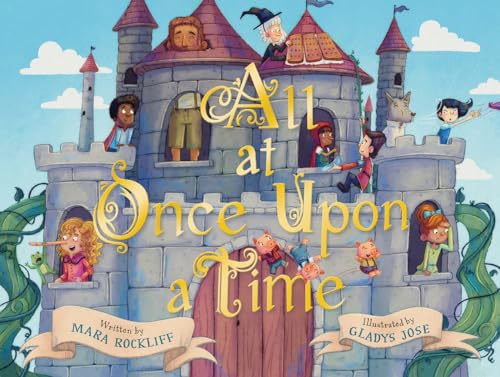 As you can see, we lean toward bedtime books and fairy tales, including fractured fairy tales. I can already tell All at Once Upon A Time is going to be a repeat read; it goes so well with Endlessly, and the kids – and grown-ups! – who come to Pajama Storytime are old enough to understand and enjoy the humor. That’s something I love about Pajama Storytime: I get to read some wonderful books that are simply too long or complex for my morning storytime, which is mostly toddlers. There are great picture books for that age, too, and I love them, but Pajama Storytime lets me share more books with a different audience.
