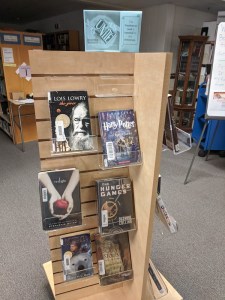
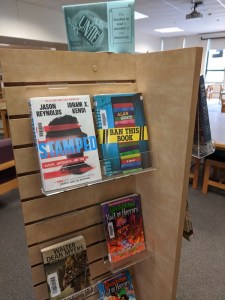
Banned Books Week – misnomer though it may be – is probably my favorite display to put up every year, because I believe so strongly in the freedom to read (which is what we should probably call this week). This year’s promotional materials from ALA feature the phrase “Books Unite Us, Censorship Divides Us.” I made a small sign for the display with this logo and phrase and a quote (“The freedom to read is essential to democracy”); then 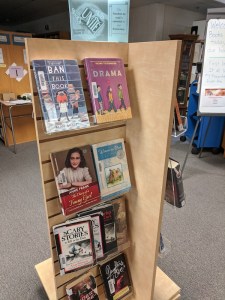 I looked up the ALA’s Top 100 Most Challenged Books by Decade and Top Ten Most Challenged Books List (top 10 by year) and pulled as many of those titles as I could find in our library to put on display.
I also put a small display on the desk near where students check out and return books: my “books change lives/books change lives” jar. This is something I’ve made part of my Banned Books/Freedom to Read display in public libraries for the past several years (see my 2017 post for the Robbins Library here, and the 2016 post here). With the jar, I invite patrons (students, this year) to write the title of a book that has meant something to them; the jar fills up with evidence of the importance of books to people’s lives. This year, I accompanied the jar with a quote from Ban This Book by Alan Gratz:
“How do you say why you like a thing? …How do you explain to someone else why a thing matters to you if it doesn’t matter to them?” (Alan Gratz, Ban This Book, p. 39)
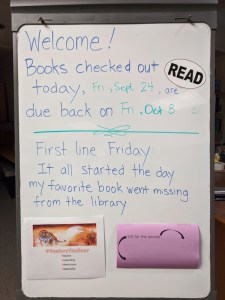 This whiteboard stands near the checkout/return desk; it always has today’s date, the due date of books checked out today, and a First Line Friday – the first sentence of a book. I change it out every week, and visitors to the library can guess the book or peek underneath the flap to find the source. This week – spoiler alert! – the quote is from Ban This Book by Alan Gratz. Ban This Book is about a girl named Amy, who, when she discovers that her favorite book, The Mixed-Up Files of Mrs. Basil E. Frankeweiler by E.L. Konigsburg, has been removed from the school library – over the protest of the school librarian and against the school library’s own established request for reconsideration policy – begins a secret “banned books library” in her locker at school. This builds into full-blown activism by Amy and her friends; they realize that “if you can ban one book, you can ban them all,” and they all show up at a school board meeting to advocate for their books’ return to the library shelves.
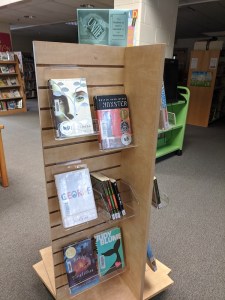
Below: Rotating spinner display rack featuring Speak, Monster, George, Bridge to Terabithia, Blubber, The Giver, Harry Potter, Twilight, The Hunger Games, The Golden Compass, Stamped, Ban This Book, Goosebumps.

 Dancing Hands: How Teresa Carreno Played the Piano for President Lincoln by Margarita Engle & Rafael Lopez


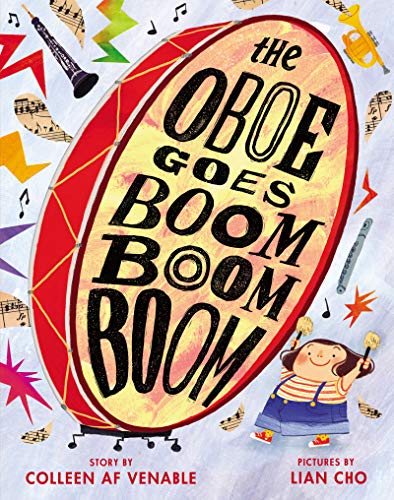 The Oboe Goes BOOM BOOM BOOM by Colleen AF Venable & Lian Cho
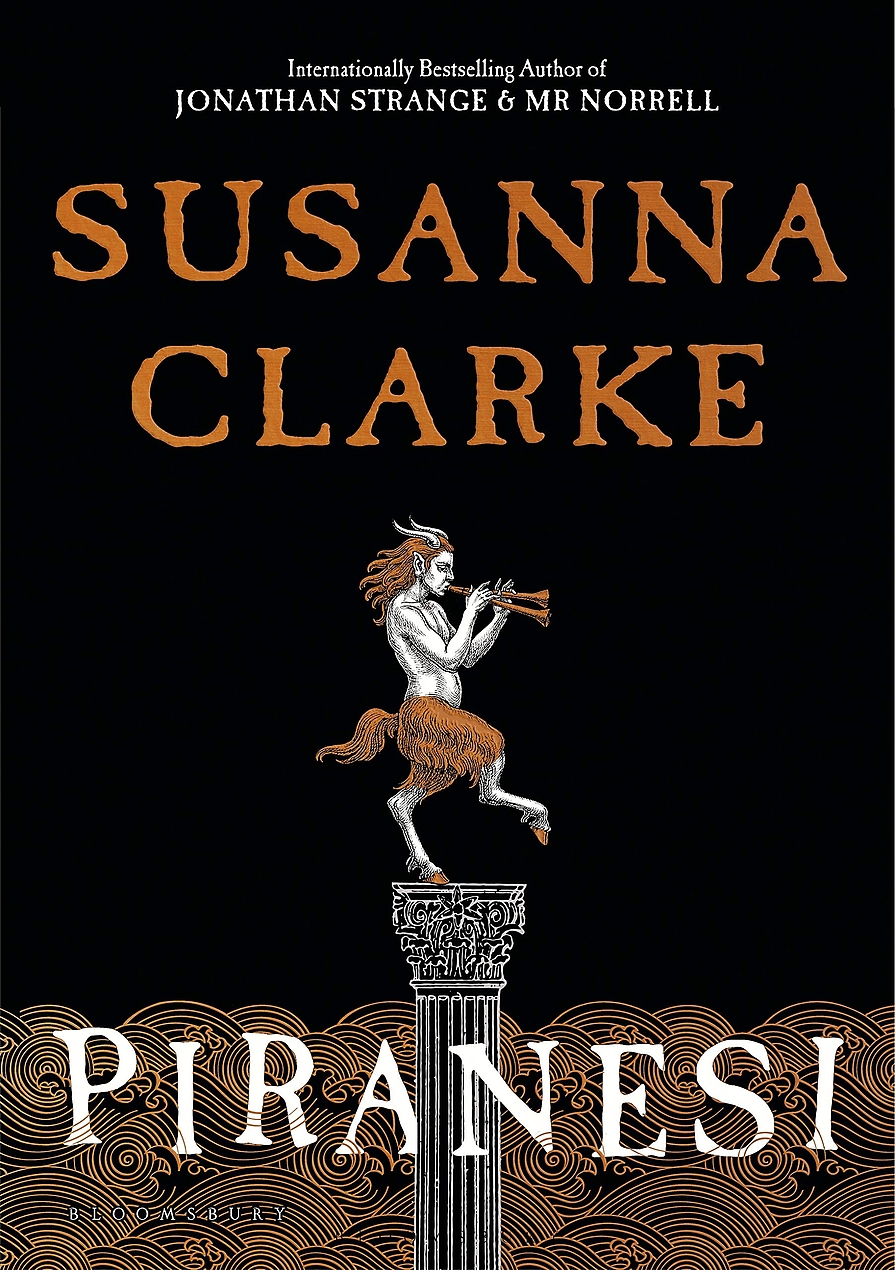
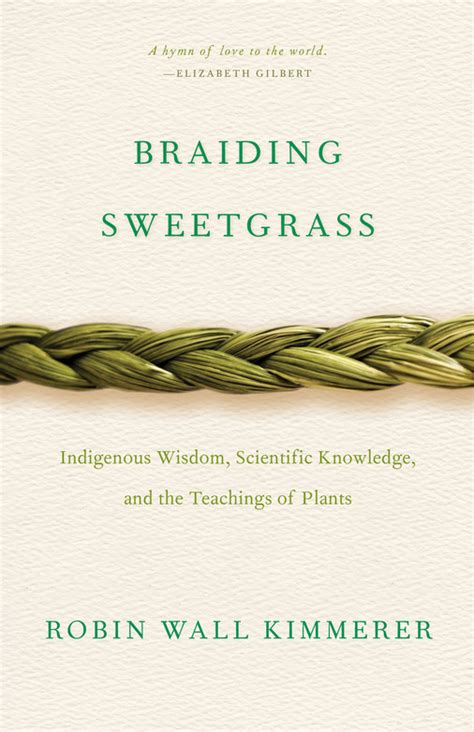


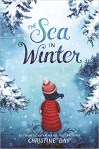

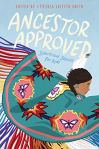
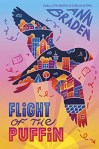
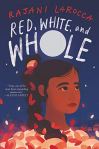

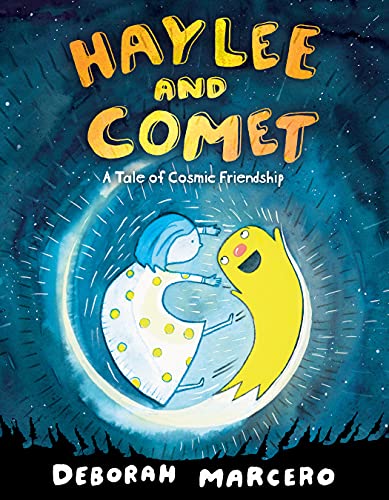




 Back in 2016, I wrote a post
 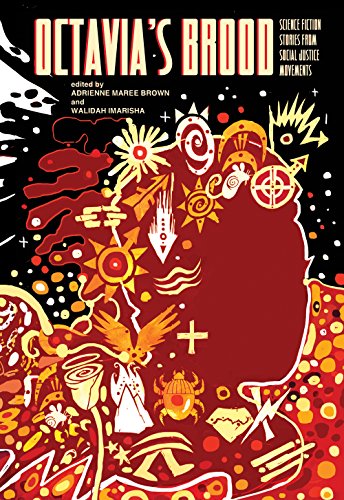 She writes that science fiction “allows us to imagine possibilities outside of what exists today,” and asserts that science fiction is the only genre that “allows us to question, challenge, and re-envision everything all at once.” Imarisha uses a new-to-me term as well: “Visionary fiction offers social justice movements a process to explore creating those new worlds….This term reminds us to be utterly unrealistic in our organizing, because it is only through imagining the so-called impossible that we can begin to concretely build it. When we free our imaginations, we question everything….That is why decolonization of the imagination is the most dangerous and subversive decolonization process of all.”
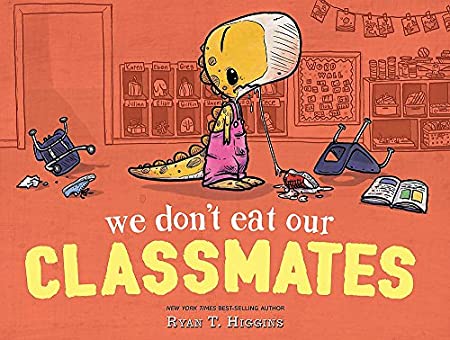 Oliver and His Alligator by Paul Schmid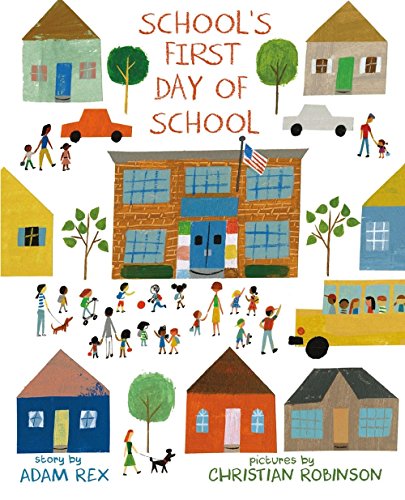
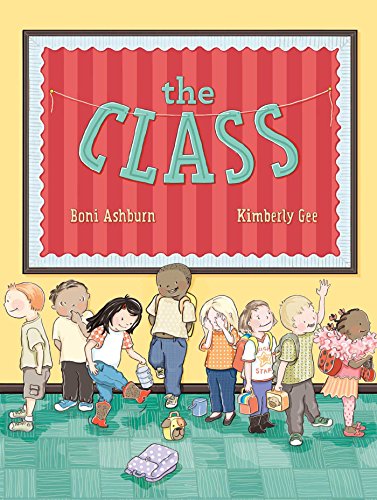
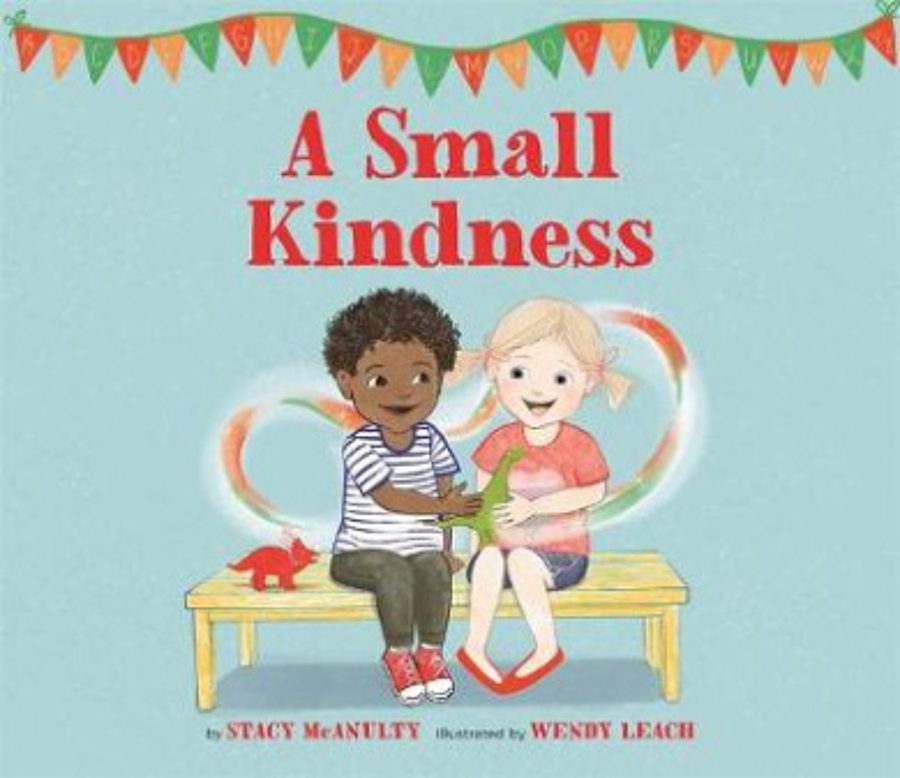





 Those of us who do storytimes for little kids know that we shouldn’t expect them to sit quietly, hands folded in laps, listening ears on – not at all! The best storytimes I’ve attended or led incorporate movement, singing, and plenty of wiggling. (Directed movement is better than chaotic movement: one of the best tips I got when I was new to leading storytimes was that if things got rowdy, to sing “Twinkle Twinkle, Little Star” – with motions – because it’s soothing and works as a good reset. You can also sing any short rhyme three times: first regular, then loud, and finally very softly.)

 Jenny Arch