This month I returned to public libraries and am really enjoying being a children’s librarian again, serving kids and their caregivers with book recommendations, weekly storytimes and rhyme times, arts and crafts, and all those “did you know…?” hidden gems that the library offers, like the OpenDyslexic font built into Libby.
I’m especially thrilled to be doing storytimes again. I’ve modeled my current program on the “Step Into Storytime” I did at the Winchester (MA) Public Library, which was aimed at two- and three-year-olds and their siblings and caregivers. I don’t intentionally choose themes (although three of today’s five books involved elephants), and I lead off with the longest book, as attention spans tend to wane over time.
Here’s my storytime format, with today’s books and activities as an example:
Welcome, introduction
Early literacy tip: the five ECRR practices (TALK, SING, READ, WRITE, PLAY) all support children’s early literacy skills
“Little Mouse” game with flannel board (“Little mouse, little mouse, are you in the [color] house?”)
A Parade of Elephants by Kevin Henkes with flannel board (today it just so happened that there were five kids, and I have five elephants! So they each got to hold one the whole time, and stick them to the board at the end)
Craft: Rubber stamps and stamp pads on construction paper
Last week’s books were Mina by Matthew Forsythe, Huff & Puff by Claudia Rueda, Pete’s A Pizza by William Steig, Matilda’s Cat by Emily Gravett, and Lots of Dots by Craig Frazier. Books that have interactive elements, like Huff & Puff, or can be made interactive (like pretending to roll out dough and sprinkle cheese for Pete’s A Pizza) are great for holding the attention of little ones and the engagement of adult caregivers as well, who can help the littles with the actions, improving large and fine motor skills.
Books we read the first week of September were The Giant Jumperee by Julia Donaldson, Spots in a Box by Helen Ward, Triangle by Mac Barnett, and Grumpy Pants by Claire Messer. Both Jumperee and Triangle were checked out afterward, which I take as a mark of success; I always tell families that they are welcome to borrow anything I read aloud at storytime.
As it’s September, one batch of kids has just started preschool or kindergarten, so the storytime regulars are on the younger side; lots of them come to Rhyme Time also (more on that later). I’ve been pulling from my list of great books to share with two- and three-year-olds, as well as newer picture books (I made that list in 2019). I’ve also been keeping crafts basic and process-oriented: so far, we’ve used dobbers/dotters (“do-a-dot art sponge tip applicators”), glue sticks, and rubber stamps – all washable and nontoxic, of course.
What are your favorite read-aloud books to share with littles? Favorite arts and crafts?
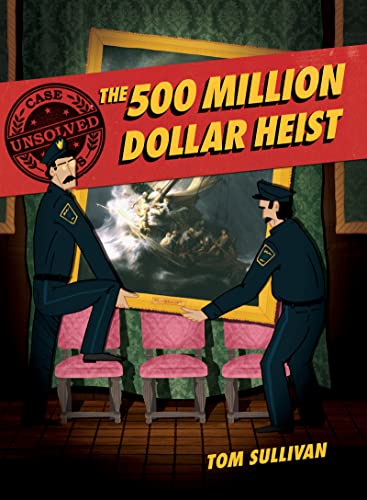
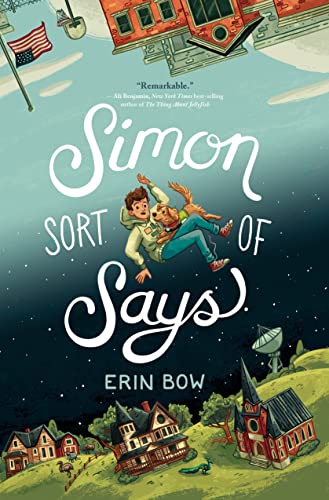
What does my fall reading lineup look like? Well, in addition to my usual reading (whatever I hear about from friends, see on library displays, or discover via publisher or bookstore emails), I’ve been working my way through this year’s MCBA books, because I’d like to help promote those titles at the library, and the best way for me to hand-sell a book is if I’ve read it myself. The Jones Library in Amherst gave out copies of a handy bookmark with all the titles; so far I’ve read 14 and a half of the 25 books.
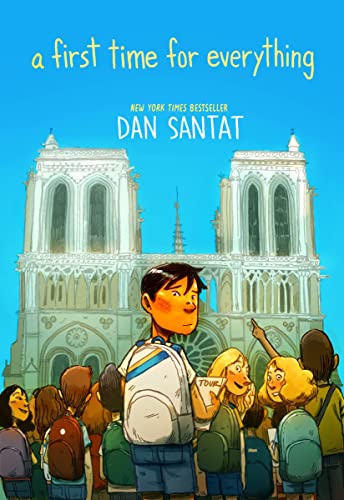
I’m serving on the SLJ Best Books committee for Graphic Novels, which means reading…wait for it…more graphic novels! There are over 20 on the list and each of us will read at least 18. I’d already read several when the editors gave us the list, and I’m catching up on the others.
I’m also slated to write three picture book columns for the MSLA Forum this year, with the first one due out this fall. I’m deciding between picture book biographies and picture books that include recipes…stay tuned.
I’m still reviewing picture books, middle grade, graphic novels, and YA for SLJ and Kirkus; those don’t always appear on my LibraryThing account. And I just beta-read a short sci-fi novel for a friend (it was great! Hoping to see it in bookstores in the future).
Last of all…it’s always last…my TBR pile, i.e. books I own or have been lent. These don’t have library due dates, so they have been sitting and waiting for some time (except for the two standing vertically in the photo – those I plan to re-read). But I collected them all in one place so that I’ll make an effort to get to them before the end of the year! (Especially as The 1619 Project was a holiday gift last year…or possibly two years ago…)
MassCUE offered a free summer webinar series on “defining digital citizenship.” Each of the four sessions had a different theme and different presenter. Because I won’t be working in a school library this year (I’m moving back to public libraries), I won’t be applying all of these ideas and resources right away, but I want to share them here.
Week One: Defining Digital Citizenship in the Modern Classroom, Jen Thomas (MassCUE) and Casey Daigle (CES)
Resources:
ISTE Standards (“Educators inspire students to positively contribute to and responsibly participate in the digital world”)
Conversations are going to be awkward and imperfect, but show that you care, you’re trying, you’re learning. Model and make what you do in the classroom transparent. Where do your lesson plans come from? Cite all your sources and images.
Security: acknowledge passwords. Do you use a password manager? What are the best practices around tech? How often do you shut down or restart your devices?
Transparency: Using a voice assistant lets people around you know what you’re using your device for (instead of disappearing into “phone world”). State how long you’ll be using the device. Set timers.
Normalize these conversations. Ask students what they’re watching on YouTube, what games they’re playing, who they’re talking to in these games. Use school email to communicate and model the proper format for a professional email.
Week Two: Media Literacy Playground, Jenna Meleedy (Penn State University, News Literacy Ambassador)
Main ideas:
Critical media literacy is an essential life skill.
People go to the internet/social media when they’re stressed, or for entertainment – critical thinking skills are not engaged.
Cultivation theory: long-term exposure to media shapes how we view the world and ourselves.
Social media doesn’t want to inform, it wants to engage.
Technology/media is not inherently bad. The worst thing you can do is avoid the conversation altogether. Removing access to technology will never work. Teach responsible and safe use.
Week Three: Copyright, Fair Use, Creative Commons in the Age of AI, Suzanne Judson-Whitehouse (CES)
This week was all about “supporting students to be responsible creators and consumers.” We reviewed intellectual property, copyright, the public domain, the fair use doctrine and the four factor test, copyright and AI (biiiig mess), Creative Commons, terms of service (Can you use your personal Netflix account to show something in the classroom? No), the Internet Archive, and more.
Educators use data to inform instructional practice. With benefits come risks: how are vendors using the student data they collect?
Schools are obligated to comply with three pieces of federal legislation: FERPA, COPPA, and PPRA to protect students’ personally identifiable information (PII). Third party vendors (e.g. educational software and apps) must also comply with this legislation.
How does each school district ensure vendor compliance with federal and state laws? There should be a Data Privacy Agreement (DPA). Student Data Privacy Agreements are legal and enforceable agreements that supercede Terms of Service (ToS).
I’ve read just over 280 books so far this year; here are the standouts in each category (extra-extra standouts are in bold). Hat tip to the Carle Museum for their incredible exhibits; that’s where I learned about Claire Nivola, and got to see some of Micha Archer’s work from Snow Horses up close. Many of the books below also received ALA Youth Media Awards medals or honors; I always add a lot of those books to my to-read list after the YMA at the end of January.
Key: GN = graphic novel, NF = nonfiction
Picture books
Telling Stories Wrong by Giovanni Rodari, illus. Beatrice Alemagna
On This Airplane by Lourdes Heuer, illus. Sara Palacios
Three Little Vikings by Bethan Woollvin
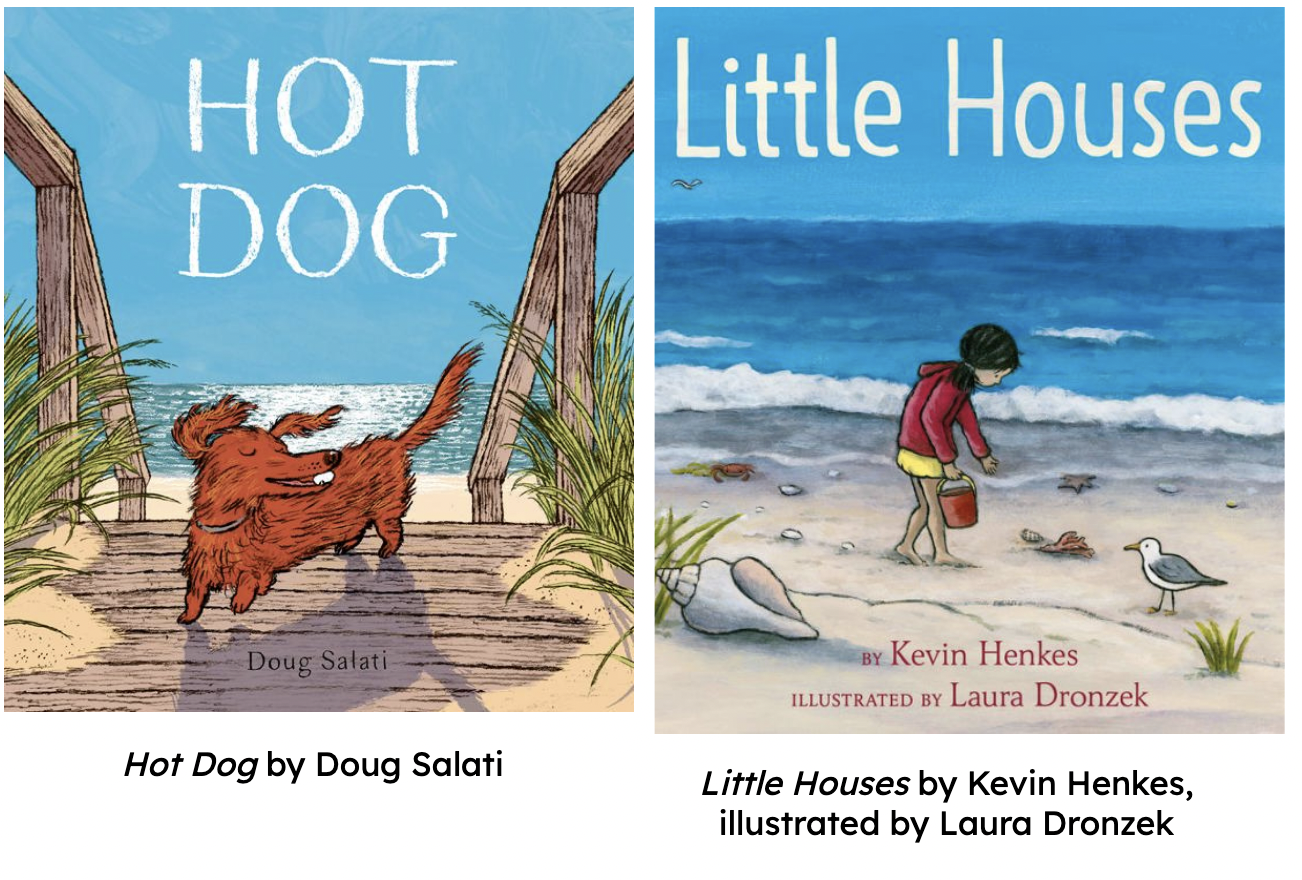
Little Houses by Kevin Henkes
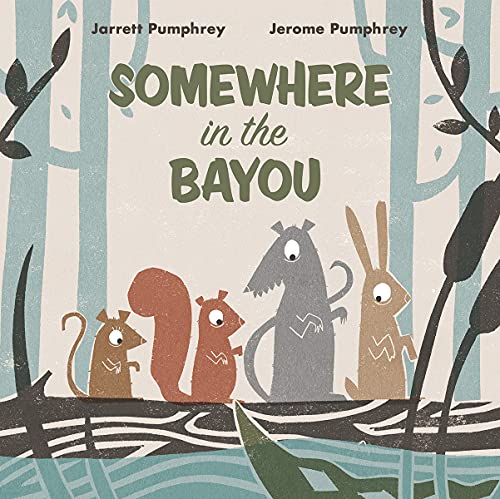
Somewhere in the Bayou by Jarrett and Jerome Pumphrey
Snow Horses by Micha Archer
A Seed Grows by Antoinette Portis (NF)
Love, Violet by Charlotte Sullivan Wild, illus. Charlene Chua
The Tower of Life by Chana Stiefel, illus. Susan Gal (NF)
My Hands Tell A Story by Kelly Starling Lyons, illus. Tonya Engel
Six Dots by Jen Bryant, illus. Boris Kulikov (NF)
Listen by Shannon Stocker, illus. Devon Holzwarth (NF)
The Little Ghost Who Was A Quilt by Riel Nason, illus. Byron Eggenschwiler
Dim Sum, Here We Come! by Maple Lam
Evergreen by Matthew Cordell
That Flag by Tameka Brown Fryer, illus. Nikkolas Smith
Locomotive by Brian Floca
We Don’t Lose Our Class Goldfish by Ryan T. Higgins
Nell Plants A Tree by Anne Wynter, illus. Daniel Miyares
Dogku by Andrew Clements (poetry)
The Day-Glo Brothers by Chris Barton, illus. Tony Persiani (NF)
The Tree and the River by Aaron Becker (wordless)
Night in the City by Julie Downing
Juneteenth by Van G. Garrett, illus. Reginald C. Adams and Samson Bimbo Adenugba
My Powerful Hair by Carole Lindstrom, illus. Steph Littlebird
The Fire of Stars by Kirsten Larson, illus. Katherine Roy
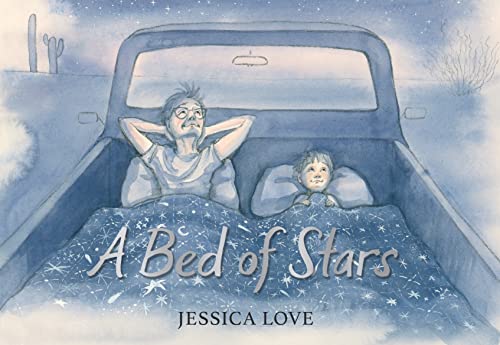
A Bed of Stars by Jessica Love
How We Say I Love You by Nicole Chen, illus. Lenny Wen
Elisabeth by Claire A. Nivola
Where Is Bina Bear? by Mike Curato
Whose Egg Is That? by Darrin Lunde, illus. Kelsey Oseid (NF)
Early readers
Arlo & Pips by Elise Gravel (GN)
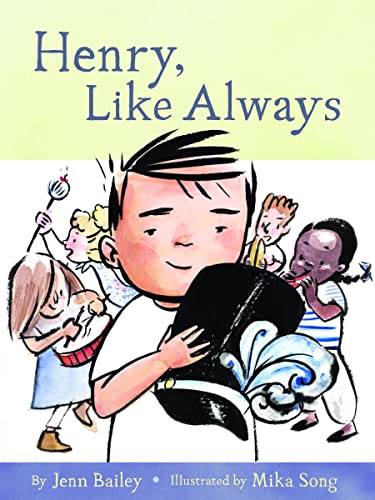
Henry, Like Always by Jenn Bailey
Middle Grade
The Door of No Return by Kwame Alexander
Killer Underwear Invasion by Elise Gravel (GN, NF)
Wait Till Helen Comes by Mary Downing Hahn (GN)
Squire & Knight by Scott Chantler (GN)
Parachute Kids by Betty C. Tang (GN)
Wildoak by C.C. Harrington
Freewater by Amina Luqman-Dawson (Newbery Award Winner)
Three Strike Summer by Skyler Schrempp
Three Thieves series by Scott Chantler (GN)
The Secret of Platform 13 by Eva Ibbotson
Simon Sort of Says by Erin Bow
A First Time for Everything by Dan Santat (GN)
Tuesdays at the Castle series by Jessica Day George
The Lost Year by Katherine Marsh
Earwig and the Witch by Diana Wynne Jones
Finally Seen by Kelly Yang
The Secret Garden on 81st Street by Ivy Noelle Weir (GN)
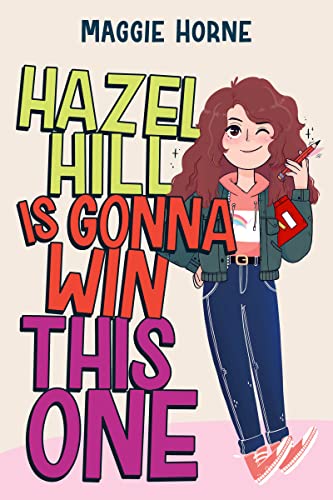
Hazel Hill Is Gonna Win This One by Maggie Horne
School Trip by Jerry Craft (GN)
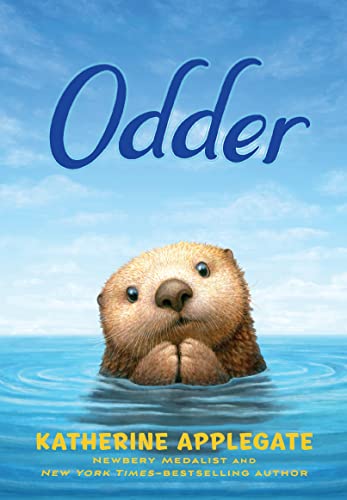
Odder by Katherine Applegate (novel in verse)
Hoops by Matt Tavares (GN)
Mihi Ever After by Tae Keller
Elf Dog and Owl Head by M.T. Anderson
Leeva at Last by Sara Pennypacker, illus. Matthew Cordell
Bea and the New Deal Horse by L.M. Elliott
The Doll People by Ann M. Martin and Laura Godwin
Alone by Megan E. Freeman (MCBA winner)
Stand on the Sky by Erin Bow
Hidden by Loic Dauvillier (GN)
The Blackbird Girls by Anne Blankman
11 Birthdays by Wendy Mass
Code Red by Joy McCullough
YA
Heartstopper by Alice Oseman (GN)
For Lamb by Lesa Cline-Ransome
All My Rage by Sabaa Tahir
When the Angels Left the Old Country by Sacha Lamb
Take Me With You When You Go by David Levithan and Jennifer Niven
We Contain Multitudes by Sarah Henstra
Breathe and Count Back from Ten by Natalia Sylvester
Hidden Powers by Jeannine Atkins
Enter the Body by Joy McCullough
The Davenports by Krystal Marquis
Sunshine by Jarrett J. Krosoczka
One Last Shot by Kip Wilson
The Roof Over Our Heads by Nicole Kronzer
Imogen, Obviously by Becky Albertalli
Adult
Demon Copperhead by Barbara Kingsolver
Lost in the Moment and Found by Seanan McGuire
Pineapple Street by Jenny Jackson
Iona Iverson’s Rules for Commuting by Clare Pooley
Daisy Jones & the Six by Taylor Jenkins Reid
I Have Some Questions for You by Rebecca Makkai
The Authenticity Project by Clare Pooley
A Living Remedy by Nicole Chung (NF)
Romantic Comedy by Curtis Sittenfeld
The Half Moon by Mary Beth Keane
And that’s it for the first half of 2023. Which books are your favorites so far this year?
There’s a big difference between reading a picture book to yourself, reading it with one other person, and reading it to/with a group. (If you frequently read aloud to children and you haven’t already read Megan Dowd Lambert’s Reading Picture Books With Children, I highly recommend it for making your storytimes more interactive and engaging.) Without further ado, here are some of the picture books that worked incredibly well at my school this year, for students in kindergarten through third grade:
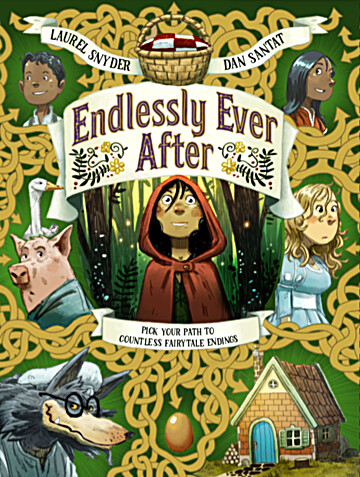
Endlessly Ever After by Laurel Snyder and Dan Santat:Because this is a choose-your-own-adventure book, you can read it several times with the same group (and they will ask for it again and again!). Every time a choice comes up, I read both choices and ask them to vote. This works with upper elementary as well as with the younger grades.
Don’t Hug Doug by Carrie Finison and Daniel Wiseman: Cute, friendly, glasses-wearing Doug likes YOU, he just doesn’t like hugs, except under very specific circumstances (are you Doug’s mother? Is it bedtime?). Approachable Doug is the perfect character to deliver this important message about consent.
Dozens of Doughnuts by Carrie Finison and Brianne Farley: This is a rhyming delight, with the most delicious endpapers ever. Perfect for fall, just as bears like LouAnn are going into hibernation.
The Leaf Thief by Alice Hemming and Nicola Slater: An autumnal, excellent execution of the buddy comedy featuring high-strung Squirrel and tolerant Bird is a funny story and a great way to explain what happens to leaves in fall. There’s a spring version, too (Don’t Touch That Flower!)
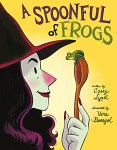
A Spoonful of Frogs by Casey Lyall and Vera Brosgol: The witch main character and the frogs she tries to add to her soup are perfect for around Halloween time, and “PUT the FROGS on the SPOON” may become a mantra.
Triangle/Square/Circle by Mac Barnett and Jon Klassen: These three books, as a group, worked beautifully when kindergarteners were learning about shapes, and they are just fantastic to read aloud; they don’t get old, and the characters’ feelings and dilemmas are easy for the kids to understand and empathize with.
That’s Not My Name by Anoosha Syed:This is great for the beginning of the year when everyone is learning each other’s name. Most kids can relate to the experience of having someone mispronounce your name or call you the wrong name, and they know the feeling; this book encourages them to insist on being called the right name the right way, and take the time to do the same for others.
I Want My Hat Back/This Is Not My Hat by Jon Klassen: Yes, more Klassen, but these two books are brilliant for all ages. Ask the kids what happened at the end; their inferences may surprise you.
How to Apologize by David LaRochelle and Mike Wohnoutka: Straightforward, kid-friendly language and funny illustrations present an important lesson in a humorous and impactful way. A good one for the beginning of the year, or any time.
Hot Dog by Doug Salati: This year’s Caldecott winner was popular not just during our Mock Caldecott unit in January, but kids have been asking me to borrow it since then – it clearly stayed with them.
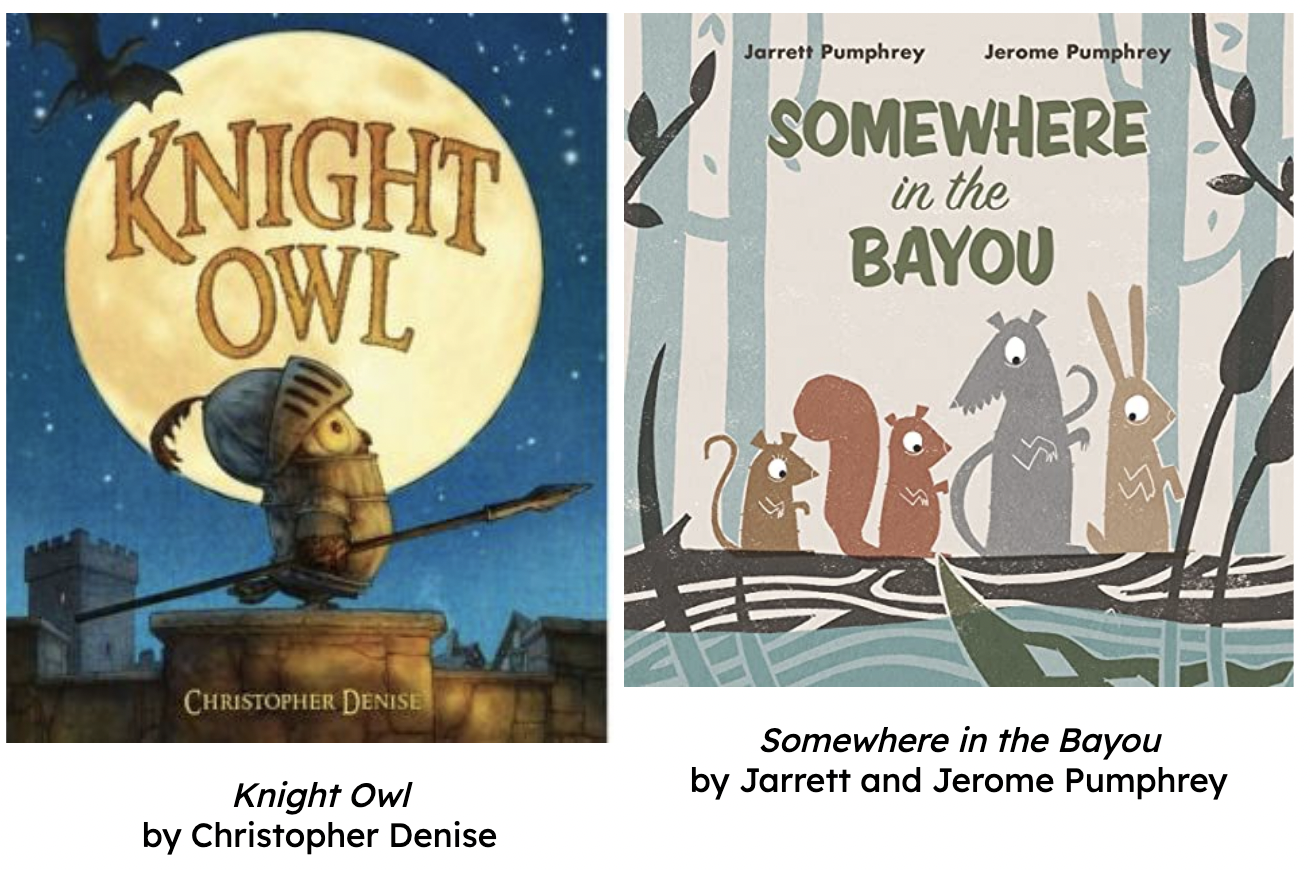
Knight Owl by Christopher Denise: A Caldecott honor book that was also included in our Mock Caldecott unit (it got the most votes in our school), Knight Owl features absolutely beautiful art, an adorable hero, and a solution involving pizza.
Somewhere in the Bayou by Jarrett and Jerome Pumphrey: “Smack! Splash!” This book is built on pattern, repetition, onomatopoeia, surprise, and empathy. It was fantastically popular in our Mock Caldecott, and so fun to read aloud – it truly doesn’t get old.
How We Say I Love You by Nicole Chen and Lenny Wen: This has strong appeal on three levels: first, there’s the seek-and-find element (a heart on each page); next, the cultural representation; and finally, the way it opens a discussion of how we show love in our own families. Every single class I read this book with (first through third grade) came up with a whole list, with nearly every kid contributing, and some adding more than one idea.
Sam and Dave Dig A Hole by Mac Barnett and Jon Klassen: Yes, Barnett/Klassen again. The kids absolutely freak out as Sam and Dave remain oblivious to the “spectacular” pink gems they bypass as they dig. Kids notice that the dog knows where they should be digging, though, and they love comparing the front and end spreads to spot the differences.
Bathe the Cat by Andrea Beaty and David Roberts: Pure good fun; the kids catch on quickly as the family’s to-do list gets more and more ridiculous. Great representation, too, of a mixed-race family with two dads.
How Do Dinosaurs… by Jane Yolen and Mark Teague: These rhyming stories are classics for a reason. I like …Learn to Read and …Go to School for the relevant educational setting. Many kids will already be familiar with this series, if not these specific titles, and they’re usually happy to see and hear them again.
Interrupting Chicken by David Ezra Stein: The idea and the execution are equally good, the humor is spot-on, and the two sequels maintain the quality of the original (when you store your cookies in a clock, it’s always cookie time!).
Amy Wu and the Perfect Bao by Kat Zhang and Charlene Chua: Kids identify with Amy’s problem, and even if the word “bao” is unfamiliar, nearly every culinary tradition has a version of dumplings (knish, empanada, pierogies, etc.). Amy finally figures out the solution to her problem, and her loving, supportive family (including pink-haired grandma and adorable white kitten) is right there with her.
A Seed Grows by Antoinette Portis: I think this is what’s called “deceptively simple,” but it’s brilliant in its simplicity. It ties in with K/1st curriculum when they study plants, and there’s an opportunity to build in movement: start in a crouch as a seed, grow up toward the sky/ceiling, branch arms for leaves and blossoms, and gently fall back down.
The Adventures of Beekle by Dan Santat: This Caldecott winner uses color effectively to show an (un)imaginary friend’s journey into the real world. (See also: Real to Me by Minh Lê and Raissa Figueroa)
Don’t Touch My Hair by Sharee Miller: A little Black girl loves her hair, but doesn’t love when other people touch it without asking. She tries running away from the problem, but eventually uses her voice to set boundaries.
Oh, No! by Candace Fleming: Effective use of repetition encourages students to participate in the chorus (“oh, no!”) as one animal after another falls into a pit, then cheer for their eventual escape as the meaning of the final “oh, no” shifts.
Do you have any knock-em-out-of-the-park read-alouds? Please share in the comments!
MSLA President Jen Varney introduced Monday’s keynote speaker, the Director of Amherst College Libraries, Dr. Martin Garnar, who spoke about Fighting the Good Fight: Supporting Intellectual Fredom in Your Library. He asked, “What is intellectual freedom?” It is actually three freedoms: freedom of expression, freedom of access, and freedom from surveillance (i.e., privacy). Garnar handed out scenarios on slips of paper, and each table group considered how we would respond to, for example, a parent challenging a book from the school library collection and the principal removing the book to their office; or, for another example, a parent requesting a list of every book their child has checked out from the school library. (Pro tip: remind your administrators, public or private, that if they ignore their own school’s policy, they are open to lawsuits. Pro tip #2: Make sure you have a solid, up-to-date policy! More on that soon.)
“It’s not enough to have equal access, it has to be equitable access.”
After the keynote, Garnar offered another session: The Importance of Policies: Promoting Our Principles in Practice. There are six key policies for libraries to have in place:
Collection development and resource reconsideration
Internet use (required by law if the library receives E-rate or LSTA funding; can be a district-wide policy)
User behavior and library use (e.g. anti-bullying)
Privacy and confidentiality (FERPA and state laws)
Social media (if the library uses it)
Use of meeting rooms and exhibit spaces
Garnar went in depth on each of these types of policies (I won’t do that here), and also offered solid reasoning about why are policies are important. Well-written, board approved policies and up-to-date procedures based on those policies achieve several things:
Encourage stability and continuity in the library’s operations while reducing ambiguity and confusion
Demonstrate that the library is running a businesslike operation
Give credence to the library’s actions
Inform the community about the library’s intent, goals, etc. (e.g. equity)
Give the public a means to evaluate library performance and show that the library is willing to be held accountable for its decisions
Help disarm critics
Serve as evidence of the library’s normal practices
Best Features of the Statewide Databases for school libraries, Tressa Santillo, Massachusetts Library System (MLS)
Tressa (on behalf of MLS and also Transparent Language) and representatives from Gale, Britannica, and PebbleGo described and demonstrated some of the features and resources of their respective databases. I’m so grateful that Massachusetts libraries (public and school) work cooperatively to share print and digital resources; all school libraries with a certified librarian have access to databases for students and staff to use. I’ve been guiding patrons and students through and around these databases for years, but there are more resources than I realized – like alignments to standards and frameworks from PebbleGo, and a media literacy guide from Britannica. (Also from PebbleGo: an axolotl coloring page.)
Well, I was hooked by the axolotl coloring sheet, so I went to hear Dr. Kelli Westmoreland talk more about PebbleGo and PebbleGo Next: Databases for Elementary. (Also, the only other session was the MA Teen Choice Book Awards, and since I’m not working with a teen population right now, PebbleGo made more sense. You can see the MA Teen Choice Book Award Nominees here.) Dr. Westmoreland offered a tour of PebbleGo and PebbleGo Next, explained the importance of modeling digital literacy – especially given the increased amount of time students spend on screens – and spoke about the science of reading and the importance of nonfiction texts. She showed off some of the features of PebbleGo, like the randomizer and the question of the day, and gave examples of how it can be used to support classroom teaching (e.g. librarians can create text sets). She showed examples of simple graphic organizers for inquiry (Person/Action/Trait, It Says/I Say/And So, Somebody/Wanted/And/So).
Perhaps one of the neatest features is the correlation to standards: you can look up content by standard, or standard by content.
My goal at every conference is to have at least one useful takeaway from each session, and that definitely happened this year! Plus, it was just lovely to see people in 3D. (Previous conference committees did an amazing job the past few years putting together virtual conferences full of engaging presentations from librarians and authors, and I definitely enjoy “attending” from home, but it was nice to mingle in person too, and even meet some people I’ve known for years now, but only via zoom!)
I’ve already put some of Liza’s ideas and resources about comics to use (is it possible to say enough good things about Liza Halley? I don’t think so), and I’m looking forward to adding some of the new books I picked up at vendor booths to my school library collection and seeing kids scoop them up off the New Books shelf. Thanks again to everyone involved in the conference – please leave a comment if I missed anything here, or if you want to share something about a different session you attended!
The annual Massachusetts School Library Association (MSLA) conference was in-person again this year for the first time in a few years. The conference committee, sponsors and vendors (especially Odyssey Bookshop, which also put together the author panel), presenters, and venue all did a wonderful job putting together two very full days of learning and creating the opportunity for connections among colleagues, who are so often siloed in our own buildings, to share ideas and resources.
Here are recaps of the sessions I attended. I’ll try to keep it concise!
Sunday Keynote: Librarians as Leaders in DEIB, Lawrence Q. Alexander II
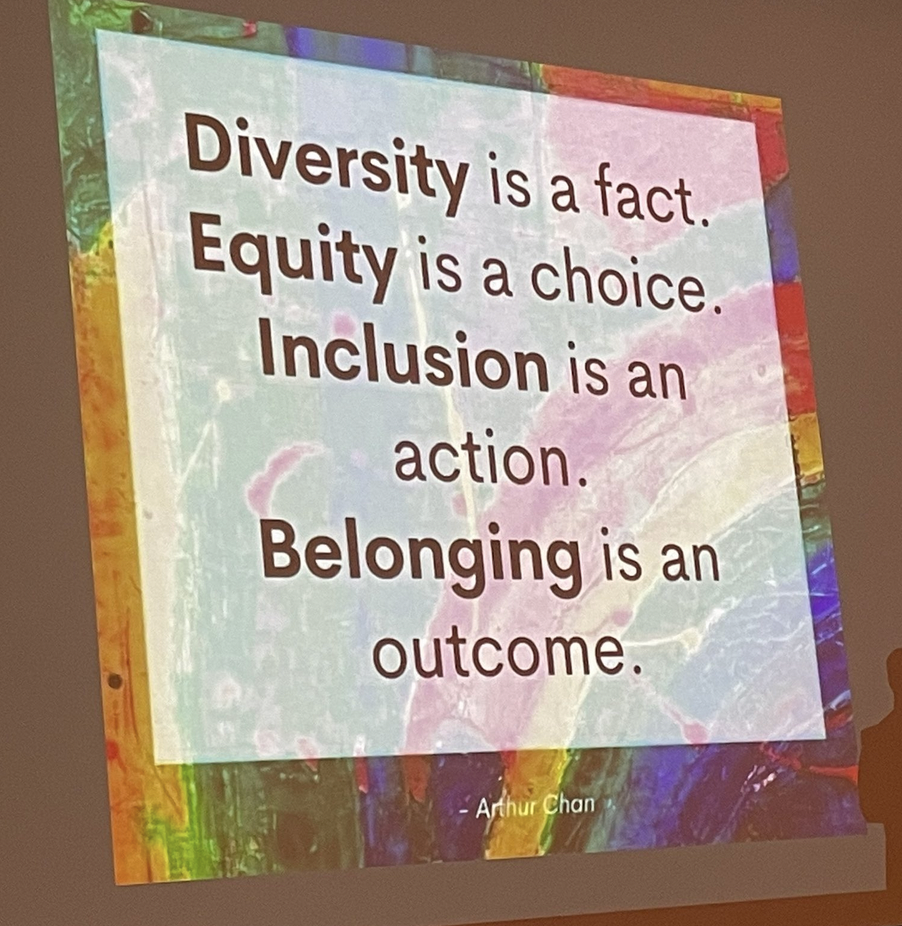
“Diversity is a fact. Equity is a choice. Inclusion is an action. Belonging is an outcome.” -Arthur Chan
Alexander spoke engagingly on the topic of Diversity, Equity, Inclusion, and Belonging and the value proposition of a culturally inclusive curriculum. “It’s not enough to fly the flags, wave the banners, make the statements” – school districts must have policies that support DEIB, accountability, and money in the budget to support it. Alexander listed four questions students might ask about their school environment: “Do you see me? Do you hear me? Will you treat me fairly? Will you protect me?” Can students bring their full selves to school and feel welcomed, valued, and safe? (Think of the “Circles of My Multicultural Self” exercise.)
Alexander explained why it’s important to talk about race in schools: “When we ban dimensions of identity, when we ban books, we ban students. When we say that conversations are not important, we say that students and families are unimportant…Where can a student learn when they cannot fully be themselves?” He cited Batts, Capitman, and Brown’s Multicultural Processes of Change, from monoculturalism to pluralism. Reflection questions for faculty and administrators include: (1) Who feels at home here? (2) Who feels like they’re just visiting? (3) Who feels tolerated?
Alexander encouraged us to consider: “Where is our community on this continuum? What will it take to move us forward? Who do we need on our team to advance this work?” and concluded with the three dimensions of change for individuals and organizations: cognitive, affective, and behavioral – with a warning not to jump directly into behavioral changes without doing the cognitive and affective work first.
Medium Matters: Using Graphic Novels in the Classroom, Liza Halley
The brilliant Liza, who insists she is not an expert on comics (but who is totally an expert on comics, and is also an excellent teacher) started us off with a variety of hands-on activities to choose from, as part of her presentation on how to teach comics/graphic novels in school, and how to get teachers, administrators, and parents on board (because GRAPHIC NOVELS ARE REAL BOOKS; this is supported by research).
“This is the gateway for students to become avid readers. Do not shame kids for reading what they want! We want to grow lifelong readers. We want them to be excited to pick out a book.”
Liza shared teaching materials, sample lessons, research, and resources (see her Medium Matters site for more resources). Each year, she teaches a three- or four-week unit to all her students (K-5) on graphic novels, and she showed us some examples of assignments and student work. She also writes about the topic on the MSLA Forum Newsletter (like this piece from February 2022). I’m excited to borrow many of Liza’s ideas and collaborate with the art teacher at my school to design a comics unit for at least one grade this year, and more next year!
Building Research Consistency K-12, Dr. Georgina Trebbe
Research K-12 Mindset
Dr. Trebbe is “passionate about information literacy” and has spent much of her career and education on it. In this session, she took us through the steps of building a research plan, from “pre-search” to the “a-ha moment” to developing a thesis statement (the “rudder” that steers the research) and questions (the “oars” that propel research forward); considering lenses (e.g. political, social, environmental, ethical), developing sub-research questions, recognizing multiple perspectives, creating an outline, identifying keywords and key phrases, selecting resources, recording information, and reporting. Reporting doesn’t need to be a paper or a report: it could be in the form of a board game, a comic, a quiz, a timeline, a diorama, a speech, or more. Throughout her presentation, Dr. Trebbe used two examples, one for elementary (beavers) and one for secondary (Puritan hysteria over witchcraft). She also described how to build citation awareness: young students can identify the title, author, illustrator, and publication date of a resource, and “gradually build appreciation for the creativity of others.”
Middle Grade Booktalks, Laura Gardner
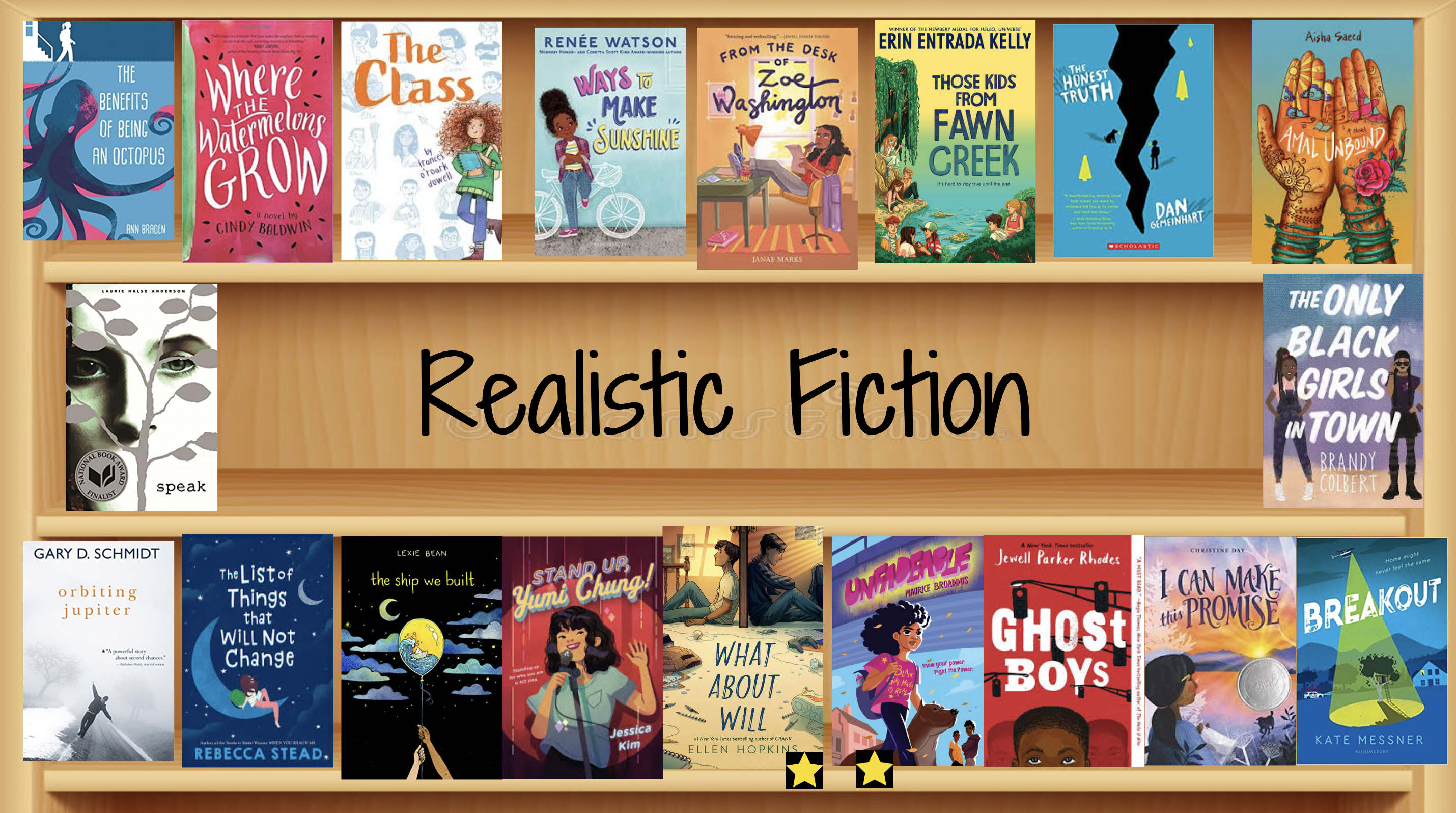
One of the 80+ slides
When Dartmouth Middle School librarian (and Newbery committee member!) Laura said she was going to talk about 50 books (during her allotted 50 minutes), I was pretty sure it was some sort of verbal typo, but it was not. She shared her collection of 80+ slides that she created during remote schooling and has continued to maintain because some students like using it. (Books with blue stars are novels in verse; in her library, these are shelved together, and it’s a very popular collection.) She focused on realistic fiction, mysteries, sports, survival, animals, graphic novels, historical fiction, and nonfiction, quickly highlighting appeal factors of dozens of titles: a unique setting, a compelling main character, a strong hook, interesting conflict, and any awards or honors the book has won. I spoke with Laura briefly after her presentation, and she encouraged me to copy her slides and adapt them for my library, which I would love to do…on a smaller scale, and over time. This is not a project to be done overnight!
Teaching Students Why Media Literacy is Important, Colleen Simpson
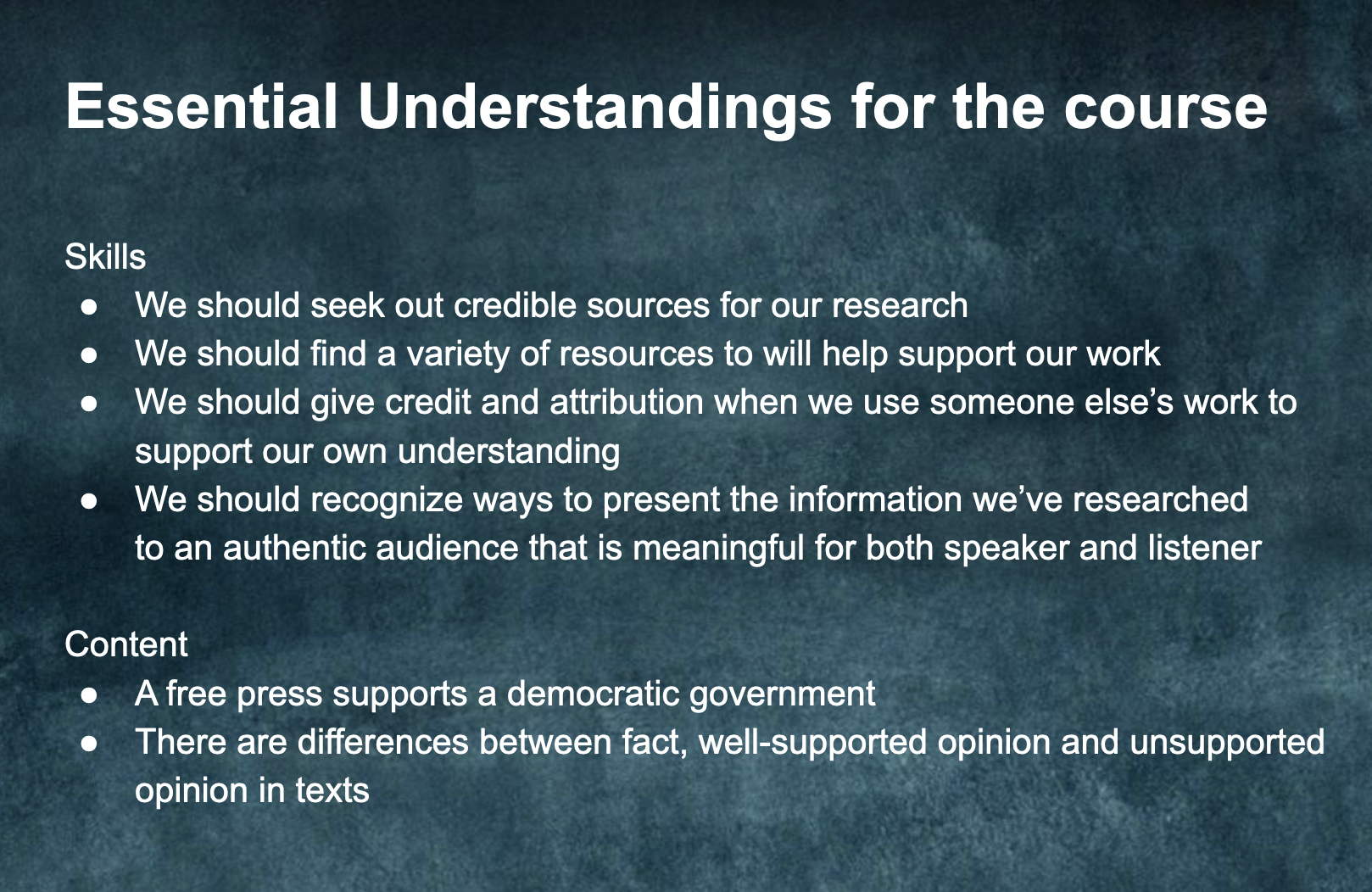
Essential Understandings for the course (slide)
Middle school library media specialist Colleen Simpson teaches a six-week unit for eighth grade students guided by two essential questions: (1) Why is media literacy important for citizens in today’s democracy? (2) What role do individuals play as digital citizens? This course covers several of the DESE frameworks for Digital Literacy and Computer Science. Students complete a First Amendment project on a topic of their choice (Colleen showed examples of student work).
“To be news literate is to build knowledge, think critically, act civilly and participate in the democratic process” -Robert R. McCormick Foundation
The final event of the day was the author panel, organized by Odyssey, and moderated by yours truly (thus, not nearly so many notes). Here are the panelists, followed by their most recent (or soon-to-be-released) book in parentheses:
Janae Marks (On Air with Zoe Washington)
Hannah Moushabeck (Homeland: My Father Dreams of Palestine)
Jeannine Atkins (Hidden Powers: Lise Meitner’s Call to Science)
Sarah Prager (Kind Like Marsha: Learning from LGBTQ+ Leaders)
Charnaie Gordon (Lift Every Voice and Change: A Sound Book: A Celebration of Black Leaders and the Words that Inspire Generations) (Charnaie also has a new book coming out in October, in collaboration with Roda Ahmed, author of Mae Among the Stars. I am so excited for this!)
I asked the panelists about their inspiration (how did you come to write this book, at this time), their research process, collaboration with illustrators, and important takeaway messages. Regarding the latter, Jeannine said: “Take time to find small beauties in life.” Charnaie: “Be kind to one another. Show empathy.” Sarah: “LGBTQ+ people have been here throughout history.” Janae: “There’s always hope. Anyone of any age has the power to make change.” Hannah: “It’s the first Palestinian picture book [by a Palestinian author] in 30 years.”
Whew, and that’s a wrap on Day 1. Notes on Day 2 coming soon!
Last year, I followed the ALA YMA on Twitter while preparing to teach seventh graders online research skills; the year before, I watched in my pajamas with my five-year-old on my lap. This year, I missed the beginning of the livestream, but the timing worked out so that a third grade class was in the library when the Caldecott awards were announced, and they were so excited!
As I watched not just the Caldecotts but all the other awards roll in, it struck me more than any previous year how many deserving books there are. Not that I disagree with the committees’ choices – plenty of books I cheered for, others I hadn’t read – but there are just so. many. good. books in any given year! And because I was on this year’s Heavy Medal committee (Mock Newbery) and ran a Mock Caldecott program at my school, I was more attuned than usual to award predictions.
So rather than recap today’s winners, I’m going to list a few middle grade and picture books I think could have gotten awards, and just happened not to, but are still wonderful and you should read them:
Middle grade:
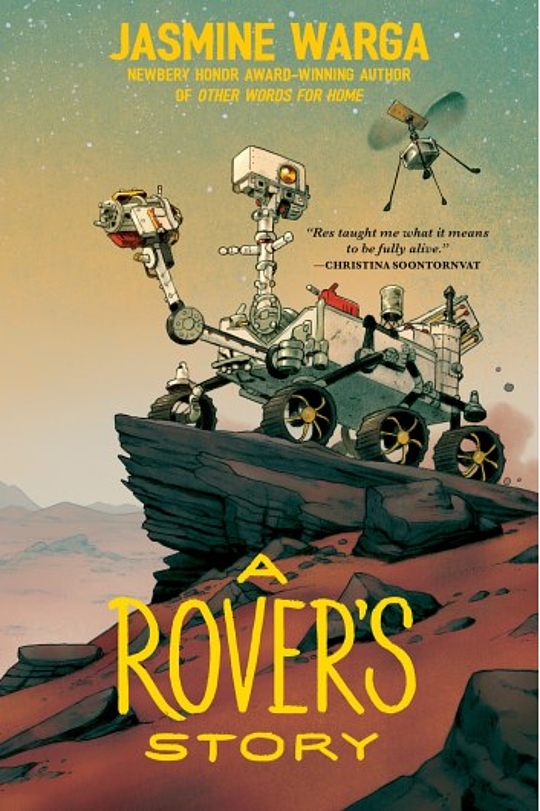
A Rover’s Story by Jasmine Warga
Violet and Jobie in the Wild by Lynne Rae Perkins
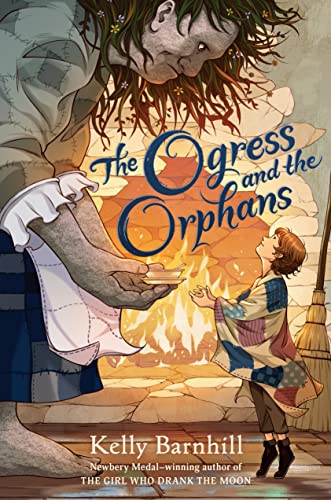
The Ogress and the Orphans by Kelly Barnhill
Different Kinds of Fruit by Kyle Lukoff
Where the Sky Lives by Margaret Dilloway
The Insiders by Mark Oshiro
The Door of No Return by Kwame Alexander
Black Bird, Blue Road by Sofiya Pasternak
A Duet for Home by Karina Yan Glaser
Picture Books
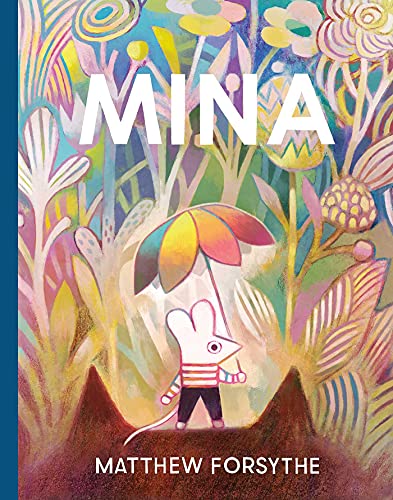
Mina by Matthew Forsythe
Blue: A History of the Color as Deep as the Sea and as Wide as the Sky by Nana Ekua Brew-Hammond, illustrated by Daniel Minter
Sweet Justice by Mara Rockliff, illustrated by R. Gregory Christie
A Spoonful of Frogs by Casey Lyall, illustrated by Vera Brosgol
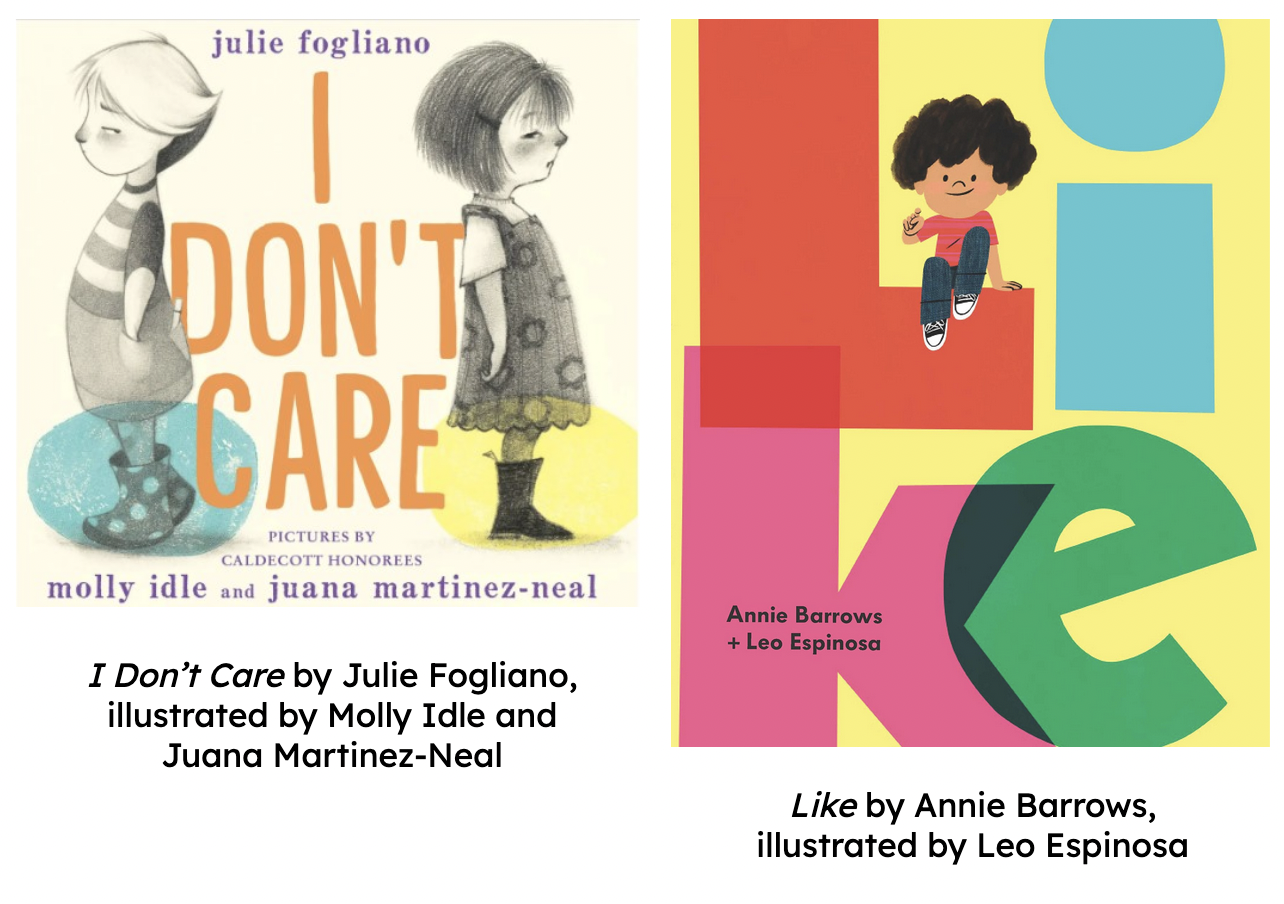
I Don’t Care by Julie Fogliano, illustrated by Molly Idle and Juana Martinez-Neal
Endlessly Ever After by Laurel Snyder, illustrated by Dan Santat
Farmhouse by Sophie Blackall
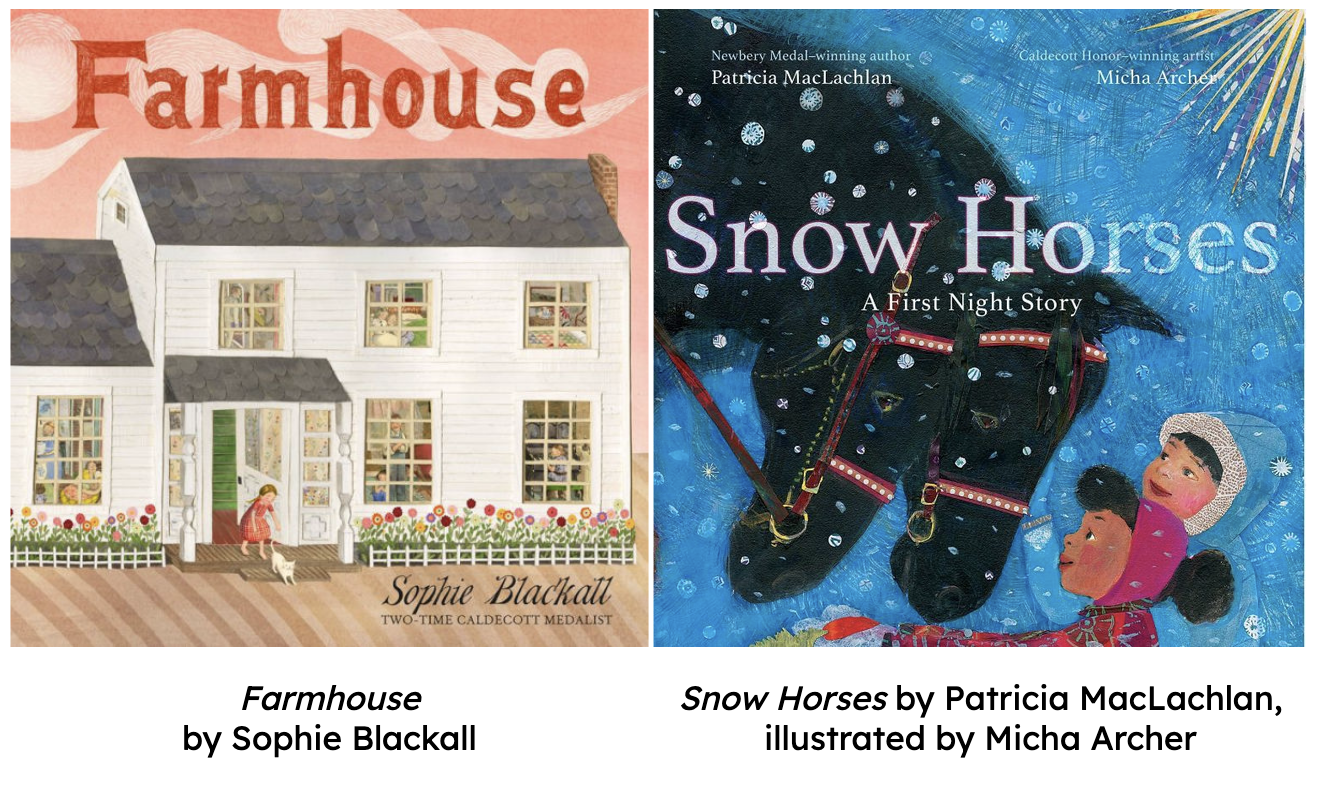
Snow Horses by Patricia MacLachlan, illustrated by Micha Archer
Squirrels that turn out to be cats, magic doors that lead to a refuge and friendship, a Mars rover with human emotions, a choose-your-own-adventure fairytale, escaping frogs, an unsung civil rights hero, some beautiful collage, and more – there’s something for everyone, and awards are only a piece of it all. Congratulations to all authors and illustrators who put something out into the world in 2022; readers are grateful.
In my first year as an elementary school librarian, I had to do a Mock Caldecott. It was one of the programs I’d heard other elementary librarians (and some children’s librarians at public libraries) talk about for years and it always sounded like a fun way to get kids engaged and excited. Plus, it’s a good chance to focus on the (incredible) art, and consider things like trim size and shape, endpapers, use of the gutter, use of color, light and dark, and media. I always look to see if there’s an art note on the copyright page about what materials the illustrator used, and kids are sometimes surprised (especially the born-digital art).
Introduce the Caldecott Award. What is it for? Who decides? Which books (illustrators) are eligible? Even the youngest students grasp the difference between an author’s job and an illustrator’s job, and learn that if there’s one name on the cover, it means that person did both jobs.
Read two past Caldecott books, and have a vote (by show of hands). Make the tally visible on the whiteboard. In kindergarten and first grade, we read Kitten’s First Full Moon by Kevin Henkes (2005) and This Is Not My Hat by Jon Klassen (2013). In second and third grade, we read Beekle by Dan Santat (2015) and Watercress by Andrea Wang, illustrated by Jason Chin (2022).
Week One:
Now it’s onto this year’s Caldecott contenders! I requested several books from my public library, using my own reading from the past year as well as The Horn Book’s Calling Caldecott blog and Betsy Bird’s predictions on her Fuse8 blog at SLJ. Ideally, I’m looking for books with less text, because classes are only 40 minutes and we want to do book checkout too. I use the Whole Book Approach, which means I welcome students’ observations while we’re reading – which means it takes longer to read a book aloud.
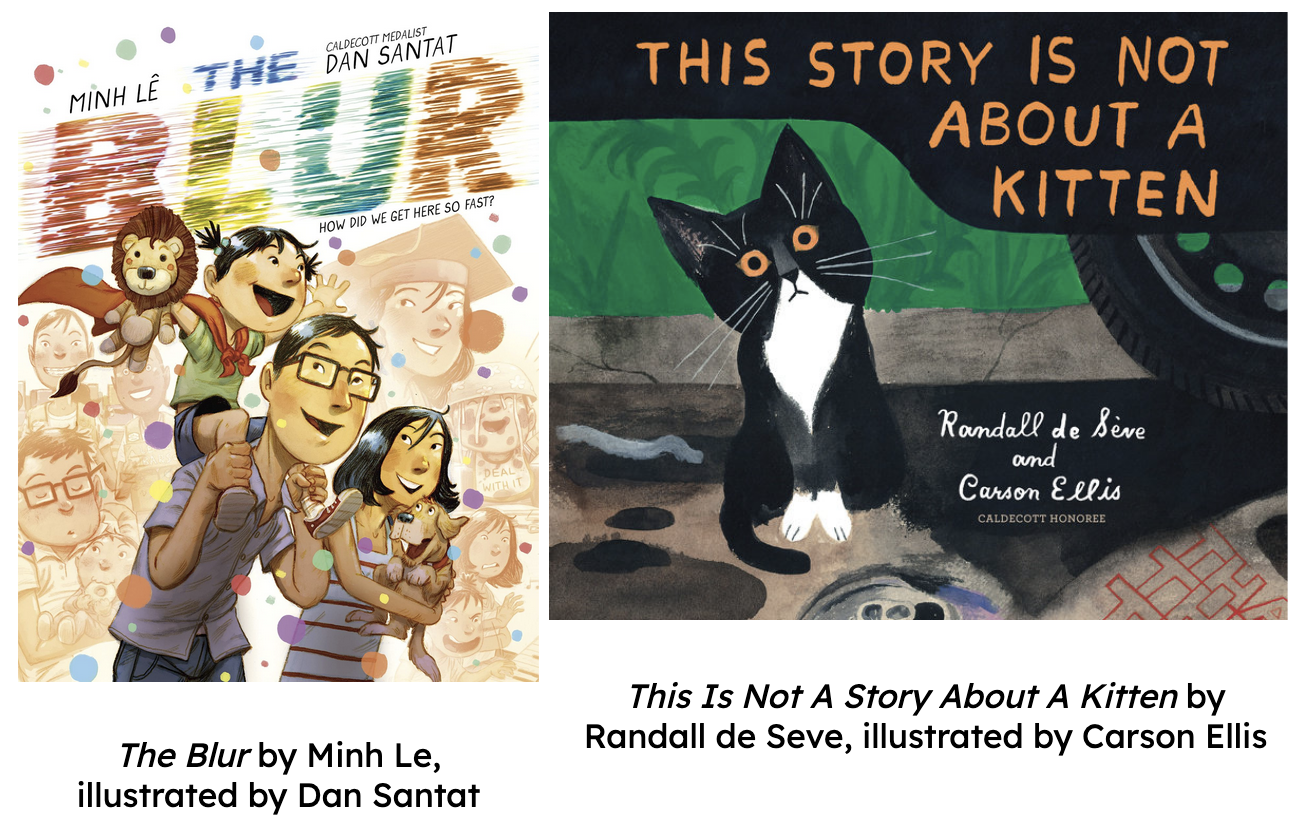
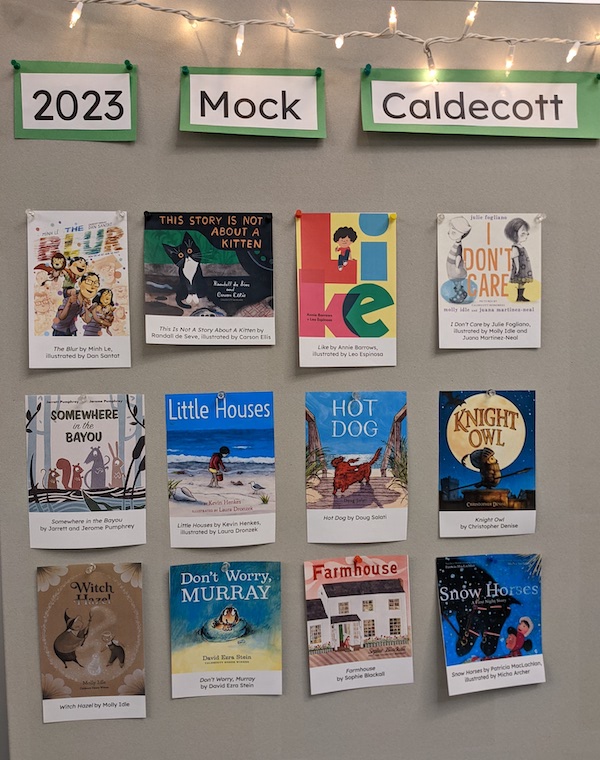
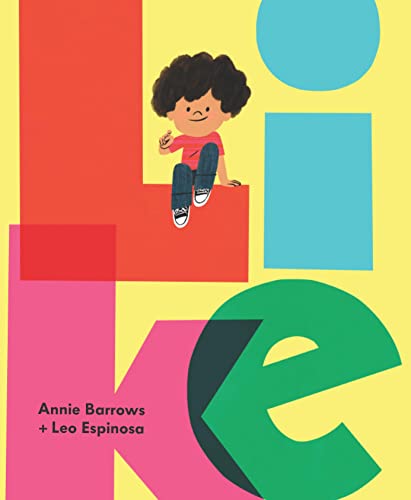
Kindergarten and first grade read I Don’t Care by Julie Fogliano, illustrated by real-life best friends Molly Idle and Juana Martinez-Neal, and Like by Annie Barrows, illustrated by Leo Espinosa. Second and third grade read The Blur by Minh Lê, illustrated by Dan Santat, and This Is Not A Story About A Kitten by Randall de Sève, illustrated by Carson Ellis. I note when illustrators have previously won a Medal or an Honor.
Week Two:
Kindergarten and first grade read Somewhere in the Bayou by Jerome and Jarrett Pumphrey, and Little Houses by Kevin Henkes, illustrated by Laura Dronzek. Second and third grade read Knight Owl by Christopher Denise and Hot Dog by Doug Salati. Actually, this week we mixed it up a little bit; one of the first grade classes read the second and third grade pair of books, and one of the other first grades read Hot Dog and Little Houses. Attention spans vary, and it seemed like the right call at the time.
Week Three:
Here we started to run into a few scheduling snags, including a (planned) holiday and some (unplanned) weather-related time off (a full snow day, a delayed start, and an early dismissal). It’s winter in New England, after all. That’s okay! We’re not being super scientific or mathematical about this, though I am keeping track of the tallies and figuring out the total votes for each book each week, and noting the number of classes that read each book.
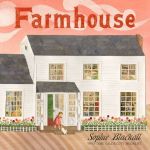
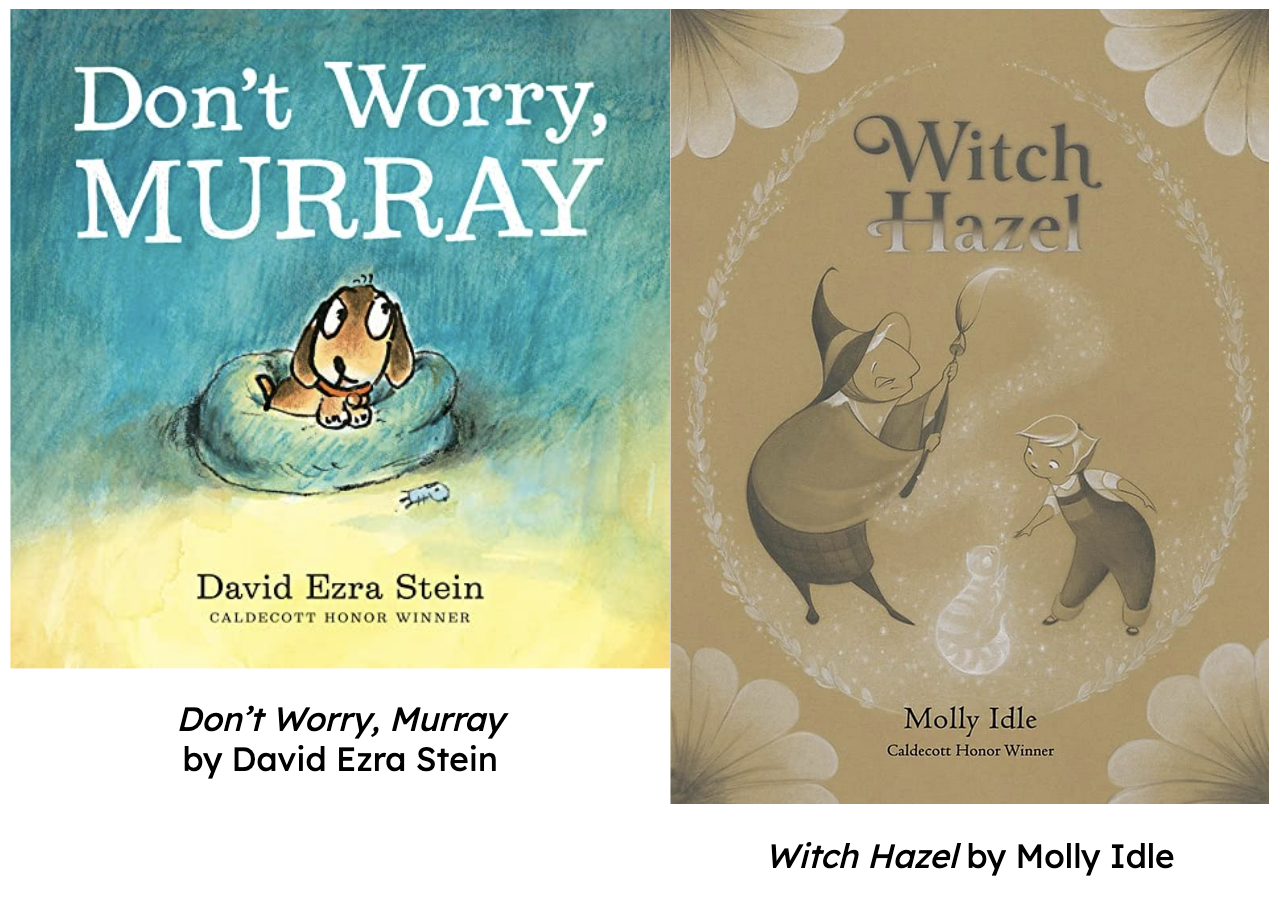
Kindergarten and first grade read Don’t Worry, Murray! by David Ezra Stein and Witch Hazel by Molly Idle. Second and third grade read Farmhouse by Sophie Blackall (who has already won twice!) and Snow Horses by Patricia MacLachlan, illustrated by Micha Archer. This final pair of books is absolutely gorgeous, and my second- and third-grade students are an observant bunch, so we’re pretty squeezed for time given that these two are more text-heavy than some of the others (and Farmhouse is all one long sentence!).
Now, are the titles we read my top picks for the 2023 Caldecott? Not necessarily, although I think a lot of them have a very strong chance and I’d be delighted to see them get a shiny gold or silver medal. A few contenders we’d read earlier in the year: Endlessly Ever After by Laurel Snyder, illustrated by Dan Santat; Mina by Matthew Forsythe; Berry Song by Michaela Goade, John’s Turn by Mac Barnett, and The Three Billy Goats Gruff by Mac Barnett, illustrated by Jon Klassen. So, these are the ones that were fresh for my students, and that I could get from my public library in time.
Visual supports: The award is for illustration, after all, so I wanted to create a visual environment to support our Mock Caldecott. Here are a few ways I did that:
A few years ago at a conference I got a poster with all of the Caldecott winners on it, plus that year’s honor books. I put that up on our whiteboard, and kids frequently pointed out books they’d read (even pre-readers could recognize the book covers). (Note: I would love an updated poster like this, and no one seems to make one! Let me know if you know of a source…)
On the easel whiteboard, I kept each week’s tally (photographing it regularly in case anyone erased it, accidentally or on purpose). Results were so different from class to class!
On my bulletin board, I printed out cover images of the Caldecott contenders we read, along with title, author, and illustrator info. This helped us remember what we’d read in past weeks, and make connections; for example, one third grader noticed that The Blur and Farmhouse took place over a long span of time, whereas This Is Not A Story About A Kitten and Snow Horses took place over the course of just one day/night.
I covered several tables with face-up Caldecott winner and honor books from past years and encouraged students to check those out – many did! (And some just wanted My Weird School or A-to-Z Mysteries or Wimpy Kid or the Biscuit books, and that’s fine too. But at least they saw them as choices, and picture book circulation increased! Though lots of students were baffled about why some books had “the sticker” and some didn’t.)
Caldecott poster
Whiteboard with vote tallies
At the end of our program, I figured out all the tallies and reported our results to the 2023 Mock YMA blog. Knight Owl got the most votes, followed by Somewhere in the Bayou, The Blur, Don’t Worry Murray, Farmhouse, and Hot Dog. And today, it worked out that one of my third grade classes was in the library during the live Caldecott announcements, and they went wild for Knight Owl and Hot Dog. It was gratifying to see them throw their hands up and cheer for books they recognized (I was cheering too, of course!).
Did we predict the winner? Not exactly, but two out of five ain’t bad. Did we read some great picture books? Absolutely! Will I do it again next year? Yes! What will I do differently? Mainly, I’ll start requesting books from my public library ahead of time, really concentrating on the ones with less text, so we can focus on the illustrations without being rushed during our 40-minute periods. I could change the way we vote – I was thinking of some clear jars and colored pom-poms that kids could use as their votes after reading four or five books over the course of a few weeks, instead of having two books go head to head each week.
Overall, it was a fun program I hope to run again next year. Now, as we’re about to enter Black History Month, I’m thinking of doing something similar (minus the voting) with Coretta Scott King award and honor books. Heck, there are enough awards to focus on a different one each month of the school year…
Partially read or started-didn’t-finish: 19. Like previous years, a mixed bag of fiction, nonfiction, cookbooks, poetry, and books I started reading with the kiddo but she whisked away to finish on her own.
Picture books: 226
Sonya’s Chickens by Phoebe Wahl
Sometimes I Grumblesquinch by Rachel Vail
A Spoonful of Frogs by Casey Lyall
Interrupting Chicken: Cookies for Breakfast by David Ezra Stein
Puppy Bus by Drew Brockington
Except Antarctica by Todd Sturgell
How Old Is Mr. Tortoise? by Dev Petty
Out On A Limb by Jordan Morris
Mina by Matthew Forsythe
Don’t Eat Bees by Dev Petty
Tía Fortuna’s New Home by Ruth Behar
Watch Out for the Lion! by Brooke Hartman
Beatrice Likes the Dark by April Genevieve Tucholke
El Chupacapras by Adam Rubin
That’s Not My Name by Anoosha Syed
Gibberish by Young Vo
John’s Turn by Mac Barnett
Farmhouse by Sophie Blackall
Three Billy Goats Gruff by Mac Barnett
Books Aren’t for Eating by Carlie Sorosiak
Shoshi’s Shabbat by Caryn Yacowitz
Knitting for Dogs by Laurel Molk
Like by Annie Barrows
Early readers: 15
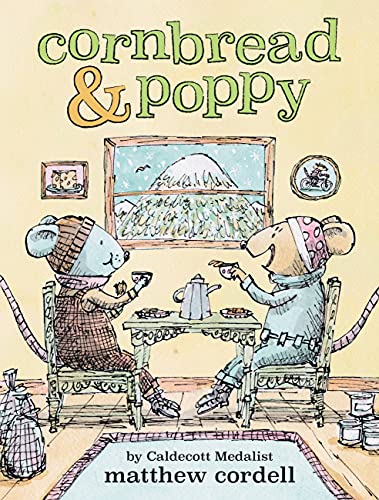
Cornbread & Poppy by Matthew Cordell
Ollie & Bea by Renee Treml
See the Cat: Three Stories About a Dog by David LaRochelle
It’s A Sign by Jarrett and Jerome Pumphrey
Chapter books: 11
Crimson Twill: Witch in the City by Kallie George
Wednesday Wilson Fixes All Your Problems by Bree Galbraith
Twig & Turtle 6: No Hard Feelings by Jennifer Richard Jacobson
Middle grade: 116
See the first half of the year’s titles in the 2022 mid-year round-up; I still stand by all of them! Between the MCBA award titles and Heavy Medal, there have been plenty of excellent middle grade titles to read this year. Here are a few of my favorites that I read between July and December:
Monster Club by Darren Aronofsky
The Secret Battle of Evan Pao by Wendy Wan-Long Shang
Focused by Alyson Gerber
Tumble by Celia Pérez
The Benefits of Being an Octopus by Ann Braden
Black Brother, Black Brother by Jewell Parker Rhodes
The Insiders by Mark Oshiro
A Duet for Home by Karina Yan Glaser
A Rover’s Story by Jasmine Warga
Attack of the Black Rectangles by A.S. King
Maizy Chen’s Last Chance by Lisa Yee
Violet and Jobie in the Wild by Lynne Rae Perkins
YA: 38
When the World Was Ours by Liz Kessler
Pet by Akwaeke Emezi
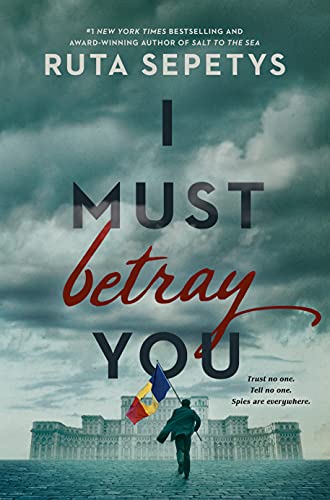
I Must Betray You by Ruta Sepetys
Unwind by Neal Shusterman
Family of Liars by E. Lockhart
The Lesbiana’s Guide to Catholic School by Sonora Reyes
A Year to the Day by Robin Benway
Our Crooked Hearts by Melissa Albert
The Peach Rebellion by Wendelin Van Draanen
I Miss You, I Hate This by Sara Saedi
Seasparrow by Kristin Cashore
Whiteout by various authors
Graphic novels (overlap with other categories): 52
Garlic and the Vampire and Garlic and the Witch by Bree Paulsen
Witches of Brooklyn: S’more Magic by Sophie Escabasse
Tomorrow, and Tomorrow, and Tomorrow by Gabrielle Zevin
Everyone Knows Your Mother Is A Witch by Rivka Galchen
Now Is Not the Time to Panic by Kevin Wilson
Hester by Laurie Lico Albanese
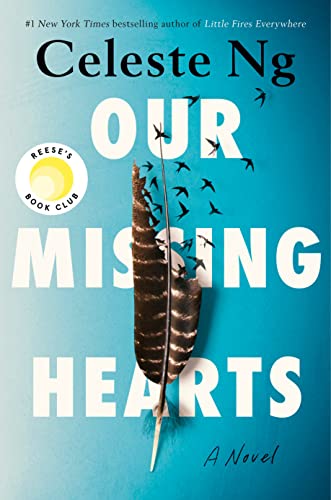
Our Missing Hearts by Celeste Ng
Horse by Geraldine Brooks
Shrines of Gaiety by Kate Atkinson
Adult nonfiction: 30
How Old Am I? by Julie Pugeat
How to Do Nothing by Jenny Odell
Once Upon a Time We Ate Animals by Roanne Van Voorst
Animal, Vegetable, Miracle by Barbara Kingsolver
Go Back to Where You Came From by Ali Wajahat
Secrets of the Sprakkar by Eliza Reid
Use Scraps, Sew Blocks, Make 100 Quilts by Stuart Hillard
Isaac’s Storm by Erik Larson
Deaf Utopia by Kyle DiMarco
What Can A Body Do by Sarah Hendren
Things to Look Forward To by Sophie Blackall
Children’s nonfiction: 36
Africa, Amazing Africa by Atinuke
Dragon Bones by Sarah Glenn Marsh
Washed Ashore: Making Art from Ocean Plastic by Kelly Crull
Orangutans Are Ticklish by Jill Davis
Girl Running by Annette Bay Pimentel
Flowers Are Pretty…Weird by Rosemary Mosco
Snowflake Bentley by Jacqueline Martin Briggs
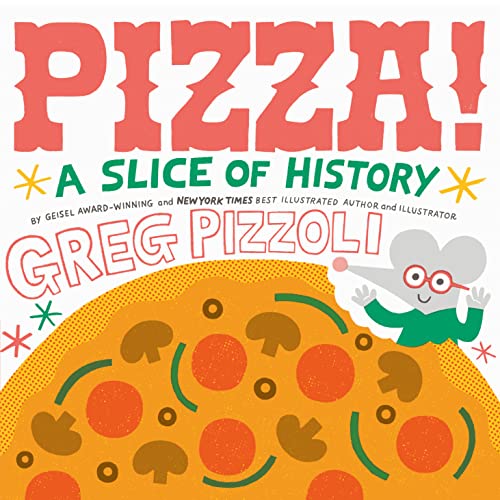
Pizza! A Slice of History by Greg Pizzoli
How to Build A Human: In Seven Evolutionary Steps by Pamela Turner
Short stories/essays: 20
These Precious Days by Ann Patchett
I’ll Show Myself Out by Jessi Klein
Mother Noise by Cindy House
She Memes Well by Quinta Brunson
The Souvenir Museum by Elizabeth McCracken
We Show What We Have Learned & Other Stories by Claire Beams
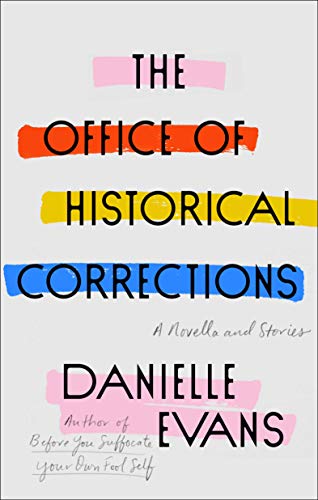
The Office of Historical Corrections and Before You Suffocate Your Own Fool Self by Danielle Evans
Ancestor Approved by Cynthia Leitich Smith and others
Audiobooks: 17 (but actually many more if re-reads count)
The Ogress and the Orphans by Kelly Barnhill
A Duet for Home by Karina Yan Glaser
Ain’t Burned All the Bright by Jason Reynolds and Jason Griffin
Star Crossed by Barbara Dee
Diary of a Mad Brownie by Bruce Coville
Dealing with Dragons by Patricia C. Wrede
The Best At It by Maulik Pancholy
Optimists Die First by Susin Nielsen
A Soft Place to Land by Janae Marks
Hurricane Child by Kacen Callender
Five-star ratings: 34. A pair of nonfiction books about food (Animal, Vegetable, Miracle and Once Upon A Time We Ate Animals), some excellent adult fiction (Our Missing Hearts, Sea of Tranquility, True Biz, The Marriage Portrait, and Hester), and plenty of middle grade fiction and picture books, mentioned above. (But you know, I think I have to mention that fantastic page turn in Mina yet again. “Oh, I see the problem…”)
Re-reads: Unknown number, mostly picture books and chapter books or middle grade audiobooks, like the Hamster Princess series by Ursula Vernon and the Clementine series by Sara Pennypacker. And we listened to The Ogress and the Orphans on a road trip after I’d read it in print (it’s great both ways).
WeNeedDiverseBooks: 155, or 27.7% of the total, which is higher than last year (good!) but I plan to do even better next year.
LibraryThing Charts and Graphs: It looks like there’s an option to filter by year, but it isn’t working right now. Let’s assume that, as in past years, I’ve read more female and nonbinary authors/illustrators than male, and more American, Canadian, U.K., and Australian creators than those from elsewhere.
And that’s a wrap for 2022! Hat tip to Betsy Bird’s “31 Days, 31 Lists” for highlighting kidlit titles I might have missed otherwise.

 What does my fall reading lineup look like? Well, in addition to my usual reading (whatever I hear about from friends, see on library displays, or discover via publisher or bookstore emails), I’ve been working my way through this year’s
  I’m serving on the SLJ Best Books committee for Graphic Novels, which means reading…wait for it…more graphic novels! There are over 20 on the list and each of us will read at least 18. I’d already read several when the editors gave us the list, and I’m catching up on the others.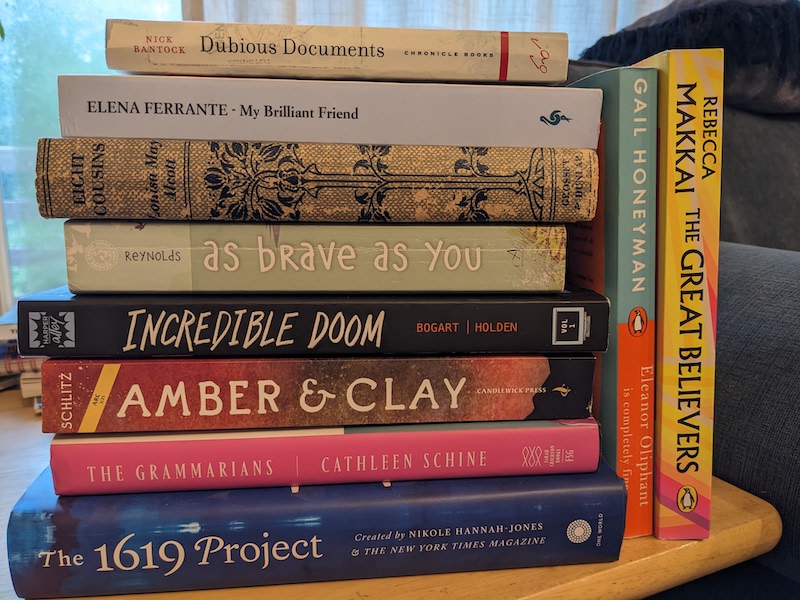





 Because this is a choose-your-own-adventure book, you can read it several times with the same group (and they will ask for it again and again!). Every time a choice comes up, I read both choices and ask them to vote. This works with upper elementary as well as with the younger grades.
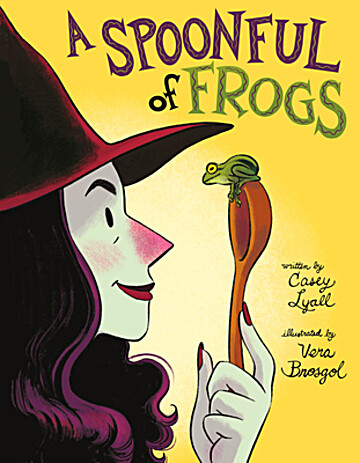 The witch main character and the frogs she tries to add to her soup are perfect for around Halloween time, and “PUT the FROGS on the SPOON” may become a mantra.
 This is great for the beginning of the year when everyone is learning each other’s name. Most kids can relate to the experience of having someone mispronounce your name or call you the wrong name, and they know the feeling; this book encourages them to insist on being called the right name the right way, and take the time to do the same for others.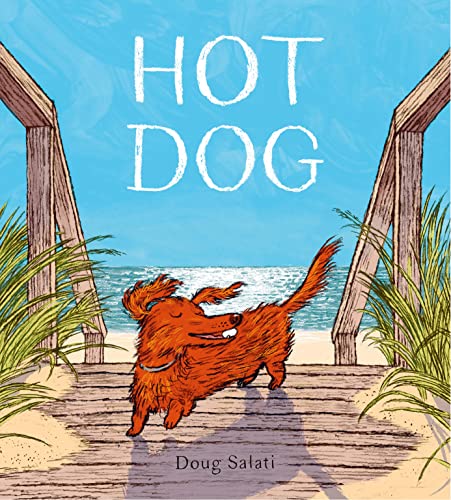
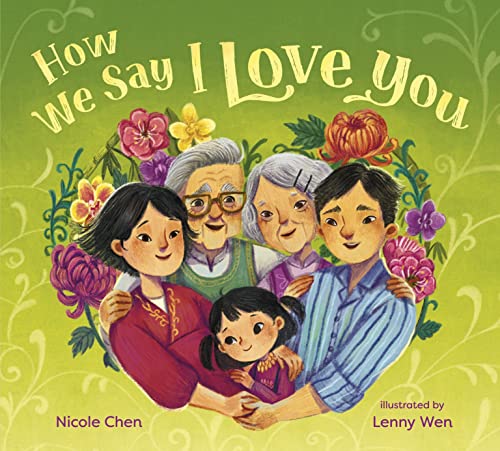 This has strong appeal on three levels: first, there’s the seek-and-find element (a heart on each page); next, the cultural representation; and finally, the way it opens a discussion of how we show love in our own families. Every single class I read this book with (first through third grade) came up with a whole list, with nearly every kid contributing, and some adding more than one idea.
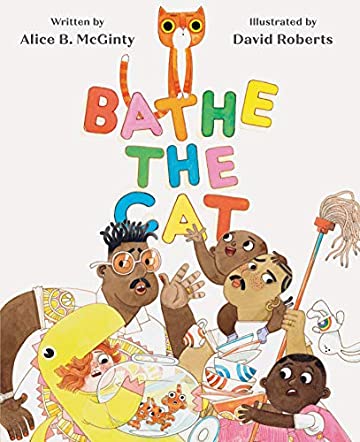 Pure good fun; the kids catch on quickly as the family’s to-do list gets more and more ridiculous. Great representation, too, of a mixed-race family with two dads.
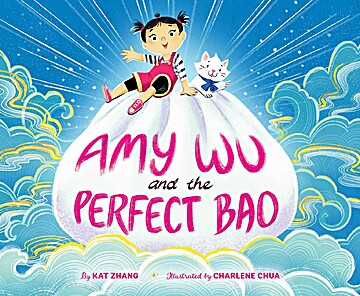 Kids identify with Amy’s problem, and even if the word “bao” is unfamiliar, nearly every culinary tradition has a version of dumplings (knish, empanada, pierogies, etc.). Amy finally figures out the solution to her problem, and her loving, supportive family (including pink-haired grandma and adorable white kitten) is right there with her.
 This Caldecott winner uses color effectively to show an (un)imaginary friend’s journey into the real world. (See also: Real to Me by Minh Lê and Raissa Figueroa)
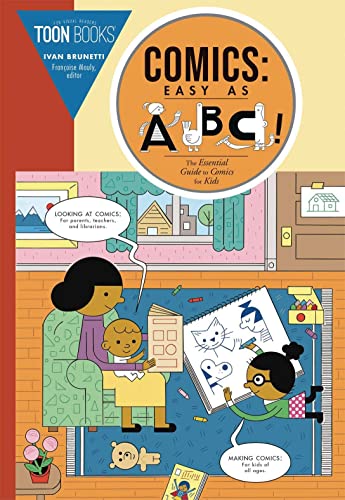 The brilliant Liza, who insists she is not an expert on comics (but who is totally an expert on comics, and is also an excellent teacher) started us off with a variety of hands-on activities to choose from, as part of her presentation on how to teach comics/graphic novels in school, and how to get teachers, administrators, and parents on board (because GRAPHIC NOVELS ARE REAL BOOKS; this is supported by research).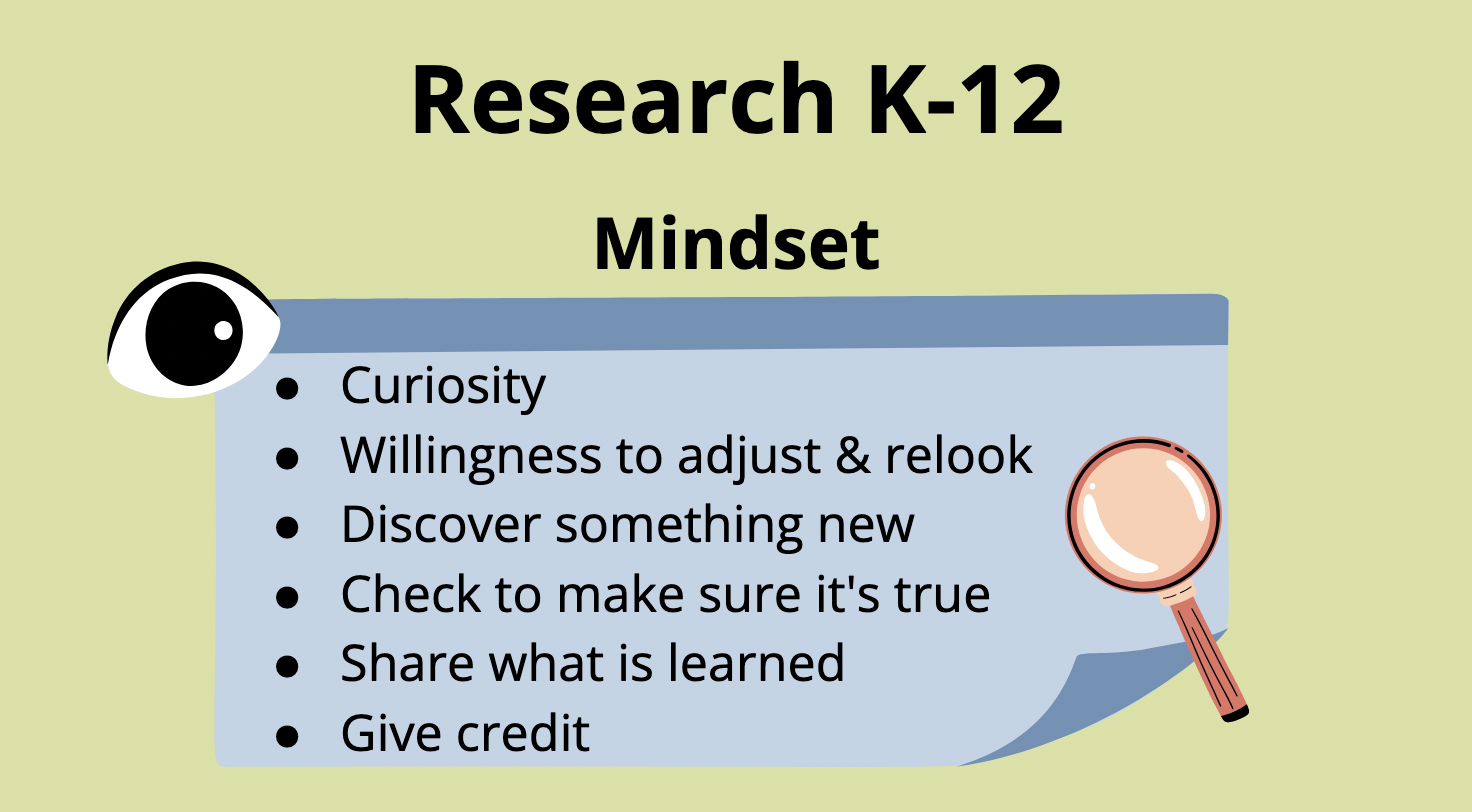


 Visual supports: The award is for illustration, after all, so I wanted to create a visual environment to support our Mock Caldecott. Here are a few ways I did that:



 Jenny Arch