Yearly wrap-up, 2013 edition

In the spirit of those sites that do a weekly wrap-up (like Dooce’s “Stuff I found while looking around” and The Bloggess’ “Sh*t I did when I wasn’t here”), here are a few odds and ends I found while going through my work e-mail inbox and my drafts folder.

How to Search: “How to Use Google Search More Effectively” is a fantastic infographic that will teach you at least one new trick, if not several. It was developed for college students, but most of the content applies to everyday Google-users. Google has its own Tips & Tricks section as well, which is probably updated to reflect changes and new features.

How to Take Care of Your Books: “Dos and Don’ts for Taking Care of Your Personal Books at Home” is a great article by Shelly Smith, the New York Public Library’s Head of Conservation Treatment. Smith recommends shelving your books upright, keeping them out of direct sunlight and extreme temperatures, and dusting. (Sigh. Yes, dusting.)

The ARPANET Dialogues: “In the period between 1975 and 1979, the Agency convened a rare series of conversations between an eccentric cast of characters representing a wide range of perspectives within the contemporary social, political and cultural milieu. The ARPANET Dialogues is a serial document which archives these conversations.” The “eccentric cast of characters” includes Ronald Reagan, Edward Said, Jane Fonda, Jim Henson, Ayn Rand, and Yoko Ono, among others. A gem of Internet history.

All About ARCs: Some librarians over at Stacked developed a survey about how librarians, bloggers, teachers, and booksellers use Advance Reader Copies (ARCs). There were 474 responses to the survey, and the authors summarized and analyzed the results beautifully. I read a lot of ARCs, both in print and through NetGalley or Edelweiss, and I was surprised to learn the extent of the changes between the ARC stage and the finished book; I had assumed changes were copy-level ones, not substantial content-level ones, but sometimes they are. (I also miss the dedication and acknowledgements.)

E-books vs. Print books: There were, at a conservative estimate, approximately a zillion articles and blog posts this year about e-books, but I especially liked this one from The Guardian, “Why ebooks are a different genre from print.” Stuart Kelly wrote, “There are two aspects to the ebook that seem to me profoundly to alter the relationship between the reader and the text. With the book, the reader’s relationship to the text is private, and the book is continuous over space, time and reader. Neither of these propositions is necessarily the case with the ebook.” He continued, “The printed book…is astonishingly stable over time, place and reader….The book, seen this way, is a radically egalitarian proposition compared to the ebook. The book treats every reader the same way.”

On (used) bookselling: This has been languishing in my drafts folder for nearly two years now. A somewhat tongue-in-cheek but not overly snarky list, “25 Things I Learned From Opening a Bookstore” includes such amusing lessons as “If someone comes in and asks for a recommendation and you ask for the name of a book that they liked and they can’t think of one, the person is not really a reader.  Recommend Nicholas Sparks.” Good for librarians as well as booksellers (though I’d hesitate to recommend Sparks).

The-Library-Book-154x250_largeOn Libraries: Along the same lines, I really enjoyed Lucy Mangan’s essay “The Rules” in The Library Book. Mangan’s “rules” are those she would enforce in her own personal library, and they include: (2) Silence is to be maintained at all times. For younger patrons, “silence” is an ancient tradition, dating from pre-digital times. It means “the absence of sound.” Sound includes talking. (3) I will provide tea and coffee at cost price, the descriptive terms for which will be limited to “black,” “white,” “no/one/two/three sugars” and “cup.” Anyone who asks for a latte, cappuccino or anything herbal anything will be taken outside and killed. Silently.

On Weeding: It’s a truth often unacknowledged that libraries possessed of many books must be in want of space to put them – or must decide to get rid of some. Julie Goldberg wrote an excellent essay on this topic, “I Can’t Believe You’re Throwing Out Books!” I also wrote a piece for the local paper, in which I explain the “culling” of our collection (not my choice of headline).

“What We Talk About When We Talk About Public Libraries”: In an essay for In the Library with the Lead Pipe, Australian Hugh Rundle wrote about the lack of incentives for public librarians to do research to test whether public libraries are achieving their desired outcomes.

Public Journalism, Private Platforms: Dan Gillmor questions how much journalists know about security, and how much control they have over their content once it’s published online. (Article by Caroline O’Donovan at Nieman Journalism Lab)
Choose your favorite year-end metaphor, or, Bookish resolutions (again)

I dearly wish my “end-of-the-year to-blog-folder cleanup” could be as neat and tidy as Brian’s, but alas, there are 21 unfinished drafts, some going back as far as 2011. That might be a good project for the last days of December and the first part of January, but first I’m trying to compile my year-end reading statistics, a project that has been snarled by a mid-year switch from Goodreads to LibraryThing (documented here and here).

I’ve been using LT pretty much exclusively since September, but LT’s statistics, while charmingly quirky (are the authors of the books I read dead or alive?), aren’t the sort I’m looking for. Goodreads, on the other hand, offers stats that are less imaginative but more practical: how many books read this year? How many pages? I thought I’d solve the problem by importing some of my LT data back into Goodreads, sans reviews, but Goodreads didn’t recognize my “date started/date finished” headings (which I had to acquire in a hacky way to begin with, because that information isn’t included in LT’s export feature: I tweaked some display preferences, got a print view, copied and pasted into Excel).

So it’s all a bit of a mess, but as best I can tell I read 159 books this year (so far!), but subtract seven “partially-read” books from that number to get 152 books for 2013. That’s about 12.6 books per month (though again, December isn’t over, and I’m halfway through David Sedaris’ laugh-out-loud Let’s Explore Diabetes With Owls). This number is rather astonishingly close to last year’s: I read 159 books in 2012. I don’t really expect to improve upon that, but of course it’s not about the numbers really; it’s about the quality, and I did read some wonderful books this year.

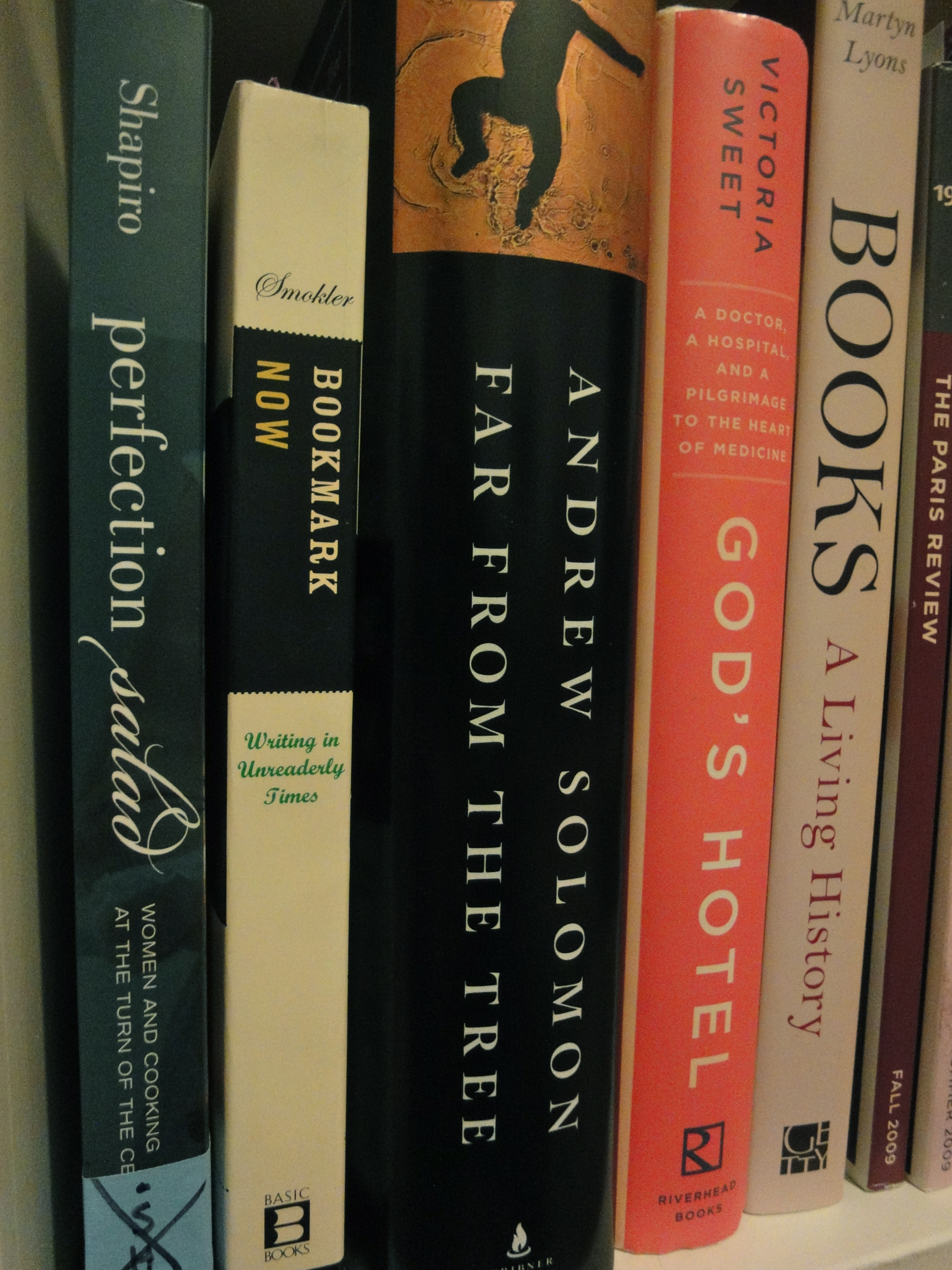
And how did I do on my New Year’s resolution to read all the unread books on my shelves at home? Not terribly well at all. Of those pictured in the link, I read two (Olive Kitteridge and The Carriage House), but throughout the year the “at home and unread” shelf/pile(s) morphed. (Yes, I think morphed is the word.) I decided not to read (and therefore, to give away) several of them (see below), but many I still intend to read, and my dear sweet friends at various publishing houses sent even more. Fortunately, I had Christmas* day to take all my books off their shelves, dust, rearrange, and catalog: the “to be read” books are now on a shelf (okay, 1.5 shelves) in the living room, where I’ll be faced with them every day. I also bought the e-book of Far From the Tree, which I started and loved but could not make myself lug around (900+ pages!); now that it’s more portable I have no excuse.

*That’s what Christmas is for, right? Movies, Chinese food, and cataloging one’s books?

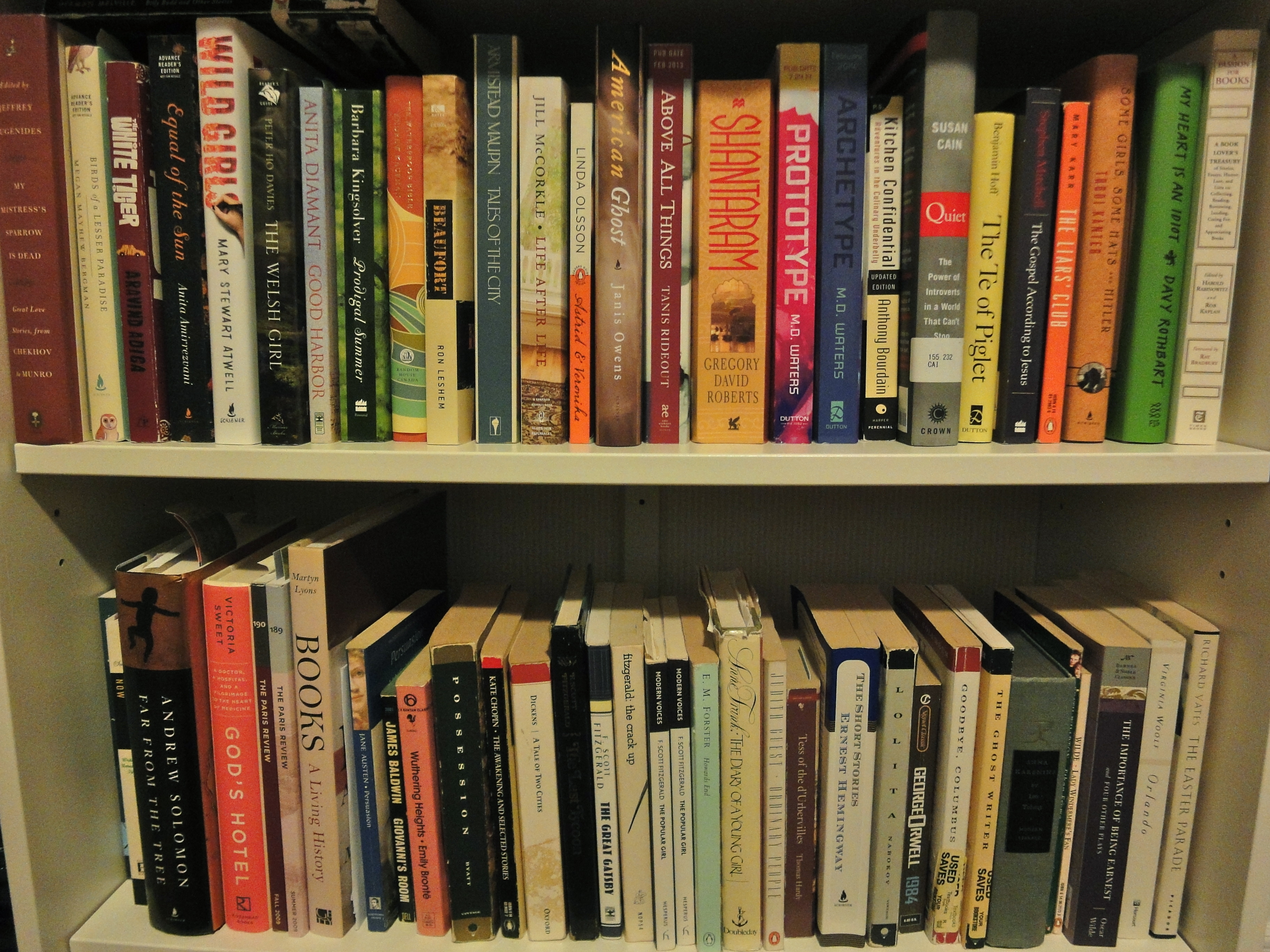
So, here’s the to-read shelf for 2014 (click to enlarge):

DSC06250

It’s all the books on the top shelf, starting with short stories, then fiction, then nonfiction, which continues onto the first part of the next shelf (see below).

DSC06251Do you see your favorite book on my to-read shelf? Tell me why I should move it to the top of the list!

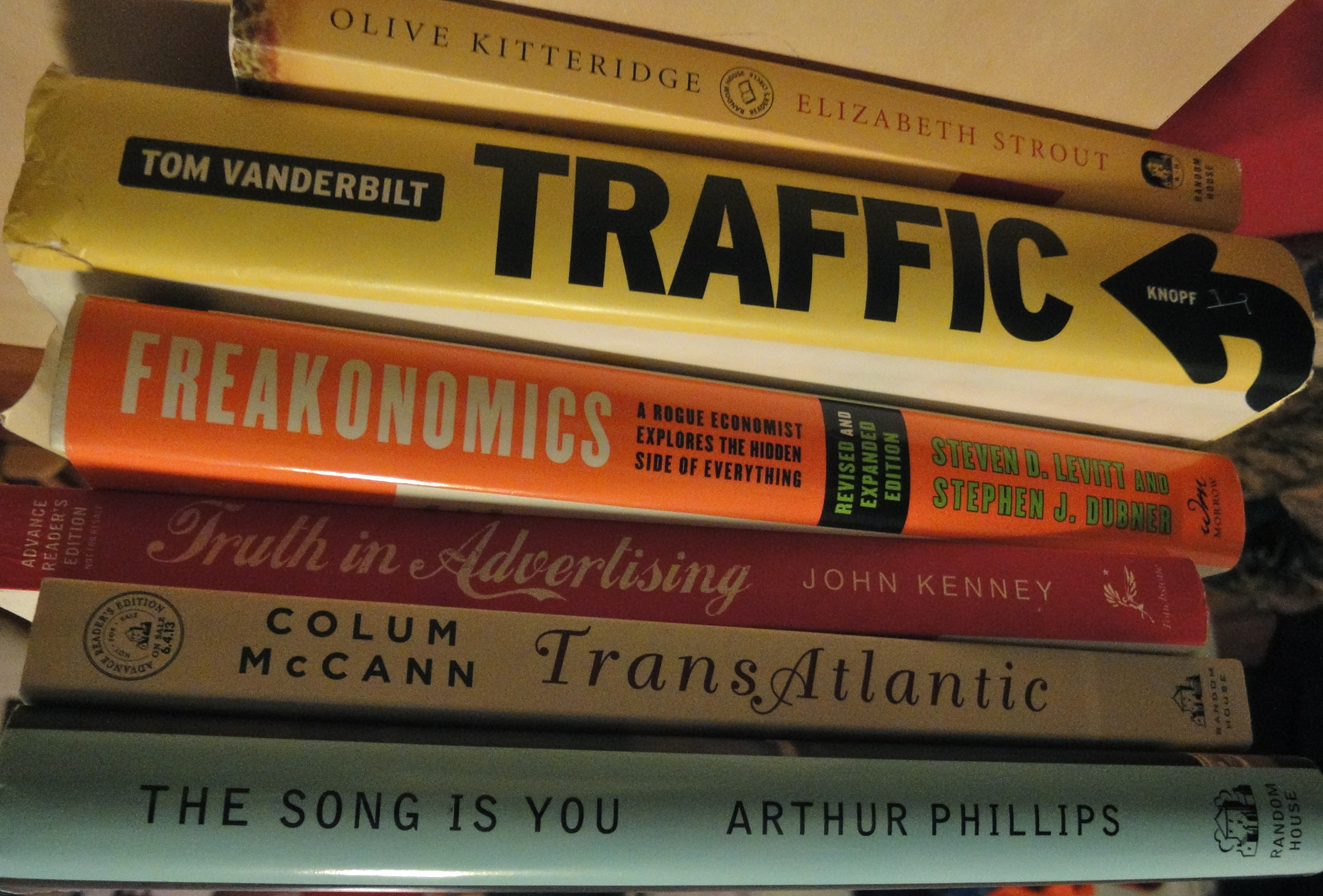
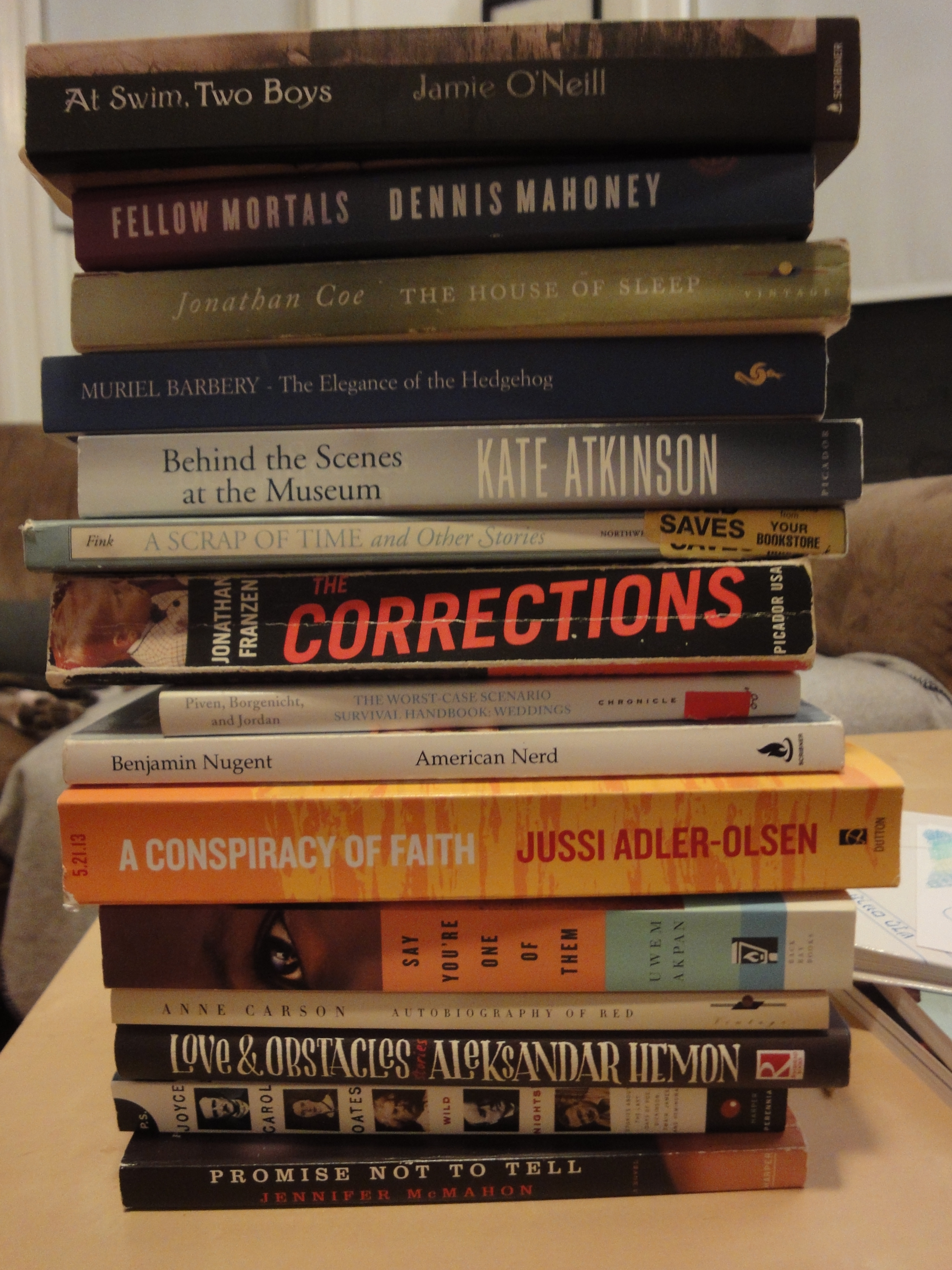
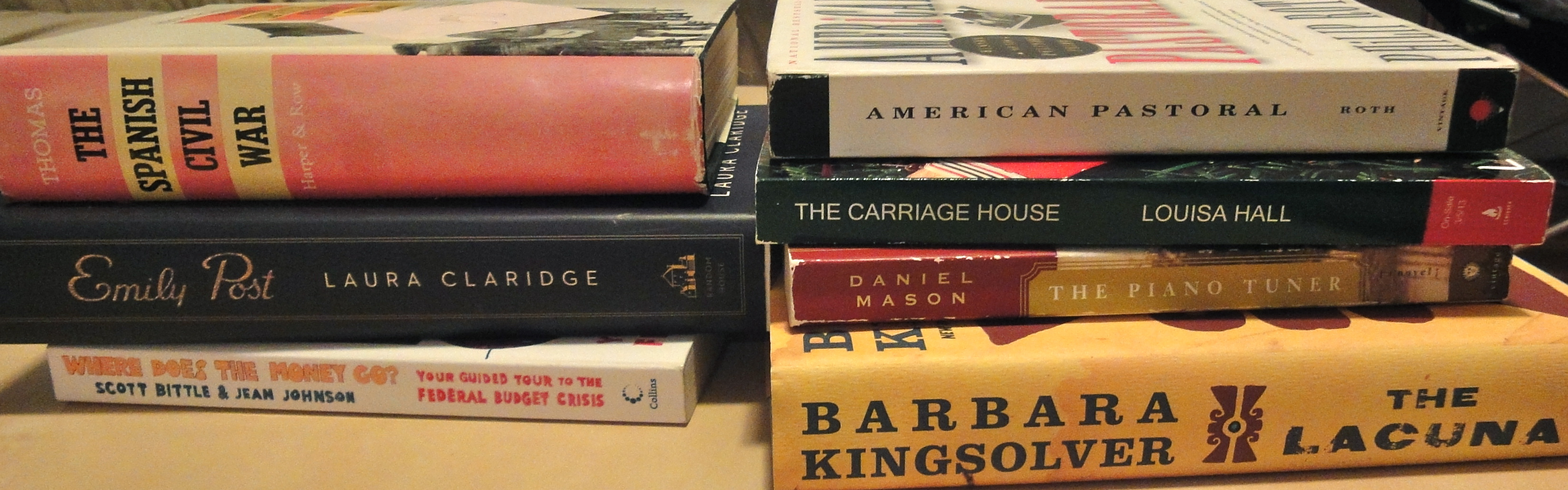
Here are the books I deaccessioned (fancy word for “got rid of”) or am deaccessioning soon:

DSC06080

Of the books in the photo above, I read Olive Kitteridge, TransAtlantic, The Song Is You, and about half of TrafficThe others remain unread (by me).

DSC06245

Of those in this photo, I read the nine on top, but the five on the bottom went unread.

DSC06081

Of these, I read four and a half. Or thereabouts.

So that’s it, my year in reading. Did you make a bookish resolution? I’m curious to hear.


“Love is easy and strange”: Maggie O’Farrell

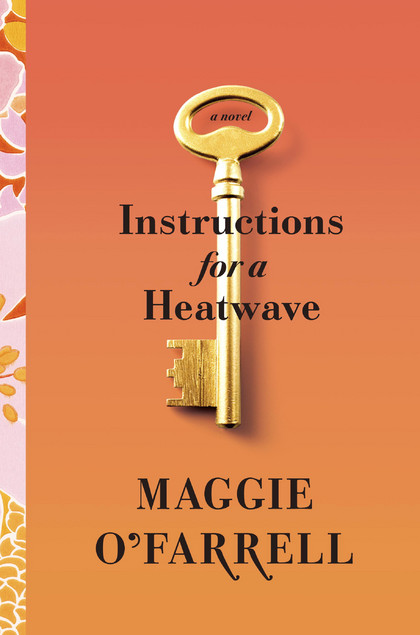
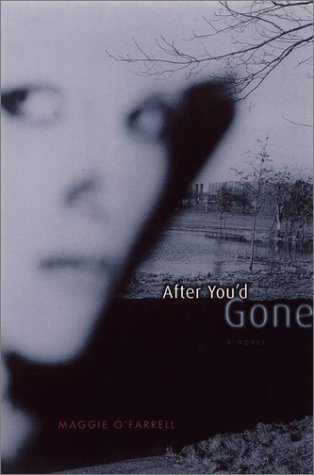
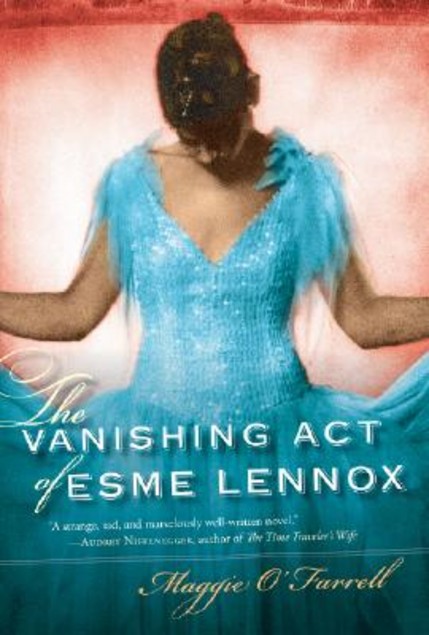
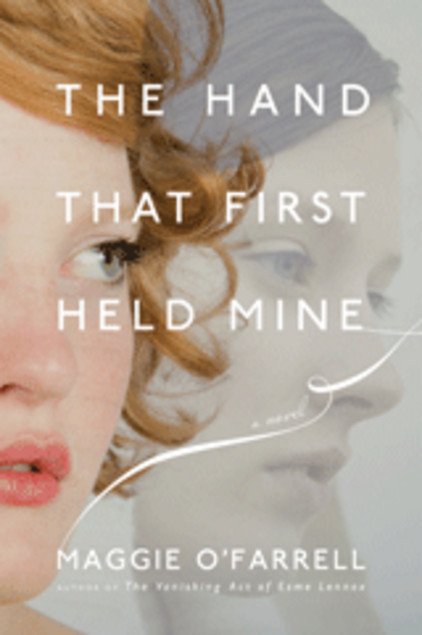
instructionsheatwaveI mentioned Instructions for a Heatwave by Maggie O’Farrell in my previous post highlighting some of my favorite books of 2013 (and a few from 2012). What I did not mention is that, since listening to John Lee narrate Instructions for a Heatwave, I’ve listened to or read every other novel of hers I could get my hands on, starting with The Vanishing Act of Esme Lennox (2006, read by Anne Flosnik), continuing with The Hand That First Held Mine (2010, also read by Anne Flosnik), and most recently, After You’d Gone (2001). Just now I’m waiting for The Distance Between Us (2004) to arrive from another library; after that, there’s My Lover’s Lover (2003), and then I’ll be waiting for her next book just like everyone else, I imagine – impatiently.

Ann Patchett, one of my all-time favorite authors, has said that she writes the same book over and over, and it is true that her books feature characters in situations that are unfamiliar to them, often accompanied by strangers. Agatha Christie wrote mysteries that took place in enclosed environments, such as a small village or a country estate; Jojo Moyes often (though not always) writes love stories that are connected through generations, adding an element of historical resonance and nostalgia. O’Farrell’s gift, talent, or fixation (as Patchett says, I write the book I want to read) is for explosive family secrets – usually something hidden from a younger generation by an older one, slowly uncovered as the two stories are woven together.

afteryoudgoneAfter You’d Gone is an early example of this pattern. Alice Raikes was born in Scotland but is living in London; one day, she takes a train to Edinburgh, where her sisters meet her at the station. However, when Alice goes to the loo, she sees something so shocking that she leaves her sisters, takes a train back to London, and, later that day, steps off the curb into moving traffic. While Alice lies in a coma and her family travels to be with her, Alice’s history and that of her family is slowly revealed. Alice’s mother Ann married Ben even though she did not love him – a fact not lost on Ben’s mother Elspeth – and when Alice learns her mother’s secret, it changes her own relationship to her whole family. This revelation, on top of Alice’s grief over a recent tragedy of her own, leads to Alice’s desperate action. The story is narrated mostly in the third person, but there are a few sections in first person, for no clear reason. This puzzlement aside, the book is almost flawless; though the plot is not as intricate and unguessable as in later books, the pacing and characters are superb.

vanishingactesmelennoxMore than almost any other book I’ve read, The Vanishing Act of Esme Lennox illustrates in heartbreaking fashion the social constraints on women as recently as two generations ago, by juxtaposing Esme’s story with that of her grand-niece, Iris. Iris receives a call one day from Cauldstone Hospital; despite her ignorance of Esme’s existence – her grandmother Kathleen (Kitty) never mentioned siblings – Iris is listed as the elderly Esme’s next of kin. Nevertheless, Iris can’t abandon Esme, so she brings her home with her temporarily. Esme – who doesn’t seem mad at all, despite having spent most of her life institutionalized – is stunned by Iris’ life: her freedom to live alone, wear what she likes, manage her own business, not rely on a husband or father. These were the things Esme wanted for herself, but which were unthinkable in her time, and that situation led to tragedy upon tragedy. Narration is in the third person, alternating between Iris’ and Esme’s point of view, occasionally interspersed with Kitty’s stream-of-consciousness thoughts from within her Alzheimer’s haze. In this way, the reader understands Esme’s story more fully than Iris does, but Iris still understands enough to piece together crucial parts of the past. The story concludes with Esme and Kitty meeting again for the first time since they were teenagers, and a final, shocking event.

handthatfirstheldmineThe Hand That First Held Mine also weaves two stories together from different time periods, but in this case it is less immediately apparent how they are connected. In the mid-1990s (?), Ted and Elina are at home with their new baby, after a horrifying labor and a near-death experience for Elina, the trauma of which she has blocked out. The memories trickle back, however, and having a baby in the house seems to be bringing back Ted’s earliest memories as well; these memories raise questions that Ted’s mother refuses to answer. The answers, of course, lie in the past: in the late 1950s, Lexie Sinclair runs away to London, where she falls in love with Innes Kent. She works at Innes’ magazine and eventually moves in with him, but this makes Innes’ wife Gloria furious, despite the fact that she and Innes are separated. Gloria turns her daughter Margot against Innes and Lexie, with long-reaching consequences for them all. (In fact, when I got to the part where a major piece of the puzzle is revealed, I actually said “Oh my God” out loud.) In The Hand That First Held Mine, O’Farrell’s genius for intricate plotting is breathtaking, and her gift for characterization will leave no reader unaffected.

Of all the reading I’ve done this year, Maggie O’Farrell’s books have been some of the best. Though I wouldn’t want to be one of her characters, I’ll be recommending her books for years to come.

What’s the first thing you remember?

A couple days ago, our library director issued a call for contributions to our annual “staff picks/best books” column for the local paper. I skimmed my LibraryThing catalog to look over what I’d read this past year, disqualifying anything that was published before 2012…and I ended up with nineteen (19)* titles that belonged in my own personal “favorite” category.

*Compiling the “other favorites” list at the end of this post, I added a few more.

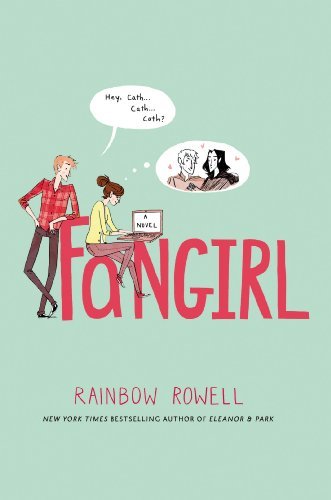
fangirlFor my contributions for the column, I excluded YA books because many of us on staff – including, of course – the YA librarian – read and love YA, and I figured the books I would write about (Every Day by David Levithan, Eleanor & Park and Fangirl by Rainbow Rowell, Wonder by R.J. Palacio, The Raven Boys and The Dream Thieves by Maggie Stiefvater, Code Name Verity by Elizabeth Wein, and Just One Day by Gayle Forman) are the ones they would write about also.

I still couldn’t possibly narrow it down to fewer than five. Here’s what I wrote about my choices (below), and after those are the rest of the list.

Instructions for a Heatwave by Maggie O’Farrell
O’Farrell’s sixth novel is set in London during the legendary heatwave of 1976. Robert Riordan goes to get the paper one morning and disappears; his wife, Gretta, is frantic, and calls their three grown children home. Misunderstandings between siblings are resolved and buried secrets come to light, but the true genius of this book is how deeply the reader sees inside each character, while the characters lack that same insight into each other.

feverFever by Mary Beth Keane
I’m afraid this brilliantly imagined work of historical fiction did not receive the buzz it deserved. Keane brings Irish immigrant Mary Mallon, a.k.a. “Typhoid Mary,” to life in early 1900s New York, and creates a portrait of a woman whose calling was cooking, but whose cooking was lethal. For perhaps the first time, readers will have sympathy for Mary.

The Smartest Kids in the World by Amanda Ripley
Ripley follows three American exchange students through a year in Finland, Poland, and South Korea – all countries whose PISA scores have shot up over the past decade – to investigate how these countries have improved their education systems and whether the United States can adopt a new approach successfully. The writing is lively and clear, the research is solid, the results are not tremendously surprising – it comes down to teachers and rigor.

lifeafterlife_atkinson

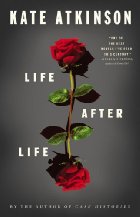
Life After Life by Kate Atkinson
Life After Life is like the movie Sliding Doors, but with more doors; protagonist Ursula Todd tries them all, dying and being reborn into her same life again and again. Born in England in 1910, Ursula lives through (or doesn’t) World War I, the Spanish flu, World War II and the Blitz. It’s historical fiction, time travel, and philosophical what-if all rolled into one masterful book.

The Impossible Lives of Greta Wells by Andrew Sean Greer
“The impossible happens once to each of us,” the story begins. Greta in 1985 is grieving: her twin brother is dead of AIDS and her lover has left her. But then Greta wakes up in 1918, and then in 1941. In each time, she is herself, in the same apartment, with the same friends and family, but their relationships are different. As Greta cycles through three selves – in 1918, 1941, and 1985 – she eventually realizes she must decide whether to return to her present, or stay in the past. Toward the end of this beautiful book, she concludes, “What is a perfect world except for one that needs you?”

happymarriage

Other nonfiction favorites:
Lean In by Sheryl Sandberg
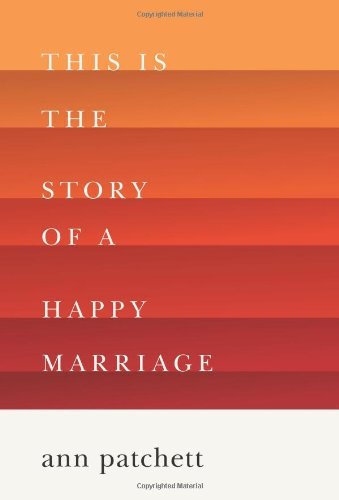
This is the Story of a Happy Marriage by Ann Patchett (essays)
I Don’t Know by Leah Hager Cohen
The Reason I Jump by Naoki Higashida, translated by KA Yoshida and David Mitchell
Just My Type: A Book About Fonts by Simon Garfield
Dear Friend: Rainer Maria Rilke and Paula Modersohn-Becker by Eric Torgersen (1998)

oceanattheendofthelane

Other fiction favorites:
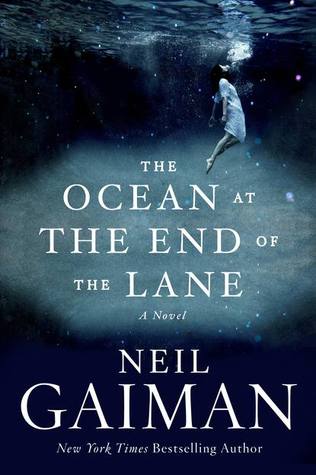
The Ocean at the End of the Lane by Neil Gaiman
Sisterland by Curtis Sittenfeld
Me Before You by Jojo Moyes
The Aviator’s Wife by Melanie Benjamin
Z: A Novel of Zelda Fitzgerald by Therese Anne Fowler
The Vanishing Act of Esme Lennox and The Hand That First Held Mine by Maggie O’Farrell
Astray by Emma Donoghue (short stories)

gogiants

Poetry:
Go Giants by Nick Laird
Aimless Love by Billy Collins
Dog Songs by Mary Oliver

Here are last year’s favorites.

The title of this post is a line from Tom Stoppard’s play Rosencrantz and Guildenstern Are Dead.

David Levithan and Rainbow Rowell at Brookline Booksmith

The Monday before Thanksgiving, I trekked across the river to Brookline to see David LevithanRainbow Rowell, Bill Konigsburg, and Paul Rudnick at the Booksmith. Each author read from one of their books: Rudnick read from Gorgeous, Konigsburg from Openly Straight, Rowell and Levithan from Fangirl (hers) and Two Boys Kissing (his). This might be the first time I’ve seen a pair of authors do a joint reading like this – Levithan made a very funny Levi – and they seemed like they were really having fun (though maybe YA authors just have more fun, in general).

DSC06152

After the readings, they opened up Q&A right away. Here are some snippets:

Levithan, on the 10th anniversary of Boy Meets Boy: “Boy Meets Boy was about creating reality. With Two Boys Kissing I wanted to write something that reflected reality.”

On a reaction to Rowell’s decision to write a novel about college-age characters: “‘College students don’t read.’ I know, be offended, write a letter! ‘Nobody wants to read about college students.’ But I don’t think of writing for one specific audience.” And, she added, readers often want to read about characters a little bit older than themselves (e.g. high school students would be interested in reading about college students).

On the extra pressure Levithan felt for his novel Love is the Higher Law: “You write a bad book, that’s okay. You write a bad book about 9/11, that’s bad.”

Levithan, on writing the character A in Every Day: It was less difficult than he expected; “[When you] take gender out of the equation, sexual orientation doesn’t exist.”

Rowell, on humor in writing: “Funny is subjective.” If a joke she wrote made her laugh, she fought to keep it in the manuscript, even if her agent or editor wasn’t sure about it.

Rowell, on why she chose the physical appearances for Eleanor and Park that she did (chubby and red-headed, and half-Korean, respectively): “You make the decision and you don’t always know where it came from, but it comes from somewhere.” And on attractiveness and attraction: “Attraction happens between two people. That’s it. Two people become attractive to each other.”

Levithan, on making stuff up: “If you’re a writer you make up everything. You’re always being presumptuous.”

On Rowell’s jealousy of the Harry Potter/Internet generation: “Fanfic writers have different rules than published authors.”

Rowell, on writing: “The more you do it, the better you get.”

Levithan, on writing: It’s like the cello. No one expects you to pick up a cello and play a concerto your second time playing. It’s like a muscle you have to develop and strengthen with practice. “Allow yourself to fuck up a lot…Don’t put an expiration date [on your writing], just keep going.”

Someone asked, “What happens when The Lover’s Dictionary Twitter account (@loversdiction) reaches the letter Z?” Levithan said he’s going to wait and see how Sue Grafton (A is for Alibi) handles it, because she’s going to get to the end of the alphabet first. The Twitter account, which he started as a promotion for the book’s release, is now longer than the actual book. He’s currently on the letter G (“Good, adj.: You should choose this so much that it no longer feels like a choice”), and expects to be done in a decade or so. (On losing track of time: “Isn’t 2013 like twelve years from now? No, it’s not.”)

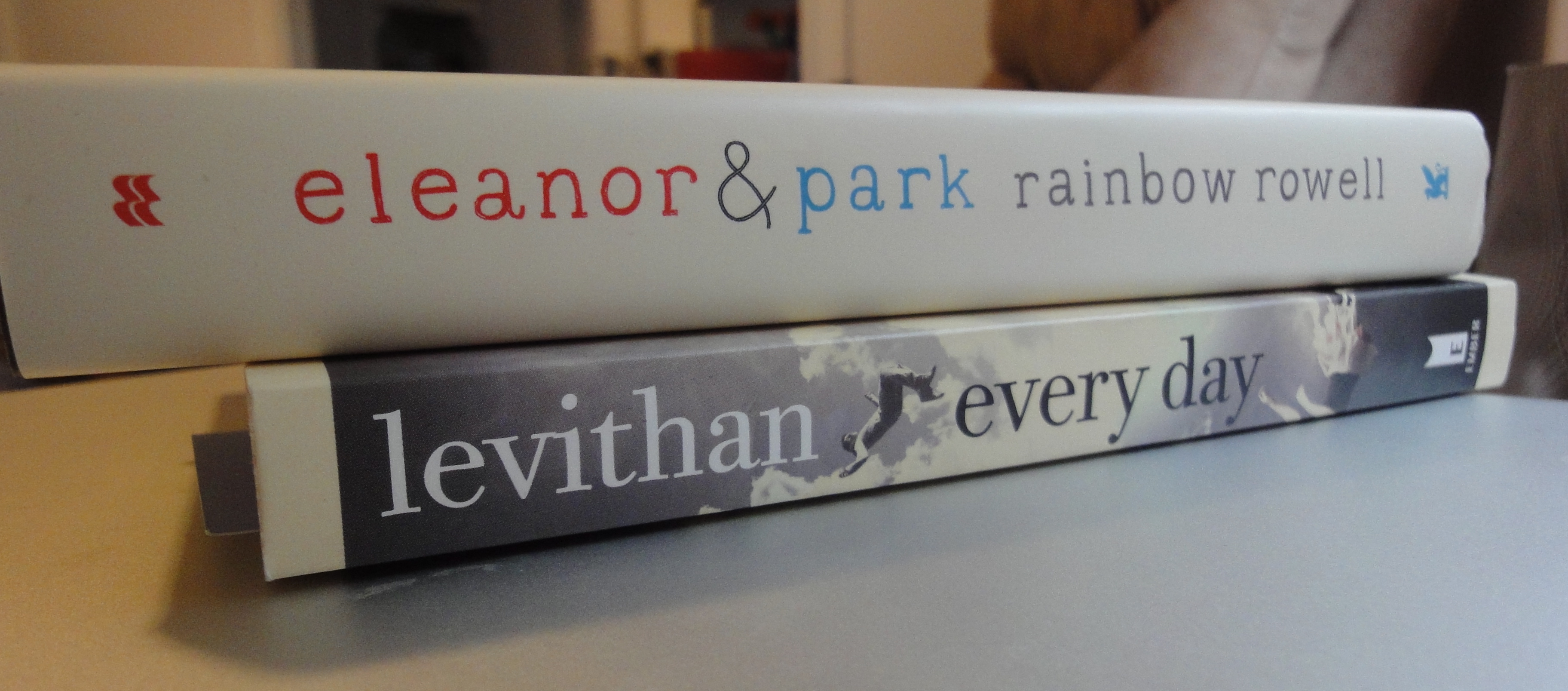
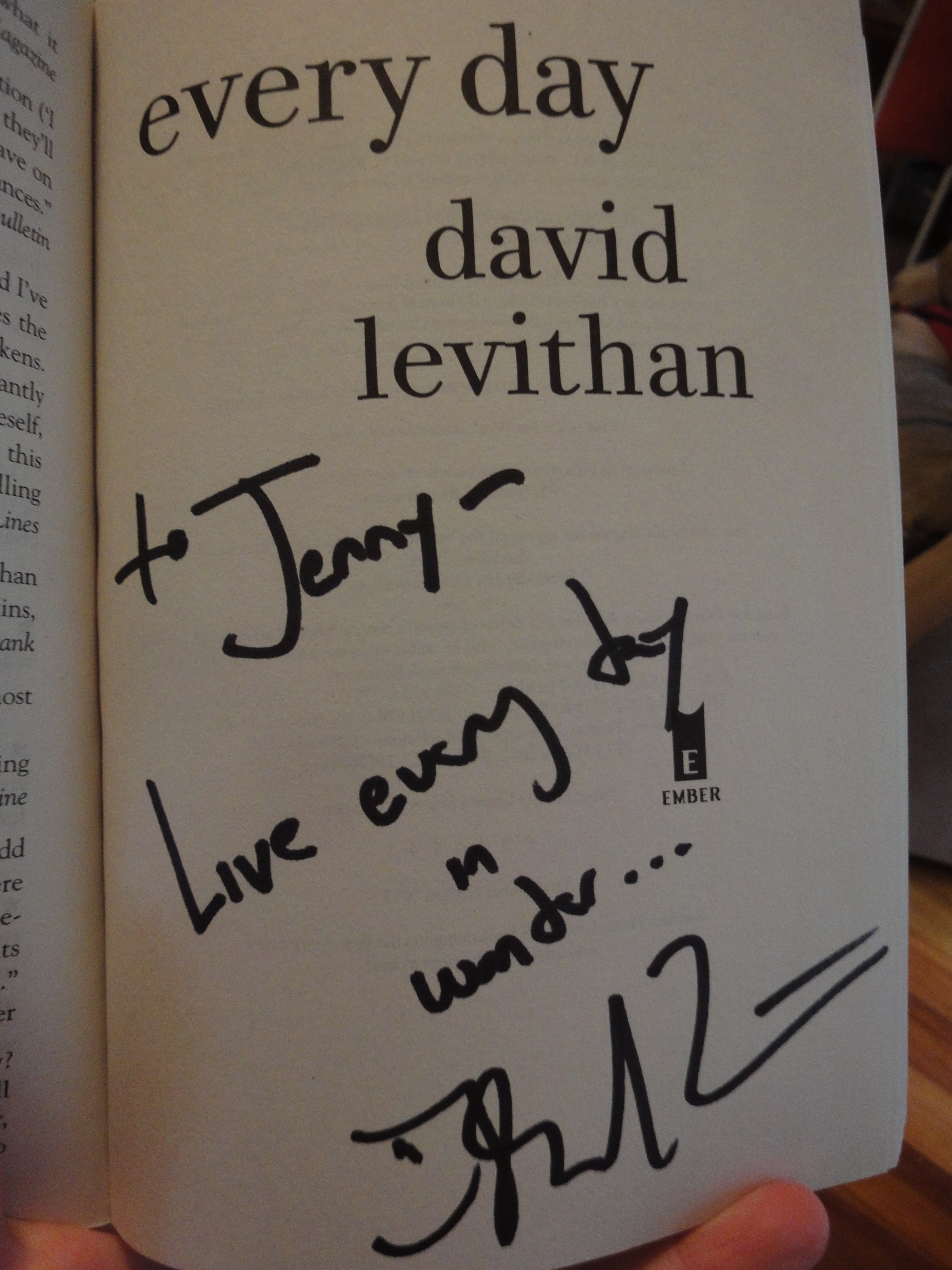
After the Q&A, the authors signed copies of their books. Here’s my new paperback copy of Every Day:

DSC06155


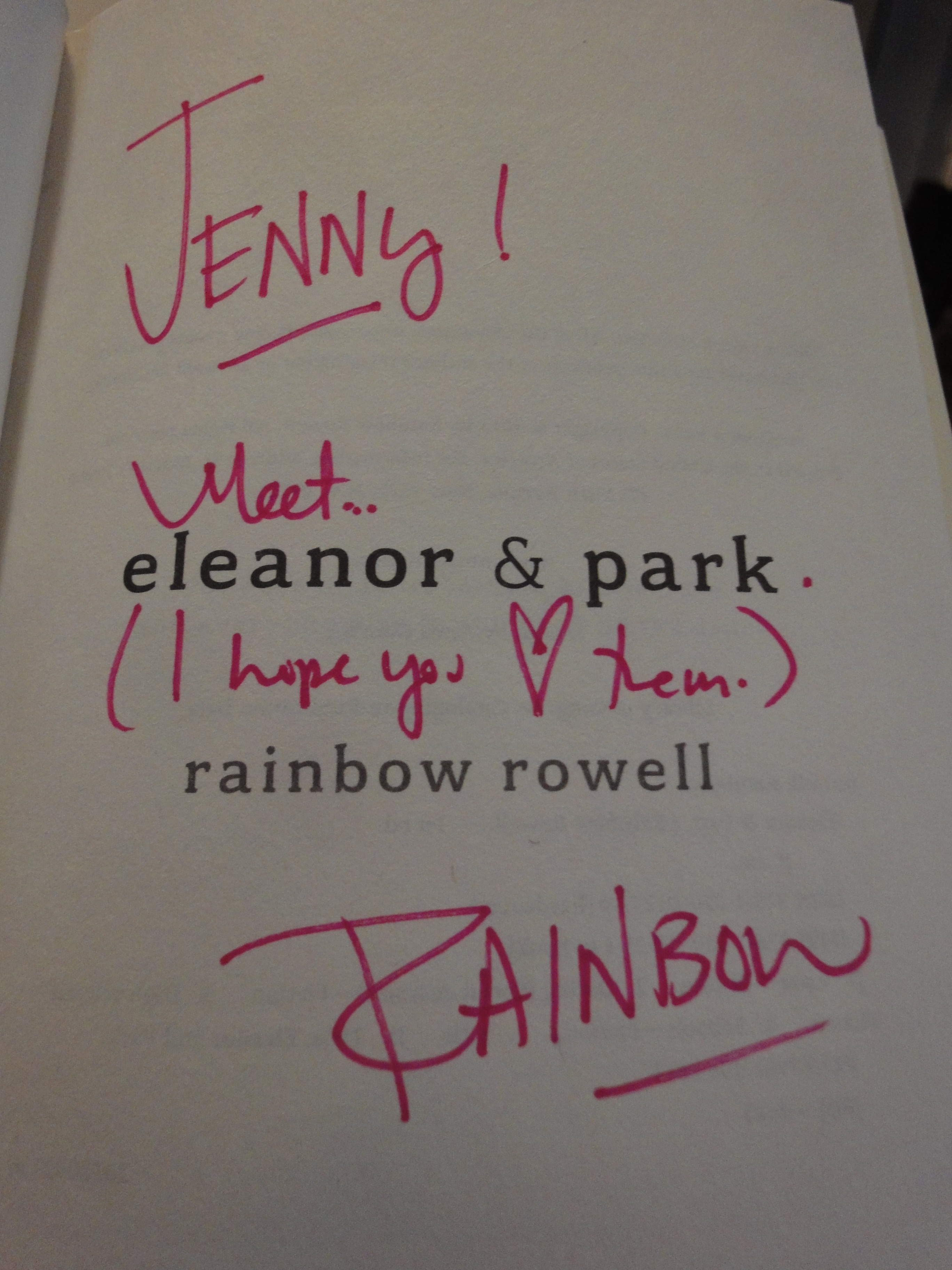
And here’s my new hardcover of Eleanor & Park. The first time I “read” it was the audiobook – and Rebecca Lowman is superb – but I’m looking forward to reading it again in print.

DSC06154


Of course, I already do love them.

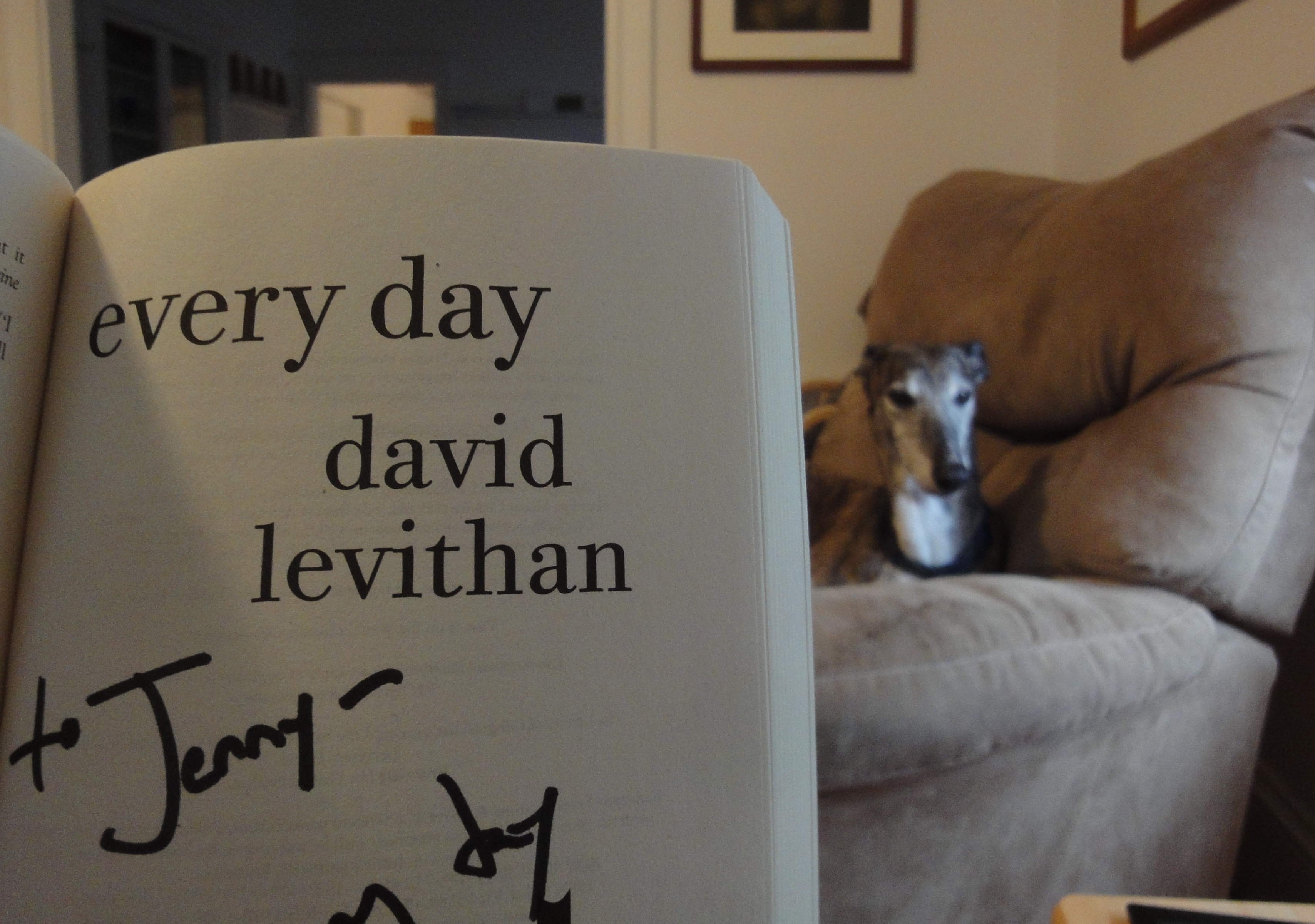
The dog, however, is less impressed. Here she is in the background of the title page of Every Day:

DSC06156

She’d be more impressed if she could read, though. (Or if paper tasted more like chicken. But I’m very glad it doesn’t, or none of the books in my house would be safe.)

Anyway…YA books! Read them! Especially these ones.


Recaptains to the rescue

allegiantAllegiant, Veronica Roth’s third and final installment of the trilogy that began with Divergent, has finally hit the shelves (and promptly been snatched up by eager readers). I’m still waiting for a library copy, but in the meantime I needed to refresh my memory of the first two books. I’m in the habit of writing reviews of nearly everything I read, and indeed I wrote about Divergent and Insurgent, but with series there are always details that fade, and I try not to give away the ending in my reviews. However, I also don’t want to re-read all the preceding books in a series every time a new one comes out, so what to do? (Hannah Gomez at The Hub has one solution, but I don’t have the willpower for that.)

Recaptains to the rescue! I forget where I originally heard about the Recaptains. (If it was you who told me about them, please let me know. I have a feeling it may have been via Maggie Stiefvater, who wrote the recap for her own book, The Raven Boys.) The Recaptains, as the name suggests, write recaps – not reviews – of series books, including spoilers to help those who read the first book(s) but want a refresher before starting the next in the series.

If you, too, are waiting for a copy of Allegiant, here are the recaps of Divergent and InsurgentThey aren’t perfect, but they serve their purpose. And if you’ve read them both but still aren’t sure about continuing on with the final book, the FYA review of Allegiant is pretty safe (no major spoilers).

Alba, Continued

For those who do not know, The Time Traveler’s Wife is my favorite book. This is not hyperbole. I first read it approximately nine years ago, and I’ve never really stopped reading it. We have at least four print copies in the house: two U.S. editions, a limited edition with a cover by the author, and a U.K. edition (purchased during a semester abroad in Spain; I lasted about two months without a copy, then went to London and bought a new one at Paddington Station. First agenda item, before museums or anything).

I have also followed Audrey Niffenegger’s other work: her novel Her Fearful Symmetryher artist’s books and graphic novels, and recently her exhibit at the National Museum of Women in the Arts, “Awake in the Dream World.” 

TTW_zolaFor a long time, The Time Traveler’s Wife was not available as an e-book*, but recently it has become available from Zola Books, which sells platform-agnostic DRM-free e-books that work on all devices. (That bears repeating: platform-agnostic DRM-free e-books that work on all devices. How marvelous.) So of course I bought the e-book. I probably would have anyway, but I was (am) especially excited because this version had a new author’s note, and – and – a snippet of the sequel. Tucked at the end, after the permissions, are 18 (Zola says 25, but I counted, it’s 18) beautiful, magical, perfect pages – “Alba, Continued.”

*Here is Audrey in an interview with UR Chicago on the subject of e-books:

“…E-book feels like a misnomer. There’s nothing booky about it. It’s like when Gutenberg invented the printing press….What he was doing was imitating, as best he could, the handwritten word. Every time you get a new technology, it tries to kind of impersonate the old technology until everybody calms down, and then it can go ahead and progress and be whatever it is going to be. That’s the stage I’m waiting for, because I’m getting kind of grumpy with this thing that is trying to impersonate a book.”

But back to “Alba, Continued.” This is very much like, if you happen to be a Narnia fan, someone casually opening the door to the wardrobe and inviting you to step on in. Or if you are a Harry Potter fan, receiving a letter from Hogwarts (never mind that you aren’t eleven years old anymore). Or if you are a Philip Pullman fan, and you come across a window into Lyra’s Oxford. If all three of those things happened to me simultaneously, I could not be more excited.

Part of the excitement comes from surprise; unlike Narnia, Hogwarts, and Lyra’s Oxford, Henry and Clare’s Chicago was never part of a series; I never expected there to be any more of it. For years after the publication of TTW, the author said she was done writing about Clare and Henry and Alba. In an interview with Dear Author, she said,

“I wasn’t planning to write a sequel so this is still new to me. Joe Regal of Zola Books asked me if I had any Time Traveler’s Wife material that hadn’t been published; he was looking for something to publish with the e-book of TTW as an extra. I had nothing that would have made any sense to a reader, just notes and revisions. So I promised to write something new.

It was a funny experience, writing about Alba. I have always made a point of not imagining the lives of Clare and Alba and the other characters beyond the scope of the book, but when I tried to think about them many things came flooding in, as though I knew them already. The imagination is a strange thing, it often works best when you don’t watch it too closely.”

And so the wardrobe, when you least expect it, opens.

The Queen of Dinner Parties: in which I discover The Yale Book of Quotations

yalebookquotationsThe Library Link of the Day for September 30…you know, I’m having trouble even putting into words how delighted I was to read it (“Who Really Said That?” by Corey Robin in The Chronicle of Higher Education) and to find, as a direct result, The Yale Book of Quotations on the library shelf. I have always collected quotes – from books, from songs, from anywhere really. I am a magpie, and quotes are my shiny objects.

How, then, did I not discover The Yale Book of Quotations previously? I do not know. But needless to say that when I did find it, browsing through it was a purely joyful experience. (Book nerd. Yes. That has been established.) At last, I could find out whether Oscar Wilde’s last words really were “Either that wallpaper goes, or I do.” (Close enough: “Decidedly one of us will have to go.”) I could verify the wording of Clarke’s Third Law (“Any sufficiently advanced technology is indistinguishable from magic”) and discover that he also said, “How inappropriate to call this planet Earth when it is clearly Ocean” (1990).

I could be indignant that the lyrics of Eminem’s “My Name Is” and “The Way I Am” were included nearly in full, but there was only one quote from The Princess Bride (“Life is pain…anybody that says different is selling something”). Incidentally, you’d have to know that William Goldman wrote the book (and the screenplay) to find the Princess Bride quote, because the contents are organized alphabetically by author last name. (Would anyone look under Morgenstern, I wonder?)

For anyone who believes, as I do, that correct wording is important, and correct attribution is equally important, The Yale Book of Quotations is a goldmine. (“Oh, you’re going to be the queen of dinner parties,” my husband said when I bombarded him with my new discovery. “You won’t be able to take me anywhere,” I agreed.) With over 12,000 quotes in 851 pages (plus a keyword index that brings the total page count to 1067), this is one of those times when a book might just be better than the internet. Here are a few of its many gems:

“Mother told me a couple of years ago, ‘Sweetheart, settle down and marry a rich man.’ I said, ‘Mom, I am a rich man.'” -Cher, 1995

“When Tolstoy wrote that all happy families are alike, what he meant was that there are no happy families.” -Susan Cheever, 1991

“What America does best is to understand itself. What it does worst is to understand others.” -Carlos Fuentes, 1986

“Diplomacy is to do and say / the nastiest thing in the nicest way.” -Isaac Goldberg, 1927

“Gentlemen, include me out.” -Samuel Goldwyn, 1933

“You lose more of yourself than you redeem
Doing the decent thing.” -Seamus Heaney, 1984

[J. Cheever Loophole, played by Groucho Marx, speaking:] “I bet your father spent the first year of your life throwing rocks at the stork.” –At the Circus (motion picture) (1939) Screenplay by Irving Brecher.

[Responding to a fan’s request that he autograph a school chemistry book:] “Sure thing, man. I used to be a laboratory myself once.” -Keith Richards, 1994

[On looting after the fall of Baghdad:] “Stuff happens!” -Donald Rumsfeld, 2003

“A rattlesnake that doesn’t bite teaches you nothing” -Jessamyn West, 1979

“I myself have never been able to find out precisely what Feminism is: I only know that people call me a Feminist whenever I express sentiments that differentiate me from a doormat or a prostitute.” -Rebecca West, 1913

“It was in dealing with the early feminist that the Government acquired the tact and skillfulness with which it is now handling Ireland.” -Rebecca West, 1916

[Mother:] It’s broccoli, dear.
[Child:] I say it’s spinach, and I say the hell with it.
-E.B. White, New Yorker cartoon caption, 1928

“Our deepest fear is not that we are inadequate. Our deepest fear is that we are powerful beyond measure. It is our light, not our darkness, that most frightens us.” -Marianne Williamson, 1992 (frequently misattributed to Nelson Mandela)

I also wrote about this article and book on the Robbins Library blog.

Fall Titles: The Signature of All Things, The Lowland

This fall should be a good one for publishers and readers alike. Many beloved authors are coming out with new titles in September, October, and November, including Margaret Atwood (MaddAddam), Stephen King (Doctor Sleep), Amy Tan (The Valley of Amazement), and several others. I was lucky enough to read advance copies of two of these anticipated titles: The Lowland by Jhumpa Lahiri, and The Signature of All Things by Elizabeth Gilbert.

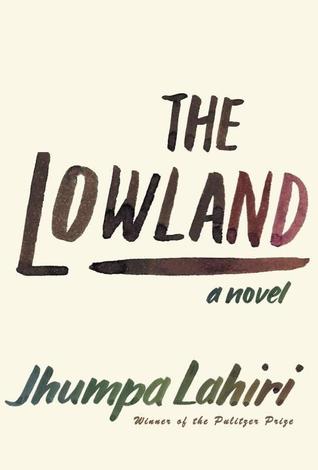
lowland First, and most eagerly awaited, The Lowland: a friend of mine who attended ALA in Chicago snagged a galley and generously let me borrow it. Lahiri (Interpreter of Maladies, The Namesake, Unaccustomed Earth) treads familiar ground with a story of an Indian family, some of whom move to the American Northeast, and some of whom stay behind in India.

Those who read the fiction section of The New Yorker may recognize the first several pages of The Lowland, in slightly altered form; it was published as “Brotherly Love” in the June 10 issue earlier this year. The brothers are Subhash and Udayan: the elder is cautious, the younger is reckless (“[Subash’s] parents did not have to worry about him and yet they did not favor him. It became his mission to obey them, given that it wasn’t possible to surprise or impress them. That was what Udayan did”).

Though the brothers grow up side by side, their paths diverge, with Udayan becoming involved in a dangerous political movement – the drastic consequences of which echo for decades after Udayan’s death and Subhash’s marriage to his brother’s widow, Gauri.

The narration is a close third person, shifting perspectives every so often, from Subhash, to Gauri, to their daughter Bela, to the brothers’ mother Bijoli, and finally to Udayan. Lahiri creates intensely believable characters in the Mitra family, and she covers a significant time span with her spare, beautiful prose.

The Lowland has been shortlisted for both the National Book Award and the Man Booker Prize.

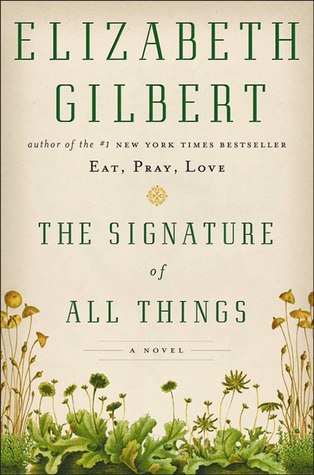
signatureofallthingsThe Signature of All Things by Elizabeth Gilbert (Stern Men; Eat, Pray, Love; Committed) covers an even greater span of time, at a much more leisurely pace. For once, I could not agree more with the Publishers Weekly review, which is a marvel of conciseness. This thoroughly researched story begins with Henry Whittaker, a scrappy young thief whose father works at Kew Gardens. Henry eventually becomes one of the wealthiest men in Philadelphia, and his daughter, Alma, grows up on the family estate, White Acre.

Alma is given all the advantages Henry did not have, especially education; but, because she is plain (especially compared to her beautiful adopted sister, Prudence), she must resign herself to spinsterhood while Prudence and their mutual friend, Retta, both marry.

Alma devotes her time to business – after her mother Beatrix’s death, she is Henry’s right hand – and the study of mosses. Her life continues in this quiet, circumscribed, but more or less satisfying manner until the arrival of Ambrose Pike, an orchid artist. For the second time in her life, Alma falls in love, and she and Ambrose marry, but the marriage is not what either of them expected, and Ambrose leaves White Acre.

Soon afterward, the inimitable Henry Whittaker dies, and Alma decides, finally, to leave White Acre and travel. She follows Ambrose’s path to Tahiti, and after a few years there, makes her way to her mother’s homeland of Holland.

Gilbert incorporates her research into the story in a way that is natural, not distracting – a harder task than it appears. From beginning to end, she maintains control over the story and the characters; I was aware of the narrator’s voice and presence throughout the time I was reading. Perhaps this slight distance was the reason I did not feel the full emotional impact of admittedly dramatic events throughout Alma’s life. Still, this is a unique book, and an especially great choice for those who are interested in botany, science, history, or travel.

The Design of Everyday Things by Donald A. Norman

“Good design is actually a lot harder to notice than poor design, in part because good designs fit our needs so well that the design is invisible, serving us without drawing attention to itself. Bad design, on the other hand, screams out its inadequacies, making itself very noticeable.”

designofeverydaythings
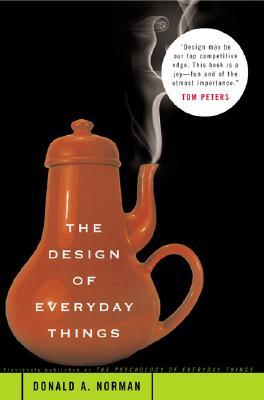
The above quote is from the preface to the new edition of The Design of Everyday Things, which will be published in November (the preface is already available). If I’d known a new edition was coming so soon, I might’ve waited a few months, but as it is, the 1988 edition holds up fairly well. The examples are outdated, but the principles remain sound, and Norman even predicted certain technological advances (the smartphone, for example).

Norman’s principles of design truly do apply to everything that people make and use, from the simple (doors) to the advanced (computers). Though technology has improved since 1988 (now, of course, computers are everyday things), some of the same design flaws persist, and Norman’s decades-old observation still holds true to some extent: “[D]esigners of computer systems seem particularly oblivious to the needs of users…” Designers, who know their products well, often fall into the trap of thinking that they are the typical user, when in fact, they usually cannot predict the type of errors that users will commit.

So, what are these principles?

Visibility: Is it clear from examining the object in question how it can be used, or what should be done with it? For example, is the on/off switch in the front, or hidden around the back? I thought of an example of poor visibility right away: at our library, we have a coin box where patrons pay for their print jobs. This box is designed so that coins go in a slot at the top. The machine also accepts $1 and $5 bills, but the slot for the dollar bills is placed on the front of the box but very far down, near the floor. Patrons frequently come to the desk to get change for a bill, and we show them that the machine does in fact accept bills. A lot of them apologize for bothering us and blame themselves for not seeing the bill slot, but really, it is a bad design: the bill and coin slots should be grouped together.

Natural mapping: Essentially, does the way a thing works make sense? A joystick or a mouse employs natural mapping: forward=up, backward=down, left=left, right=right. Likewise a steering wheel in a car: turn right to move right, and left to move left. The opposite would be counterintuitive, confusing, and frustrating, and would lead to frequent error.

Conceptual model: Norman writes about three aspects of mental models: the design model, the system image, and the user’s model. The design model is the designer’s mental map of how their product works; the system image is what the product shows to the user; and the user’s model is a mental map of how they think the product works. In the preface to the 2002 edition, Norman writes, “Design is really an act of communication, which means having a deep understanding of the person with whom the designer is communicating.” Because the designer and the user don’t communicate directly, the user’s only insight into the designer’s mind is through the system image. Therefore, the designer must “explain” through the system image how the product works, and guide the user to perform the correct actions for the task they want to complete – not an easy feat. However, Norman writes, as a rule of thumb, “When instructions have to be pasted on something…it is badly designed.” Things work best when the designer and the user have similar conceptual models.

Feedback: Once the user has completed an action, how does s/he know whether it has worked or not? Humans generally are not comfortable with uncertainty, so a good design provides feedback to explain what is happening or has happened. “Design should…make sure that (1) the user can figure out what to do, and (2) the user can tell what is going on.” Feedback includes everything from progress bars (“Your download is 58% complete”) to descriptive error messages with helpful next steps.

Swash_ornament_zeimusu

While reading The Design of Everyday Things, Clarke’s Third Law came to mind: “Any sufficiently advanced technology is indistinguishable from magic” (Arthur C. Clarke). When processes become invisible, they come to seem magical and mysterious. The flip side is that “magic” is hard to take apart, fix, and put back together; cellphones aren’t like old radios. With much of today’s technology, it is difficult for users to tell what is happening, and, if something is going wrong, how to fix it. The Design of Everyday Things doesn’t necessarily help users who are frustrated with a product (except by assuring them that it likely isn’t their fault, but rather the fault of the design), but it does help us recognize bad design, think about how it could be better, and appreciate good design.

More quotes from the book can be found in my Goodreads review.