When I first started as the children’s librarian at the public library where I now work, I wasn’t sure if book clubs for kids would be popular, so they weren’t the first programs I added; that honor went to Lego – a slam dunk if there ever was one – and Comics Club, which is still going as Comics & Crafts.
 But then – I forget where, and I’m sorry because I’d love to give credit for this – I heard about a “My First Book Club” program at another library, and I decided to give it a try. We had our first meeting in July; I was thinking that people might have a bit more free time in the summer, and it could also help rising kindergarteners meet each other and get used to a semi-formal aducational environment if they hadn’t already been in a preschool program.
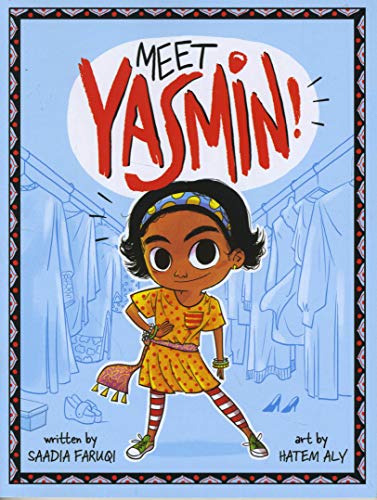
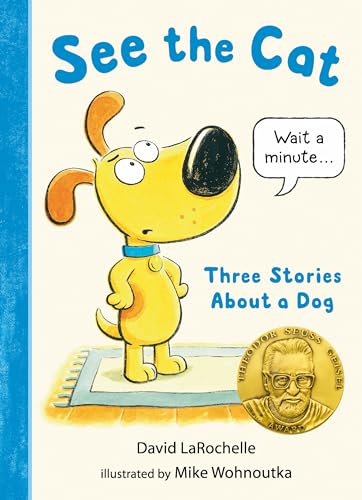 For “My First Book Club,” there is no need to read the book(s) ahead of time; I request enough copies for everyone to follow along as we read together. In July we read Meet Yasmin by Saadia Faruqi, illustrated by Hatem Ali, and the Geisel award-winning See the Cat: Three Stories About A Dog by David LaRochelle, illustrated by Mike Wohnoutka. I asked the kids to make some predictions, observations, and ask and answer questions about the story; then we decorated bookmarks with a flower pattern like Yasmin.
 Here’s the “I Heart Back Matter” part of this post: Back matter is the stuff you find at the end of the book, after the story. It’s more common in nonfiction (think glossary, sources, index), but a lot of picture books, early readers, and especially graphic novels also throw in a little bonus content: a recipe, an art project, step-by-step instructions for how to draw the main character. This is where I got the model for Yasmin’s flower-patterned bookmark. (More on back matter later.)
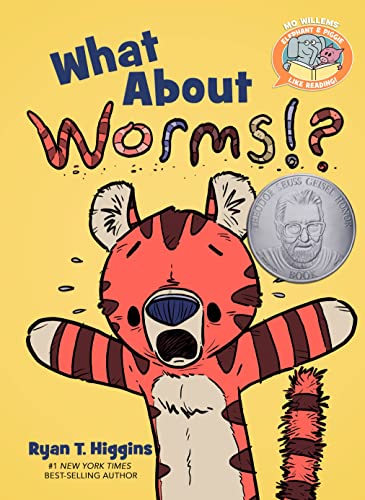
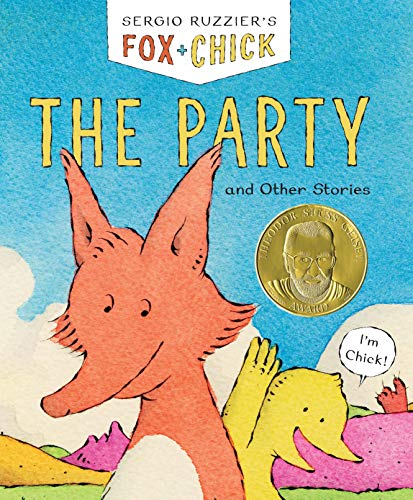 In August we read Fox and Chick: The Party and Other Stories by Sergio Ruzzier and What About Worms?! by Ryan T. Higgins, and colored some What About Worms?! coloring sheets provided by the publisher.
In September we read Flubby Is Not A Good Pet by J.E. Morris and Fox the Tiger by Corey R. Tabor, and made paper plate masks with crayons, markers, dot paints, feathers, and glue, to disguise ourselves like Fox. The craft drew in extra kids who hadn’t attended the book part of the program – the more, the merrier!
Now that a book club for younger kids was up and running, I figured I ought to have something for the eight- to eleven-year-old age group as well, and a Graphic Novel Book Club seemed like the best choice because graphic novels are so popular and accessible. (Graphic novels are a format, not a genre, so we can still have plenty of variety – realistic, historical, fantasy, sci-fi, mystery, nonfiction, memoir, etc.).
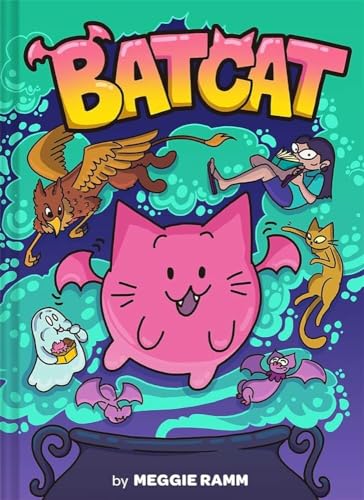
I decided to start us off with Batcat by Meggie Ramm, a short, funny book with a strong theme of being yourself (and that you can be more than one thing). I requested about ten copies of the book (plus a few copies of the sequel, Batcat: Sink or Swim) and kept them in a stack on my desk for people to borrow in the weeks leading up to our first book club meeting.
For the first meeting, we started off with introductions (name, pronouns, grade/school, and favorite ice cream flavor), then a discussion of the book with questions I prepared. I had also prepared some comics vocabulary on a whiteboard, but all these kids were already fluent readers of the format and knew what panels, speech balloons, thought bubbles, and emanata were, so we moved on to some drawing activities. Here again, I found helpful back matter – how to draw Batcat and Al the Ghost – and we looked at the endpapers as well, which showed a map of Spooky Isle. Kids could choose to try drawing the characters, create a map of a real or imagined place, or make an 8-page minicomic.
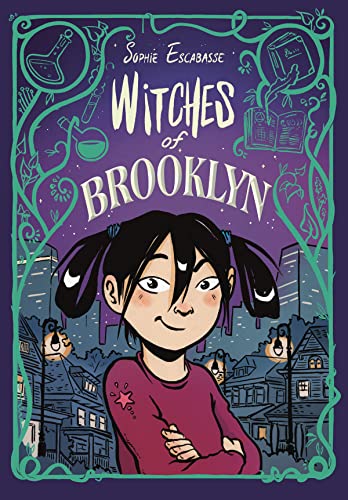 Finally, a perk of coming to the first meeting: the kids got to vote on what they wanted to read next. I pulled three books from our collection: Bedhead Ted, Things in the Basement, and Witches of Brooklyn. Witches of Brooklyn won the vote, so that will be October’s book!
Do you have a book club at your school or library? What are your favorite tips and tricks? What about favorite early readers or middle grade graphic novels?
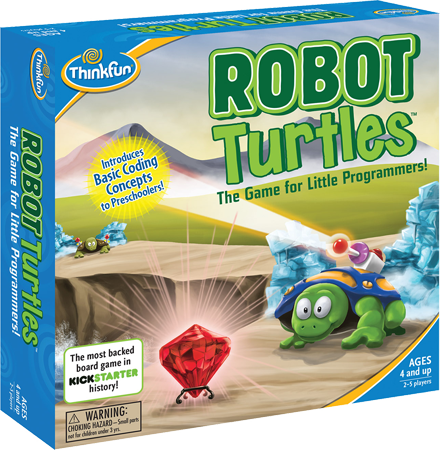 Three of the younger kids started with Robot Turtles, and the others began making codes for each other to decipher. I gave a basic explanation about how to use the Caesar cipher (or shift cipher), then helped the kids get Robot Turtles set up, then helped the ones who were having trouble figuring out the ciphers. (I think one thing that tripped them up initially was the letter-letter correspondence, rather than letter-number correspondence; the only number you need with this kind of cipher is the “shift,”; it’s not an A=1, B=2 kind of code.) But eventually, everyone figured it out, and then they could swap ciphered messages to decipher!
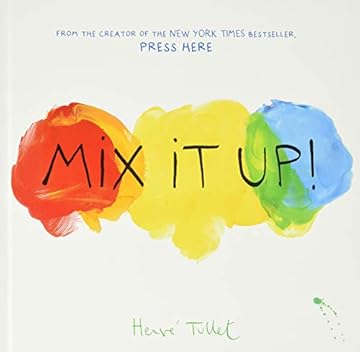 In the next few weeks, we’ll have a building challenge with blocks (we have both regular and life-size Jenga), a puzzle challenge (a 36-piece jigsaw with the picture showing, then upside down), penny boats, Snap Circuits, primary color painting (think Mix It Up!), and more. What STEAM activities do you like to do with kids?
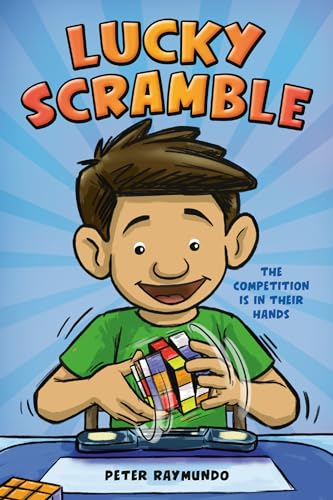 The kids’ graphic novel book club I started last fall is still going strong, with about 4-7 kids attending each month. This month we read Lucky Scramble by Peter Raymundo, about a kid named Tyler who goes to a Rubik’s cube competition. Our icebreaker question was “What’s your favorite kind of puzzle?” and a lot of the kids said “Rubik’s cube,” even though none of us could solve one. (I said word puzzles, like wordle, and it turns out all of the kids also do the NYT puzzles!)
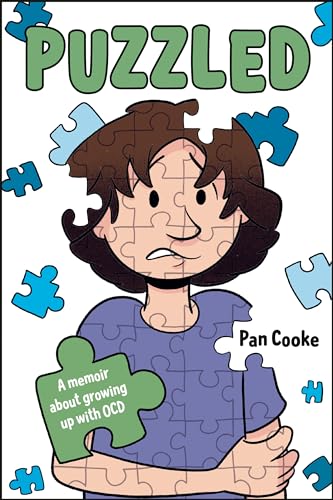 Last, the kids voted on which book to read next. The choices were Curveball by Pablo Cartaya, Pebble & Wren by Chris Hallbeck, and Puzzled by Pan Cooke. The first two got one vote each and Puzzled got two votes, so that will be our February book – but all three books got checked out. It was a good afternoon!
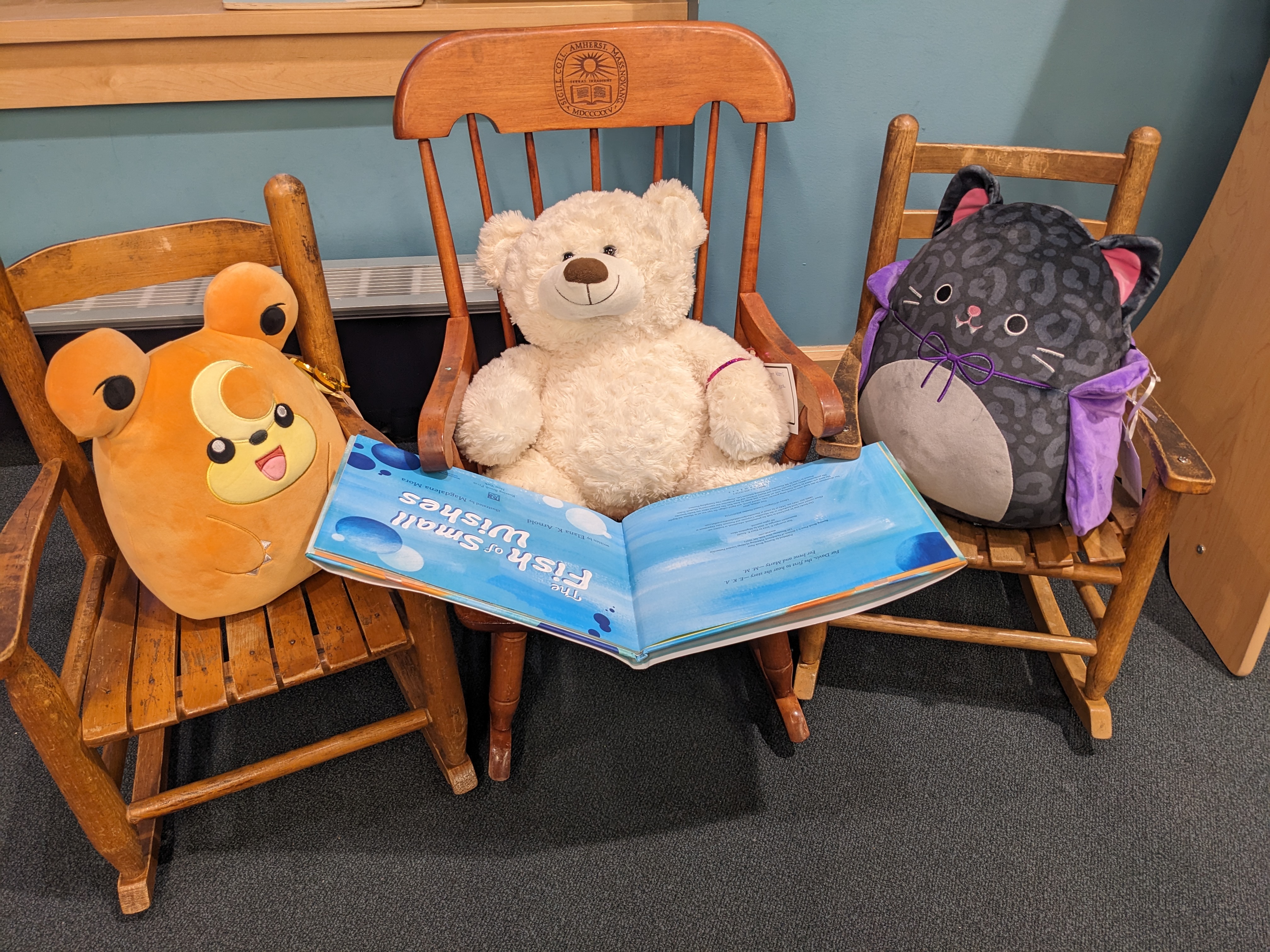
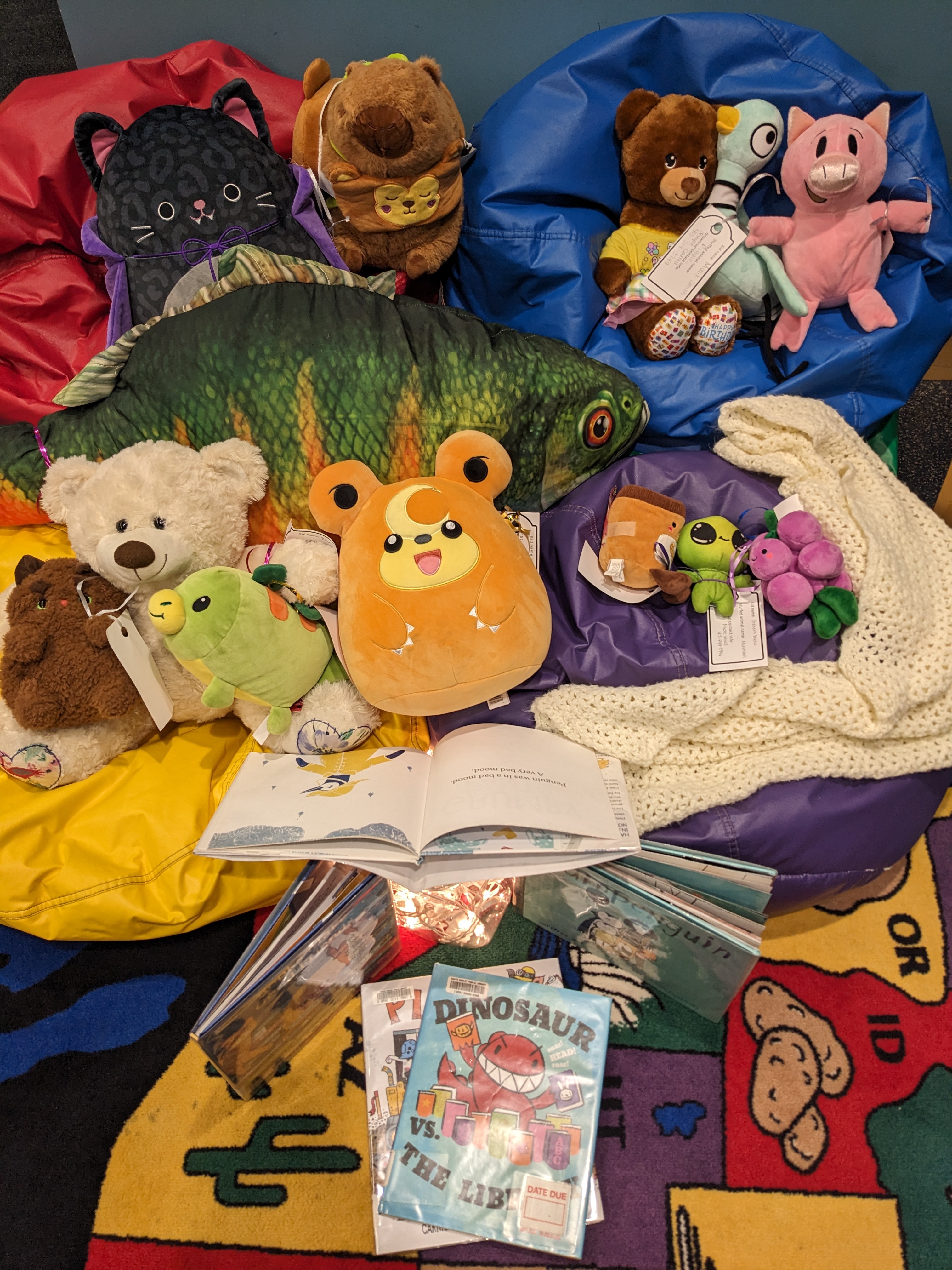
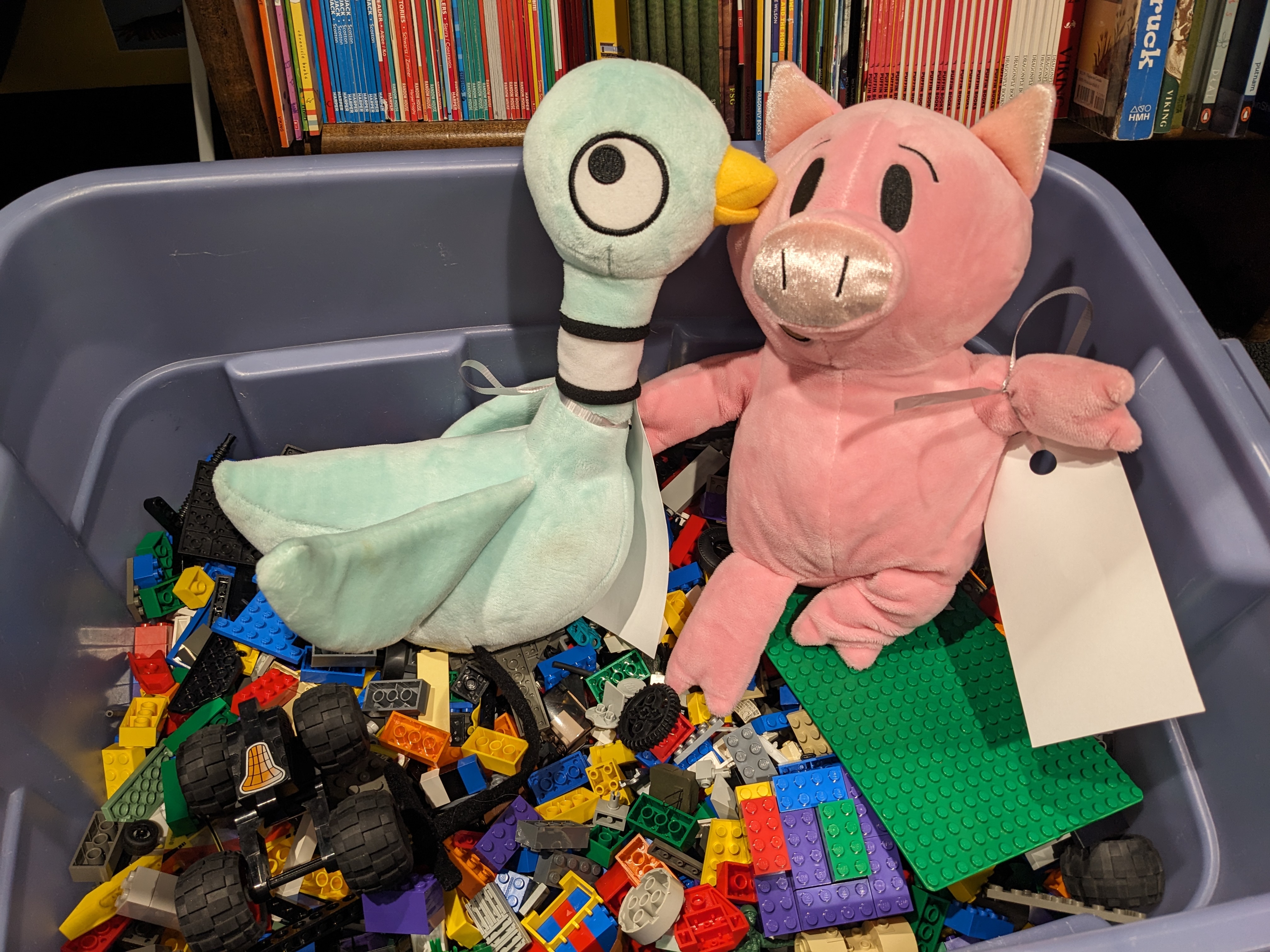
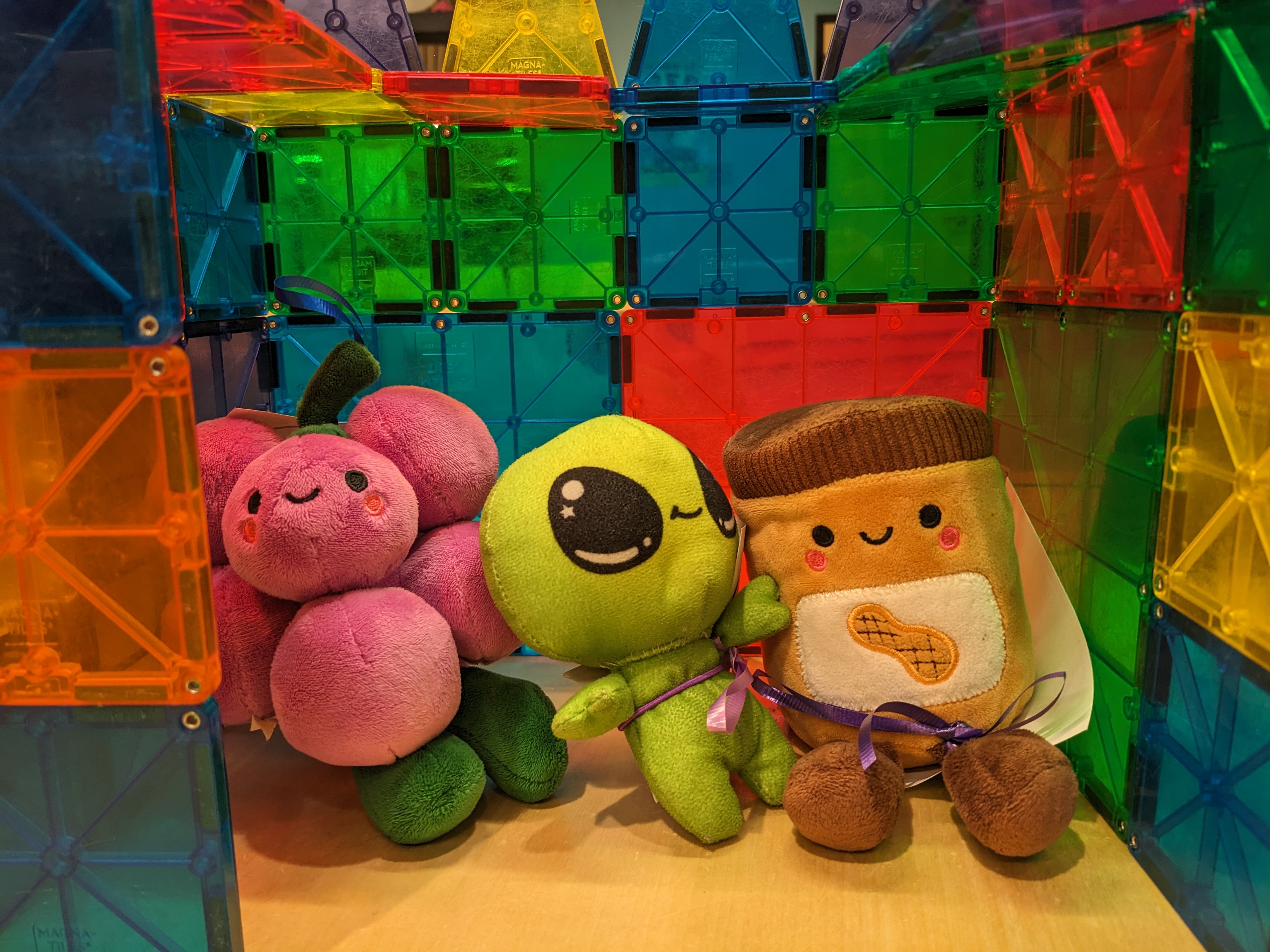
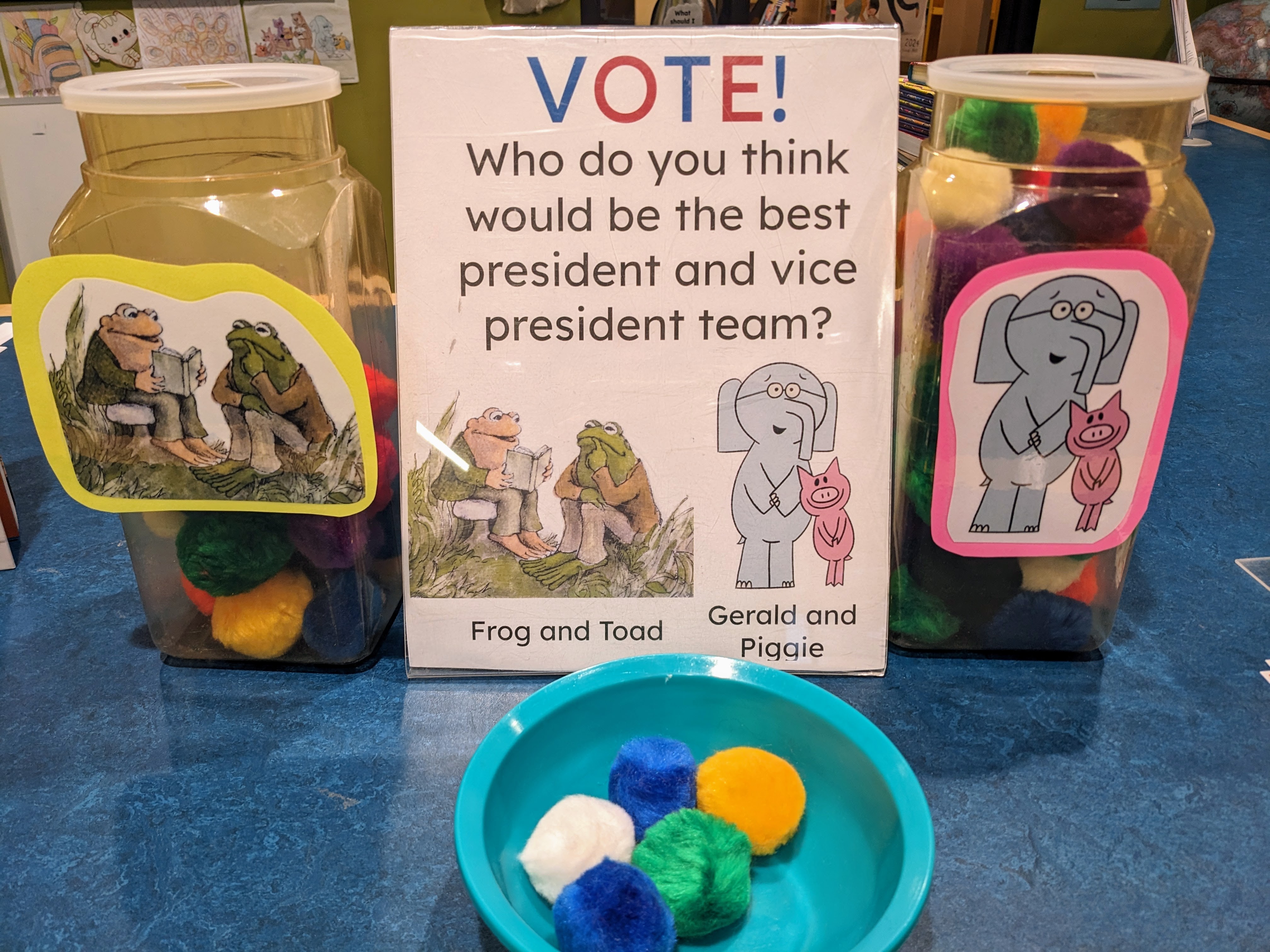
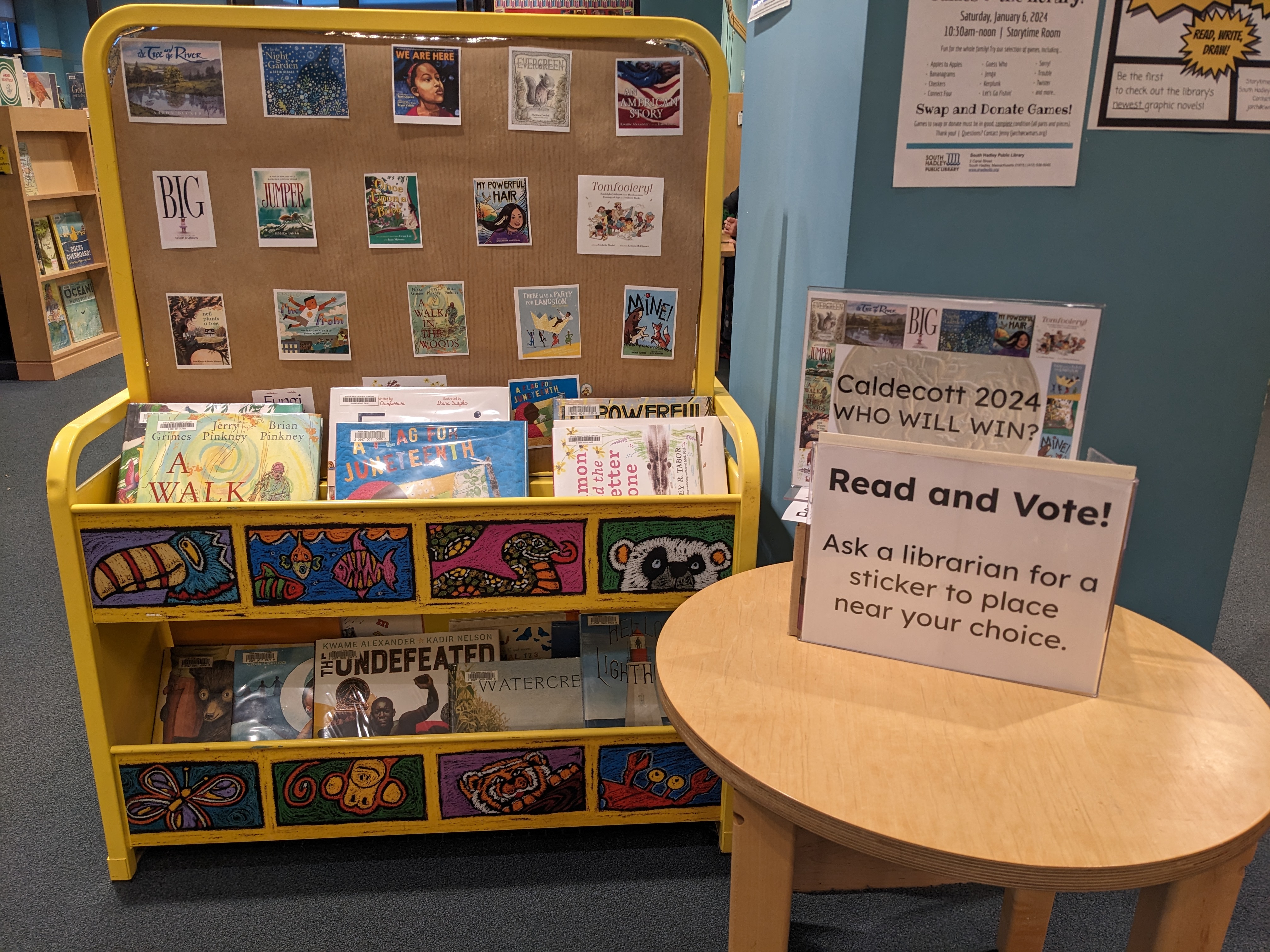
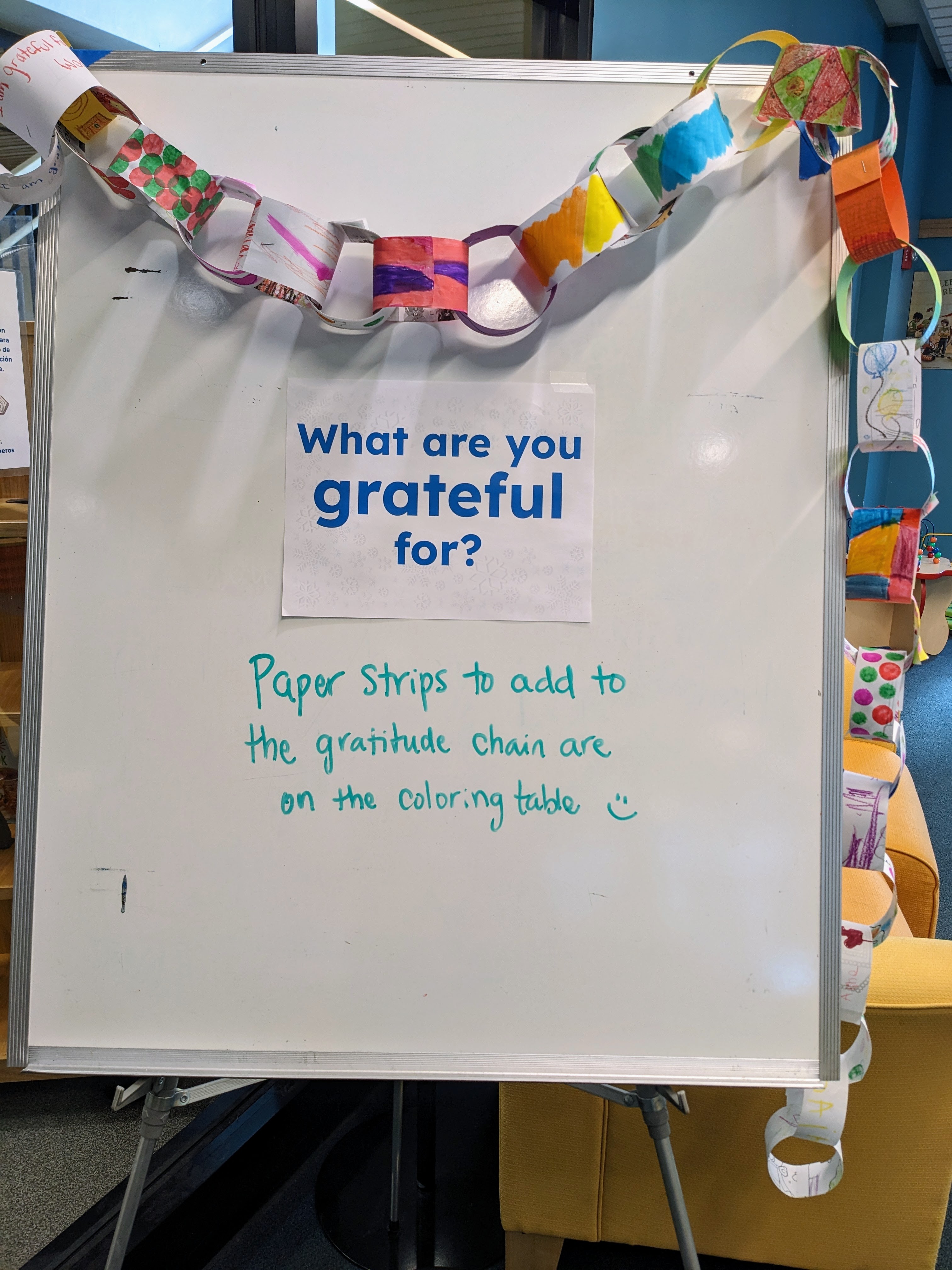
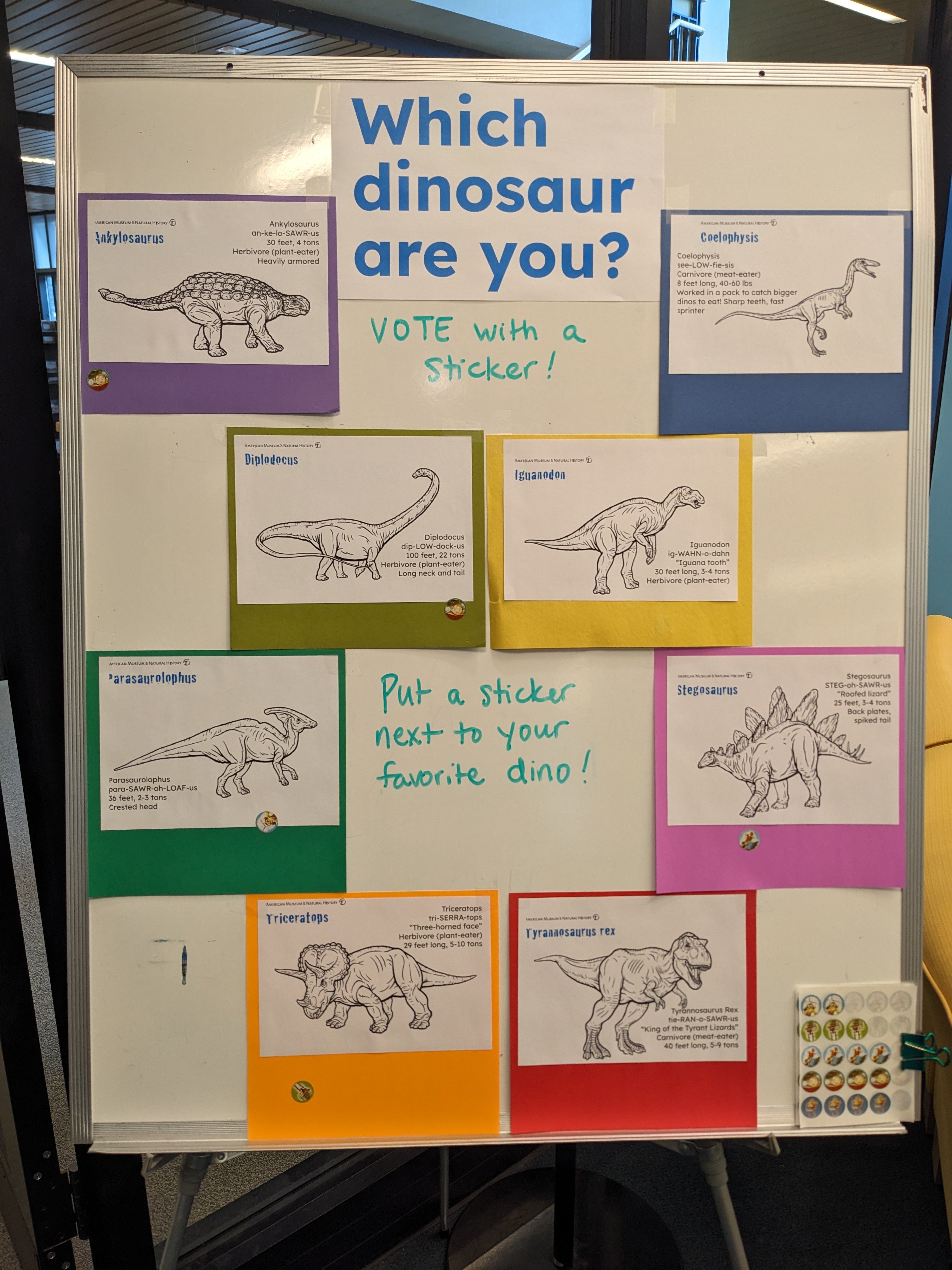
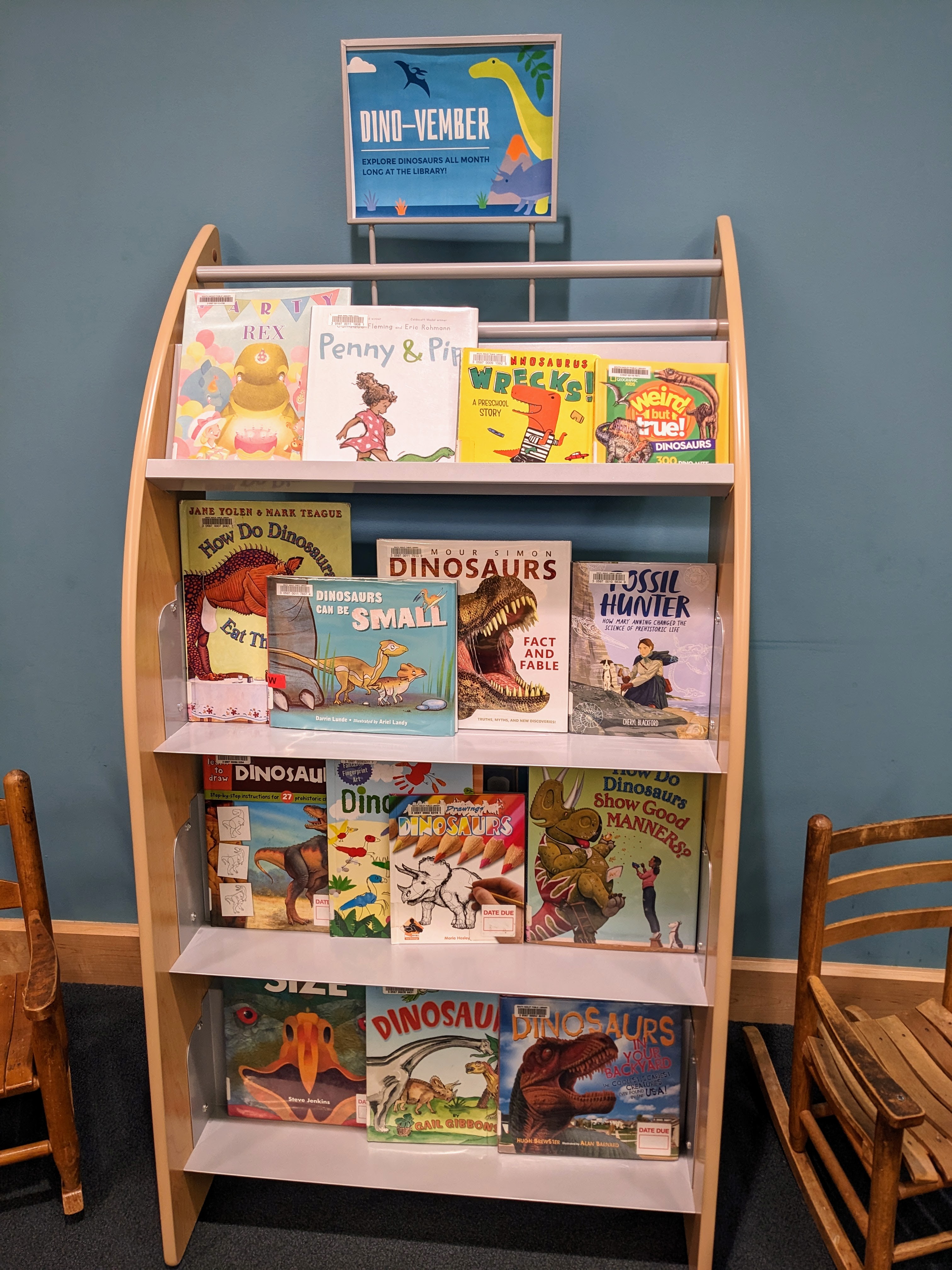
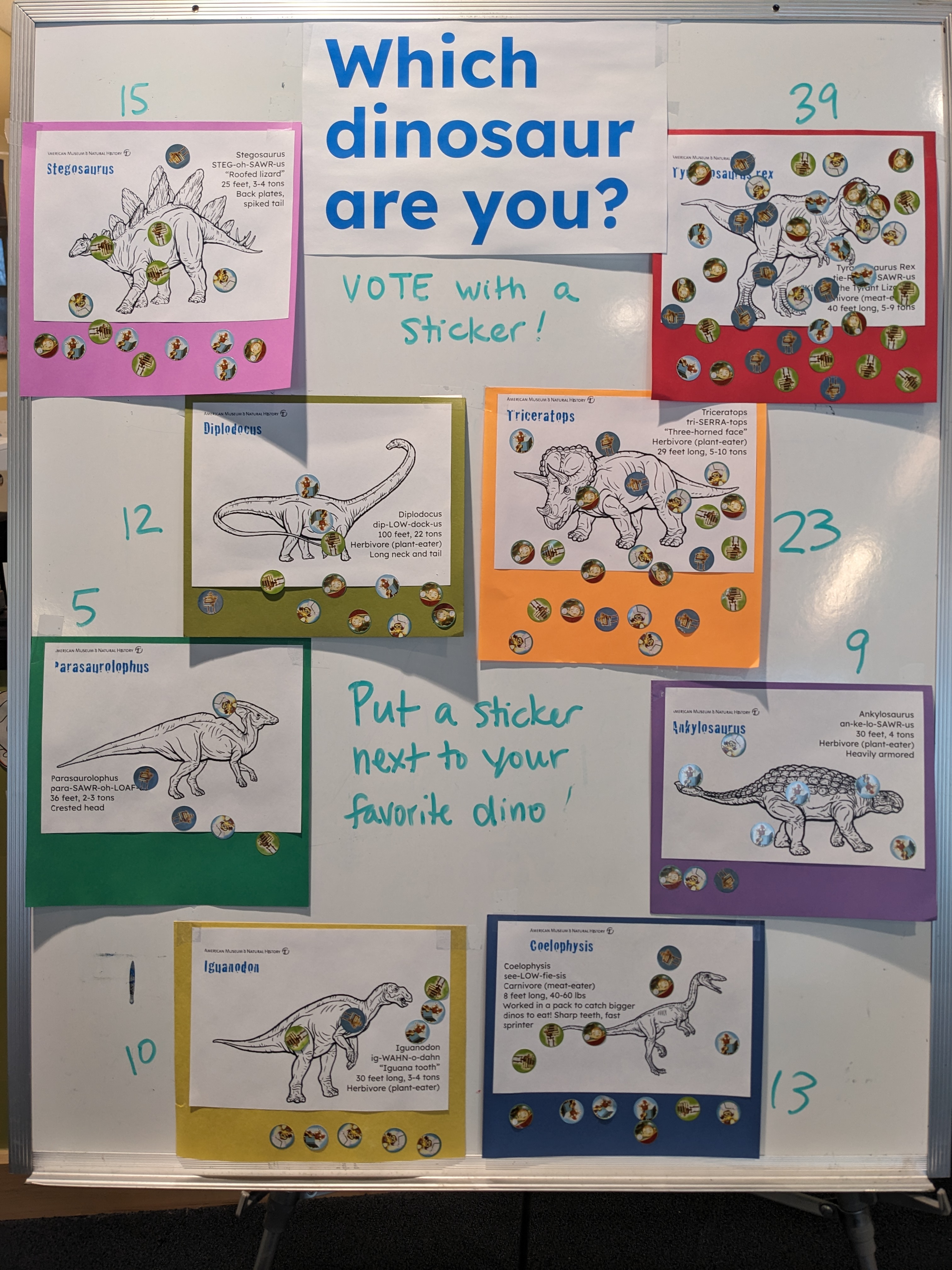 Passive programming, or self-directed programming, is a type of program that library patrons can participate in independently or with only minimal interaction with library staff. This recent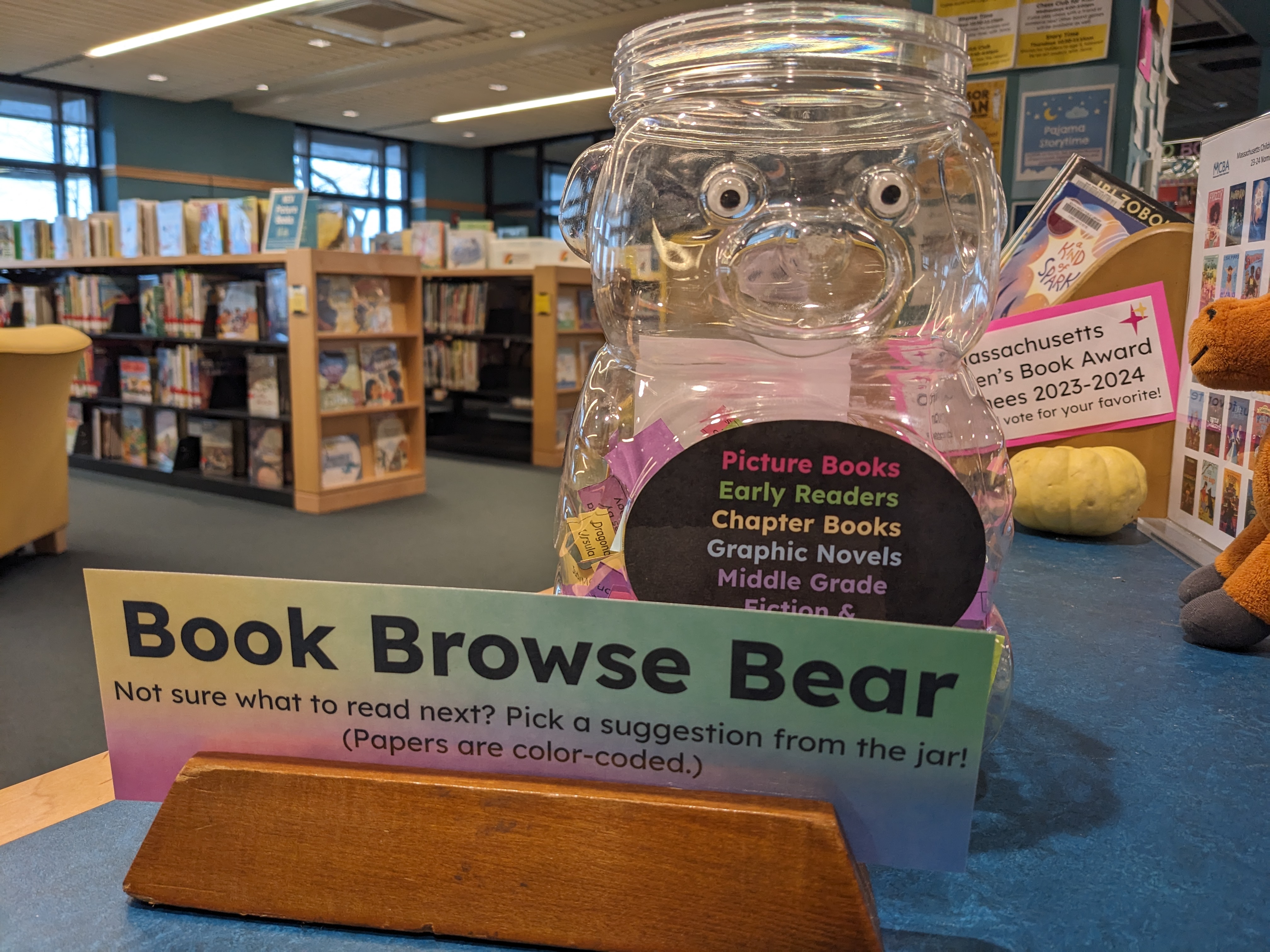



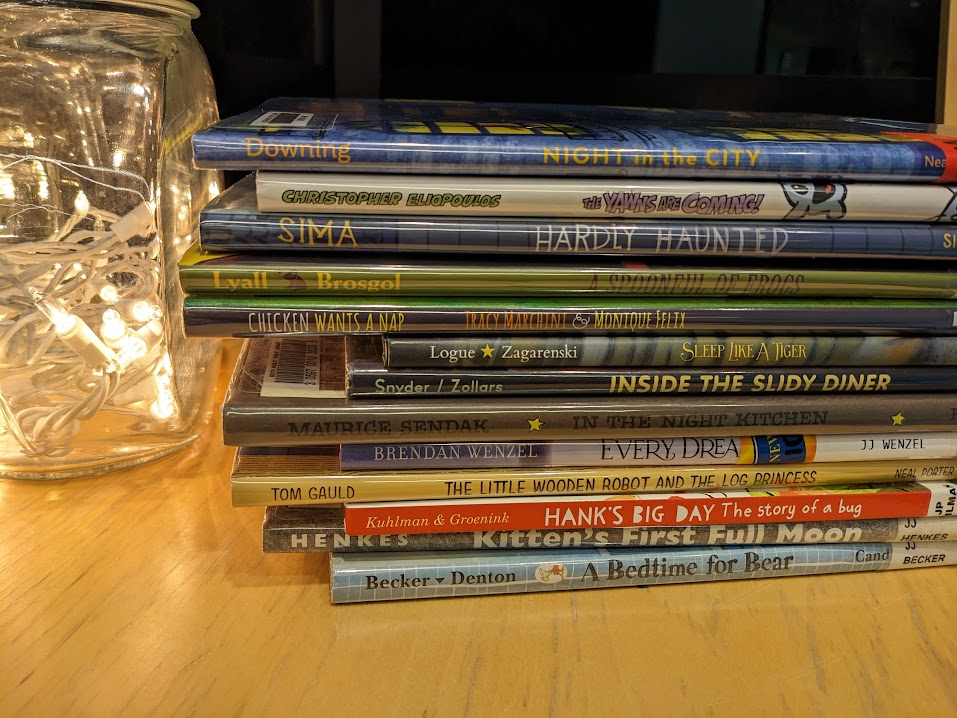 This Monday was the one-year anniversary of the
 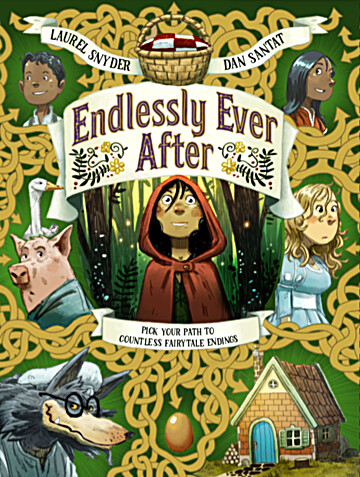 Endlessly Ever After has become a mandatory staple since last December; it’s the book we always end with, but it’s different every time because of its pick-your-path nature. (Our storytime group is beyond excited that there is going to be another one in, I think, 2026? Laurel and Dan, if you need beta readers, we are at your service.)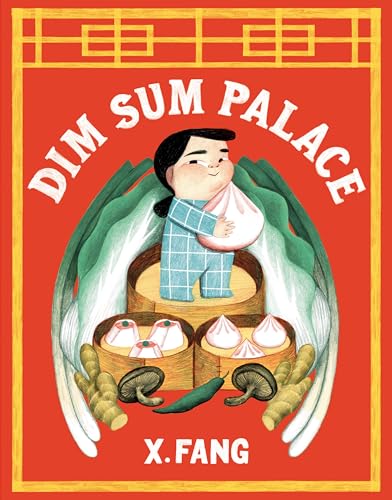
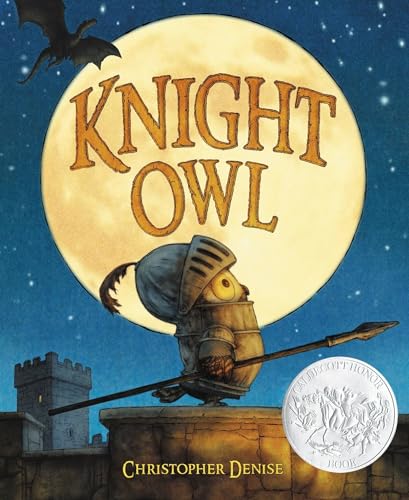
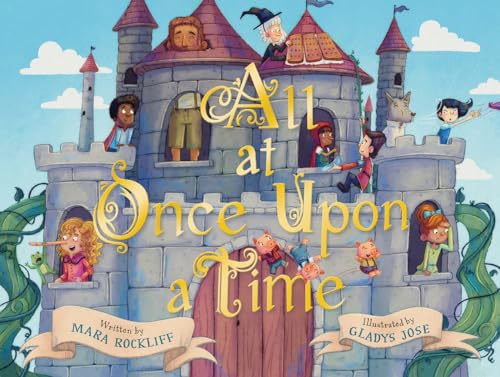 As you can see, we lean toward bedtime books and fairy tales, including fractured fairy tales. I can already tell All at Once Upon A Time is going to be a repeat read; it goes so well with Endlessly, and the kids – and grown-ups! – who come to Pajama Storytime are old enough to understand and enjoy the humor. That’s something I love about Pajama Storytime: I get to read some wonderful books that are simply too long or complex for my morning storytime, which is mostly toddlers. There are great picture books for that age, too, and I love them, but Pajama Storytime lets me share more books with a different audience.



 Jenny Arch