The Morgan Library in New York recently hosted a conversation between Maria Popova and Sophie Blackall, “Children’s Books as Philosophy for Living,” and the recording is available on their website. (The Morgan Library, incidentally, is where I learned that E.B. White, author of The Trumpet of the Swan and Charlotte’s Web, is the same E.B. White as The Elements of Style by Strunk & White. I cannot now find a listing for that exhibit on the Morgan website, but I am 99% sure that’s where I saw his manuscripts, journals, and letters and made the connection. Anyway…)
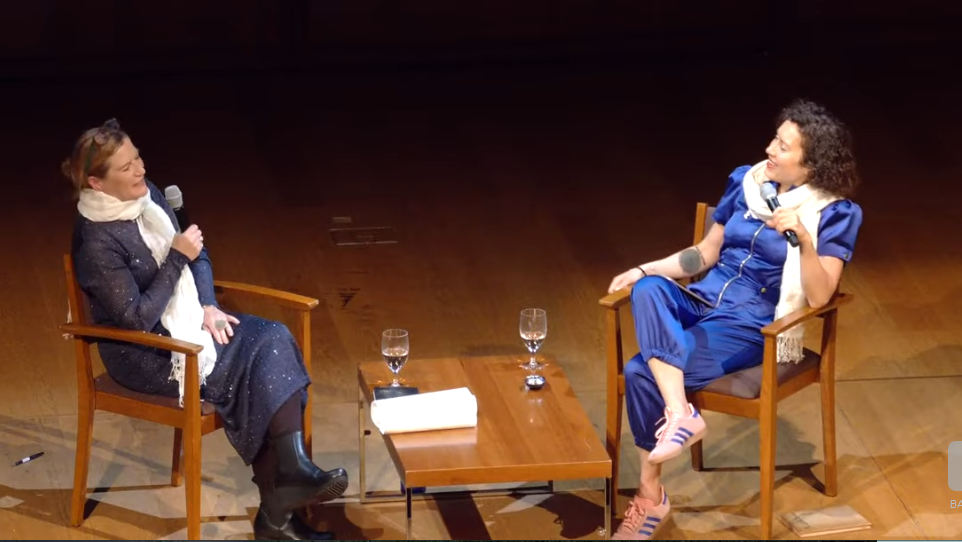
Popova and Blackall discussed, among other things, A.A. Milne’s Winnie-the-Pooh, Antoine de Saint-Exupery’s The Little Prince, and Beatrix Potter’s Peter Rabbit, as well as her scientific drawings. In the photo above, they’re wearing scarves, like the little prince’s iconic scarf, which resembles Piglet’s ears. (Sophie: “It was Piglet’s ears that made me want to be an illustrator….how to convey emotion in a couple of lines…” Maria: “Isn’t it amazing how these influences and ideas permeate the psyche, often without our awareness, and kind of lodge themselves in there and become these quiet building blocks of what we create, often without us knowing that we’re creating out of these borrowed pieces?”)
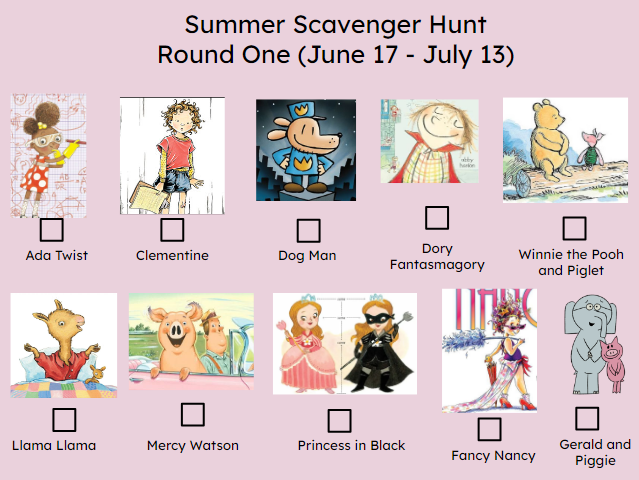
Here are a few more quotes from the talk, but if you are interested in children and children’s literature, it’s worth an hour of your time to watch the whole thing. Sophie brought a list (see photo below) to keep their conversation on track.
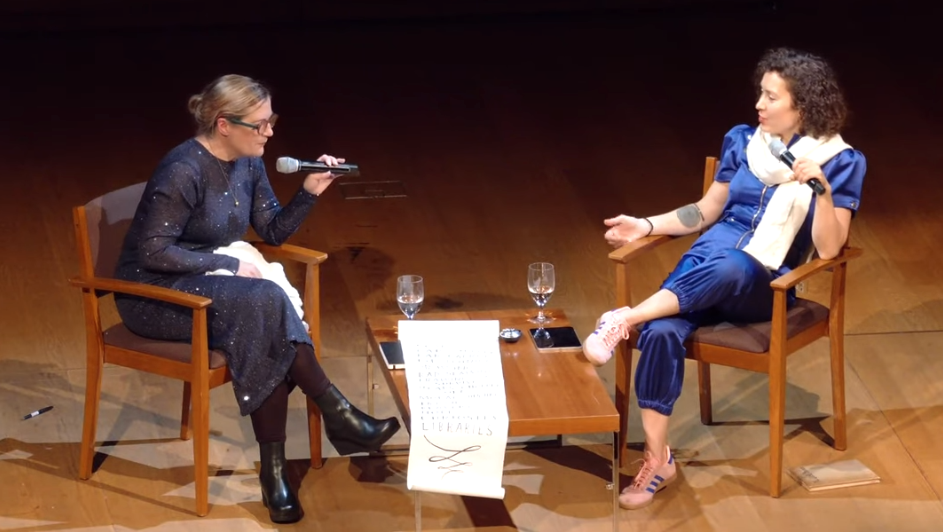
“I don’t believe in moralizing children, but I do believe that morality is a branch of the imagination, just like creativity and curiosity, and if the imagination is rooted in kindness, then morality stands a pretty good chance.” -Maria Popova
“Children’s books to me, the ones that endure, can be read both when you’re a child and when you’re a grownup. And as a reader of any book you bring so much of yourself to it.” -Maria Popova
“Fantasy mystifies in order to reveal some deeper truth, and fundamentalism mystifies in order to conceal.” -Maria Popova
“And that’s what story gives children, that agency to imagine themselves as characters in a different story, of telling different stories, of unbelieving the main story, the mainstream story.” -Maria Popova
“I want to foster a curiosity in children, so that they will feel confident that they can read any book that they might want to pick up….If a child is encouraged to be curious, I believe that they will continue to read and they will become a more empathetic human being and I think we need that more than ever.” -Sophie Blackall
“We are trying to arm [children] with everything we know to be true, and that is what we are trying to put into the books that we give to children.” -Sophie Blackall
Toward the end of the conversation, they mention author Katherine Rundell’s work, Why You Should Read Children’s Books, Even Though You Are So Old and Wise. You can read an excerpt here: Why Adults Should Read Children’s Books. Rundell quotes Marina Warner: “Fairy tales…evoke every kind of violence, injustice and mischance, but in order to declare it need not continue.” [emphasis added] Rundell continues, “Fairy tales conjure fear in order to tell us that we need not be so afraid. Angela Carter saw the godmother as shorthand for what she calls “heroic optimism”. Hope, in fairy tales, is sharper than teeth.” Children’s books satisfy the desire for justice and foster a sense of wonder and awe. And don’t we all, no matter how old, want justice and wonder?
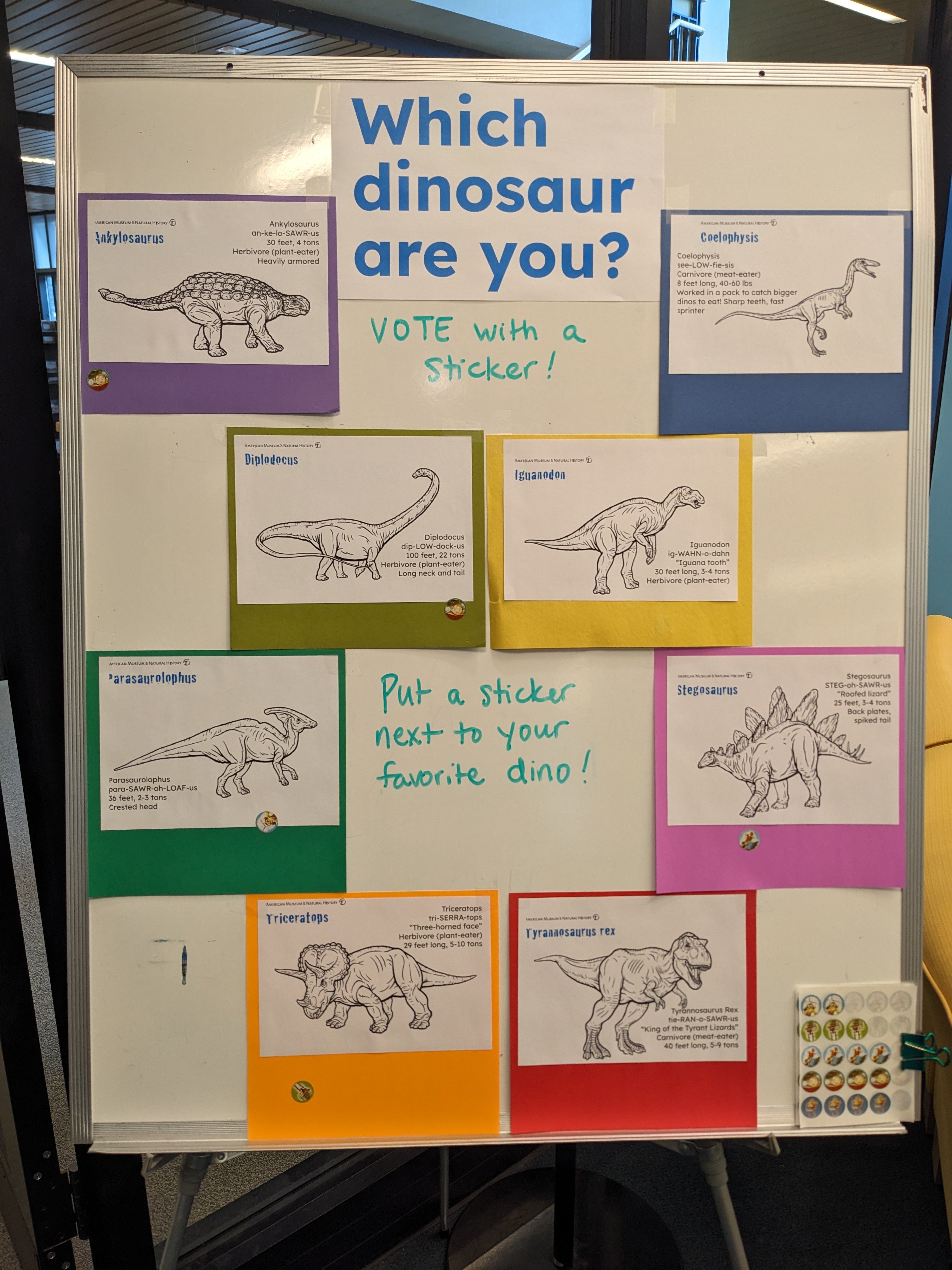
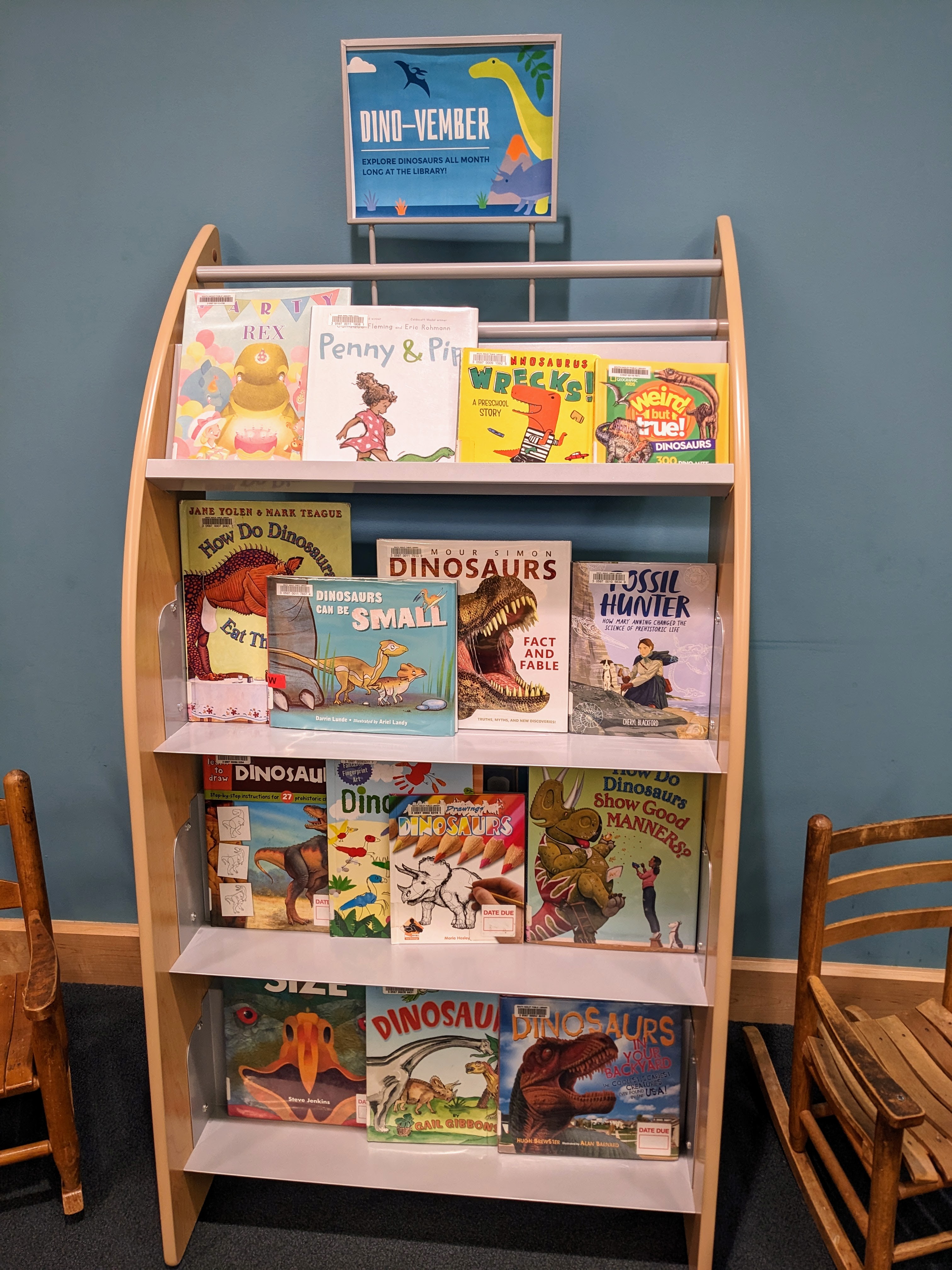



 This Monday was the one-year anniversary of the
 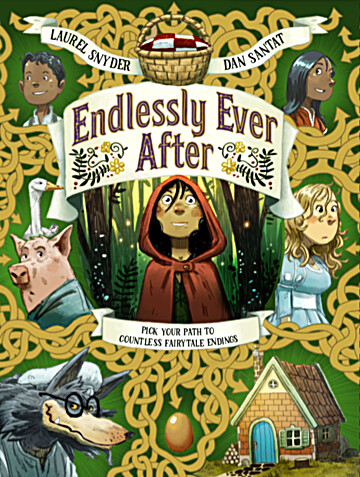 Endlessly Ever After has become a mandatory staple since last December; it’s the book we always end with, but it’s different every time because of its pick-your-path nature. (Our storytime group is beyond excited that there is going to be another one in, I think, 2026? Laurel and Dan, if you need beta readers, we are at your service.)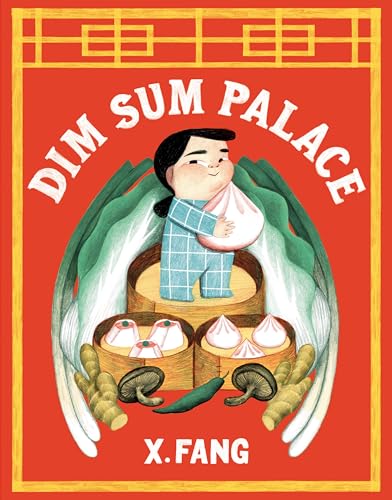
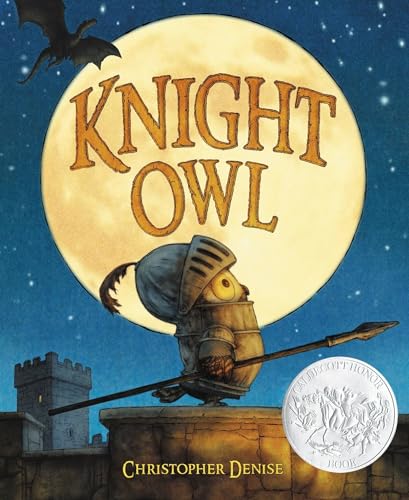
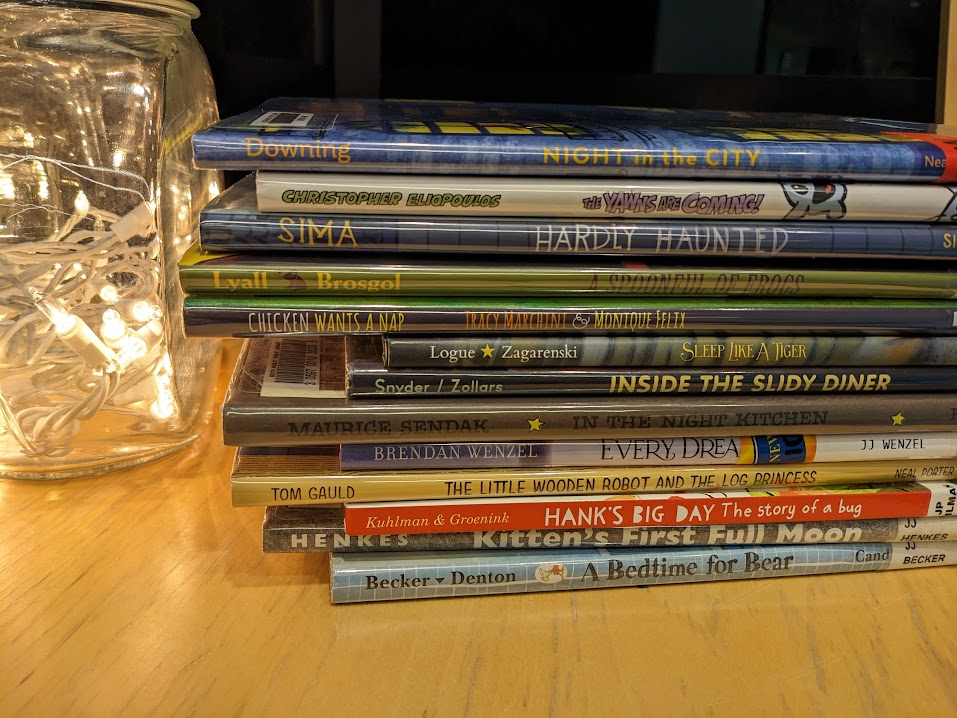
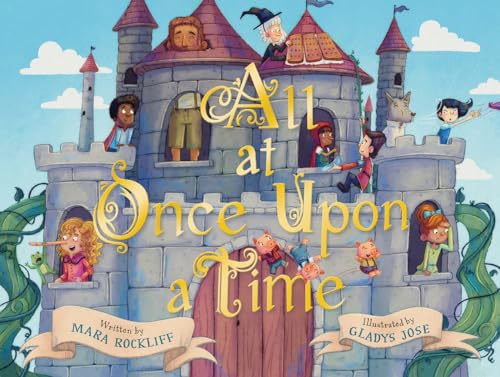 As you can see, we lean toward bedtime books and fairy tales, including fractured fairy tales. I can already tell All at Once Upon A Time is going to be a repeat read; it goes so well with Endlessly, and the kids – and grown-ups! – who come to Pajama Storytime are old enough to understand and enjoy the humor. That’s something I love about Pajama Storytime: I get to read some wonderful books that are simply too long or complex for my morning storytime, which is mostly toddlers. There are great picture books for that age, too, and I love them, but Pajama Storytime lets me share more books with a different audience.
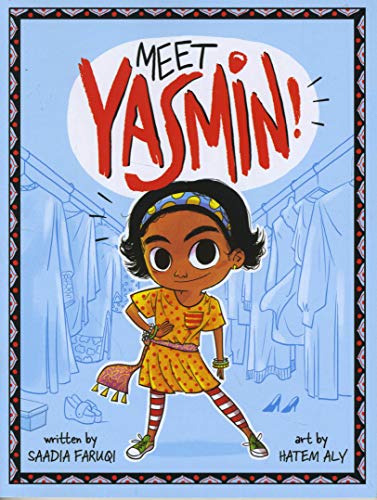 But then – I forget where, and I’m sorry because I’d love to give credit for this – I heard about a “My First Book Club” program at another library, and I decided to give it a try. We had our first meeting in July; I was thinking that people might have a bit more free time in the summer, and it could also help rising kindergarteners meet each other and get used to a semi-formal aducational environment if they hadn’t already been in a preschool program.
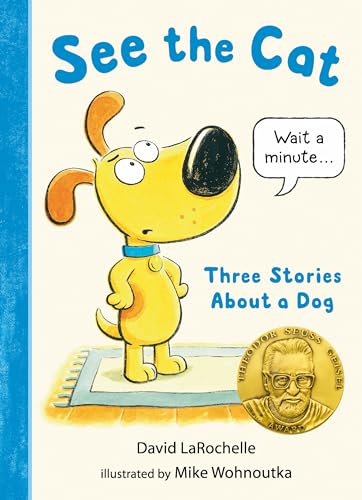 For “My First Book Club,” there is no need to read the book(s) ahead of time; I request enough copies for everyone to follow along as we read together. In July we read Meet Yasmin by Saadia Faruqi, illustrated by Hatem Ali, and the Geisel award-winning See the Cat: Three Stories About A Dog by David LaRochelle, illustrated by Mike Wohnoutka. I asked the kids to make some predictions, observations, and ask and answer questions about the story; then we decorated bookmarks with a flower pattern like Yasmin.
 Here’s the “I Heart Back Matter” part of this post: Back matter is the stuff you find at the end of the book, after the story. It’s more common in nonfiction (think glossary, sources, index), but a lot of picture books, early readers, and especially graphic novels also throw in a little bonus content: a recipe, an art project, step-by-step instructions for how to draw the main character. This is where I got the model for Yasmin’s flower-patterned bookmark. (More on back matter later.)
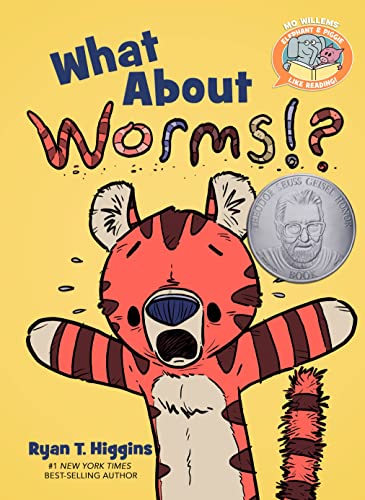
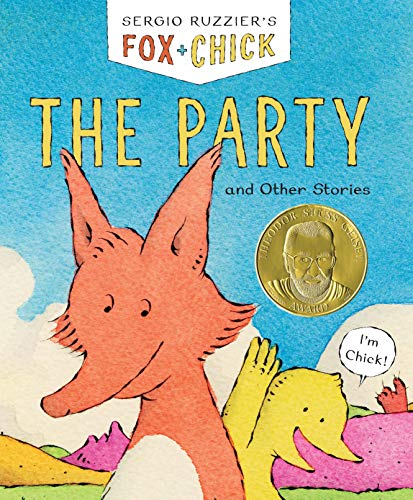 In August we read Fox and Chick: The Party and Other Stories by Sergio Ruzzier and What About Worms?! by Ryan T. Higgins, and colored some What About Worms?!
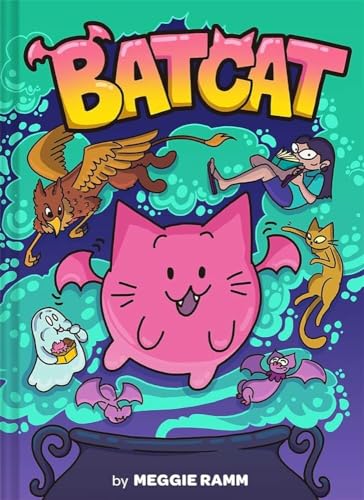
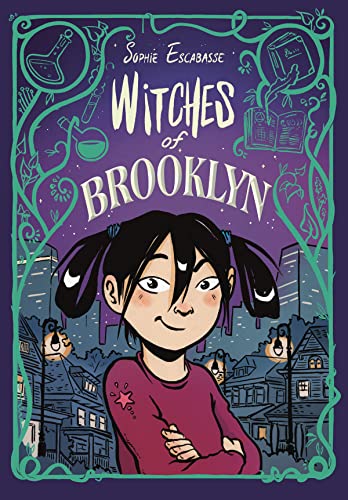 Finally, a perk of coming to the first meeting: the kids got to vote on what they wanted to read next. I pulled three books from our collection: Bedhead Ted, Things in the Basement, and Witches of Brooklyn. Witches of Brooklyn won the vote, so that will be October’s book!


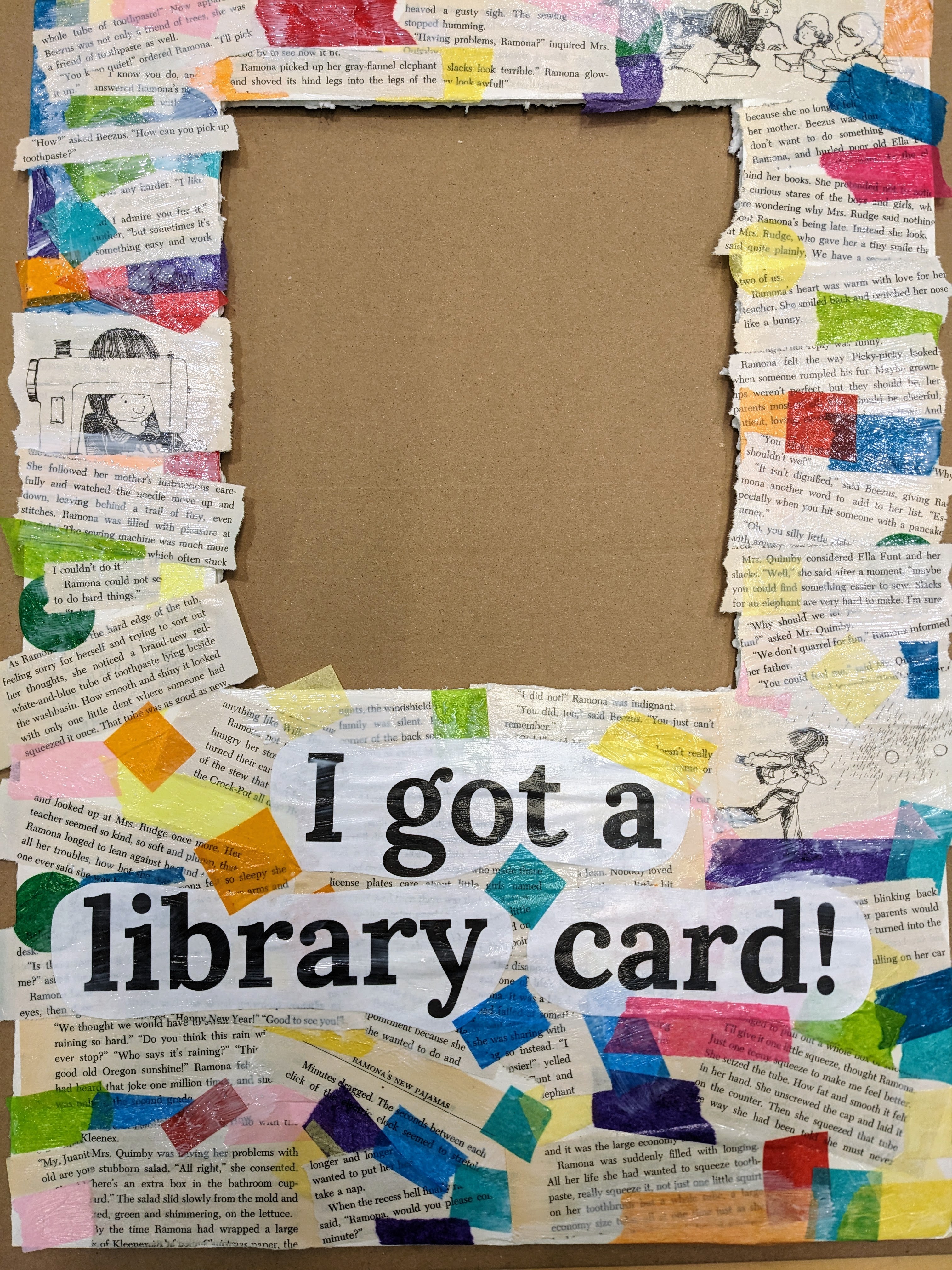

 I hope that, by now, we have largely dispensed with the myth that librarians spend all day reading in buildings that are temples of quiet. There’s not much quiet, there’s not much sitting, and there’s barely any reading, unless you count reading aloud at storytimes, or reading professional review journals to decide what books to add to the collection. So what DOES a children’s librarian do all day? Here’s a sample of one day this week, during which I…
 Alma, Head to Toe by Juana Martinez-Neal (bilingual, Spanish/English)