 I hope that, by now, we have largely dispensed with the myth that librarians spend all day reading in buildings that are temples of quiet. There’s not much quiet, there’s not much sitting, and there’s barely any reading, unless you count reading aloud at storytimes, or reading professional review journals to decide what books to add to the collection. So what DOES a children’s librarian do all day? Here’s a sample of one day this week, during which I…
- Updated the whiteboard in the lobby with the day’s programs
- E-mailed the statewide listserv of youth librarians with a readers’ advisory question for a patron
- Read the Library Link of the Day and Betsy Bird’s blog, Fuse8
- Withdrew some old books from the science section
- Posted to the library Facebook and Instagram accounts
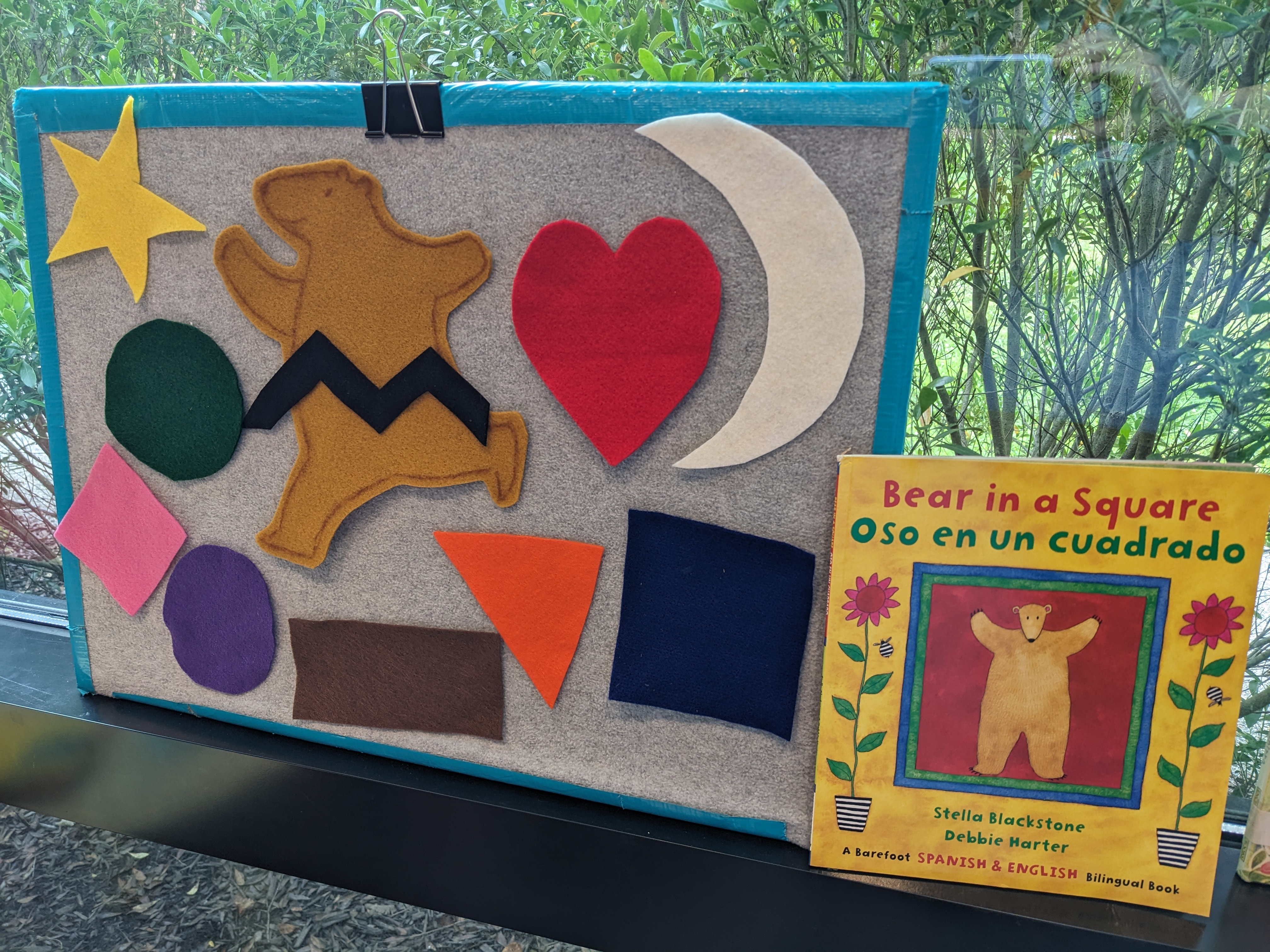
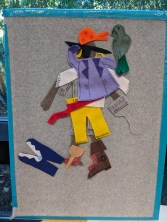
- Created a new flannel board to go with Bear in A Square by Stella Blackstone
- Vacuumed the storytime rug
- Storytime (four books, several songs, one game of “Little Mouse” on the flannel board) and craft project (decorating paper popsicle shapes with crayons, markers, and stickers, and gluing them to popsicle sticks)
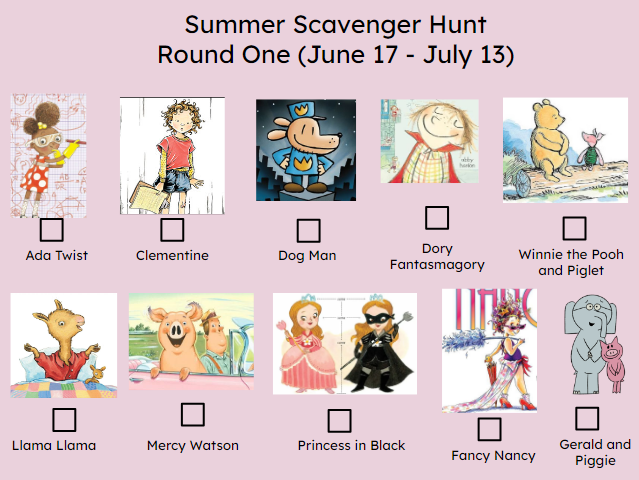
- Took down the first half of summer scavenger hunt and put up the second half of summer scavenger hunt (these are laminated literary characters, e.g. Pete the Cat, Fancy Nancy, Dog Man, that I tape up around the children’s area)
- Helped a kid find picture book versions of “City Mouse, Country Mouse”
- Added a kid’s photo to the 1000 Books Before Kindergarten wall of fame
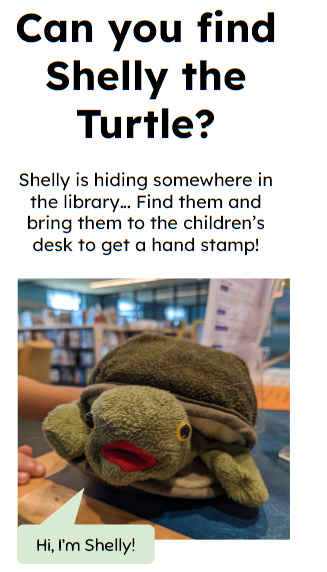
- Stamped kids’ hands when they found Shelly the Turtle
- Handed out temporary tattoos to kids who completed the scavenger hunt
- Got a hug from a shy regular
- Finished reading Grief Is for People by Sloane Crosley while eating lunch
- Helped a local bookseller’s kid request some books from another library, and chatted with the bookseller about upcoming titles
- Added books to a list to purchase from our vendor
- Put Lego and board games in the story/craft room
- Withdrew old fiction books
- Received replies from librarian listserv and compiled book recommendations for the patron who asked
- Performed surgery on Zoe the Snake (i.e. sewing up a busted seam on a beloved stuffed animal)
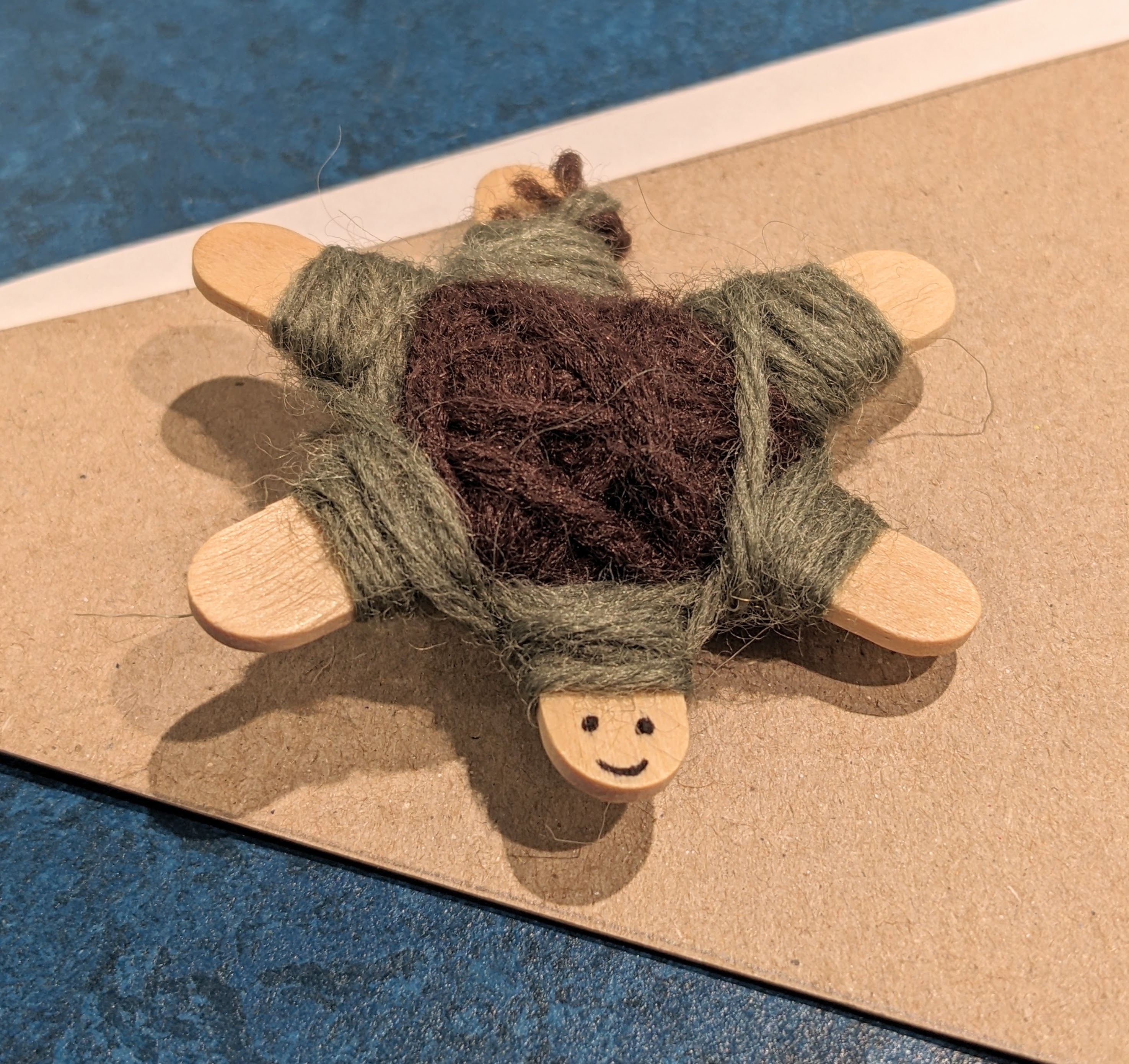
- Made an example yarn animal (a tiny turtle) for a craft program (idea from the ALSC blog)
- Cleaned up Lego and board games
- Helped a kid find a book about Neil Armstrong and the moon landing
- Went home! (At home we are reading The Lightning Thief (Percy Jackson and the Olympians) by Rick Riordan.)


 Alma, Head to Toe by Juana Martinez-Neal (bilingual, Spanish/English)
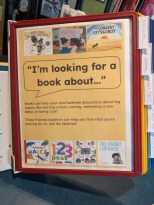 Well, I may not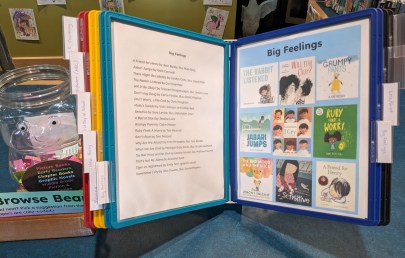

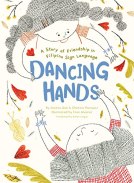 All of these books, in their own way, are about ability. Perception and communication also emerge as themes.
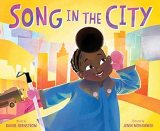 Song in the City is a little bit longer, but the illustrations are super bright – featuring that warm yellow from the cover – the text rhymes, and there are a lot of sound effects. This was definitely the book that the adults in the room loved best. We all paused in the middle to close or cover our eyes, as Emmalene helps Grandma Jean do in the book, to focus on what we could hear.
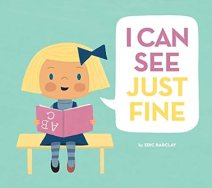 I would love I Can See Just Fine based on its title alone, but the execution is just perfect. A little girl named Paige has trouble seeing the board at school, reading her sheet music, and even identifying animals (she picks up a skunk and calls it a kitty). She is not excited to go to the eye doctor, or when they tell her she needs glasses, but when she stands in front of the huge array of frames to choose from on the wall, you can just feel her wonder and awe. She tries on lots of frames and chooses the right ones for her. I showed the group my own glasses, identifying the different parts (frames and lenses). I also shared with the group that the eye doctor is my favorite one to go to – they never give shots!
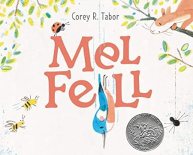 We wrapped up with Mel Fell, which is about confidence and ability in a different way: a baby kingfisher’s first flight/dive. The orientation of this book is unique (in the photo above, the spine is actually on top), and there’s a fun rotation required part of the way through the story. We see community members – other residents of Mel’s tree – attempt to help, but ultimately, Mel was right about their readiness to fly!
 Jenny Arch