NELA 2025: Soaring Together

Blue sky and blue water in Newport, RIThe official theme of this year’s New England Library Association (NELA) conference in Newport, Rhode Island, was “Soaring together: Empowering librarians to lead.” I attended only one day of the conference, but as usual, it was a good day with informative panels, friendly vendors (hi, Islandport Press!) and a chance to connect with librarians across the region, including grad school classmates and former co-workers (hi, Katie!), and make new connections (hi, Martha’s Vineyard librarians!).

Let’s jump right in, and I’ll be as concise as I can!

Elizabeth (Liz) Bull from the University of Southern Maine presented “Feeding the Community: Libraries as Centers of Food Security.” Being an academic librarian, she made a LibGuide with definitions and resources. Here are a few takeaways from her talk, as well as contributions from the audience:

  • Forty-seven million people, including 14 million children, experience food insecurity annually in the U.S.
  • A food pantry or “community care corner” in a library meets people where they are – and brings new people into the library. Some people feel more comfortable visiting the library than a food pantry, or can’t get to a food pantry during its open hours.
  • Donations should not be placed directly in the food pantry area, but should be funneled through staff. This keeps the area neat and well-stocked, and helps staff keep track of the volume of food and other items going out; those numbers are useful to demonstrate the program’s worth.
  • Hygiene items are also needed; a librarian from Hyannis, MA, suggested the resource Aunt Flow for menstrual products.
  • One library has a “tree” with paper “leaves” in its teen room; teens can take a leaf from the tree, bring it to the library desk, and collect the item written on the back of the leaf (a snack, a tampon or pad, etc.)
  • For those who work with children: do not use consumable food (e.g. uncooked rice, pasta) in sensory bins or art projects. Be sensitive to those experiencing food insecurity.
  • Partner with other community organizations, and explore grant opportunities!
  • Get buy-in from staff so “everyone is pulling in the same direction” and the program doesn’t collapse if the one person running it leaves; on the other hand, Food Pantry Manager can be its own position.
  • Too Good to Go is an organization/app that aims to reduce food waste; see if it’s active in your area (in New England, it looks like it’s in Boston, Providence, and Portland so far).
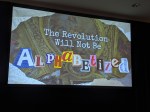
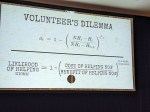
Intro slide for The Revolution Will Not Be AlphabetizedClayton Cheever from Norwood, MA and Allyson Malik from Oak Bluffs, MA, presented The Revolution Will Not Be Alphabetized: The History & Future of Good Trouble in Libraries.” Although libraries and librarians have not always been on the right side of history, many of us are following the late Representative John R. Lewis’s famous encouragement to get in “good trouble” now. Libraries are that “third space” where all are welcome to come and find resources – whether that means books, connecting with a social worker, or attending a joyful storytime or other event. The presenters introduced “the Volunteer’s Dilemma” (surprising an audience not used to seeing mathematical formulas) that explains how a group can benefit from an individual (or individuals) making a costly sacrifice (think of the old Oregon Trail computer game). Slide of the Volunteer's Dilemma formulaAfter running through a toolkit (Communication, Services, Collection, Programs, Policies, Technology), the audience received scenarios to consider in small groups and report back. See also: The Library Freedom Project.
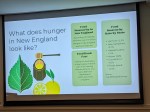
“Keeping the People Fed: Food Bank and Library Partnerships Across New England” brought together librarians and food bank employees from Massachusetts, Connecticut, and Rhode Island to discuss different partnerships and initiatives. Because the federal government is no longer collecting and sharing data on food insecurity, Feeding America is the current best resource for this type of information. And due to the ongoing government shutdown, November SNAP benefits are threatened, putting an overwhelming strain on food banks; “SNAP is the first line of defense, food banks are second” (and lots of people rely on both).Slide, "What does hunger in New England look like?"
Caitlin Kelley, Montague (MA) library director, talked about how she and her staff grew one shelf into a larger food pantry, including a refrigerator and chest freezer, in their small branch library. “This expansion was only possible with collaboration” with the Western Mass Food Bank, local organization Heartwings, a Community Development block grant, a United Way grant, and a grant from ARSL. “By working together we’re able to enhance our offerings” – and see benefits like a 26% increase in visits to the branch, increased partnerships, a changed perception about what libraries do/are, and more full bellies in the community.
Intro slide of Patron-Inspired ProgramsFinally, Pioneer Valley Performing Arts (PVPA) librarian Austin Clark and I presented on “Patron-Inspired Programs,” including different ways of communicating with patrons/students and trying out the programs they seem interested in. Sherborn librarian Quincy Knapp contributed slides as well (thanks, Quincy!) when our third panelist had to drop out a few weeks before the conference. Our slides are here.
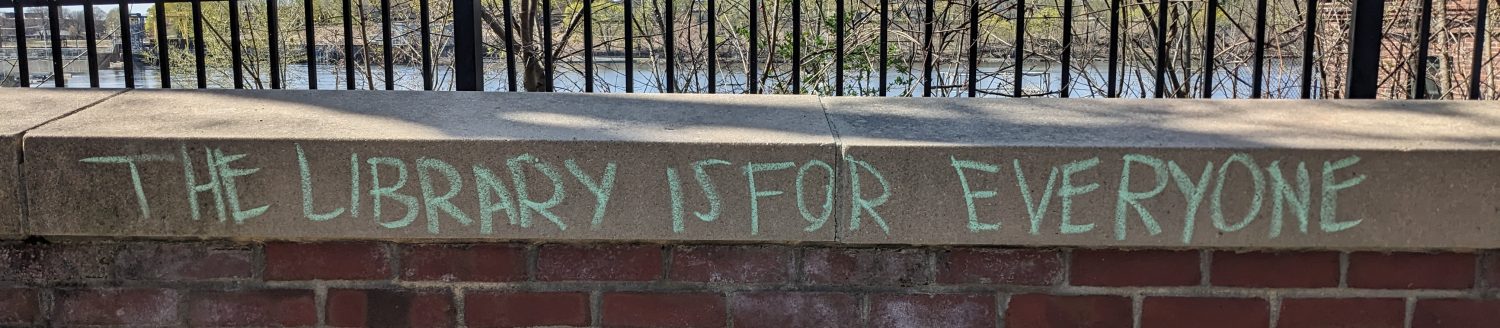
Fall (and Summer) Standouts

Back in early April I wrote about my “spring standouts,” books published in 2025 that I’d read and thought were stellar. I think I’d intended to write another in the summer and another in fall, so when it was time for my annual wrap-up, I’d have these to look back on…but here we are in mid-October. Whoops! All titles below were published in 2025 unless otherwise indicated (there are a few I couldn’t resist including). 

Picture BooksCover image of We Are the Wibbly

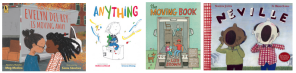
  • Anything by Rebecca Stead and Gracey Zhang: A book about a child who didn’t want to move, and a dad who makes their new apartment home.
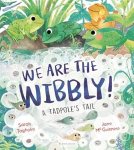
  • We Are the Wibbly by Sarah Tagholm and Jane McGuinness: Hands-down the funniest picture book of the year. Also, it contains enough information about the frog life cycle that SLJ reviewed it as “nonfiction,” although it has an awful lot of talking tadpoles to meet that bar.
  • Worm Makes A Sandwich by Brianne Farley: Oh, earnest worm! Adjust your definition of “make” and also the time you think it takes to make a sandwich, but what delicious results.
  • Ten Beautiful Things by Molly Beth Griffin and Maribel Lechuga: On a drive to a new home, adult and child find ten beautiful things along the way – a balance to the implied grief of losing a loved one.Cover image of Hurricane
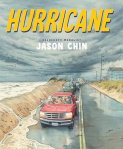
  • Hurricane by Jason Chin: Chin’s watercolor illustrations are always outstanding, and here they’re in service to what it’s like for a community to prepare for, experience, and recover from a hurricane. Powerful, and packed with information and touching details.
  • Where Are You, Bronte? by Tomie de Paola and Barbara McClintock: Tomie left the manuscript; Barbara’s illustrations honor Tomie (and Bronte) perfectly.
  • Some of Us by Rajani LaRocca and Huy Voun Lee: “Some of us are born here. Some of us choose.” A radiant book on what it means to be a citizen.
  • Bear Is A Bear by Jonathan Stutzman and Dan Santat (2021): Somehow I missed this when it first came out; loyal library visitors recommended it to me and I’m so glad they did. Some special objects travel from generation to generation.
  • The Music Inside Us by James Howe and Jack Wong: A biography of cellist Yo-Yo Ma that is appealing and approachable for kids; after we read it, we watched a few of the videos mentioned (his first visit to the White House, his appearances on Sesame Street and Mister Rogers).Cover image of A Fall Day for Bear
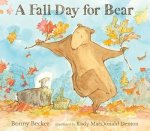
  • A Fall Day for Bear by Bonny Becker and Kady MacDonald Denton: Bear and Mouse (small and gray and…not so bright eyed?!) return, but their roles are reversed, keeping this beloved series fresh.
  • The Pink Pajamas by Charlene Chua: A story about family, grief, and passing skills along.
  • Five Little Friends by Sean Taylor: Essential for storytimes, especially baby storytimes! Excellent, participatory rhymes.
  • If You Make A Call on A Banana Phone by Gideon Sterer and Emily Hughes: One thing leads to another in this imaginative work; fans of Charlie & Mouse will recognize the art.Cover image of Cat Nap
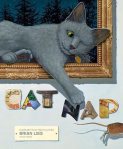
  • Cat Nap by Brian Lies: A cat-and-mouse chase like you’ve never seen before. A note from the artist explains his respect for traditional, physical media, and how he learned each different medium to make the book, from stained glass to woodworking, sculpture to oil paint.  
  • The 13th Day of Christmas by Adam Rex: Didn’t you ever wonder who that song was about? Now we know.

Middle GradeCover image of The Undead Fox of Deadwood Forest

  • How to Talk to Your Succulent by Zoe Persico: Sure, lots of people talk to plants…but sometimes, the plants talk back.
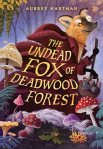
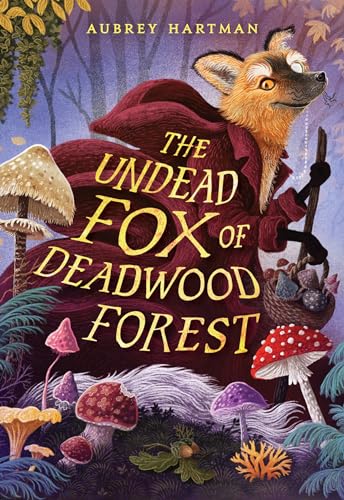
  • The Undead Fox of Deadwood Forest by Aubrey Hartman: A lonely undead fox guides other spirits through to their next stages, but is reluctant to pass through himself. Spooky, philosophical, and somehow cozy too; I would not be surprised or upset if this got some Newbery attention.
  • Batcat: Cooking Contest by Meggie Ramm: I love Batcat and Al so much. This time, they participate in a cooking contest at a fall festival.
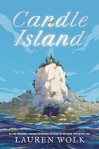
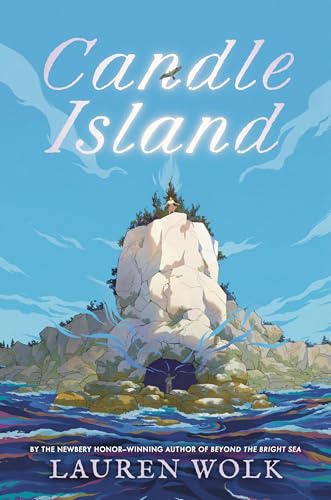
  • Candle Island by Lauren Wolk: A mother and daughter move to an island – a terrible place to keep secrets.Cover image of Candle Island
  • Oddball Histories: Spices & Spuds by Andy Warner: This informative graphic novel finally explains why salt and pepper were so darn important that countries were willing to invade and colonize for them.
  • So Over Sharing by Elissa Brent Weissman: This book couldn’t really have existed before the age of “influencers,” but its story of two daughters of “momfluencers” joining forces to make themselves heard is timely – and shows that sometimes, kids are savvier about privacy than adults are.

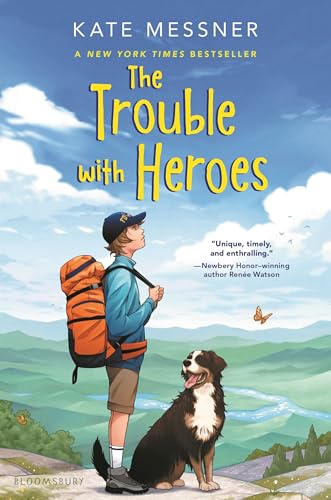
  • The Trouble With Heroes by Kate Messner: This novel in verse tackles all 46 Adirondack peaks, 9/11, and it has cookie recipes. And the dog is okay.
  • Into the Bewilderness by Gus Gordon: This charming, offbeat graphic novel is a classic grumpy/sunshine buddy comedy.
  • The Midwatch Institute for Wayward Girls by Judith Rossell: An orphan gloomy about her fate lands in a surprisingly magical place, where girls learn all kinds of useful skills and solve mysteries and crimes in their city. An absolute delight.Cover image of How to Say Goodbye in Cuban
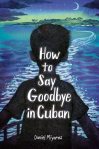
  • How to Say Goodbye in Cuban by Daniel Miyares: Daniel’s main character here is his own father during Carlos’ childhood in Cuba, as Fidel Castro takes over and many people decide to flee. A sentence or two of historical context precedes each chapter, giving readers just enough to understand the story.
  • The Teacher of Nomad Land by Daniel Nayeri: An unusual WWII-era story set in Iran in 1941, with a fiercely devoted pair of siblings and a Jewish refugee at its center, and a theme of communication between people.
  • Dory Fantasmagory: Center of the Universe by Abby Hanlon: Dory joins a soccer team, and it goes exactly how you’d expect. Dory hasn’t lost any steam in her seventh book, and I laughed out loud more than once. Everyone in my family fought to be the first to read this one.Cover image of A World Without Summer
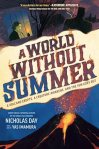
  • A World Without Summer by Nicholas Day: I loved last year’s The Mona Lisa Vanishes, and this one is even better because of the way it connects the climate shock caused by the eruption of Mount Tambora in 1815 to the climate change of today. The author’s style is quick and direct, and the tangents/B-plots are fascinating, from Mary Shelley’s Frankenstein to the velocipede to the naming of clouds and the study of weather.
  • Pocket Bear by Katherine Applegate: In WWI, some soldiers carried “pocket bears,” tiny companions to keep them company. In the home of modern-day Ukrainian refugees, Pocket Bear and other toys find a new lease on life and new homes. Poignant without being saccharine.
  • The Poisoned King by Katherine Rundell: This sequel (of a planned five-book arc) to Impossible Creatures is satisfyingly Shakespearean; Christopher Forrester returns from the first book to assist Princess Anya, and the dragons.
  • Rialto by Kate Milford (2026): Anxiety, amusement parks, a treasure hunt, a mystery; this is a brilliant stand-alone, but devoted fans will notice many little nods to earlier Milford books (especially The Raconteur’s Commonplace Book).

Young AdultCover image of Dan in Green Gables

  • The Judgment of Yoyo Gold by Isaac Blum (2024): Orthodox Jewish communities plus forbidden social media makes for a deeply relatable story.
  • Sunrise on the Reaping by Suzanne Collins: At last, Haymitch’s (bleak) story is revealed.
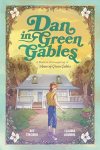
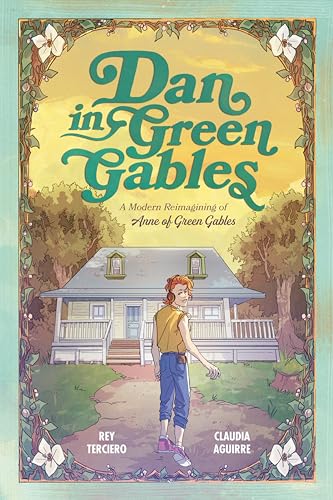
  • Dan in Green Gables by Rey Terciero: An irrepressible gay teen is dropped by his mother with grandparents he’s never met, and makes the best of a new situation, inspiring change in others and learning to be a bit more flexible as he does so. Joyful.
  • Vincent and Theo by Deborah Heiligman (2019): An incredibly well-researched deep dive into the brothers’ friendship and struggles, and the importance of Vincent’s sister-in-law in preserving his paintings and legacy.Cover image of Scarlet Morning
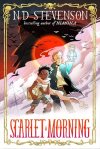
  • Scarlet Morning by ND Stevenson: Viola and Wilmur brave the peculiar dangers of their salt-encrusted world, adventuring with pirates and learning that the stories they grew up on are, in fact, still ongoing. Richly imagined; I want part two immediately.

Adult

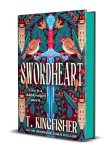
  • Swordheart by T. Kingfisher: This ensemble adventure quest is a perfect and deeply satisfying example of a heroine’s journey (see below). Cover image of Swordheart
  • Run for the Hills by Kevin Wilson: What if half-siblings started showing up out of the woodwork, and teamed up to hunt down a missing parent?
  • The Heroine’s Journey by Gail Carriger: Many readers and writers are familiar with the hero’s journey – but there’s another way of storytelling with completely different values and beats.
  • Time Loops and Meet Cutes by Jackie Lau: I do love a time loop romance. This one is cleverly done.
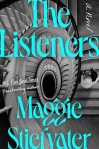
  • The Listeners by Maggie Stiefvater: Stiefvater’s first adult book (she’s been writing YA for years) knocks it out of the park, with a WWII-era story set in Appalachia, where a resort hotel is converted to hold Axis diplomats until they can be swapped to bring their Allied counterparts home. Cover image of The Listeners
  • The Nine Lives of Rose Napolitano by Donna Freitas: With this speculative premise, Rose’s life fractures into nine different timelines when she argues with her husband over (not) taking prenatal vitamins.
  • Memorial Days by Geraldine Brooks: Without the rituals of religion, the process of grieving is often shunted aside by the paperwork of death and the logistics of funeral planning. Years after her husband’s death, Brooks takes herself far away to grieve properly.
  • The Very Secret Society of Irregular Witches by Sangu Mandanna: Another heroine’s journey with a cozy magical ensemble cast (see also: The Teller of Small Fortunes, The House on the Cerulean Sea)
  • Dinner With King Tut by Sam Kean: Experimental archaeology seeks to learn about the past through hands-on experience: making and using tools to better understand the peoples of other times and places. Fascinating.Cover image of The Art of Ramona Quimby
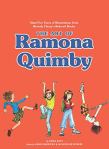
  • The Art of Ramona Quimby by Anna Katz (2020): This is technically an adult book…about children’s books. It’s the most riveting “coffee table book” I’ve ever read: a nostalgic trip through each book about Ramona Quimby and her family, presenting and comparing how each illustrator chose to represent the characters and scenes. 

The Heavy Medal and Calling Caldecott blogs are ramping up in preparation for youth book award season in January; I’m sure there will be more noteworthy books between now and the end of December. What have you read so far this year that you think more people should know about?

Quotes from 2026 Heavy Medal contenders

There are 96 suggested titles for SLJ’s Mock Newbery blog, Heavy Medal. Steven Engelfried challenged readers to find “words on the page” that demonstrated this year’s books’ excellence; here are some quotes I pulled from books eligible for the 2026 Newbery. Many are about grief, but they also touch on joy, friendship, and art.

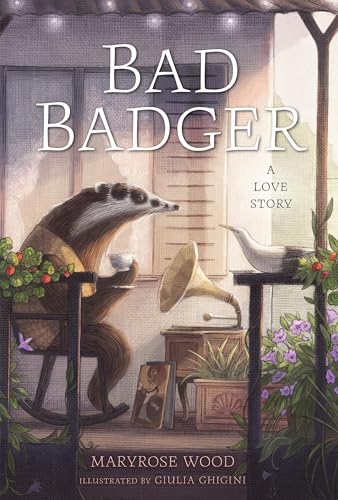
From BAD BADGER by Maryrose Wood:
Perhaps friendship was like that. Perhaps a never-ending parade of misunderstandings was to be expected. Perhaps there was always a sense of mystery about the ones we care for, no matter how fond we are, or how well we imagine we know them. (page 29)


From THE TROUBLE WITH HEROES by Kate Messner:
The nightmares never leave. They never fade.
And heroes aren’t allowed to be afraid. (page 153)


From CANDLE ISLAND by Lauren Wolk:
Some things required solitude.
Some things could be strangled by the idea of an audience, even one on its feet, applauding. (page 62)


From DAN IN GREEN GABLES by Ray Terciero:
“How do you do that? Go from Depeche Mode-depression to total joy in a few seconds?”
“Happiness is a revolution, one that everyone has a right to enjoy. But sometimes? You have to work really hard at it. Especially if it doesn’t come naturally.” (page 73)

(This one’s also got some fantastically funny, snappy dialogue, like Mawmaw asking “What’s an ascot?” and Dan replying “What’s a succotash?”)


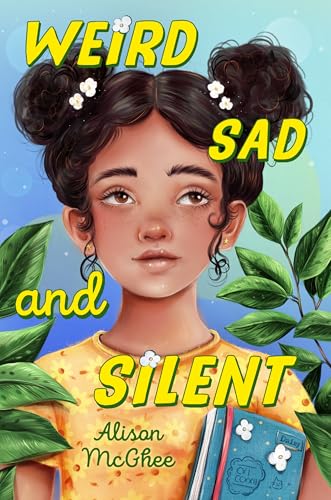
From WEIRD SAD AND SILENT by Alison McGhee:
Instead of visualizing, I’ve decided to call it futurizing. The future has not yet come. But I’m working on it. (page 3)


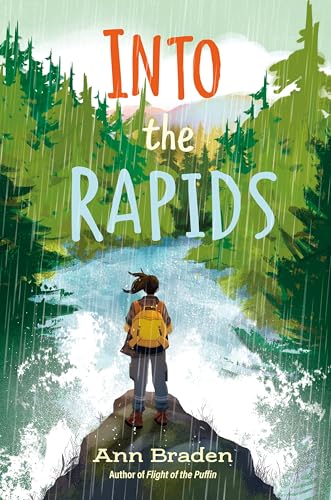
From INTO THE RAPIDS by Ann Braden:
How can I be so quick to understand that death can happen to anyone at any time, while simultaneously not being able to think about what it could have been like if someone hadn’t died? (pages 38-39)


From THE UNDEAD FOX OF DEADWOOD FOREST by Aubrey Hartman:
Mushrooms were not like animals or trees. They were soft and fragile, and they did not accept abuse: They stayed in the world only as long as it was gentle with them. (page 232)


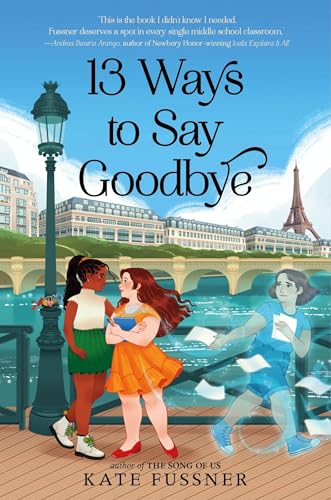
From 13 WAYS TO SAY GOODBYE by Kate Fussner:
I’m afraid to move forward without her, to become someone she’ll never know. (page 200)


Storytime Gold: Toddler and preschool read-alouds

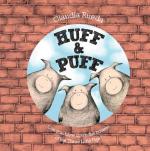
Cover of Huff & PuffIt’s a funny thing that it can be much harder to write something short than something long. To tell a story as concisely as possible, you have to cut everything unnecessary. I haven’t counted, but I’d bet most of these books clock in at well under 500 words, and that’s just perfect for young ones, especially at library storytimes (their individual attention spans might be longer in a quieter environment at home).

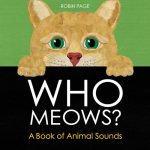
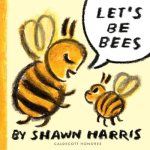
Rhyming is a plus (Jamberry, Some Bugs, There’s A Bear on My Chair, etc.), concepts are good (The Very Hungry Caterpillar introduces counting, foods, and days of the week; A Seed Grows shows the life cycle of a sunflower), and a story with a pattern helps little ones follow what’s happening – and can deliver humor when the expectation established by the pattern is broken (The Giant Jumperee, Mr. Scruff). Books for littles can deal with managing feelings (The Rabbit Listened, Grumpy Pants), play with sound (Let’s Be Bees, Who Meows?), and even be interactive (Huff & Puff, There’s A __ In This Book).

Here are some of the books I reach for when I need short, captivating books for toddler and preschool storytimes:

  • The Rainbow Snail by Karin Akessoncover of Pete's A Pizza
  • Please, Mr. Panda by Steve Antony
  • Marta! Big and Small by Jen Arena
  • Every Monday Mabel by Jashar Awan
  • Roll, Roll Little Pea by Cecile Bergame
  • If I Was A Horse by Sophie Blackall
  • Hippos Go Berserk by Sandra Boynton
  • The Very Hungry Caterpillar by Eric CarleCover of Who Meows?
  • There’s A Bear on My Chair by Ross Collins
  • Jamberry by Bruce Degen
  • Some Bugs by Angela DiTerlizzi
  • The Rabbit Listened by Cori Doerrfeld
  • The Giant Jumperee by Julia Donaldson
  • Oh, No! by Candace Fleming
  • There’s A ___ In This Book by Tom Fletcher
  • Ten Little Fingers and Ten Little Toes by Mem FoxCover image of Let's Be Bees
  • Where Is the Green Sheep? by Mem Fox
  • Roller Coaster by Marla Frazee
  • The Odd Egg by Emily Gravett
  • Let’s Be Bees by Shawn Harris
  • Oh No, George! by Chris Haughton
  • A House by Kevin Henkes
  • Dig Dig Digger by Morag HoodCover of Every Monday Mabel
  • Mr. Scruff by Simon James
  • What Can A Mess Make? by Bee Johnson
  • Just One Flake / Just One Wave by Travis Jonker
  • A Cat Like That by Lester Laminack
  • Will Ladybug Hug? by Hilary Leung
  • Chicken Wants A Nap by Tracy MarchiniCover of Dig Dig Digger
  • Ten Little Squirrels by Bill Martin, Jr.
  • Grumpy Pants by Claire Messer
  • Who Meows? by Robin Page
  • Mister Kitty Is Lost! by Greg Pizzoli
  • A Seed Grows by Antoinette Portis
  • Somewhere in the Bayou by Jarrett and Jerome Pumphrey
  • My Spring Robin by Anne RockwellCover of There's A Bear on My Chair
  • Huff & Puff by Claudia Rueda
  • Little Penguins by Cynthia Rylant
  • One of These Is Not Like the Others by Barney Saltzberg
  • One Little Blueberry by Tammi Salzano
  • Pete’s A Pizza by William Steig
  • Goose by Laura Wall
  • Spots in a Box by Helen WardCover of Hello Hello
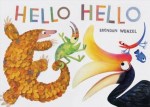
  • Hello Hello by Brendan Wenzel
  • More, More, More Said the Baby by Vera B. Williams
  • Hooray for Hat by Brian Won
  • Where’s My Nose? by Lucas Zanotti

What are your favorite books to share at preschool and toddler storytimes?

Related posts:

Baby Lapsit Storytime

Great Books to Share with Two- and Three-Year-Olds

Upselling in the library

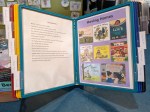
“Upselling” is a sales term that refers to convincing customers to purchase additional items or a more expensive version of the same item. However, we can “upsell” in libraries too – and it doesn’t cost people anything! It’s just a way of promoting library materials or services that patrons may not be aware of…yet. For example:Booklist menu, with text on the left and book cover images on the right. Theme: Moving Homes

  • Readers’ Advisory: Someone is moving soon, and wants some books about moving to help prepare their child(ren). I can recommend a few – and I can also walk them over to the menu of booklists I made on frequently requested topics like moving, first day of school, new baby, and big feelings. This is also a good time to mention the Book Bundle service, where patrons can fill out a form and get personalized book recommendations.
  • Museum Passes: If a patron is checking out books about art or natural history, or mentions that they are looking for activities for the family, ask if they know about the library’s museum pass program. Patrons can reserve museum passes from the library for discounted or free admission!
  • Programs: When talking with families with kids in certain age ranges, make sure they’re aware about any programs you offer for kids in that age group – for instance, baby lapsit storytime for infants, Rhyme Time and Story Time for toddlers and preschool, STEAM and graphic novel book club for elementary-age students.
  • round Libby app iconE-books and Audiobooks: Do patrons know about Libby? Some parents/guardians may even be using Libby themselves for e-books and digital audiobooks, but aren’t aware that there are thousands of kids’ titles too! I make sure to mention this if a family tells me they have a road trip coming up, because audiobooks make long drives much better.
  • Library Network: Most public libraries belong to a consortium, a network of other libraries in the state that share materials. So, if my library doesn’t have a book, another library will lend it to us. Patrons can borrow it from their home library, return it to their home library, and the system will take care of getting the book back to its place. I use this system daily, but rather than taking it for granted, I appreciate how truly magical it is. And, with the simple but functional library app, patrons can place hold requests, see what they have checked out, renew items, and make lists.
  • Databases: Libraries have access to databases across a variety of topics: newspapers, language learning, test prep, even crafting! Although, with the administration’s drastic cuts to the Institute of Museum and Library Services (IMLS), database access in Massachusetts has been reduced lately.

How do you upsell in the library?

Chalk painting and STEAM

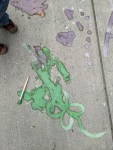
green and purple chalk paintingI cannot bear waste, so I’m always seeking ways to use up the last little bits of things – for example, little nubs of sidewalk chalk too small to draw with. Over school vacation week, my handy 9yo assistant happily picked all the small bits of chalk out of the bin and bashed them up (carefully) with a hammer. (She separated the chalk by color into different bags and crushed them on a piece of cardboard outside.) I funneled the colored chalk into separate containers, and waited for good weather…which arrived today! After story time, I mixed the powdered chalk with water in bowls, and we went outside to the library patio for some chalk painting. It was great fun! There’s still plenty of chalk left, so we may do this at STEAM as well later this summer.

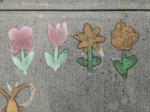
chalk paint flowersNow that I’ve reduced STEAM time for kids ages 5-11 to a manageable frequency (twice a month instead of every week), it’s been going great. Here are some of the activities we’ve done since the program began in January:

  • Robot Turtles board game
  • Spot It! card game
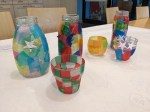
  • Creating and decoding messages with Caesar ciphers glass jars covered in tissue paper and modpodge
  • Penny boats (supplies: aluminum foil, watertight bins, water, about $5 in pennies)
  • Jigsaw puzzles
  • Word scrambles
  • Building block challenges with big and regular-size Jenga blocks
  • Primary color painting
  • 3D paper snowflakes (supplies: paper, stapler/tape, scissors, yarn or ribbon)
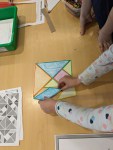
  • Make Your Own Board Gamea pair of hands arranging tangrams into a square
  • “Stained glass” luminaria (supplies: old honey or jam jars, tealights, colored tissue paper, mod-podge, brushes)
  • Make Your Own Tangrams (supplies: cereal boxes, Tangram template, markers/crayons, scissors, glue). This is one of my favorites, because of the way it combines art and math; I’m looking forward to doing tessellations later.
  • Scattergories Jr.
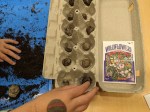
  • Origami bookmark cornerswildflower seed bombs in egg carton with seed packet
  • Wildflower seed bombs (supplies: clay, compost, seeds; egg cartons to transport them home)

Sometimes, we start STEAM with a book to introduce the topic, or to use as a reference during our activity. For example:

  • Mix It Up! by Herve Tullet (for primary color painting)
  • The Science of Seafaring by Anne Rooney, Big Book of Science Experiments (2011), Alpha Bravo Charlie by Sara Gillingham (for penny boats)
  • Maker Comics: Design A Game! by Bree Wolf (for make your own board game)
  • Math Lab for Kids by Rebecca Rapoport and Highlights Tangrams (for Tangrams)
  • Yoko’s Paper Cranes by Rosemary Wells (for origami bookmarks)
  • Wintergarden by Janet Fox and Up in the Garden and Down in the Dirt by Kate Messner (for seed bombs)

In general, this has been a fairly easy, low-budget program to run. I keep a running list of ideas, books, and materials in a google doc, and use a lot of recyclable materials (like cereal boxes or honey jars) or ones we already have (like paint and paint brushes), or share new supplies with teen programs (teens made seed bombs too).

Guest presenters occasionally lend their expertise: in early spring, an author from Northeast Wildlife visited to teach about animal tracks, scat, and food sources (lots of animals each acorns!). This summer, our regional health nurse is bringing UV bead bracelets to emphasize the importance of sun protection, and one of our library trustees, who is also a master quilter, is going to lead a session on hand-sewing and help us make a small quilt we can hang in the library. So, we’re STEAMing along!

Everywhere Babies: Baby Lapsit Storytime

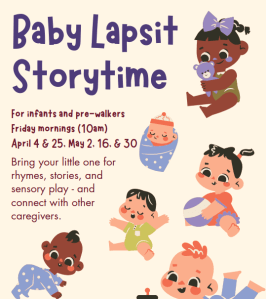
Our library’s weekly children’s programs – Rhyme Time, Story Time, and Playgroup – are all open to kids from birth to age five, but until this year we didn’t have anything specifically for babies. In late February, I introduced Baby Lapsit Storytime, for babies from birth to 12 months or walking, and people started coming right away!

Flier for baby lapsit program

Flier made in Canva

As always, Jbrary served as an excellent resource, as did Mel’s Desk, the Show Me Librarian, KCLS, the book Baby Storytime Magic by Kathy McMillan and Christine Kirker, and of course, the Massachusetts youth librarian listserv (a.k.a. massyac).

From these sources, as well as my own favorite board books and memories of the baby storytime I attended at the Belmont Public Library several years ago, I put together a 20-30 minute program of songs, rhymes, books, and early literacy tips (the PLA Early Literacy Calendar has lots of these; I hand out a copy of each month’s calendar and suggestions to those who want one). I collected baby-friendly toys (no choking hazards, easy to wipe down or wash) from our current collection of stuff, plus leftovers from the Toy Swap; I also use the play scarves from Rhyme Time (and bring them home with me to wash).

Room setup: Vacuum the rug and set the bean bags up in a circle. Pull some chairs over too for those who are more comfortable sitting. There’s room for “stroller parking” in the back. The box of baby toys stays on the table until after the more structured part of the program happens. Extra copies of board books go on the little side table next to my chair, and I set up extra books along the window ledge (other board books, picture books for babies, poetry, etc.); if they’re in easy reach, people will check them out!

  • Welcome and introductions: We start whenever at least one, but ideally two, baby/caregiver pair(s) has/have arrived. Because of what I call “baby time,” this isn’t always precisely at 10am.
  • Song: “Well Hello Everybody, Can You Touch Your Nose?
  • Rhyme/fingerplay: “Open Shut Them”
  • Early literacy tip (e.g. rhymes and songs are important for babies because they slow down words and help babies hear the different sounds – an important preliteracy skill)
  • Song cube* song (ABCs, Itsy-Bitsy Spider, I’m A Little Teapot, Where Is Thumbkin?, etc.)
  • Rhyme/bounce: “The Grand Old Duke of York” (usually twice)
  • Book (see image and list below)**
  • Rhyme/play: Peekaboo to the tune of Frere Jacques
  • Song: “Head and Shoulders” by Ella Jenkins: we do head and shoulders, knees and toes, back and belly.
  • Early literacy tip (e.g. fingerplays help babies build the small muscles in their hands, preparing them to grip crayons so they can draw and write)
  • Scarf/rhyme: “Popcorn Kernels in the Pot” and/or “Jack in the Box”
  • Rhyme/bounce: “Trot, Trot to Boston” (I learned this one as an adult, it’s pretty New England specific)
  • Song: “Twinkle, Twinkle, Little Star”
  • Goodbye and closing: announce dates of next baby storytimes, and anything else interesting coming up – for example, we have a babywearing expert visiting next month, and a babies and kids clothing swap later this summer.
  • Play, socialize, and help! Put the toys on the rug and offer copies of the early literacy calendar. It’s so important for caregivers to have time to talk with each other, to exchange tips, to commiserate, to share information with each other. During this time I often play with babies, read them an extra book, offer info about library resources, or go and get specific books from our shelves.

*I got the song cube idea from another librarian friend. I make mine out of empty tissue boxes, paper, marker, crayons, and clear packing tape. Each side has a picture that corresponds to a simple, well-known song, e.g. a teapot for “I’m A Little Teapot,” a spider for “Itsy-Bitsy Spider,” a rowboat for “Row, Row, Row Your Boat,” a rocket ship for “Zoom zoom zoom, We’re going to the moon.” You can see a couple of examples from this Step Into Storytime post.

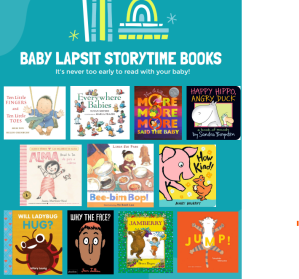
baby lapsit storytime books flier with book coversVisual book list made in LibraryAware

**A week or so ahead of time, I request a board book or full-size picture book for myself, and extra copies of the board book for caregivers to read along if they want. Here are the books we’ve read so far:

  • Ten Little Fingers and Ten Little Toes by Mem Fox and Helen Oxenbury
  • Everywhere Babies by Susan Meyers and Marla Frazee
  • More, More, More Said the Baby by Vera B. Williams
  • Happy Hippo, Angry Duck by Sandra Boynton
  • Alma, Head to Toe by Juana Martinez-Neal (this one is bilingual, English/Spanish; there is also Alma and Her Family, Alma at Home, and Where Is Pajarito?
  • Jamberry by Bruce Degen
  • How Kind! by Mary Murphy

Baby storytime has been an absolute delight, and I’m excited to keep it going. I’m grateful for the advice of other librarians and early literacy specialists, and to the caregivers for bringing their babies to the library. It’s never too early to begin reading with babies (or to sign up for 1000 Books Before Kindergarten!).

Unreasonable Hospitality in the Library

Last fall, the Massachusetts Library System (MLS) Youth Services Section (YSS) hosted a virtual “Lunch and Learn” with the folks from the Westwood Public Library‘s PR/marketing team. They spoke about being proactive and intentional instead of reactive, about brand consistency, quality control, and increased engagement with the community, and about sustainability and succession (so all the institutional knowledge doesn’t walk out the door when one person leaves).

Cover image of Unreasonable HospitalityToward the end, they recommended three books: The Non-Designers Design Book by Robin Williams, This Is Marketing by Seth Godin, and Unreasonable Hospitality by Will Guidara. I just read Unreasonable Hospitality, and was thinking about ways we can offer excellent service and hospitality in libraries. (Guidara writes mainly about his area of expertise, restaurants, but the core principles are applicable to any service industry.) How do we make people who visit the library feel welcome, at home, seen, listened to, and cared for? What needs can we anticipate and fulfill?

One thing public libraries in Massachusetts do that often strikes people as magical when they first learn about it is our inter-library loan system. If a local library doesn’t have the book you want on its shelf when you want it – either because they don’t own it or it’s checked out – you can request a copy, and another library in the consortium will send it over. You can return the book to your home library or any other library in the network, and that library will make sure the book gets back to its owning library. It’s the magic of sharing! (And an algorithm, and van drivers, and sorters at the central facility, etc.) This saves people time and money, and it’s a pretty cool service.

ILL is a core service of libraries as far as I’m concerned, and so are programs: author talks and book signings, storytimes, Lego and games, book clubs, ELL and language learning groups, knitting and sewing groups, history and science lectures. The library is that “third place” where people can gather for entertainment, education, and community, without having to purchase anything. Being responsive to what the community wants – making sure people know that staff are open to ideas and willing to try new things – is part of building community and trust. It’s why I encourage patrons to talk to me in person, contact me by e-mail, or put a note in my desk mailbox. A lot of the new programs I’ve developed over the past year and a half have come out of these interactions, including Pokemon Club and the toy swap.

Hospitality means going beyond your organization’s core functions, however; beyond the “black and white” and into color, as Guidara puts it. What are the special, small, meaningful things you do to make people feel comfortable? In a children’s room, that might mean making sure all the outlets are covered, there’s a place to hang coats and park strollers, and there’s a changing table in every restroom. It could mean that books face cover-out as much as possible, there are toys to encourage play, and signage is friendly and informative. It could mean you have a first-aid kit ready to hand, bookmarks to give away, and stickers or hand stamps to ease the transition of leaving the library. It means greeting people who walk in the door, learning the names of the regulars…even remembering their tastes and preferences and making personalized recommendations.

What touches of hospitality have you put in place in your library (or bookstore, or other service workplace)? Where have you experienced remarkable, unexpected, “unreasonable hospitality” yourself?

A big part of what made “unreasonable hospitality” work in Guidara’s restaurants was that the staff was empowered to enact ideas, make exceptions, etc. without getting approval from a manager. This approach made me think of the organization and management of public libraries course I took in grad school; the teacher, an adjunct who had worked in many libraries, told us that the manager’s job is to make it possible for everyone else to do their jobs, and then get out of the way. In other words, don’t micromanage; instead, train and trust your staff, empower them to handle their responsibilities, make sure they have what they need to succeed, and be there to back them up. Unreasonable Hospitality is a beautiful example of that principle in action.

On Maintenance

Innovation is exciting and splashy; maintenance doesn’t get the same attention, but it’s absolutely essential. As Jenny Odell writes in How to Do Nothing: Resisting the Attention Economy (2020), “Our very idea of productivity is premised on the idea of producing something new, whereas we do not tend to see maintenance and care as productive in the same way.” And here’s John Green quoting Kurt Vonnegut in The Anthropocene Reviewed (2021): “[O]ne of the flaws of the human character is that ‘everybody wants to build and nobody wants to do maintenance.'”

Icon of a calendar and a clock from The Noun ProjectMy own human character is certainly flawed in other ways, but for the most part, I really enjoy “doing maintenance.” (Although it would also be really nice to trim my nails to the right length once and have them stay that way forever. Alas.) In the context of library work, though, it can be challenging to show how much time and care go into maintaining the programs, services, and space; nothing runs on autopilot, and everything takes time. Some tasks are daily, some weekly, some monthly, some quarterly or annually or as-needed, but it all adds up.

Library jobs are not the only ones affected by “scope creep” or “mission creep.” We’re often asked to – and praised for – “do(ing) more with less” (usually less resources and/or staff) but at some point, just maintaining everything you’re already doing takes all of your time, so in order to add something new, you have to take something away. In my current job, I’m fortunate that I’m not being pressured to do more all of the time, and I don’t have to push back and set those boundaries. (If you are in that position, a helpful phrase is, “Yes, we can do [new thing]. What are we going to reduce or stop doing in order to do [new thing]?” or some variant of that.)

Hands arranging tangrams on a tableMy approach for the first year or so of this job was to maintain the programs that were already in place and popular, and try some new things too: the “Throw it at the wall and see what sticks” approach. Some were successful and are still going (Lego & Games two afternoons a week); some never got off the ground (Girls Who Code, Caregiver Cafe); some were successful for a while but ran their course (Pokemon Club, Comics Club, My First Book Club). When introducing a new program, you want to give it a few chances; don’t cancel it if no one shows up the first time.

As the new calendar year begins, I’ve made some changes to our programs: I replaced Comics Club/Comics & Crafts with STEAM Time, and My First Book Club is going on hiatus until summer; it might be a summer-only program, as it’s especially helpful for families with rising kindergarteners. Caregiver Cafe didn’t work out, but Baby Lapsit Storytime has been a great success.

Again, I’m fortunate that I have the autonomy to make these decisions and these changes, and respond to community needs. “That’s how it’s always been done,” on its own, is not a good reason to continue doing things that way; at the same time, new is not always better. What programs are most popular in your library? What programs have flopped? Which have been successful?

three small blond kids holding a parachute

The art of the pivot

Last summer, I piloted “My First Book Club,” a program for rising kindergarten and first grade students and their grown-ups. It was successful at first, but attendance dropped off after the fall – partly, I think, because I had to alternate between the more popular Saturday morning time and Friday afternoons, which didn’t work as well for everyone. (If we had another Children’s Librarian who could also offer weekend programs…)

I decided our February book club would be the last one until summer, when I would run it again for a new group of rising K/1st graders. No one showed up for the program…but, there were plenty of kids and adults in the children’s room, so I invited them all in for a storytime instead. We read the same two books – Arihhonni David’s The Good Game and Who Will Win? – and used the coloring sheets I’d printed (a flying squirrel and a bat, characters in The Good Game), I just sprinkled in a few songs and rhymes as well: “Open Shut Them,” “The Itsy-Bitsy Spider,” and the Ella Jenkins version of “Head and Shoulders.”

So, instead of having a book club with zero attendance, I had a storytime with eleven kids and grown-ups, all of whom were pleased and grateful. With experience, it’s fairly easy to pivot from one program to a very similar one, even for a different age group – going from a music program to STEAM would be a different story – but in this case, it worked out for everyone!