Most kids learn at least a little about genre in school; they can probably name a few, like mystery, historical, fantasy, and science fiction. I, too, was familiar with the traditional genre labels, until I took a workshop with Joyce Saricks, author of The Readers’ Advisory Guide to Genre Fiction, while I was working at the Robbins Library in Arlington. In her book, and in the workshop, she examined books through the lens of appeal factors, and divided them into the adrenaline genre, the intellect genres, the landscape genres, and the emotion genres.
I no longer have my original notes on the workshop, but I believe it was Joyce Saricks who used the term “speculative” as well, for books that ask “What if…?” Although she classifies fantasy as a landscape genre and science fiction as an intellect genre, both imagine worlds different from ours in some way. This, for me, is a reading sweet spot: not space opera or high fantasy (though I read those too), but a world that’s like ours, but with a twist: there’s time travel, or a coup changes the political landscape, or there’s been a climate catastrophe, or a lethal pandemic, or women are more powerful than men. Or humans have disappeared altogether! They are alternate histories, dystopias, or futuristic stories. These books challenge and stretch readers’ imaginations, encouraging us to place ourselves in that situation and imagine: What if?
Speculation has value as rehearsal; reading is a way to experience something and think through your responses and reactions without having to experience the situation in real life. Here are some of the speculative books I’ve enjoyed over the years. Some are lighthearted, some scary, some a little too close to reality for comfort.
Nonfiction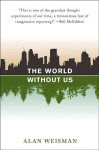
- The World Without Us
- What If We Get It Right?
Fiction
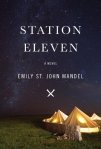
- Station Eleven by Emily St. John Mandel
- The Time Traveler’s Wife by Audrey Niffenegger
- This Time Tomorrow by Emma Straub
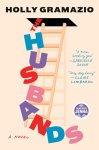
- The Husbands by Holly Gramazio
- Famous Men Who Never Lived by K. Chess
- Parable of the Sower by Octavia Butler
- The Future by Naomi Alderman
- Stories of Your Life and Others by Ted Chiang
- An Unkindness of Ghosts by Rivers Solomon
- The Bone Clocks by David Mitchell
- Beautyland by Marie-Helene Bertino
- The Ministry of Time by Kaliane Bradley
- Moonbound by Robin Sloan
- The Night Bookmobile by Audrey Niffenegger
Fiction (in which things are very different for women, specifically)
- The Handmaid’s Tale by Margaret Atwood
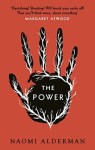
- The Power by Naomi Alderman
- When She Woke by Hillary Jordan
- Red Clocks by Leni Zumas
- When Women Were Dragons by Kelly Barnhill
Young Adult
- The Loneliest Girl in the Universe by Lauren James
- Unwind by Neal Shusterman
Children’s
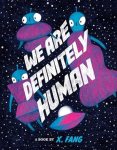
- We Are Definitely Human by X. Fang
- Journey by Aaron Becker
- When You Reach Me by Rebecca Stead
- We’re Not From Here by Geoff Rodkey
- Finn and Ezra’s Time Loop Bar Mitzvah by Joshua Levy
- The Color of Sound by Emily Barth Isler
- The First State of Being by Erin Entrada Kelly
- The Last Cuentista by Donna Barba Higuera
What are your speculative favorites? What do you like or dislike about the genre?
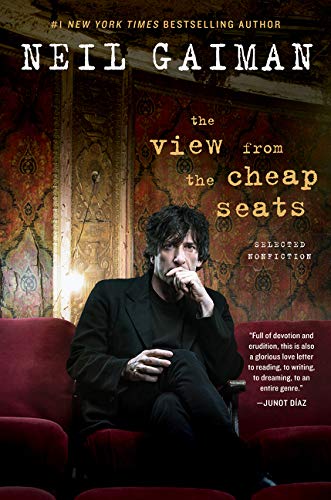 Back in 2016, I wrote a post
 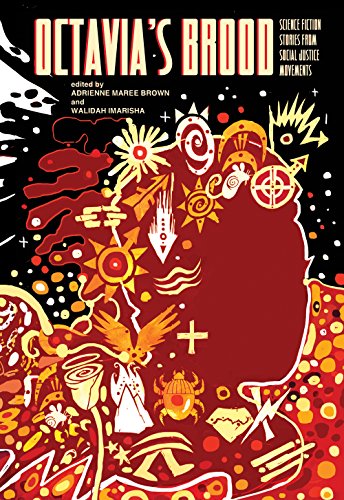 She writes that science fiction “allows us to imagine possibilities outside of what exists today,” and asserts that science fiction is the only genre that “allows us to question, challenge, and re-envision everything all at once.” Imarisha uses a new-to-me term as well: “Visionary fiction offers social justice movements a process to explore creating those new worlds….This term reminds us to be utterly unrealistic in our organizing, because it is only through imagining the so-called impossible that we can begin to concretely build it. When we free our imaginations, we question everything….That is why decolonization of the imagination is the most dangerous and subversive decolonization process of all.”
 Jenny Arch