Wayfinding and Signage: Principles and Planning

Icon of libraryOn May 14 I attended the Massachusetts Library System (MLS) workshop on Wayfinding & Signage, taught by Anna Popp. I’ve had an interest in this topic as long as I’ve been working in libraries (and maybe, as the kind of person who actually reads signs, for most of my life); I read Useful, Usable, Desirable almost ten(!) years ago, and have kept it in mind since.

MLS has an excellent LibGuide about Wayfinding and Signage with lots of resources; Anna covered a lot of the material here in her workshop, starting with the difference between the two: Volume icon from the Noun ProjectWayfinding helps people orient themselves in a space, figure out where they need to go, and how to get there; essentially, wayfinding is navigation. Signage is meant to influence a person’s behavior (e.g. borrow this book, attend this program, keep your voice down). Signage may be promotional (programs and services), operational (hours, policies), or instructional (how to use the printer), and therefore has an expiration date. 

Icon of stairsSo, wayfinding aids users navigating the space; signage influences users’ behavior. But before putting up any signs, ask: Who needs to know this? Where are they? What information do they need to make a decision? (In fact, Anna suggested inventory: taking down all signs, and only replacing the ones that are essential.) Try to avoid visual clutter by identifying the minimum amount of information necessary and including only that. 

Anna also suggested taking some time to observe patrons in the library building. Pay close attention to “transition zones” (spaces that are between other places, like hallways, stairwells, entryways) and identify friction points. Where do people pause and look around? There are three levels of wayfinding:Icon of elevator orientation, route decision, and destination. Where on their journey are people pausing and looking for help? “Folks need reassurance that they’re headed in the right direction.” If you can, get a patron to talk you through their experience – a walk-and-talk usability test. As library staff who work in the building every day, we may be too close to see problems that patrons encounter. (Also, we may not use the same bathrooms or even the same entrance to the building!)

We looked at lots of examples of wayfinding and signage in libraries – good, bad, and in-between – and talked about principles of design (choosing brand fonts, colors, and imagery; using white space; making sure it is ADA accessible). Icon for toiletAnna didn’t specifically mention it, but another consideration is users who don’t speak English. I do like visual signs and color coding, partly for this reason (although color coding will only work for about 85% of users).
Consider the user experience: Who is the centered audience? Who is the decision maker? Where will they be? How do they think about the library? For example, you might be advertising a toddler singalong; the toddlers are the audience, but the decision maker is the caregiver. Use natural, patron-centered language, not library jargon (e.g. research instead of reference). 

So, now what? Anna suggested that we (1) inventory our signage, (2) name our fonts, colors, and icon family, and (3) identify our patrons’ destinations. Fortunately for me, the children’s room in my library isn’t hard to find: it’s directly ahead from the entrance (the circulation desk is on the right as people enter) and has CHILDREN’S in big frosted-glass letters above our door. But there are still things I can do within the children’s area to make it more navigable for folks; for example, in the sections that are shelved alphabetically, I could put in shelf markers where each letter begins. (Why are these ones from Demco so expensive?! I could use these instead and put the letters on myself…)

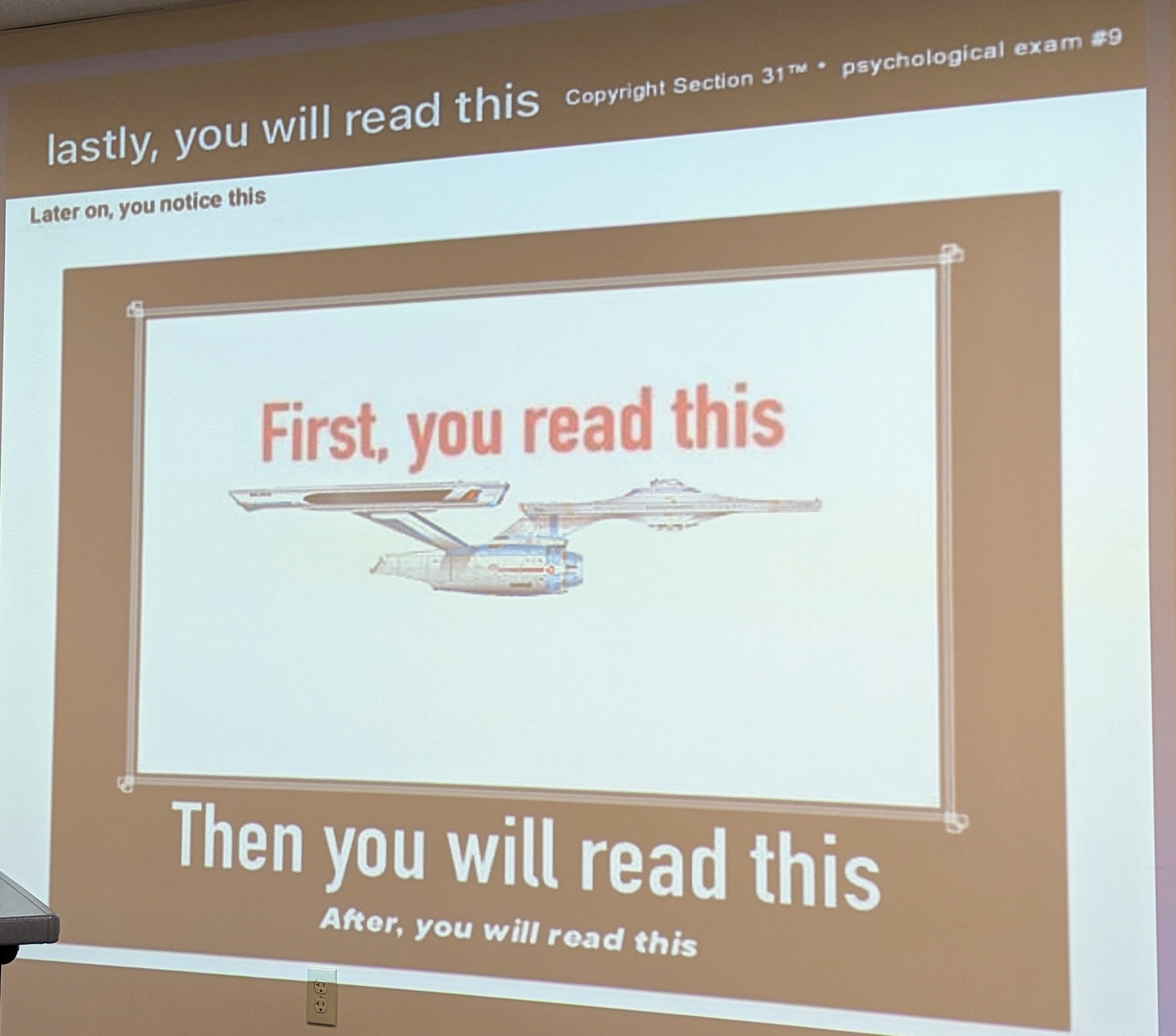
photo of "first, you read this"

Above: the fun concluding slide to Anna’s presentation. I read the first three in order but switched the 4th and 5th. What about you?

All other images in this blog post come from The Noun Project.

MLA 2024: The Heart of the Community

The Massachusetts Library Association (MLA) annual conference was yesterday and today in Framingham. I got to attend yesterday, and it was a full day of speakers, presentations, vendors, and catching up with library colleagues from around the state. The last MLA conference I attended was in 2019; I presented with two other librarians about DIY usability testing on library websites. (It seems like much, much longer than five years ago.)

First up, at 8:15am: “Expanding Literary Horizons: Hosting a Reading Challenge to Foster Diverse Reading Habits,” with Karolina Zapal (Massachusetts Center for the Book), Veronica Koven-Matasy (Boston Public Library), and Hannah Bernhard (UMass)

  • The UMass summer reading challenge began in 2020 as a way to build community and connection while students were at home. Hannah, with the office of Student Success, built cross-campus collaborations with the UMass libraries and the English department; this increased the program’s reach (contacting students by email) and visibility (social media). Participation has increased each year, and they have moved away from prize incentives toward a pizza party (again, bringing people together).
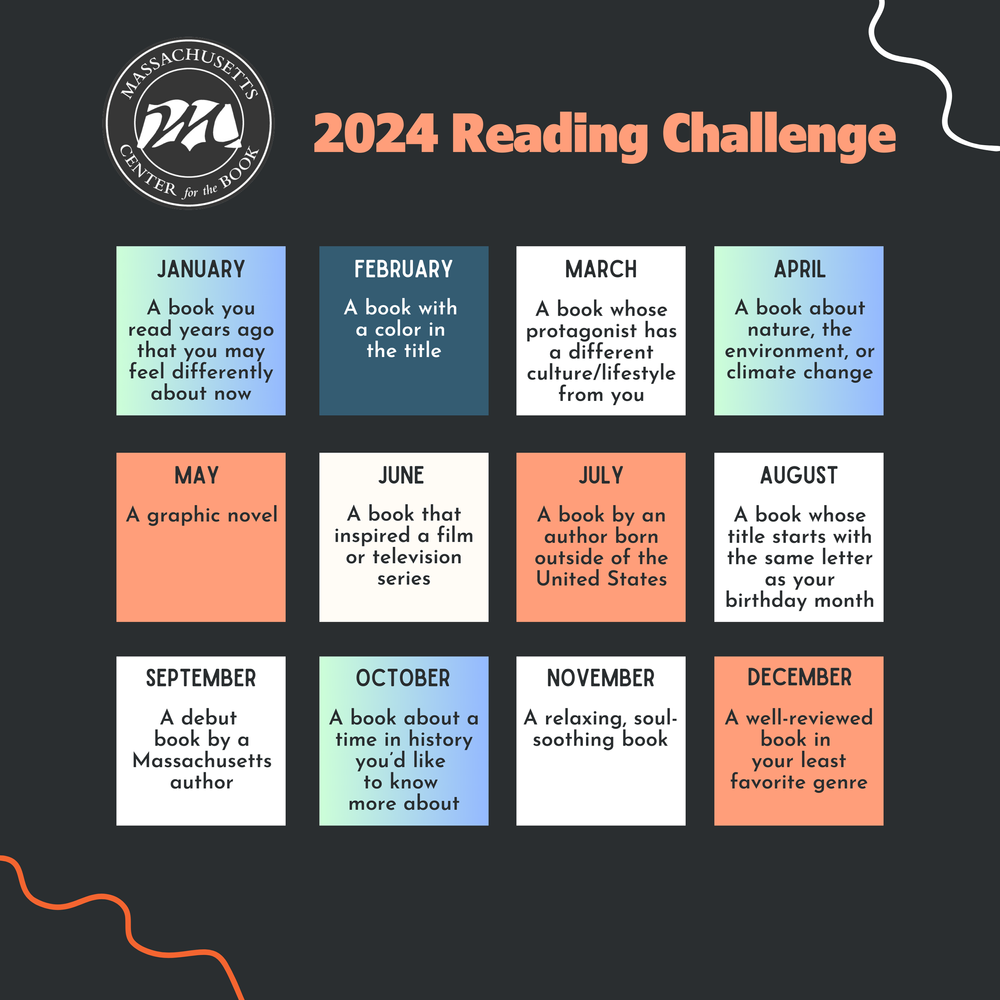
  • Veronica from the Boston Public Library talked about a number of reading challenges for adults: summer, winter, and year-long. The year-long challenge wasn’t as much of a success for BPL, but engagement with the winter (Jan-Feb) and summer (Jun-Aug) has been good. Bingo-style sheets include things other than “read a book” (e.g. learn something new about your neighborhood, listen to a new song, etc.). Reading challenges for adults bring new patrons into (or back to) the library, connect patrons with resources, encourage love of reading and support of the library, help patrons diversify their reading, offer opportunities to cross-promote other programming, engage staff, and are fun! They don’t use themes, but they do craft bingo items around book lists they make in advance, and they find newsletters a better way to communicate than social media.2024 Reading Challenge
  • The Center for the Book uses a “12 months, 12 books” model for their challenge, and relies on public libraries and independent bookstores as partners to spread the word and promote the challenge. People can sign up online and track their reading; there is a monthly newsletter and monthly prize drawings, and two year-end celebrations (in Northampton and Boston).

Exhibit Hall Break! I chatted with vendors from Transparent Language (I’ve been doing their ASL for Librarians course, and it’s fantastic), MLS, NELA, and others. I checked with both Baker & Taylor and Ingram to see if they had new award posters, but they didn’t; I found some downloadable ones from Follett, though.

10am: “Banned in the USA: A History of Censorship, Book Bans, and First Amendment Freedoms,” Jocelyn Kennedy, Executive Director of the Farmington (CT) Libraries

  • Jocelyn ran us through the history of censorship in the U.S., though she said that censorship has existed as long as the printed word, and even before: “We don’t like when other people say things that we don’t like.” A few keywords and cases to search if you’d like to learn more: First Amendment, Sedition Act, Tariff Act, obscenity laws, Anthony Comstock (grr. See: The Future of Another Timeline by Annalee Newitz), Title 18 of the Federal Criminal Code, Joseph McCarthy and HUAC, the Hayes Code, the Comics Code Authority, Miller v. California (1973), Island Trees Union Free School District v Pico (1982), ALA Office of Intellectual Freedom (OIF).Approved by the Comics Code Authority
  • Government censorship is only part of the picture; some industries and organizations self-censor, sometimes in order to prevent government censorship. (Think of those “parental advisory” stickers on music CDs, movie ratings, etc.)
  • Book challenges from individuals and organized groups are on the rise in the past few years, but the Pico v. Island Trees case set the precedent that school boards can’t remove books from school library shelves just because they don’t like them. Jocelyn said, “It’s important to remember that it’s a very small group of people who are pressing for censorship and book bans [but] they’re very well organized.” The best thing you can do is make sure you have a strong collection development policy and a strong consideration policy, backed by procedure. (If your library doesn’t have these policies, or needs to update them, the MLS helpfully collects examples.) And, administrators need to support frontline workers.

11:10am: Leading with Love: Celebrating Pride at Your Library,” Jenny Santomauro (Peabody Institute Library of Danvers), Taylor Silva (Fall River Public Library), Miz Diamond Wigfall (a.k.a. AJ)

  • FRPL hosted its first Drag Storytime in 2019, and hundreds turned out: so many that they had to offer the program several times that day. They hosted drag storytime several more times, again with high attendance and support and minimal protests, but in December 2022 the program was interrupted by hate group NSC-131, which tried to prevent people from entering; police presence helped ensure that the event ran uninterrupted. After another successful drag storytime in January 2023, leadership made the decision to move the venue from the library to the town recreation department, citing staff safety concerns. However, drag storytimes and Pride events continue in Fall River with plenty of support. Taylor leveraged existing relationships with individuals in the community and community groups to gain support for LGBTQIA+ friendly events and to offer more, like day trips, movie nights, craft programs, and a D&D group.
  • Jenny spoke about a drag makeup class for teens, offered in May before Pride one year. The class filled up just minutes after being posted online, but then attracted hateful comments and threats. They were “scared but determined….We didn’t want to kowtow to these hate groups…We wanted to show that the library was a strong ally.” Police took the threats seriously, and allies showed up to create a “wall of love.” At future LGBTQIA+ events, the library advertised to local groups and schools, only posting to social media immediately before the event. There is a “clear need and desire for queer programs” in Danvers, and more supporters show up in person than protestors do. 
  • Miz Diamond Wigfall echoed this sentiment, saying that “keyboard warriors” are active online but few show up in person. It’s also important to have all-ages queer programs and spaces, as so many queer spaces are 18+. Parents are grateful for their kids to have safe spaces.

Rainbow heart

12pm: Landscape Ideas for Education, Engagement, and Climate Resilience,” Elena Zachary, Regenerative Design Group, Greenfield, MA

  • Elena talked about climate change, and the effects it’s already having in New England, and different types and sizes of garden projects that can help mitigate extreme heat, drought, and extreme rainfall, flooding, and storms. It’s possible to reduce heat island effects through landscaping by planting shade trees, for example, or “pocket forests.”Cover image of Nature's Best Hope by Doug Tallamy
  • RDG works on other projects, such as creating rain gardens, accessible gardens, outdoor classrooms, educational gardens, pollinator gardens, bird-friendly gardens (better than bird feeders: you don’t have to worry about bears, or refilling the feeders), and historical and cultural heritage gardens.
  • What can libraries do? (1) Add native perennial plants to existing landscapes; (2) Plant and manage chemical-free (no chemical fertilizers or plants treated with neonics); (3) Mow less, and less often, and participate in No Mow May; (4) Leave the leaves – rake them off lawns and into beds to insulate shrubs and perennials, especially as there is less snowfall; (5) Use rain gardens, swales, and vegetation to infiltrate water onsite and avoid runoff.
  • What else? Engage the local community, find out what they want – benches for reading, a living seed library, plant exchanges, edible gardens? Use public land to set an example (good signage helps!) and educate people that they can transform their own spaces as well – every little bit helps.
  • Available grants: ARSL Sustainable & Resilient New England Libraries, LSTA/MBLC Dig In.

2pm: Martha’s Vineyard Land Transfers: Being an Ally to Indigenous Peoples and Beyond,” Kara Roselle Smith (Chappaquiddick Wampanoag)

  • Cover image of This Land Is Their LandKara spoke about her historical family connection to Martha’s Vineyard – which was inhabited by the Wampanoag people before First Contact, but is now inhabited by descendants of colonizers – and Indigenous efforts to regain land that was wrongfully taken from them: “The stealing of native land wasn’t just a one-time event…[it] continues to this day.”
  • She showed a long clip from a TEDx Talk by Lyla June (Diné), “3000-Year-Old Solutions to Modern Problems,” in which June describes land management techniques that decenter humans and design for future generations. June explained that European colonizers misunderstood Indigenous land management practices – “living heirlooms” – and that Indigenous people are a “keystone species.”
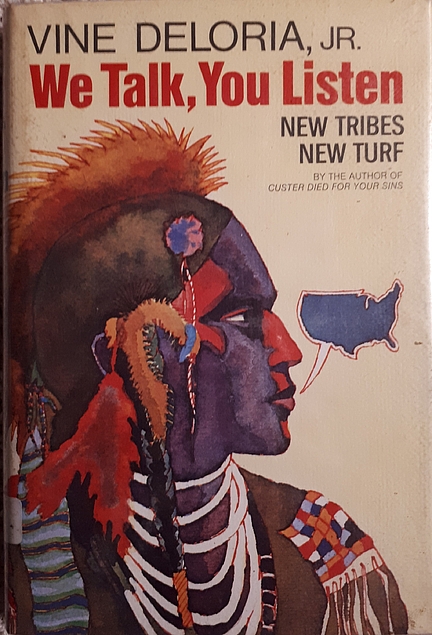
  • Cover image of We Talk You ListenKara recommended two books for further reading: This Land Is Their Land by David J. Silverman and We Talk, You Listen by Vine Deloria Jr. (I would add that another good book on this topic is Occupying Massachusetts by Sandra Matthews, David Brule, and Suzanne Gardinier.)
2:40pm: “Touchpoints in Libraries,” Lyndsay Forbes (MBLC) and Christi Farrar (MLS)

  • The Touchpoints training program was developed by T. Berry Brazelton in 1995, originally designed for health care settings but adapted for libraries. Why Touchpoints in libraries? “It’s about family engagement.” Touchpoints is a systems approach, and libraries are part of a child’s system.
  • Touchpoints is a way of addressing different perspectives and assumptions, recognizes our own biases, and moving from a deficit-based view to a strengths-based one. Library staff can change our interactions with patrons by understanding where we’re coming from and being good listeners.
  • Starting in 2020, the MBLC and MLS began the process of going through the “train the trainer” program and offered the first trainings with two cohorts in 2023; another training will be offered this fall. Cohort learning creates a professional learning network, encourages reflective practice, and models relationship building.

3:30pm: “Our Grandest Challenge with The Sustainable Libraries Initiative,” Rebekkah Smith Aldrich, MLS, LEED AP

  • “Even if we do everything right [climate-wise from here on], we have a minimum of another 30 years of increasingly severe and scary weather….It’s already here, it’s already impacting us.” The medical community is calling climate change the biggest threat to global public health: “The climate crisis will profoundly affect the health of every child alive today.” –The Lancet
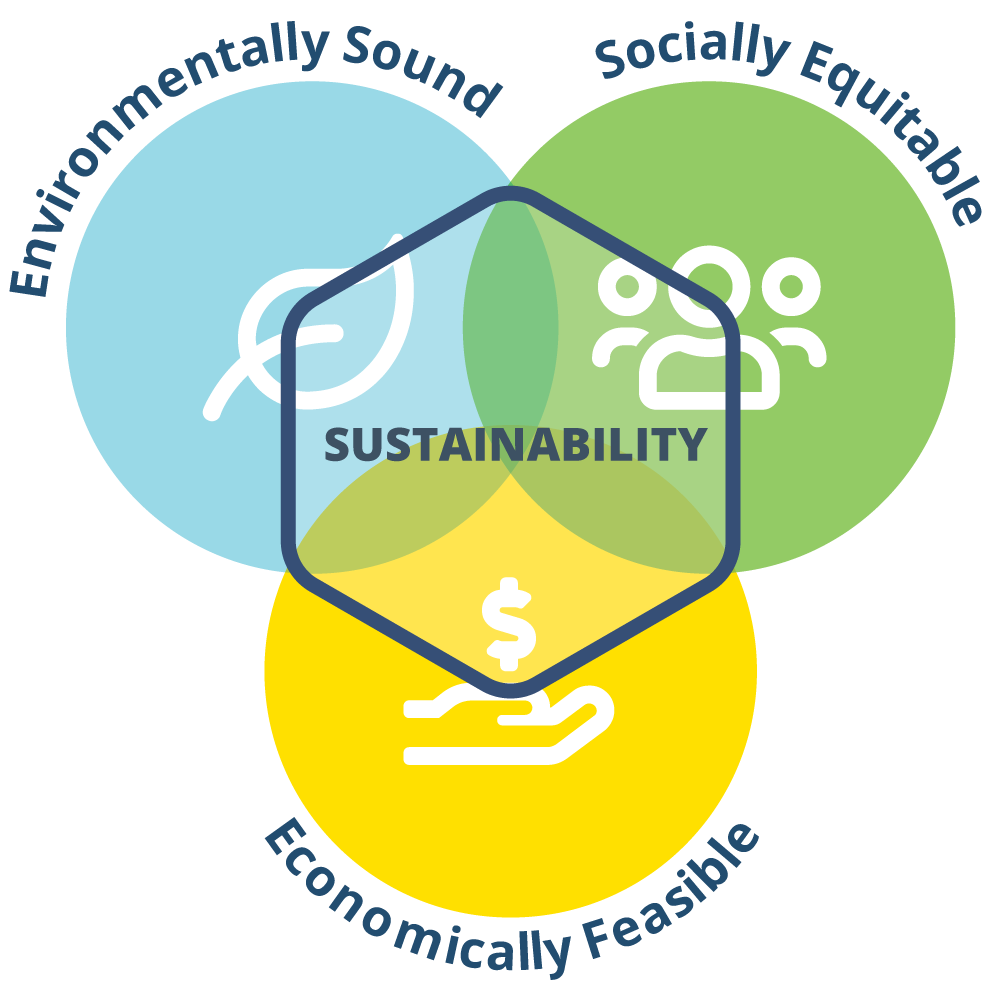
  • Triple Bottom Line graphicThe ALA added Sustainability to its Core Values in 2019. That means it should be part of our framework for libraries’ decision-making. Look at the “triple bottom line” definition: environmentally sound, socially equitable, economically feasible (see graphic at right).
  • Librarians can align for collective impact, like the Blue Marble Librarians are doing. Project Drawdown is a good resource: “embrace the idea that every job is a climate job.” Libraries can do a lot to mitigate climate change – even small changes like using LED lights add up, and putting up solar panels is even better. Put EV charging stations in the library parking lot, and build net-zero goals into strategic plans, like Concord.
  • Libraries are also important when it comes to disaster preparedness and community resilience. Communities with tighter social fabric will do better (see: Heat Wave by Eric Klinenberg). A few more resources and ideas:Cover of Heat Wave by Eric Klinenberg

Finally, Governor Maura Healey’s keynote speech was moved from the morning to the afternoon, to close out the day’s presentations. She quoted one of my all-time favorite library quotes, from Caitlin Moran’s essay “Alma Mater”:

A library in the middle of a community is a cross between an emergency exit, a life raft and a festival. They are cathedrals of the mind; hospitals of the soul; theme parks of the imagination….They are the only sheltered public spaces where you are not a consumer, but a citizen instead. -Caitlin Moran

Healey spoke generally of her childhood memories of libraries, and her support for intellectual freedom in Massachusetts. She mentioned the nationwide book banning trend and cited the challenge statistics from the ALA OIF, saying, “What a damaging and alarming trend. They want to remove books and programming that tell the truth….We are never ever gonna let that happen in Massachusetts. We cherish our libraries.” Healey acknowledged the link between libraries and democracy, and pledged support for library resources, including the economic development bill, which includes $150m for library construction grants. 

People asked excellent questions during the Q&A: about Healey’s support for libraries in public schools (“If you could give this same talk to school superintendents…”), about how municipal employees aren’t covered by FMLA (she gave a weird answer about housing costs instead), about legislation to protect library collections (“I’m in favor of any legislation that would ban the banning of books”), and, of course, what she’s reading right now (Margaret Atwood essays, The Climate Book by Greta Thunberg, and Russell Banks’ last book).

And that was a wrap (for me, anyway) on MLA 2024! I’m going forward with new ideas about how to make the library more sustainable and resilient, host queer-friendly programs, and run reading challenges (the good kind, not the banning kind). Thanks so much to all the presenters and panelists, vendors, and conference committee!

Open Books, Open Minds

Today is the Open Books, Open Minds “celebration of reading and literacy,” a free virtual event from LJ/SLJ and NCTE. I moderated a panel on “the joy of reading” with five authors:

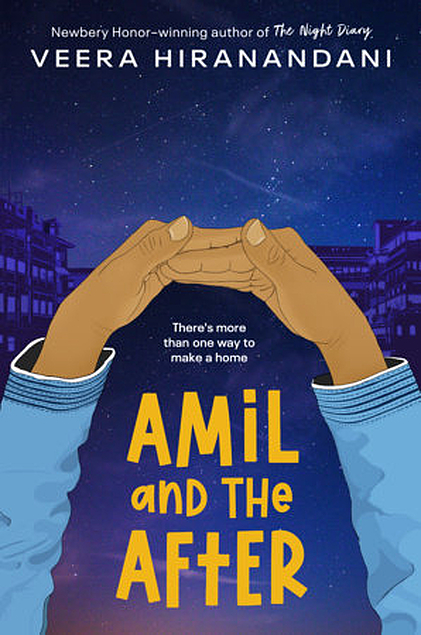
  • Veera Hiranandani (Penguin Young Readers), author of Amil and the After, How to Find What You’re Not Looking For, and The Night Diary, a Newbery Honor book.
  • Stuart Gibbs (Simon & Schuster), author of the Spy School, Funjungle, Moon Base Alpha, and Once Upon A Tim series
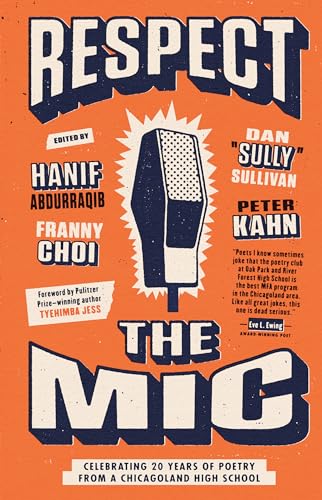
  • Peter Kahn (Penguin Young Readers), poet, educator, and project creator; co-editor of Respect the Mic: Celebrating 20 years of poetry from a Chicagoland High School
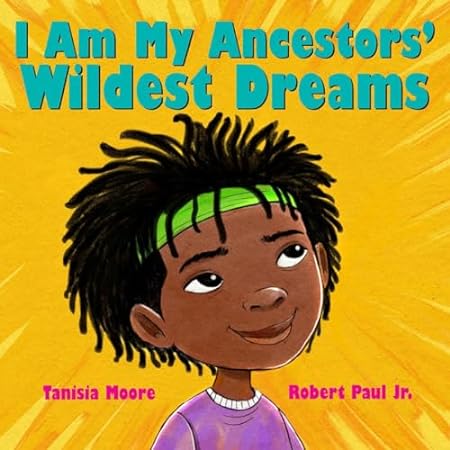
  • Tanisia “Tee” Moore (Scholastic), author of Micah Hudson: Football Fumble and picture book I Am My Ancestors’ Wildest Dreams
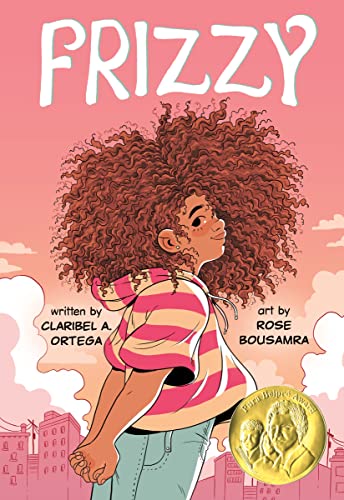
  • Claribel Ortega (Scholastic), author of Witchlings, Ghost Squad, and Frizzy, winner of the Massachusetts Children’s Book Award

All of the authors spoke beautifully and passionately about the importance and joy of books and reading. Brief notes on our conversation are below, and the whole day’s worth of panels and presentations will be available for online viewing for the next three months.

What does “the joy of reading” mean to you?

  • SG: (holding up a copy of The Westing Game by Ellen Raskin) “Reading creates memories.”
  • CO: Reading allows me to go into other people’s lives and experience things I wouldn’t do otherwise.
  • TM: “Books transport you.” (Cited The Snowy Day and Nancy Drew mysteries.)
  • VH: Books provide companionship.
  • PK: When you’re reading a paper book, you can’t multitask. You are in the moment.

How did you come to love reading? Cover image of Charlie Thorne and the Last Equation

  • TM: Was always a reader, and reading and writing were linked; kept a diary from age 6. Characters in books “were my friends.”
  • SG: Always a reader, read a huge number of library books – even found the G section where his book would be if he wrote one someday. [Ed. note: One! Haha]
  • VH: Had a lot of free choice, and never felt judged for her reading choices, even when she read comics. Having that freedom was important.
  • PK: Saw his parents reading for pleasure on vacation, so perceived it as a fun/leisure activity rather than a forced one.
  • CO: Always a reader. Books and libraries provided a safe space.

What about kids who haven’t discovered the joy of reading yet?Cover image of Frizzy

  • VH: Again, freedom to choose what you read is important. And parents can model reading, too.
  • TM: Allow kids to discover what they enjoy. Read together, or read what they’re reading, and let books start conversations.
  • SG: Books should be FUN! Graphic novels can be a gateway to reading other kinds of books.
  • PK: Read together, read aloud.
  • CO: Kids love graphic novels. Also, if they’re interested in other media (computer games, TV shows, etc.), make a connection to those other interests.
  • TM: If there’s a movie or TV version of the book, read/watch both and compare them.
  • VH: If kids read when they’re young, then drift away from it, they can come back to it: “It’s IN there.” True for adults too.

What are some ways your books can be, or have been, used in the classroom?RespecttheMic

  • PK: There is a website with videos to accompany Respect the Mic. Seeing poets perform their own work aloud increases engagement; there are also lesson plans and prompts.
  • SG: Did a lot of research for the Charlie Thorne series (partially inspired by reading Michael Crichton, who combined science and adventure), so history is woven in. Notes at the end of the book go some way toward explaining what parts are fact and what is made up, but students are encouraged to do their own research too.
  • CO: Witchlings has themes of prejudice, belonging, inequality, and socioeconomic status. Some teachers have asked students to use their problem-solving skills to suggest changes in the fantasy world of the book. What if…?
  • TM: I Am My Ancestors’ Wildest Dreams introduces readers to contemporary heroes, expands on Black history, and asks readers to consider when and how to make “good trouble.” It can be used in social studies and during Black History Month.
  • VH: Nisha, the protagonist of The Night Diary, and her twin Amil, protagonist of Amil and the After, are twins with very different styles of learning, ways of creating meaning, and ways of expressing themselves. Readers can consider their own and others’ learning styles, meaning-making, and expressions.

Why do you think reading is important, and how do you convey that to young readers?AmilAfter

  • SG: Reading about different worlds, cultures, and experiences creates empathy. Reading is a gateway.
  • VH: Echoes Rudine Sims Bishop’s “Mirrors, Windows, and Sliding Glass Doors.” Books allow people to enter into others’ lives and gain a deep understanding.
  • CO: Books are a place to learn about tough topics safely.
  • PK: Having hard (physical, paper) copies of books is more important than ever so that you can focus without distraction, scrolling, notifications.

How do you communicate a message/theme to young readers without being didactic?Cover image of I Am My Ancestors' Wildest Dreams

  • CO: TRUST your reader. Let things be messy. Some things aren’t fixed – that’s realism. Kids appreciate you being real with them.
  • TM: Use dialogue and action to show; allow readers space to figure things out on their own. It’s harder to write a picture book than people imagine!
  • SG: A little bit of messaging goes a long way; make it powerful, not repetitive.
  • VH: A didactic message reveals an adult agenda.

Is it mandatory to have a child in order to be a good children’s book author? (audience question)

  • TM: Most important is to BE A READER of the genre you want to write in. Spend time around kids (doesn’t have to be your own).
  • VH: Be in touch with your inner child.
  • CO: Talk with kids on school and library visits.

It was such a privilege to speak with these authors today and hear what they had to say about the joy of reading. Library news lately has been dominated by book bans and budget cuts, so to hear kidlit creators speak out so strongly in favor of free choice in reading was marvelous. I believe that kids will build an identity as a reader if they are allowed to choose their books (including graphic novels and audiobooks); if they see the adults in their lives reading books; if they engage in conversations about books. I believe that reading builds empathy, and prepares people to live in the world with other people, and to experience scary things in a safe way.

Happy reading to you all!

Nonfiction picture books in storytime

At the MSLA conference in 2021, Melissa Sweet presented her “Tips and Tools for Nonfiction Read-Alouds,” and since then I’ve been mindful of trying to include nonfiction picture books in storytime programs, as well as in displays and readers’ advisory. This week I had so many to choose from that I didn’t even get to them all!

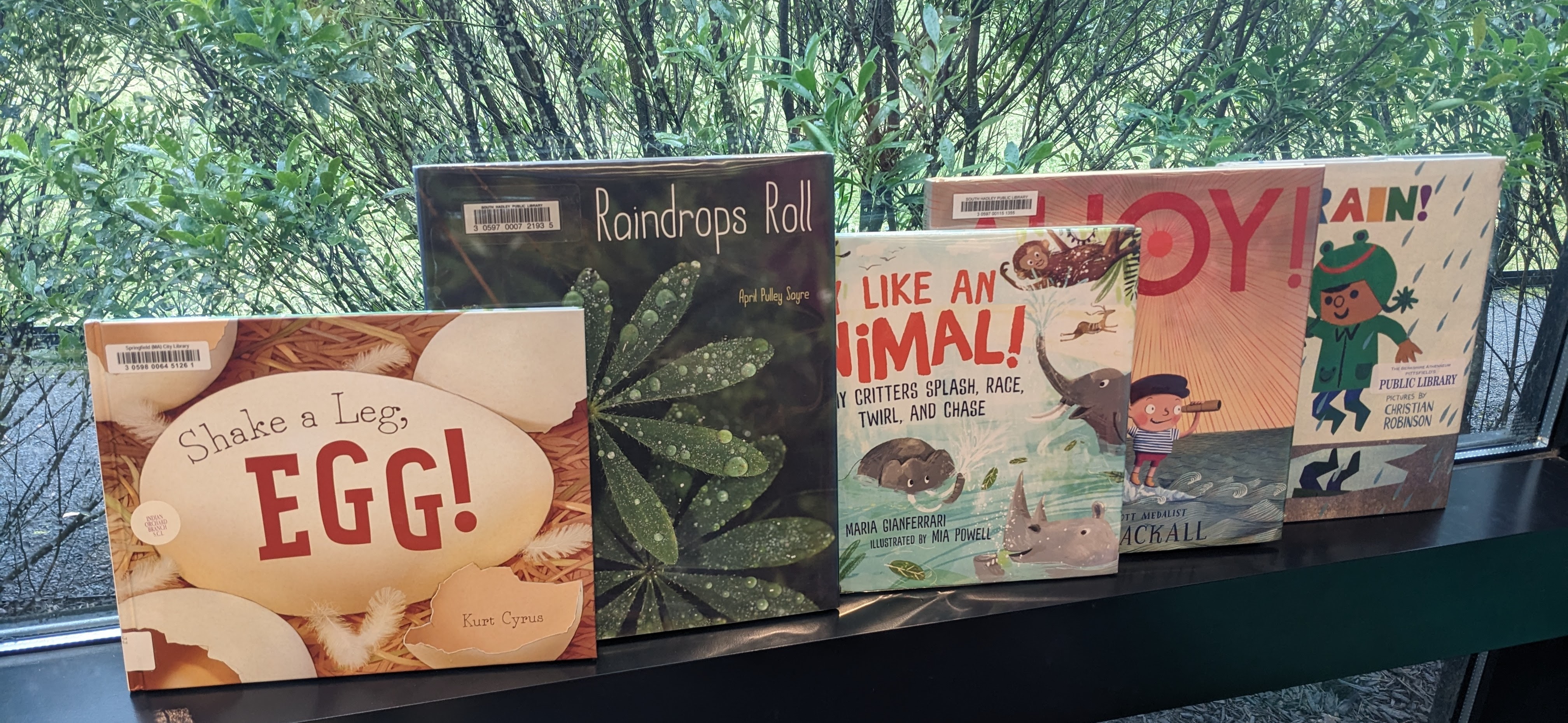
Picture books on the railing

We ended up with a nice mix of fiction and nonfiction around a loose springtime theme. Today’s weather made Rain! by Linda Ashman and Christian Robinson a shoo-in for the lead-off book. Next we read  Shake A Leg, Egg! by Kurt Cyrus, which connected to our craft (see photos below). Shake A Leg is fiction, but the illustrations of different types of birds and the pond scenes are realistic and detailed. (I also had Whose Egg Is That? by Darrin Lunde and Kelsey Oseid; we skipped it for today, but I’ve had success reading all of their “Whose __ Is That?” books at storytimes. Preschool, kindergarten, and even first and second graders enjoy making predictions and guesses.)

Next we read Ahoy! by Sophie Blackall (and I’m just now realizing that four out of five of today’s books have exclamation points in their titles). A new Sophie Blackall book is always exciting, and this one features imaginative indoor play – perfect for a rainy day. Next we read Play Like An Animal! by Maria Gianferrari and Mia Powell, which features lots of unusual animals and plenty of active verbs and fun facts. And finally, the kids voted for Raindrops Roll for our final book. April Pulley Sayre’s photography is gorgeous, and every word is carefully chosen and necessary, with nothing extra.

The craft for today was inspired by the egg books, and also by the generous supply of die-cuts in the art room closet. I cut cracked egg shapes from pale gray paper so that kids could draw creatures hatching, and they were so creative! One kid made hers a lift-the-flap by only gluing down part of half of the eggshell; another (with help from Dad, I think) draw a Teenage Mutant Ninja Turtle, pizza slice in hand.

Photo collage of egg crafts

What nonfiction read-alouds do you use in storytime?

Book Tasting

What is a book tasting? In this case, it’s a chance for a group of people (about 12 homeschooled kids from about third through sixth grade) to meet a group of books. They get a chance to browse, then get officially introduced via a book trailer, jacket copy, a brief read-aloud, or a book talk. Then they get to examine the books again, and vote for their top five to be the choice for their first book club meeting. Some spreadsheet-ing occurs, and then the winner is announced, and many books are checked out.

I planned this event with one of the homeschooling parents. I modeled the “menu” of books on past MCBA lists, which is how we ended up with 24 titles to “taste” today. It’s so hard to limit the list once the ideas start flowing – some of the kids in the group had suggestions as well – but 15-20 titles would have been sufficient, still allowing for various genres and formats without being overwhelming. (Although I don’t think the kids were overwhelmed, and those who had suggested titles were pleased to see them!)

HomeschoolBookTasting1HomeschoolBookTasting2

Kids browsed the books while everyone trickled in. Once everyone arrived, we did introductions (name, pronouns, favorite baked good) and considered the question, “How do you choose a book to read?” Kids mentioned the cover, the back or jacket copy, and the “first page test.” Perfect!

To introduce the books, I found some book trailers (links below) so I didn’t have to talk for forty minutes straight, and so kids could hear directly from some of the authors. (I also found one playlist – thank you, Lisa Graff! – which we listened to as people arrived, and an “AWWWW”-worthy photo of M.T. Anderson’s dog.) I wondered if the quality or format of the presentation for each book would sway the votes one way or another – would the top-choice books be the ones with the glossiest production value? – but my guess is this only happened in one case (Escape from Mr. Lemoncello’s Library).

In the end, Gary Paulsen’s classic Hatchet won, with Lemoncello close behind, and Another Kind and The 500 Million Dollar Heist tied for third. I used an English major version of ranked choice voting, assigning 5 points to each person’s first-choice book, 4 points for second choice, 3 for third, and so on. The most votes (not points) any title got was five, and kids cheered or at least accepted the outcome (especially since other titles might be future discussion choices, and they could check out any book they wanted from the table today).

Book Tasting Comment Card - Top Five

Book trailer, articles, photos, and playlists:

We’ll reconvene in about six weeks to discuss the book, and I’ll be looking for a companion picture book for some of the group’s younger siblings to discuss. Maybe something about forests or general outdoorsy-ness, rather than a survival story. What picture book pairs well with Hatchet?

Book Browse Bear: Serendipitous Suggestions

Inspired by the “don’t know what to read?” jar up in our teen room, which has suggestions by genre, and by an empty bear-shaped container I found in the closet, Book Browse Bear was born! There are about 40 titles in each of the following categories: picture books, early readers, chapter books, middle grade graphic novels, and middle grade fiction & nonfiction. (These are color-coded, naturally.) It’s been fun to see people digging into the jar, and fun to help them find the books on the shelves (or another book, if that one is checked out).

Book Browse Bear

If you’d like to make something similar for your library, you can use the link above to make a copy of my lists and adapt them to the collections on your shelves. It’s a great way to promote some favorite titles, especially backlist ones that may not be circulating as well anymore. Happy browsing!

To theme or not to theme?

Some storytime leaders are committed to themes; some aren’t. I fall into the latter camp, for some of the reasons articulated by Kary Henry on the ALSC blog, and Lindsey Krabbenhoft at Jbrary (“Storytime themes vs. storytime flow”). However, sometimes a theme emerges naturally, which happened this week.

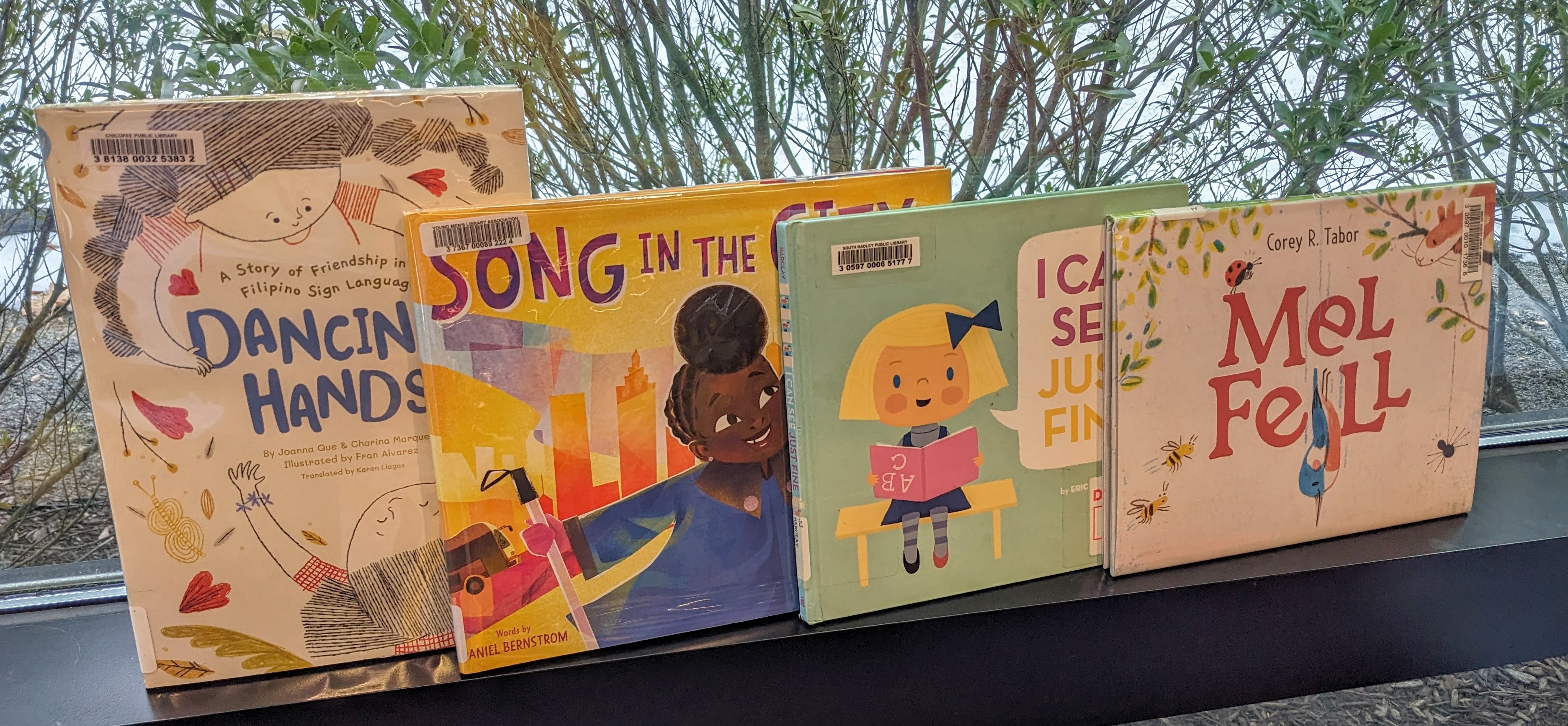
Books on window ledge: Dancing Hands, Song in the City, I Can See Just Fine, and Mel Fell

There was an unusually small group at storytime this week, all regulars, so it was actually nice and cozy. As usual, we started with our “Hello, Friends” song with sign language, and it’s so cool to see the toddlers signing along. We read four books this week, with song cube songs and the Little Mouse flannel board activity in between:

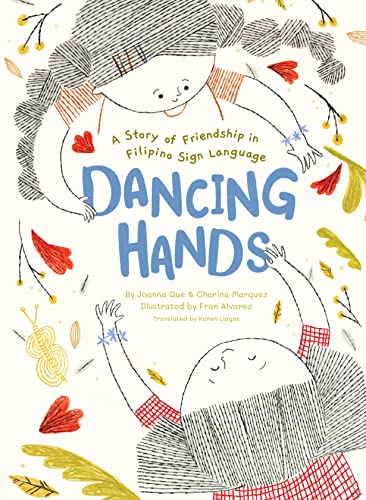
  • Dancing Hands: a story of friendship in Filipino sign language, by Joanna Que and Charina Marquez, illustrated by Fran Alvarez, translated by Karen Llagas (a Schneider Family Honor Book)
  • Song in the City by Daniel Bernstrom, illustrated by Jenin Mohammed
  • I Can See Just Fine by Eric Barclay
  • Mel Fell by Corey R. Tabor

Cover image of Dancing HandsAll of these books, in their own way, are about ability. Perception and communication also emerge as themes.

Dancing Hands worked well because it has minimal text, but shows readers how to make the signs the girls in the story are making (signs are also illustrated on the endpapers!). Dancing Hands feels a lot like My Best Friend by Julie Fogliano, illustrated by Jillian Tamaki, another favorite storytime book.

Cover image of Song in the CitySong in the City is a little bit longer, but the illustrations are super bright – featuring that warm yellow from the cover – the text rhymes, and there are a lot of sound effects. This was definitely the book that the adults in the room loved best. We all paused in the middle to close or cover our eyes, as Emmalene helps Grandma Jean do in the book, to focus on what we could hear.
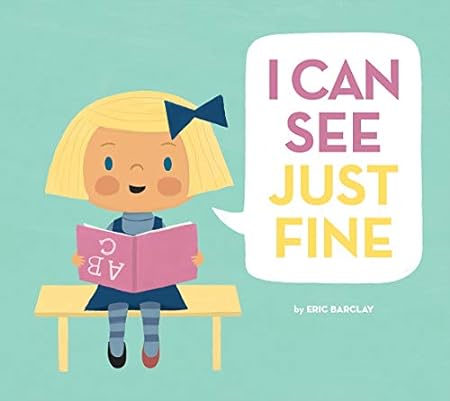
icanseeI would love I Can See Just Fine based on its title alone, but the execution is just perfect. A little girl named Paige has trouble seeing the board at school, reading her sheet music, and even identifying animals (she picks up a skunk and calls it a kitty). She is not excited to go to the eye doctor, or when they tell her she needs glasses, but when she stands in front of the huge array of frames to choose from on the wall, you can just feel her wonder and awe. She tries on lots of frames and chooses the right ones for her. I showed the group my own glasses, identifying the different parts (frames and lenses). I also shared with the group that the eye doctor is my favorite one to go to – they never give shots!
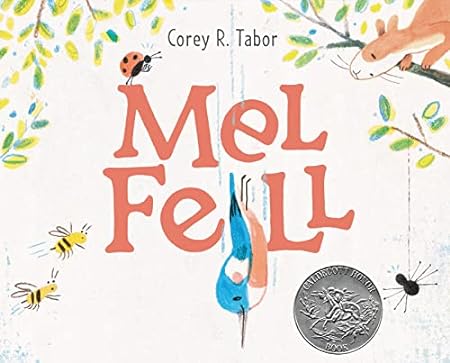
Cover image of Mel FellWe wrapped up with Mel Fell, which is about confidence and ability in a different way: a baby kingfisher’s first flight/dive. The orientation of this book is unique (in the photo above, the spine is actually on top), and there’s a fun rotation required part of the way through the story. We see community members – other residents of Mel’s tree – attempt to help, but ultimately, Mel was right about their readiness to fly!

After stories, songs, and Little Mouse, we sang and signed “Goodbye, Friends.” Our craft wasn’t connected to the books, though I did mention that peeling and placing stickers is good fine motor practice. And, as a kid, how often do you get to use as many stickers as you want? (I’m lucky in that my predecessor spent years hoarding stickers from various sources, so we have an entire box to choose from.)

Next week, we’ll be hosting a group from The Family Center, reading Hugs from Pearl by Paul Schmid, and making valentines.

Mock Newbery: Heavy Medal 2024

The Heavy Medal Award Committee (HMAC) is a Mock Newbery committee organized by Emily Mroczek-Bayci and Steven Engelfried (who have both served on the real Newbery committee previously) and including a mix of librarians (and, this year, one high school student) from all across the U.S.

Readers of the Heavy Medal blog nominate Newbery-eligible titles throughout the year, and eventually the nominees are winnowed down to a final fifteen(ish). Then the HMAC is assembled: every committee member reads all fifteen(ish) books, and each of us write an intro to one of the books on the blog, starting in late December and continuing into January. In the blog post, we consider the ways in which the book meets the Newbery criteria. After all the books are introduced and discussed in the comments, we vote on a final five books to discuss in a live webcast before the actual ALA Youth Media Awards (including the Newbery) are announced.

Cover images of HERCULES BEAL, LOST YEAR, FIRST TIME FOR EVERYTHING, MONA LISA VANISHES, THE SKULL

This year, the webcast was Friday, January 19 (you can view the recording here). The ALA YMA are next Monday, January 22, starting at 8 a.m. EST; you can watch the livestream here. (This is like the Oscars for kidlit.)

The real committees do a tremendous amount of reading and engage in carefully considered, thoughtful discussion, and there are always so many worthy books eligible for every award. Just because a book doesn’t wind up with a shiny medal or honor sticker after next week doesn’t mean it isn’t an excellent book. After all, “every book its reader, every reader their book.”

That said…I’m rooting hard for Simon Sort of Says by Erin Bow to win the Newbery this year. We’ll find out on Monday!

Tis the season for picture books and graphic novels

I developed these two presentations for the senior center, but why not share more widely?

Picture This: Picture-Perfect Gift Books for the 2023 holiday season (or whenever! Books are good 365 days a year).

With an older audience in mind, I focused on recent titles from our current golden age of picture books, from wordless wonders like Aaron Becker’s Journey to Caldecott winners like Sophie Blackall and Matthew Cordell, from nonfiction to humor to holidays. Does a kiddo in your life need a new picture book this month? Sure they do!

Humor slide from Picture Books presentation: The Big Cheese, Bathe the Cat, Gotta Go, A Very Cranky Book

What Are Graphic Novels (and why are they so great)? is an attempt to introduce adult readers to a format that might be new for them, and to dispel the harmful idea that graphic novels aren’t “real” books. (Graphic novels ARE real books! If your kids/students are reading graphic novels, they’re reading! And they probably have better visual literacy skills than you do. While I’m up here on my soapbox, audiobooks are real books, too.)

"What is a graphic novel?" slide from GN presentation

Links will take you to Google Slides presentations. For both sets of slides, I used SlidesCarnival (shout-out to my grad school friend Becca for introducing me to this resource).

Readers, I hope you check some of these books out from the library, or buy (local if you can!). School and public librarians, feel free to copy and remix if that’s helpful to you; please give credit. Neither of these presentations is intended to be comprehensive – just some award winners and lots of my own personal favorites. Happy reading!

MLS Annual Meeting 2023

This year’s Massachusetts Library Association (MLS) Annual Meeting was at Fort Devens, where I have been many times – but only to play in ultimate frisbee tournaments. The meeting involved no cleats, frostbite, or heatstroke, which was an altogether different experience!

After a brief welcome from MLS Executive Director Sarah Sogigian and MLS Executive Board President Anna Bognolo (also the director of the Greenfield Public Library, which has a beautiful new building!), reporter Matt Shearer delivered a morning keynote full of short, funny videos of hyper-local news stories, such as the famous (in internet circles) story of one of the three Market Baskets on Boston Road closing in Billerica, and the sad tale of the Dunkin Donuts-less town of Stow, MA. Matt’s approach to reporting is, “I show up in small towns and try to find something cool.” After much exploring, he has concluded, “It is the people who make these towns special.” He says, “I’m trying to find the things that aren’t getting covered, the people whose voices aren’t getting heard.” And he recommended, when creating content, to have fun with it, and people will find it engaging.

The way that people respond to Matt’s videos – locally and more broadly, as many of his videos have gone viral – makes me think of the decrease in local news coverage over the past few decades, as local and regional papers fold, and people are left to rely on social media (e.g. Facebook, NextDoor) or national papers like The New York Times. This has contributed to a lack of trust in the print media, as there can be such a great distance between the issues that have a real impact on peoples’ day-to-day lives and the issues that national papers cover. Matt’s use of humor helps, too, and his genuine curiosity about people’s lives.

The business meeting was short and sweet, followed by an update from MBLC Director James Lonergan. He urged everyone to continue contacting state representatives to support library budget lines, all of which have seen increases recently. The focus next year will be on continued support for State Aid to libraries, and a bigger increase for the Massachusetts Center for the Book. Lonergan also mentioned MLS’ partnership with Unite Against Book Bans (MLS, MLA, and MSLA are all partners).

UniteAgainstBookBansUniting against book bans tied in nicely to William Adamczyk’s update from the MLA Legislative Committee. There was a hearing on Monday, October 30 that was relevant to several different library interests (you can watch it here), including library access to e-books and digital audiobooks, freedom to read, and protection against book bans. MLA has been working closely with MSLA and with EveryLibrary to have a funded, effective school library program and a licensed school librarian in every school in the commonwealth (see “The Top 5 Reasons for having a Licensed School Library Teacher in Every School“). The Massachusetts Teachers Association (MTA) is in full support of this effort. Another goal is for the MA Department of Elementary and Secondary Education (DESE) to designate a school library point person – someone who understands the importance and value of librarians in schools.

Title page of Evelyn Del Rey, with signatureAfter lunch, it was time for MEG MEDINA! Yes, she’s caps-lock-worthy: she’s the National Ambassador for Young People’s Literature, a faculty member of the Hamline MFA program, and the author of Merci Suárez Changes Gears, which won the Newbery Medal in 2019. She has written two sequels to Merci, as well as picture books Mango, Abuela, and MeTía Isa Wants A Car; and Evelyn Del Rey Is Moving Away. Most recently she has contributed to Chelsea Clinton’s She Persisted series of biographies, with entries on Sonia Sotomayor and Pura Belpré.

Medina graciously answered questions from Christi Showman Farrar and Kristi Chadwick from MLS. Some excerpts from their conversation:

  • When did storytelling start for you? When did you decide to become a writer? Medina’s family moved to the U.S. in the 1960s, due to political turmoil in Cuba; she believes that her family “used story to deal with the trauma of loss of homeland.” She did not begin writing fiction until she turned 40.
  • How do you decide whether the story is a novel, a picture book…does the story tell you what it’s going to be or do you make that decision? A little of both. Tía Isa would have made a funny middle grade novel. “When you sit with a story for a second, your heart sort of tells you the piece of it that matters most, and that helps you navigate” what age to write it for. What matters to you the most in that moment about telling that story?Cover image of Merci Suarez, with Newber
  • When books are published simultaneously (or nearly) in English and Spanish, what is the translation process like? “We have all points of language” in Latino families, with some fluent in English, some in Spanish, some in both. Availability of books in both languages allow the family to experience the story together, in the language they’re most comfortable with. “More language is more people you can talk to.”
  • What was your involvement in the graphic novel adaptation of Yaqui Delgado Wants to Kick Your Ass? Medina said it takes her a while when she sees visual representations of her work, even book covers, because the artist’s representation is always different from what she sees in her head. “I feel about graphic novels the way I feel about movies….This is a new generation and it’s a different art form….[I’m] glad it’s coming to a new generation of readers.”
  • What was the research process like for Burn Baby Burn? “You think you remember everything accurately…you don’t!” It was fascinating to dig into the research, including the NOW archives at NYU, which covered the Women’s March in much more detail than The New York Times. She asked, “Who’s telling the story? And what was omitted?” and added, “That idea of not being erased is vitally important right now.”
  • Question from a school librarian: How do you help teachers who are attached to classics understand that there is so much new talent? You’re not throwing away the classics, but nothing can become a classic if no one reads it. Medina suggested shelf talkers that pair the classic with the new, like Little House on the Prairie with Linda Sue Park’s Prairie Lotus. “Give people a way to think about those books. Give them a way to preserve both, if they must.”

Other questions and answers covered what it was like to get “the call” (from the Newbery committee), what she does in her role as the National Ambassador (“Book friend to America’s children”), outreach to Latino populations, how to get kids passionate about stories, and challenges to youth materials (she spoke to both the Senate and the House).

Thank you, Meg, for coming to our meeting, and for everything you do for children’s literature!