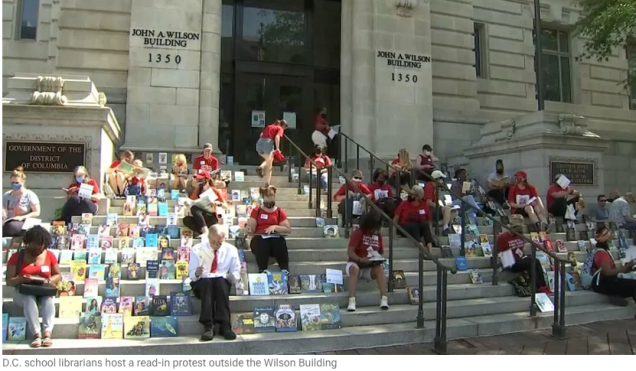
Although K.C. Boyd’s keynote was hampered with technical difficulties, we persisted. (All of us librarians, library media specialists, teacher librarians, etc. are familiar with tech hiccups after the past couple years.) In the first half of her talk, she spoke about the school librarians’ advocacy efforts in Washington, D.C., after schools went remote during COVID. “Always remain ready” to advocate, she advised, even when things are going well, and keep the focus on the students: “It’s not about the librarians, it’s about the children.” It is unfair to students, especially those in already under-resourced schools, to lose access to school libraries and librarians.
(This reminded me of the Massachusetts Equity & Access study from 2018, available for download from MBLC. Even across the Commonwealth, there are dramatic disparities between schools, meaning that some students have access to fully staffed, high quality library media centers, while others have no certified librarian and less (or no) access to library resources. Research has shown that students in schools with a certified librarian and a school library have improved reading scores – something everyone wants – so funding school libraries equally is essential.)
When school libraries are threatened, librarians must become activists as well as advocates. (An advocate speaks on behalf of a person or group; an activist acts intentionally to bring about social or political change.) K.C. suggested that mid-career, late-career, and retired librarians are the ones who should be on the front lines of this advocacy work, and she provided some guidelines for teamwork:
- listen to understand
- be respectful
- let go of your privilege
- gently “check” your peers
- wellness checks
- we are all in this together
Library activists should BE PREPARED with messaging: one message, many voices. K.C. advises, “Remain student-centered at all times….Keep ‘I’ out of the conversation….[the message is] We care about students.” Root your message in research; K.C. cited Dr. Keith Curry Lance and Dr. Stephen Krashen. Librarians can testify at education hearings, write op-eds, use social media, and tap local and national organizations, like EveryLibrary, for help. The bottom line is that “Inequity in school library services is wrong,” and we must work toward equity. She closed by saying, “We all must be truth tellers. Tell the truth. There is strength in numbers.”
Hashtags: #GoodTrouble (a reference to a John Lewis quote, though apparently it is also a TV show now), #DCPSHasLibrarians (DC-specific), #FReadom
 Separately from her keynote, K.C. Boyd also presented a session on “The News Literacy Project and Digital Citizenship.” KC is a national ambassador for the News Literacy Project (NLP) for the DC/Maryland/Virginia region. K.C. said, “I think it’s very important that digital literacy is taught in our K-12 schools.” Students are bombarded and overwhelmed with information and sometimes it’s not reported well. “We want students to be responsible users of media” and “it is our responsibility…to create a digital world we want to live in.” Particularly in the turbulent past two years – the Black Lives Matter movement, the January 6 insurrection at the Capitol, and the COVID-19 pandemic – it is “important for kids to understand where they could get good information.” K.C. said that she wanted her students to have “a full understanding of what was taking place,” so she used the NLP and Checkology to teach media literacy. Those lessons helped kids understand the news and how it is presented in society. “We owe our students the truth,” K.C. said, acknowledging that every community is different and advising librarians to “walk the line.”
The Checkology program is free for educators to use. I first heard about it a few years ago from Damaso Reyes at the “Libraries in a Post-Truth World” conference.
 Anna Ring of Chickering Elementary School in Dover/Sherborn conducted an action research project, surveying hundreds of elementary, middle, and high school libraries to find out what organizational systems they use: the Dewey Decimal System, an adapted version of Dewey, or something else (Library of Congress, BISAC, or a homegrown system). She found that most elementary libraries are still using Dewey or adapted Dewey, while some middle and high schools are using other systems. A few key themes emerged from Anna’s presentation and from the discussion among the participants:


 Big thanks to the children’s librarians at the Newton Free Library for organizing, promoting, hosting, and moderating a delightful


 I can’t imagine anyone was surprised that Unspeakable by Carole Boston Weatherford, illustrated by Floyd Cooper, won two Coretta Scott King awards (for author and for illustrator), as well as a Sibert honor and a Caldecott honor. I’m looking forward to reading CSK illustrator honor book Nina, but I’m really surprised that Christian Robinson’s other 2021 book, Milo Imagines the World, didn’t get any official recognition.
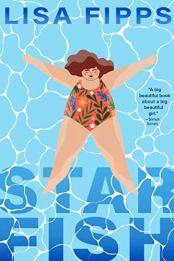
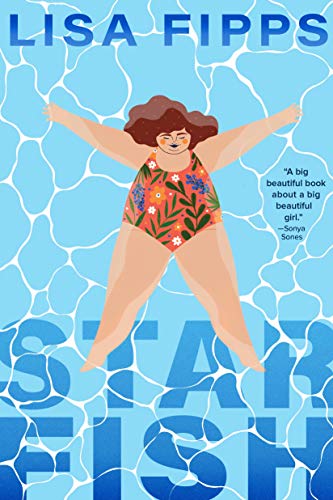
 Other Printz honor books included Starfish by Lisa Fipps (a novel in verse!), Concrete Rose by Angie Thomas, Last Night at the Telegraph Club by Malinda Lo, and Revolution in Our Time by Kekla Magoon (the latter is the only Printz book I hadn’t already read, but it’s on my list now).
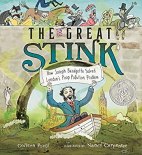 I’d actually read a bunch of Sibert honor books, though not the winner; I was super excited to see The Great Stink on the list. We Are Still Here by Traci Sorrell and Unspeakable also got honors, as did Summertime Sleepers (which taught me the word “estivate,” which is like hibernating but in the summer).
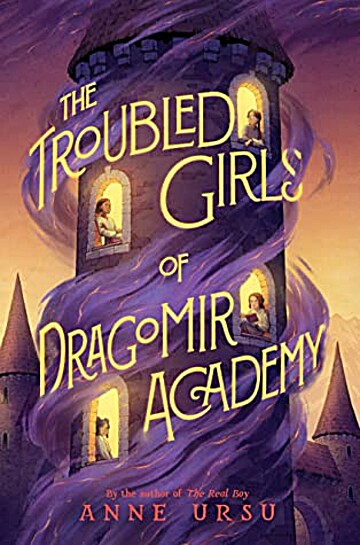

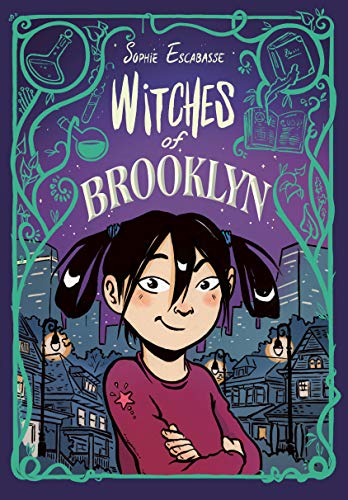
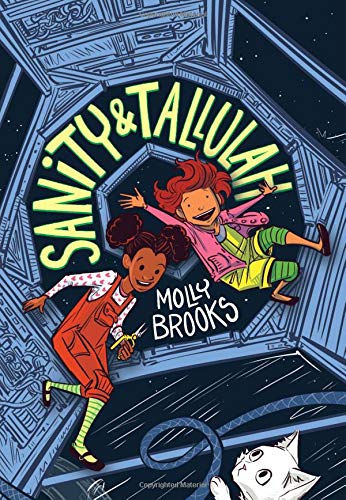
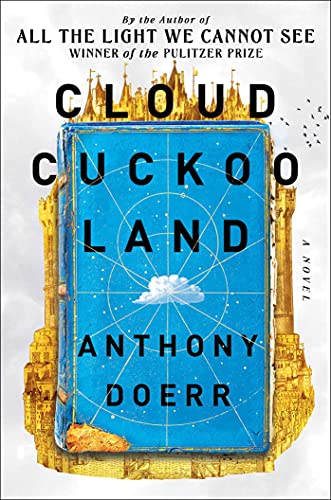
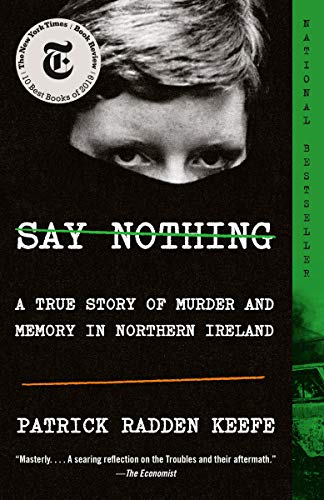
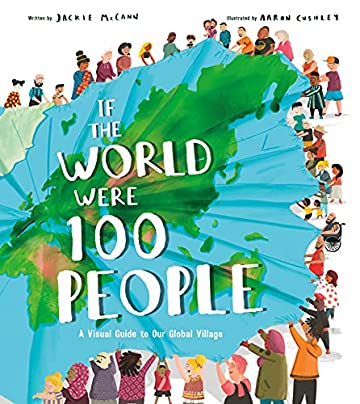
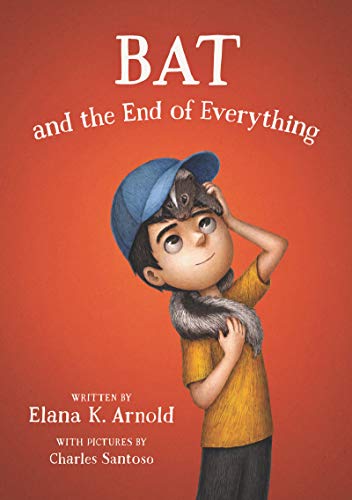
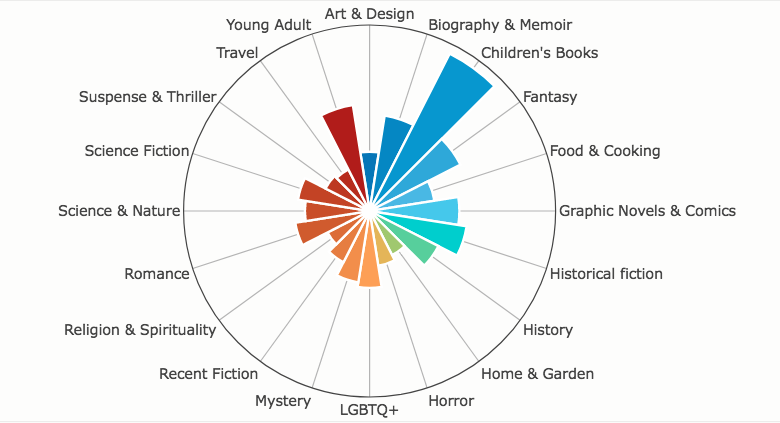
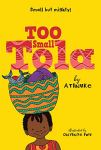
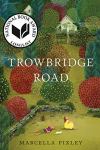
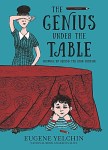


 End-of-year lists: For #kidlit people, Betsy Bird’s “
 I looked up the ALA’s

 Dancing Hands: How Teresa Carreno Played the Piano for President Lincoln by Margarita Engle & Rafael Lopez